How is an applied kinesiology care plan developed?
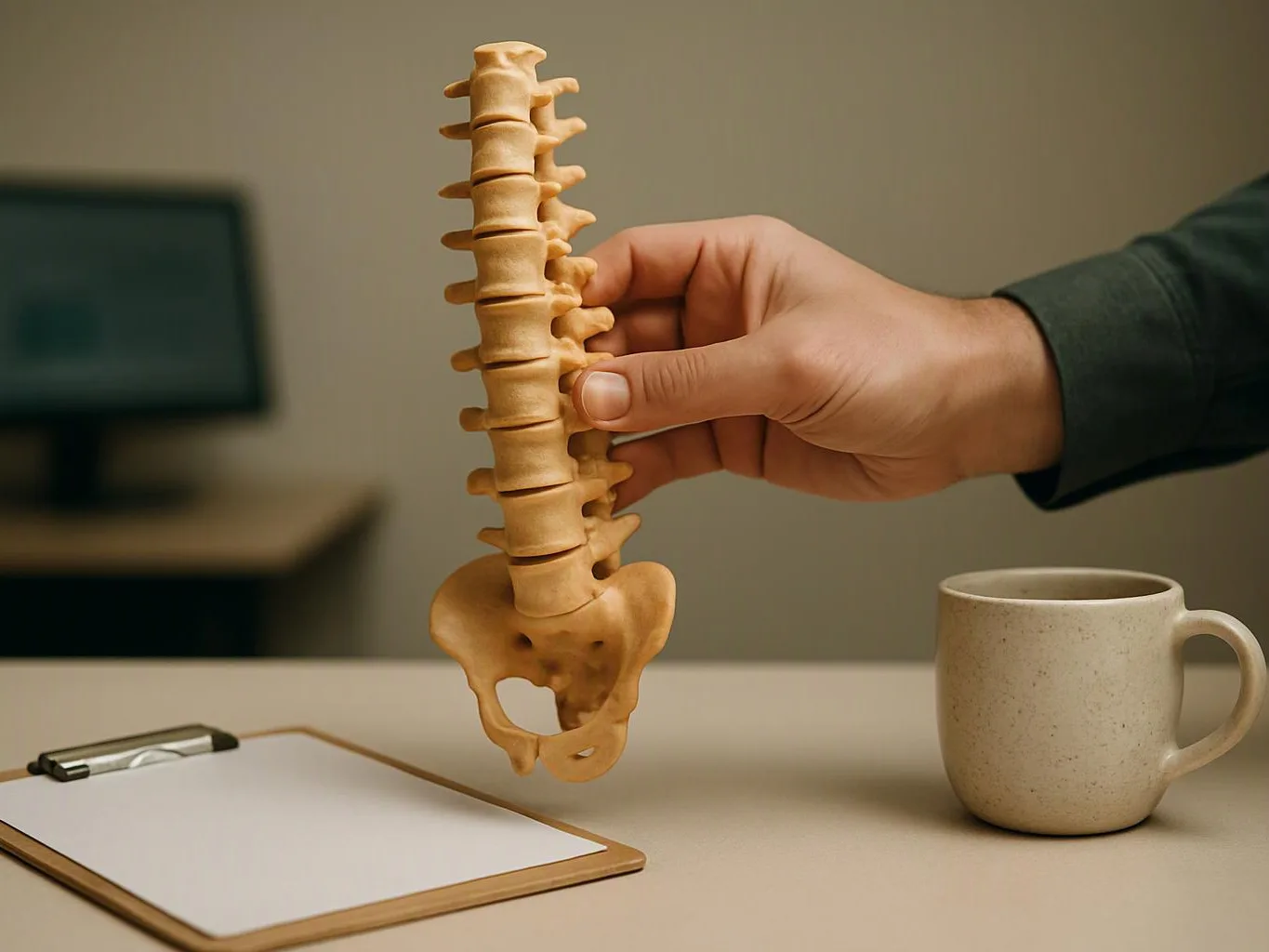
Corrective exercises are matched to clinical history, muscle responses, and mobility findings. Advanced Injury Care Clinic reviews the injury and daily movement needs first. The assessment then helps guide spinal adjustments, soft tissue therapy, therapeutic modalities, or rehabilitation. The plan can change as symptoms and movement change, because individual response differs.
What should be ready before applied kinesiology starts?
Clinical history is the most useful information to prepare before care starts. Bring details about the injury, current symptoms, prior treatment, and movements that increase discomfort. A list of daily activities can also help. We use those details with the exam findings to discuss suitable treatment and practical follow-up.
Which condition changes the time needed for corrective exercises?
Mobility limits and the type of injury influence how corrective exercises are selected and reviewed. Whiplash, back pain, joint discomfort, and soft-tissue injuries can affect movement in different ways. We check the person’s response during care and adjust the plan when needed. No fixed treatment duration applies to every patient.
What is the difference between muscle response checks and a spinal adjustment?
Muscle response checks gather assessment information, while a spinal adjustment is a treatment technique. The checks help us understand movement and muscle behavior during the exam. A spinal adjustment addresses selected joints as part of a broader plan. Our team decides whether either approach fits the findings and the patient’s goals.
Why might applied kinesiology be considered after a workplace injury?
Workplace injuries can change movement during lifting, reaching, standing, or other job tasks. Applied kinesiology reviews those movement concerns alongside the clinical history. We then discuss care that may include adjustments, soft tissue therapy, or rehabilitation. The service does not replace medical evaluation when symptoms call for another type of care.
Can this care address pain after an auto accident?
Yes, applied kinesiology can be part of care for pain after an auto accident. Whiplash, neck pain, back pain, headaches, and soft-tissue injuries may affect movement in different ways. We review the injury history and examine mobility before planning care. Results vary, and the treatment plan reflects the patient’s findings.
How do I ask about the cost before treatment begins?
Upfront pricing information is discussed before treatment is arranged. The assessment needs and selected services influence the final cost. Ask which parts of the visit involve evaluation, adjustment, soft tissue therapy, modalities, or rehabilitation. We’ll explain the expected charges so you can make a clear care decision.