When should I seek care after sudden changes?
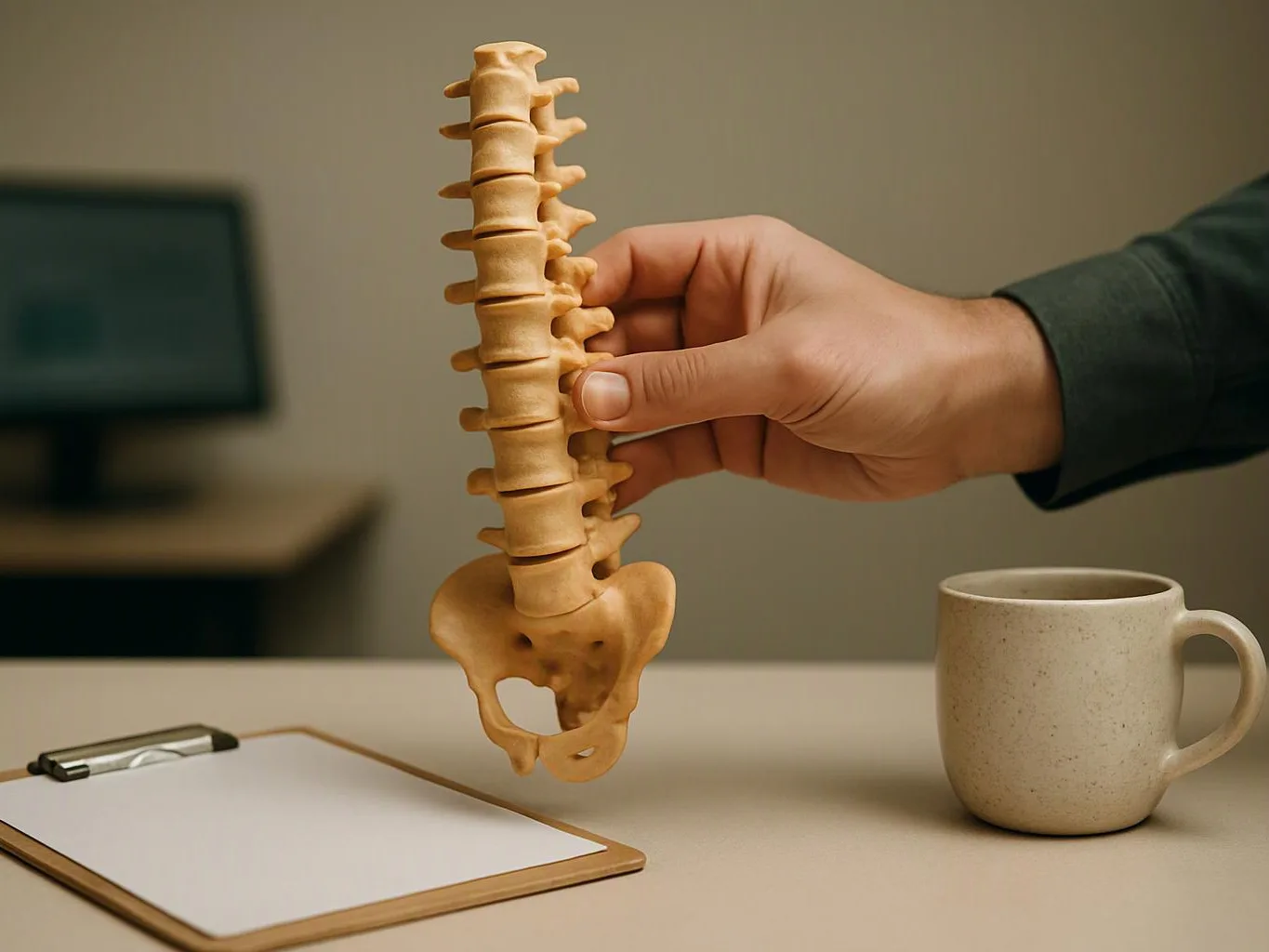
Sudden changes after an accident or injury deserve an evaluation when pain, stiffness, headaches, or limited movement appear. Our first visit reviews the health history and examines movement and affected tissues. Severe weakness, trouble breathing, loss of consciousness, or major trauma needs urgent medical attention instead of routine chiropractic care.
What happens during the first visit?
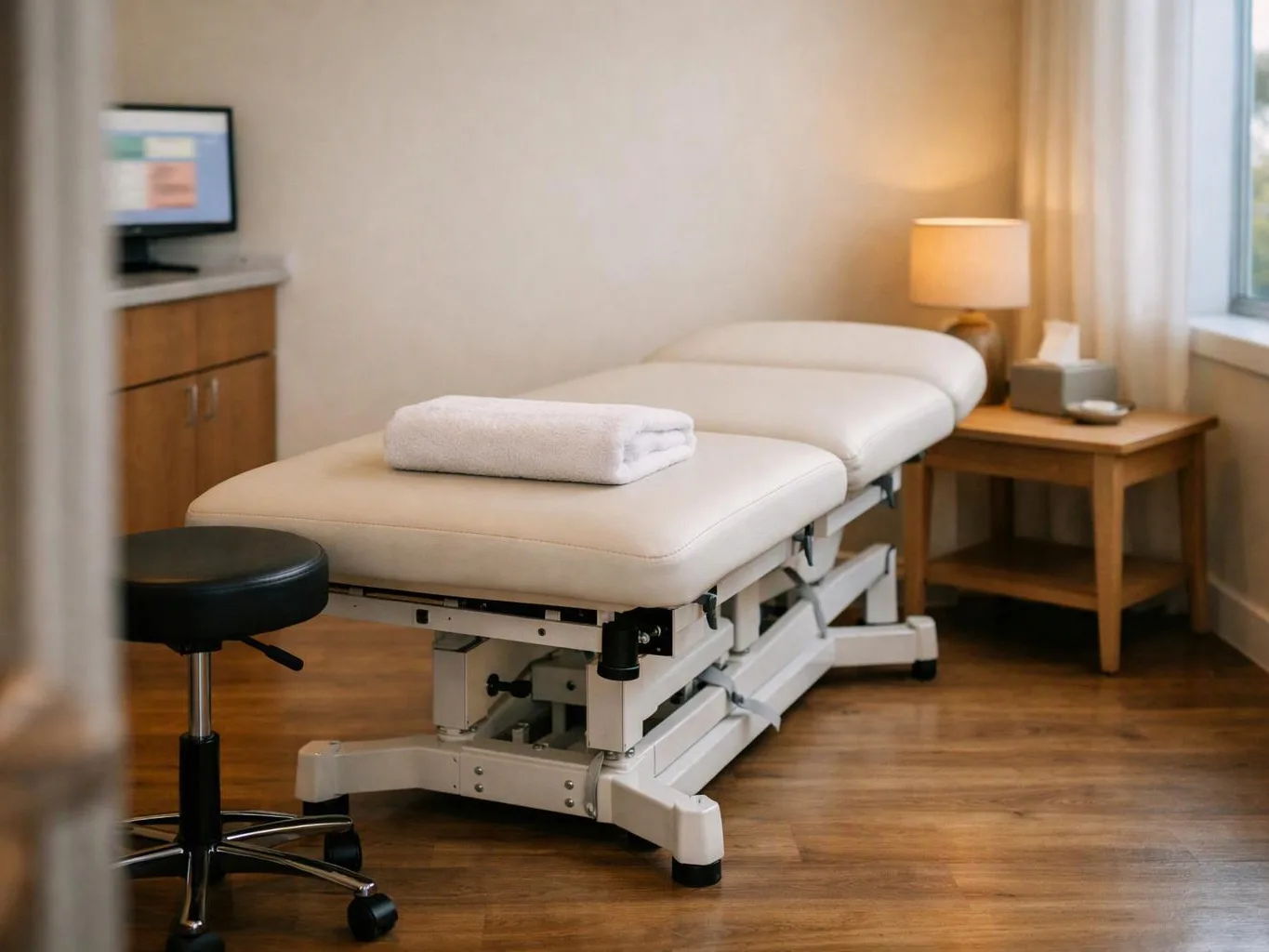
The first visit includes a new patient intake, health history, physical exam, and discussion of findings. X-rays are considered if clinically indicated. We then explain a personalized treatment plan, which may include spinal adjustments, corrective exercises, therapeutic modalities, or rehabilitation. Bring information about the injury and any symptoms that affect daily tasks.
How does care move from the first call to the last step?
Care moves from appointment scheduling to intake, examination, findings, treatment planning, and progress review. The health history and exam guide the first treatment discussion. Follow-up care focuses on movement, symptoms, and daily function, while a wellness maintenance plan may support ongoing mobility when it fits your goals.
Which part of my condition decides the treatment scope?
The affected area, injury cause, movement limits, and exam findings decide the treatment scope. Neck pain after whiplash may call for a different plan than recurring hip or knee discomfort. We explain whether adjustments, exercises, soft-tissue therapy, or rehabilitation fit the findings before treatment begins.
Why might recurring symptoms need more than an adjustment?
Recurring symptoms may need exercises, soft-tissue care, or rehabilitation because movement habits and tissue strain can affect recovery. An adjustment addresses joint motion, while corrective exercises help you practice controlled movement. We review the pattern of symptoms and daily demands before choosing the right mix of care.
Can chiropractic care help after a workplace injury?
Chiropractic care may help workplace injuries that cause musculoskeletal pain, stiffness, or limited movement. We document the injury history and examine the affected area before discussing treatment. The plan may include adjustments, exercises, therapeutic modalities, or rehabilitation. Results vary, and serious injuries may need another medical setting.
How do I know whether this clinic fits my symptoms?
This clinic fits musculoskeletal pain, injury-related stiffness, and movement problems that chiropractic care can assess. Back pain, neck pain, whiplash, headaches, joint discomfort, and soft-tissue injuries fall within the stated service scope. Severe trauma, breathing trouble, or loss of consciousness requires urgent medical attention.