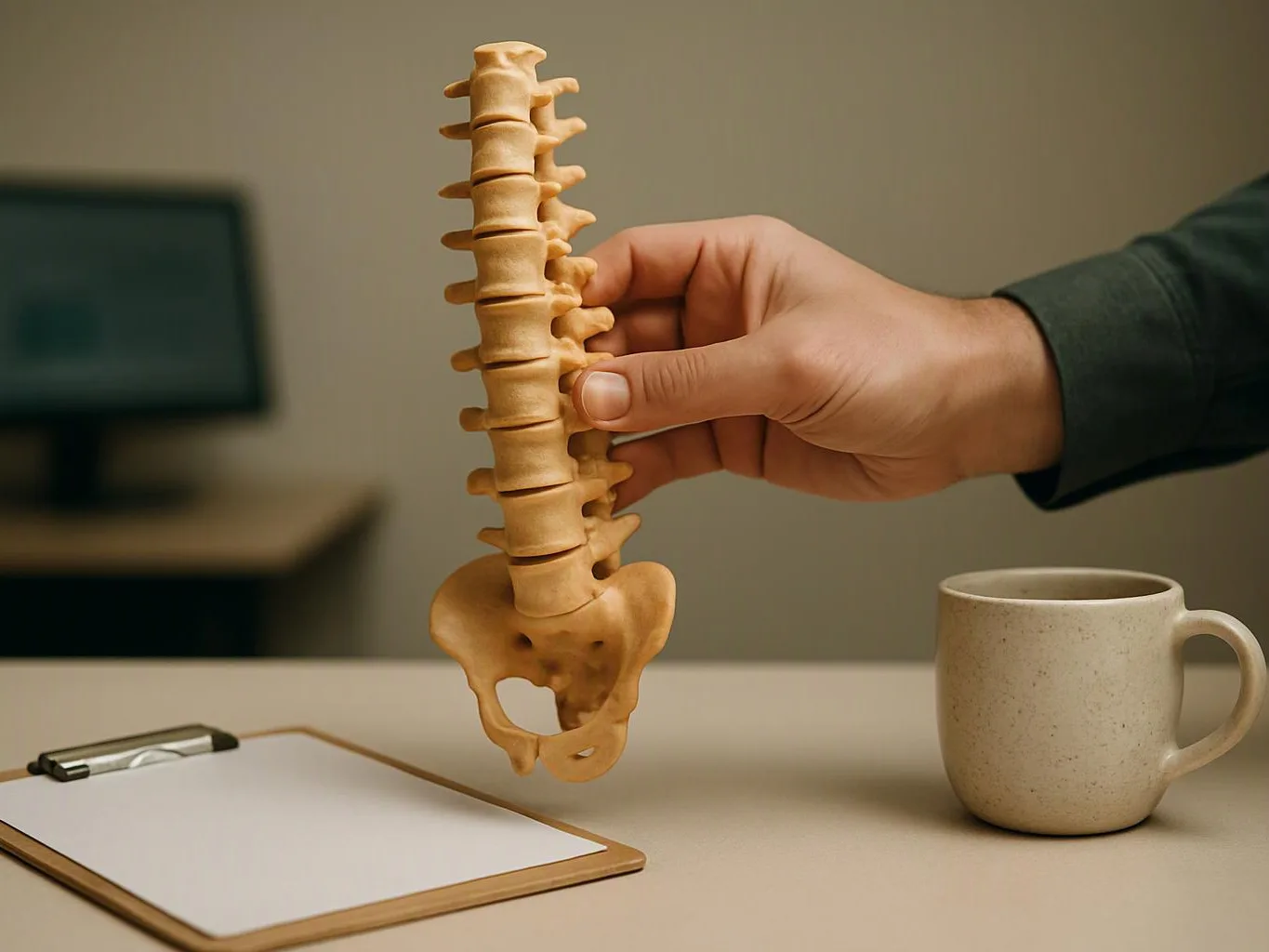
How should I prepare for a medical clinic appointment?
Insurance documents, a medical history, a symptom timeline, and a medication list are useful preparation items. Bring insurance documents when available, then write down when symptoms began and what changes them. Include details about an accident, workplace injury, sports injury, or daily pain. Advanced Injury Care Clinic uses this information during the evaluation and treatment discussion.
What should I bring if my pain followed an auto accident?
Accident details, insurance documents, and a current medication list can help our team understand your visit. Note where pain began, whether it moved, and which actions make it worse. Neck pain, back pain, whiplash, and headaches can change over time, so a symptom timeline gives the exam more useful context.
Which symptoms fit chiropractic treatment?
Back pain, neck pain, whiplash, headaches, joint discomfort, and soft-tissue injuries may fit chiropractic treatment. The evaluation determines whether musculoskeletal care matches the concern. Our team reviews movement and health history before discussing spinal adjustments, corrective exercises, therapeutic modalities, or injury rehabilitation.
Why does the medication list matter during an injury visit?
A medication list gives the care team important context about your health and current treatment. Include prescriptions, over-the-counter medicines, and supplements if possible. The list helps us discuss your symptoms more safely and decide what information belongs in the treatment conversation.
When might an appointment need another medical provider?
Another medical provider may be needed when a concern falls outside musculoskeletal care. Our team focuses on injuries, joint concerns, muscles, soft tissue, and related movement problems. Tell us about severe or unusual symptoms during the visit so we can address the next step appropriately.
How does the first evaluation shape treatment?
The first evaluation connects your symptoms, health history, movement, and injury details to a treatment plan. Customers receive an explanation of options that may include adjustments, exercises, therapeutic modalities, or rehabilitation. Individual response differs, so the plan can be reviewed as your condition changes.