Glossary

What is Nerve Compression?

Nerve Compression is a condition where a nerve is squeezed or pressed by surrounding tissues like bones, muscles, tendons. Or discs. This pressure disrupts the nerve’s normal function, causing pain, tingling, numbness. Or weakness in the affected area. Nerve Compression often occurs in the spine, wrists. Or elbows and can result from injury, repetitive motion. Or poor posture.

Reviewed by Advanced Injury Care ClinicSources reviewed: National Institute of Neurological Disorders and Stroke, Mayo Clinic

Quick Facts About Nerve Compression

Category

Neurological condition

Used for

Diagnosing pain, tingling. Or weakness in limbs or back

Common confusion

Often mistaken for muscle strain or arthritis

Also called

Pinched Nerve, Nerve Entrapment

Often discussed with

Neck Pain Treatment, Back Pain Treatment

Key Takeaways About Nerve Compression

Understanding Nerve Compression
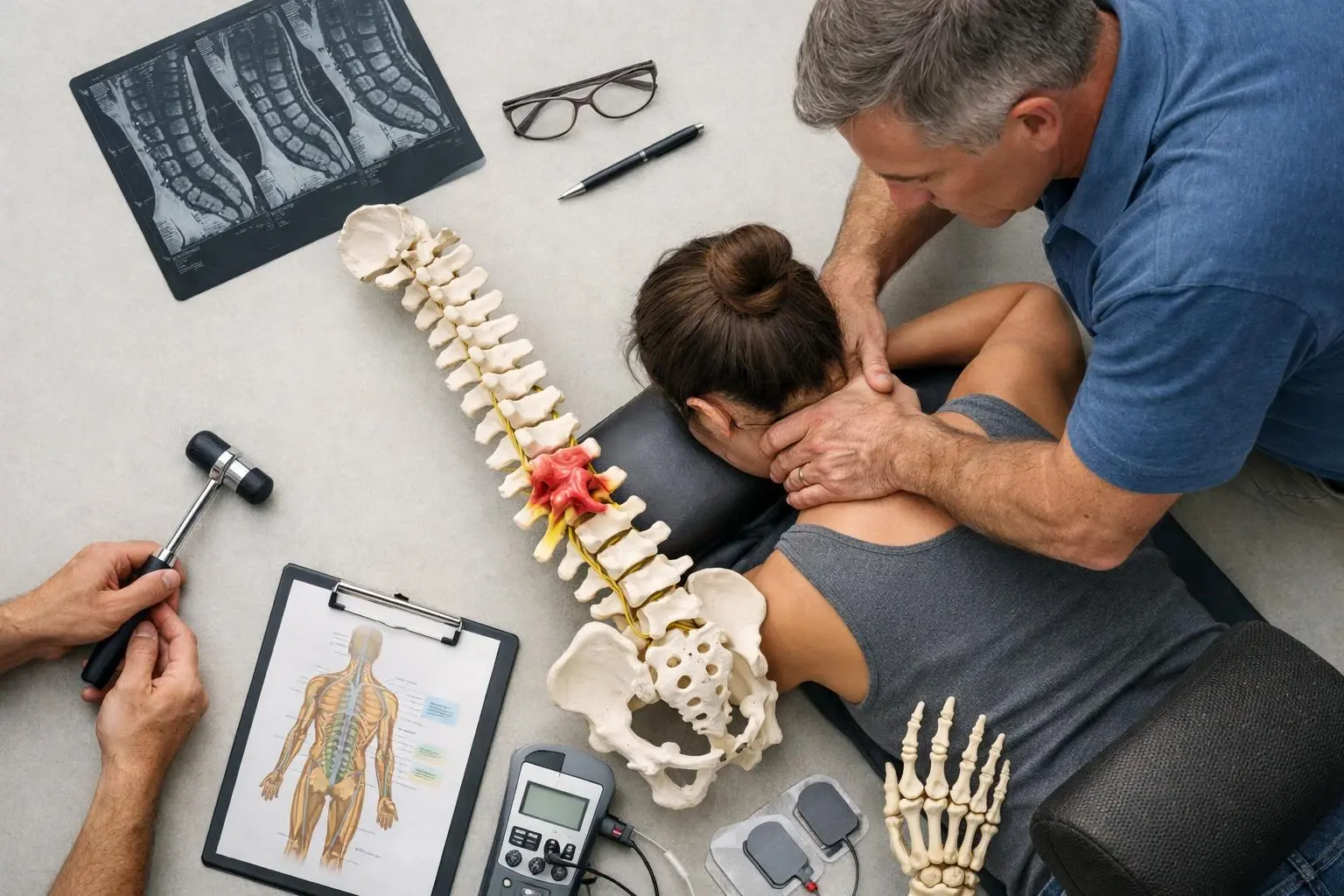
Nerve Compression in Chiropractor: Nerve Compression is a condition where a nerve is squeezed or pressed—visual guide

Nerve Compression is a health problem. It happens when a nerve gets squeezed. Nearby bones, muscles. Or discs can press on it.

Related glossary terms: Radiculopathy, Herniated Disc, Spinal Decompression.

This pressure stops the nerve from working right. It can cause pain, tingling. Or numbness. Muscles may feel weak too.

A squeezed nerve in the back can hurt. The pain may go down the leg. This is one example.

Nerve Compression can happen anywhere. It is common in tight spaces. The spine, wrists. And elbows are often affected.

Many things can cause Nerve Compression. An injury can move bones or discs. This puts pressure on nerves.

Doing the same motion over and over can hurt nerves. Typing or using tools can cause this. It happens over time.

Bad posture or being overweight can raise the risk. So can arthritis. These things make compression more likely.

Sometimes it happens slowly. Other times it comes fast. An injury can cause it suddenly.

Knowing the cause helps with treatment. The right treatment depends on it.

How Nerve Compression Works?

Nerves work like wires. They send messages to the brain. They also send messages from the brain.

A squeezed nerve can't send messages right. It's like stepping on a hose. The water can't flow.

The nerve may send wrong signals. You might feel pain or tingling. There may be no real injury.

If the pressure lasts too long, the nerve can get hurt. This can cause worse problems. Muscles may get weak or numb.

Doctors find Nerve Compression in different ways. They ask about your health. They also do a physical exam.

They check for pain, weakness. Or numbness. They may order tests. X-rays, MRIs. Or CT scans can help.

These tests show problems like a herniated disc (a bulging disc). This can press on nerves.

Sometimes doctors use other tests. Nerve conduction studies check signals. EMG (a test for muscles) can help too.

These tests show where the problem is. They help confirm the diagnosis.

Treatment helps the nerve work again. It takes pressure off the nerve. Rest or ice can help mild cases.

Pain relievers can ease discomfort. You can buy these at the store. Physical therapy can help too.

A chiropractor can adjust your spine or joints. This can take pressure off nerves.

For worse cases, doctors may give shots. These reduce swelling. Surgery can remove the pressure too.

Early treatment stops lasting damage. It's very important.

Why Nerve Compression Matters?

How Nerve Compression applies to Chiropractor services in Hendersonville, United States—practical illustration

Nerve Compression matters a lot. It can hurt your daily life. Without treatment, it can get worse.

It can cause long-term pain. Muscles may get weak. Nerves can get damaged for good.

Carpal tunnel syndrome is one example. It squeezes a nerve in the wrist. This makes it hard to type or grip.

In the back, it can cause sciatica. This sends sharp pain down the leg.

Treating it early stops worse problems. You can get back to normal faster.

It can also affect how you move. You might not walk or stand well. This can change your daily life.

It can stop you from doing hobbies. Even simple tasks can hurt. Driving or sleeping may be hard.

Athletes may have to stop sports. Active people may not exercise. This can be frustrating.

Even small symptoms matter. Getting help early avoids trouble. Don't wait if you feel pain or tingling.

When Nerve Compression Matters Most?

Nerve Compression matters most when it disrupts life. Early signs may seem small. But they can get worse.

You might feel tingling or slight pain. Ignoring it can cause bigger problems. A squeezed nerve in the neck is one example.

At first, fingers may go numb. Later, the arm may get weak. This happens if you don't treat it.

People who do the same motions at work are at risk. Typing or lifting can cause this. Athletes should watch for symptoms too.

Some signs need quick help. Sudden weakness is one. Losing bladder or bowel control is another.

Severe pain is also a warning. These may mean a serious problem. Cauda equina syndrome is one example.

This happens when nerves at the spine's base get squeezed. It needs fast treatment. This stops lasting damage.

People with diabetes or arthritis should be careful. These conditions raise the risk. Watch for symptoms.

Getting help early stops worse problems. It keeps symptoms under control.

In Hendersonville, TN, Nerve Compression is common. Many people see chiropractors for it. The area has lots of active people.

Athletes, workers. And office staff often get it. Repetitive stress or injuries cause it. Chiropractors help without surgery or drugs.

They treat sciatica, carpal tunnel. And neck nerve pain. Knowing local risks helps. It lets people take charge of their health.

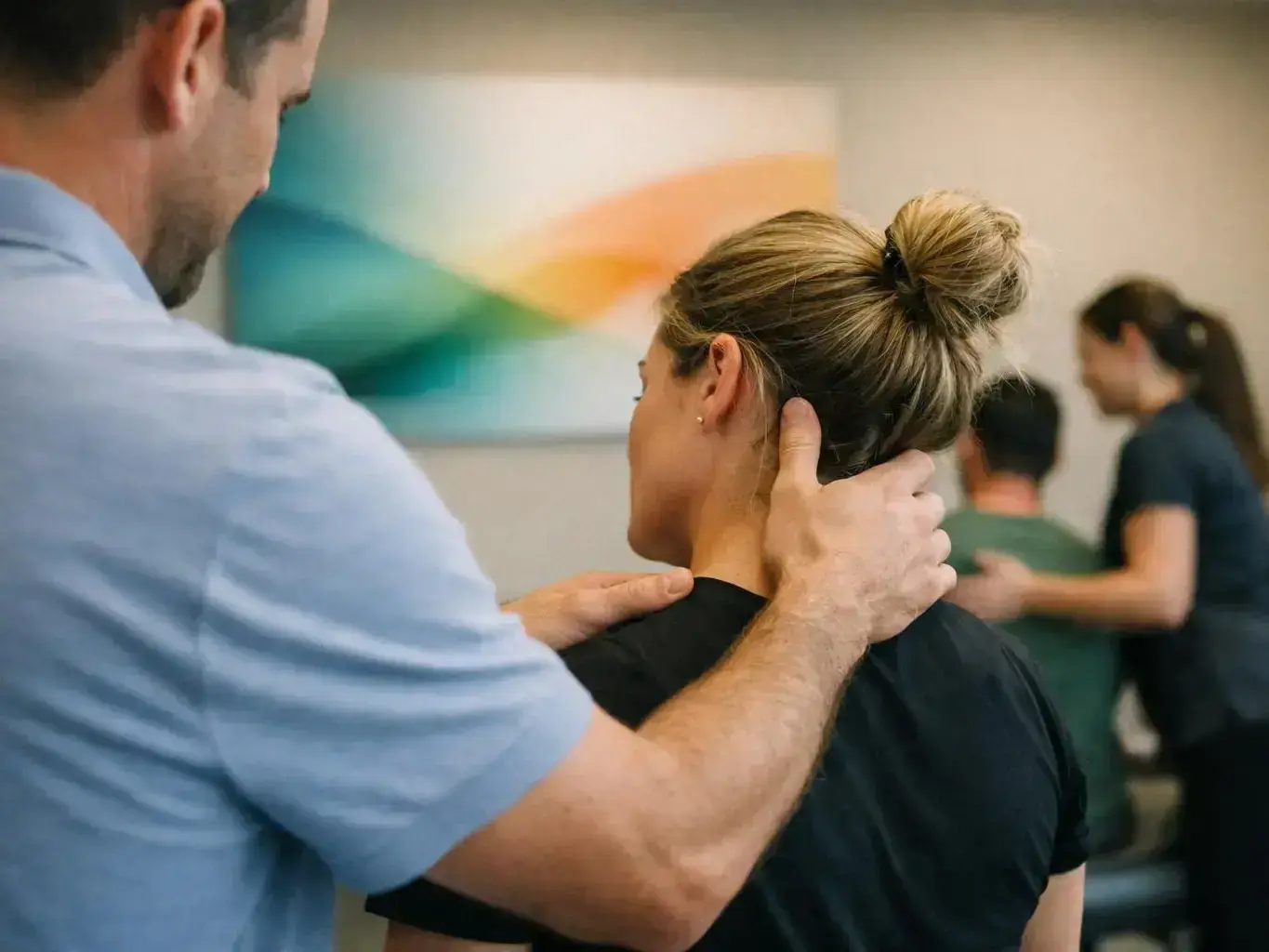
How to Evaluate Nerve Compression?

Related Concepts Compared

Nerve Compression vs. Radiculopathy

Radiculopathy is a type of Nerve Compression that specifically affects nerve roots near the spine, often causing radiating pain. Nerve Compression can occur anywhere in the body, not just the spine.

Nerve Compression vs. Muscle Strain

Muscle strain involves damage to muscle fibers, causing localized pain. Nerve Compression affects nerves, leading to symptoms like tingling, numbness. Or weakness in areas beyond the injury site.

Nerve Compression vs. Sciatica

Sciatica is a specific form of Nerve Compression involving the sciatic nerve, causing pain that radiates down the leg. Nerve Compression can affect any nerve in the body.

Expert Note

Nerve Compression often mimics other conditions. So a thorough evaluation is essential. For example, what feels like a muscle issue may actually be a compressed nerve. Early intervention can prevent long-term damage and improve outcomes.

Common Mistakes or Myths About Nerve Compression

  • Ignoring early symptoms like occasional tingling, assuming they will go away on their own.
  • Confusing Nerve Compression with muscle strain or arthritis, delaying proper treatment.
  • Believing that surgery is the only treatment option, when conservative care can often help.
  • Assuming Nerve Compression only affects older adults, when it can occur at any age.

Nerve Compression in Practice: A Real-World Example

A construction worker in Hendersonville, TN, develops tingling and weakness in his right hand after weeks of using heavy tools. His doctor diagnoses carpal tunnel syndrome, a type of Nerve Compression caused by repetitive motion. With chiropractic care and ergonomic adjustments, his symptoms improve, allowing him to return to work without surgery.

Sources & Further Reading on Nerve Compression

  • National Institute of Neurological Disorders and Stroke
  • Mayo Clinic
  • American Chiropractic Association

Related Services

Related Terms

Radiculopathy

Radiculopathy is a medical condition caused by compression, inflammation. Or injury to a spinal nerve root as it exits the spinal cord. This pressure disrupts nerve signals, leading to pain, numbness, tingling. Or weakness that often travels into the arms or legs. Radiculopathy most commonly affects the lower back (lumbar) or neck (cervical) regions.

Herniated Disc

Herniated Disc is a spinal condition where the soft, gel-like center of a spinal disc pushes through a crack in the tougher outer layer, often pressing on nearby nerves. This can cause pain, numbness. Or weakness in the back, neck, arms. Or legs, depending on the disc’s location along the spine.

Spinal Decompression

Spinal Decompression is a non-surgical treatment designed to relieve pressure on the spine and spinal nerves. It involves gently stretching the spine using a motorized table or similar device to create negative pressure within spinal discs, helping herniated or bulging discs retract and promoting healing by allowing oxygen, water. And nutrient-rich fluids to move into the discs.

Chiropractic Adjustment

Chiropractic Adjustment is a precise manual procedure performed by a licensed chiropractor to restore proper joint motion and alignment, primarily in the spine. Chiropractic Adjustments use controlled force, direction. And speed to improve function, reduce nerve irritation. And relieve pain without surgery or medication. The technique targets specific joints that show restricted movement or misalignment.

Advanced Injury Care Clinic

Have Questions About Nerve Compression?

Contact Advanced Injury Care Clinic for practical guidance on Nerve Compression and related chiropractor work in Hendersonville.

+1 615-777-0624