Glossary

What is Chiropractic Adjustment?

Chiropractic Adjustment is a precise manual procedure performed by a licensed chiropractor to restore proper joint motion and alignment, primarily in the spine. Chiropractic Adjustments use controlled force, direction. And speed to improve function, reduce nerve irritation. And relieve pain without surgery or medication. The technique targets specific joints that show restricted movement or misalignment.

Reviewed by Advanced Injury Care ClinicSources reviewed: American Chiropractic Association, National Center for Complementary and Integrative Health (NCCIH)

Quick Facts About Chiropractic Adjustment

Category

Manual therapy

Used for

Back pain, neck pain, headaches, joint stiffness, nerve irritation

Common confusion

Often mistaken for massage or general cracking of bones

Also called

Spinal Adjustment, Spinal Manipulation

Often discussed with

Car Accident Injury Treatment, Whiplash Injury Treatment

Key Takeaways About Chiropractic Adjustment

Understanding Chiropractic Adjustment

Chiropractic Adjustment in Chiropractor: Chiropractic Adjustment is a precise manual procedure performed by a licensed chi...

A chiropractic adjustment is also called spinal manipulation. Chiropractors use it to fix problems in bones and muscles. It helps most with the spine.

Related glossary terms: Spinal Adjustment, Chiropractic Care, Adjustment.

The goal is to help joints work right. It lets the body heal itself. The chiropractor pushes a joint fast and carefully.

This often makes a popping sound. The sound comes from gas bubbles in the joint. It's normal and doesn't hurt.

Chiropractic adjustments help when joints are out of place. These are called subluxations (misaligned joints). They can cause pain or stiffness.

They can also make it hard to move. Fixing these helps people move better. It also reduces pain.

The spine gets adjusted most often. But chiropractors can also work on shoulders, knees. And ankles. Most people don't feel pain during the adjustment.

Some may feel a little sore after. This feels like soreness after exercise.

How Chiropractic Adjustment Works?

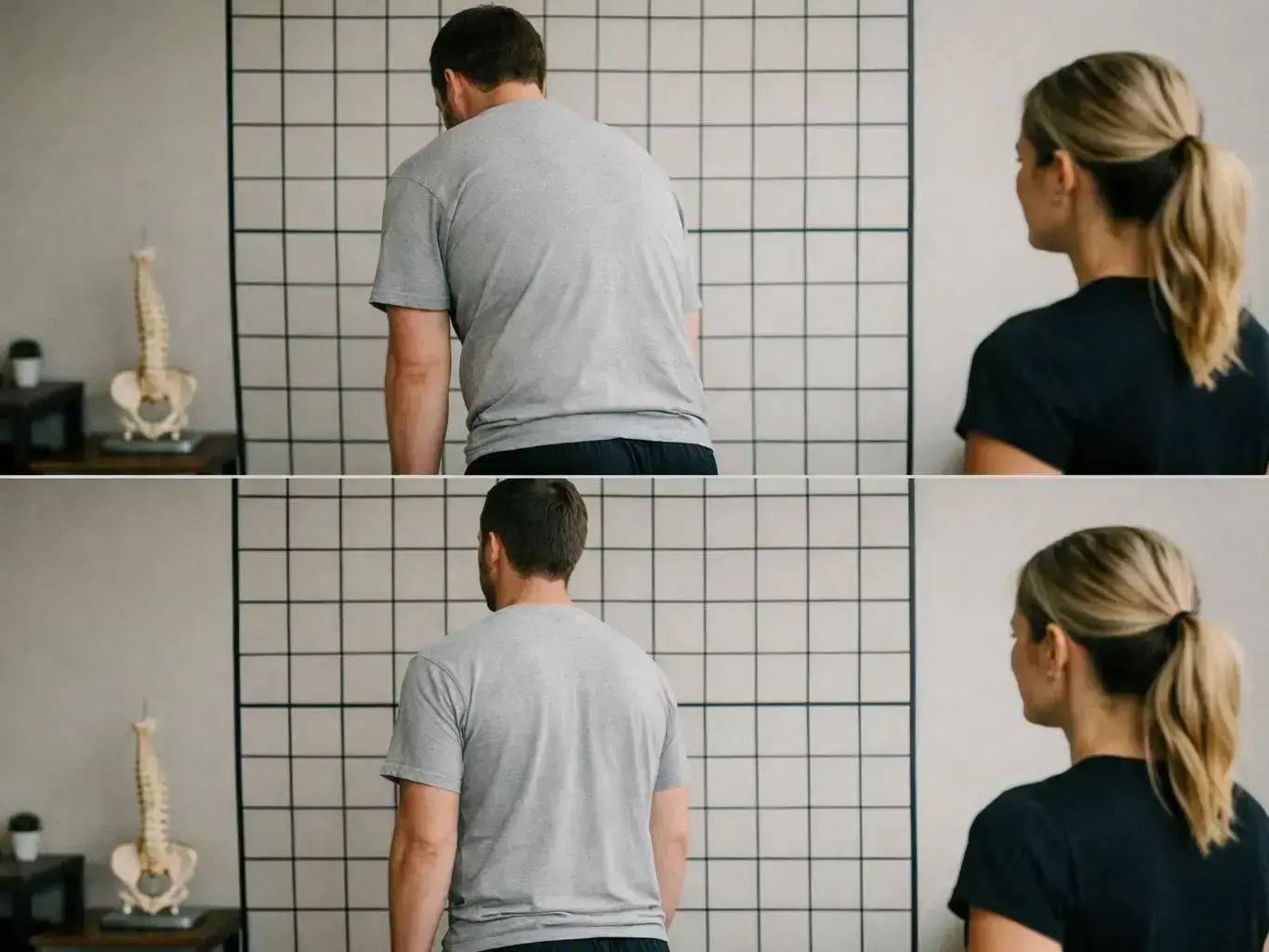
The chiropractor starts with a check-up. They ask about your health and examine you. They might take X-rays or other pictures.

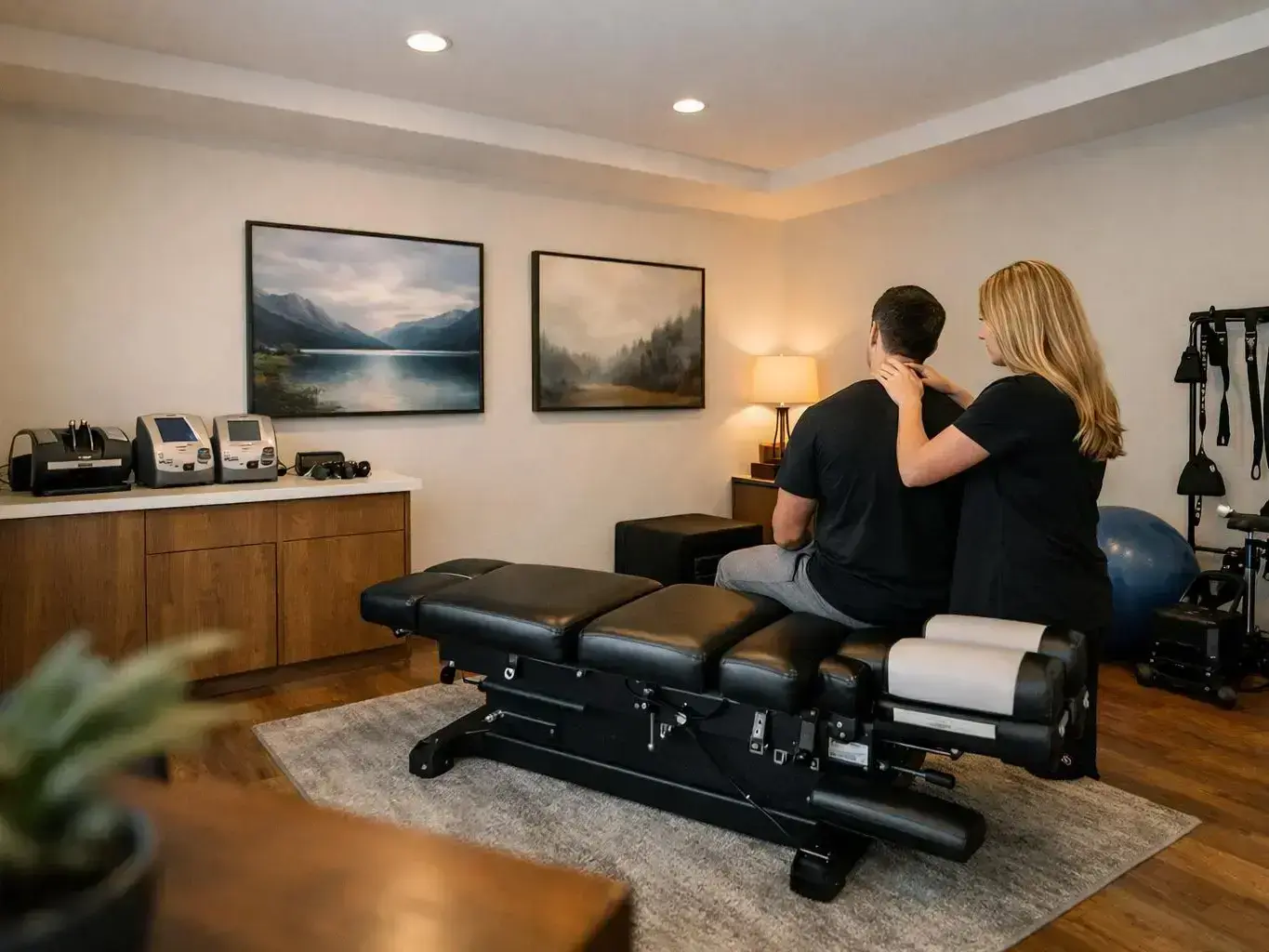
They find joints that don't move right. Or joints that are out of place. You usually lie on a special table for the adjustment.

The chiropractor uses their hands. Or they use a small tool. They push the joint with quick, controlled force.

This helps the joint move normally again. It also puts the joint back in place. It eases pressure on nerves and tissues.

Chiropractors learn many ways to adjust. They pick the best one for you. It depends on your age and how you feel.

Some adjustments are gentle. Others use more force. The chiropractor decides what's best.

Many people feel better right away. Some need a few visits for lasting help. Follow-up care includes tips on posture and exercise.

They may also suggest changes in daily habits. These help you heal faster.

Why Chiropractic Adjustment Matters?
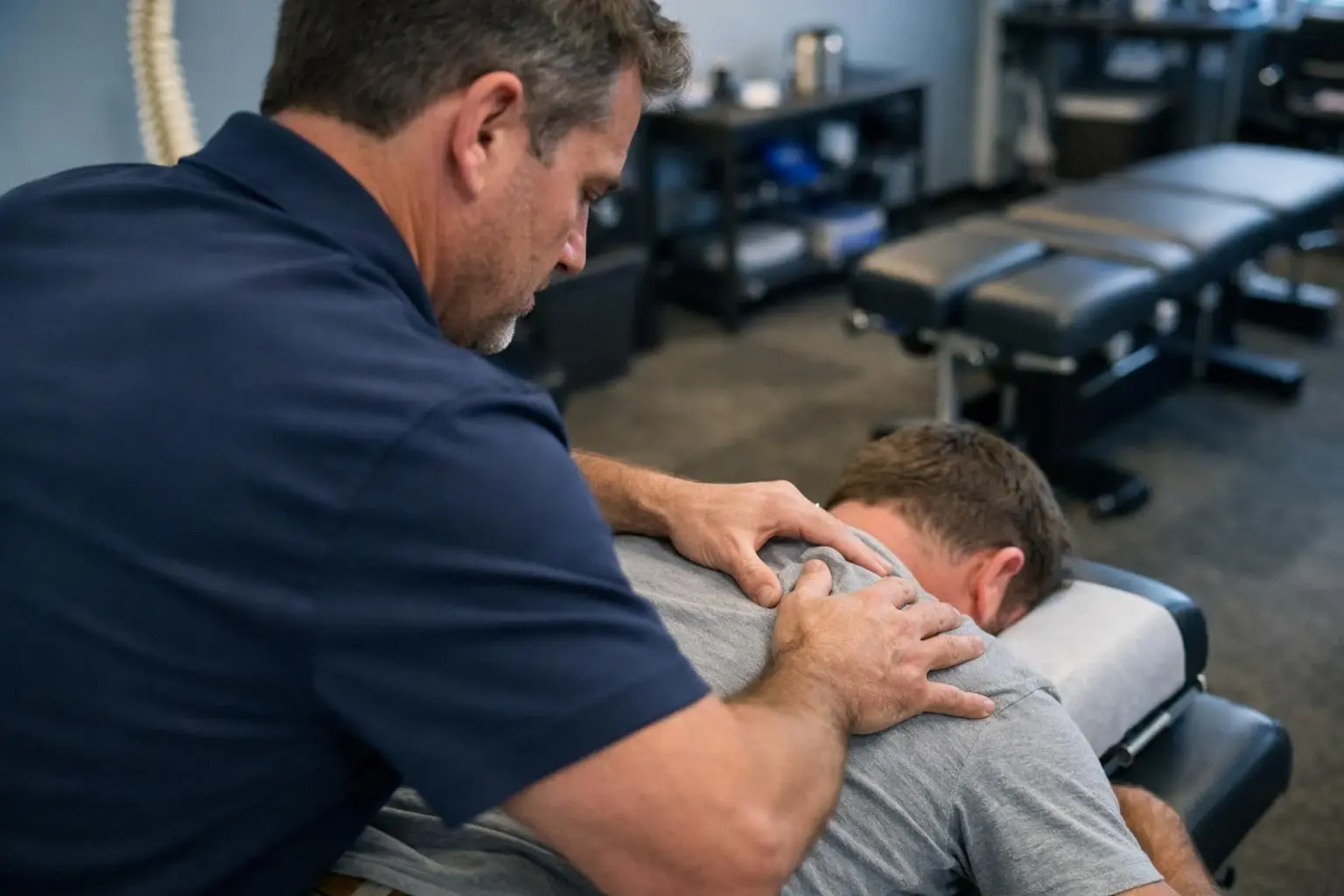
How Chiropractic Adjustment applies to Chiropractor services in Hendersonville, United States—practical illustration

Chiropractic adjustment helps pain without surgery. It also doesn't use drugs. This makes it a safe choice for many.

It can help with back pain, neck pain. And headaches. It also helps stiff joints. Many people like this natural option.

Adjustments can also improve posture. They may help you play sports better. They keep the nervous system working well.

Studies show chiropractic care works for some problems. It helps most with back and neck pain. Many doctors suggest it first for these issues.

It can work with other treatments too. Like physical therapy or massage. This gives a full plan for pain and healing.

Adjustments can help after injuries. Like car accidents or sports injuries. They speed up healing and help you move normally again.

When Chiropractic Adjustment Matters Most?

Chiropractic adjustment helps people with pain. This pain comes from joint problems, tight muscles. Or nerves. It works for short-term or long-term pain.

Common problems treated include back pain. It also helps sciatica (leg pain), neck pain. And headaches. It can help after whiplash injuries too.

People who sit a lot may benefit. So can those who do the same tasks over and over. Or those who play sports or do hard physical work.

Regular chiropractic care can prevent injuries. It keeps the spine healthy.

Adjustments help after accidents. Like car crashes, falls. Or sports mishaps. They help joints that got knocked out of place.

Getting care early can reduce swelling. It can help you move better. It can also stop long-term problems.

People with chronic (long-term) conditions may find relief. Like arthritis or disc problems. Regular adjustments can improve their daily life.

Chiropractic care is safe for most people. But some health problems need extra care. Like severe osteoporosis (weak bones) or nerve pressure.

If you have these, talk to your doctor first. They can help you decide if adjustments are safe for you.

How to Evaluate Chiropractic Adjustment?

Related Concepts Compared

Chiropractic Adjustment vs. Massage Therapy

Massage Therapy focuses on relaxing muscles and improving circulation. While Chiropractic Adjustment targets joint alignment and nervous system function.

Chiropractic Adjustment vs. Physical Therapy

Physical Therapy uses exercises and stretches to strengthen muscles and improve movement. While Chiropractic Adjustment focuses on joint manipulation to restore alignment.

Chiropractic Adjustment vs. Osteopathic Manipulation

Osteopathic Manipulation is performed by doctors of osteopathy (DOs) and may include adjustments similar to chiropractic but also incorporates broader medical training.

Expert Note

Chiropractic Adjustment is not just about cracking joints—it’s a precise, evidence-informed procedure tailored to each patient’s unique spinal mechanics and health goals. Proper assessment and technique selection are key to achieving safe, effective outcomes.

Common Mistakes or Myths About Chiropractic Adjustment

  • Assuming Chiropractic Adjustment is the same as cracking your own back at home—professional adjustments target specific joints with controlled force.
  • Believing adjustments are only for back pain—chiropractors also treat neck, shoulders, knees. And other joints.
  • Expecting instant, permanent results—some conditions require multiple sessions for lasting relief.
  • Thinking adjustments are unsafe—when performed by a licensed professional, they are generally safe and low-risk.
  • Ignoring follow-up care—exercises, posture advice. And lifestyle changes help maintain the benefits of adjustments.

Chiropractic Adjustment in Practice: A Real-World Example

After a minor car accident, a patient experiences neck stiffness and headaches. Their chiropractor performs a series of gentle Chiropractic Adjustments to realign the cervical spine. Within a few sessions, the patient notices reduced pain, improved range of motion. And fewer headaches, allowing them to return to daily activities without discomfort.

Sources & Further Reading on Chiropractic Adjustment

Related Services

Related Terms

Spinal Adjustment

Spinal Adjustment is a hands-on procedure performed by a chiropractor to apply controlled force to a specific joint in the spine. This technique aims to improve spinal motion, reduce nerve irritation. And restore proper alignment, often resulting in decreased pain and improved function. It's a core component of chiropractic care used to address musculoskeletal issues.

Chiropractic Care

Chiropractic Care is a health care profession focused on diagnosing and treating musculoskeletal disorders, primarily through manual adjustments and manipulations of the spine. Chiropractic Care aims to improve joint function, reduce pain. And support the body's natural ability to heal without surgery or medication. It's commonly used for back pain, neck pain, headaches. And injuries from accidents or repetitive strain.

Adjustment

Adjustment is a controlled, manual force applied by a chiropractor to a specific joint in the spine or other body area to improve alignment, reduce pain. And restore normal movement. Adjustments are precise, gentle. And tailored to each patient’s condition, often producing a popping sound as gas releases from the joint.

Herniated Disc

Herniated Disc is a spinal condition where the soft, gel-like center of a spinal disc pushes through a crack in the tougher outer layer, often pressing on nearby nerves. This can cause pain, numbness. Or weakness in the back, neck, arms. Or legs, depending on the disc’s location along the spine.

Advanced Injury Care Clinic

Have Questions About Chiropractic Adjustment?

Contact Advanced Injury Care Clinic for practical guidance on Chiropractic Adjustment and related chiropractor work in Hendersonville.

+1 615-777-0624