Glossary

What is Spinal Adjustment?

Spinal Adjustment is a hands-on procedure performed by a chiropractor to apply controlled force to a specific joint in the spine. This technique aims to improve spinal motion, reduce nerve irritation. And restore proper alignment, often resulting in decreased pain and improved function. It's a core component of chiropractic care used to address musculoskeletal issues.

Reviewed by Advanced Injury Care ClinicSources reviewed: American Chiropractic Association, National Center for Complementary and Integrative Health (NCCIH)

Quick Facts About Spinal Adjustment

Category

Chiropractic technique

Used for

Back pain, neck pain, headaches, joint dysfunction

Common confusion

Often confused with general spinal manipulation, which is less precise

Also called

Chiropractic Adjustment, Spinal Manipulation

Often discussed with

Car Accident Injury Treatment, Neck Pain Treatment

Key Takeaways About Spinal Adjustment

Understanding Spinal Adjustment
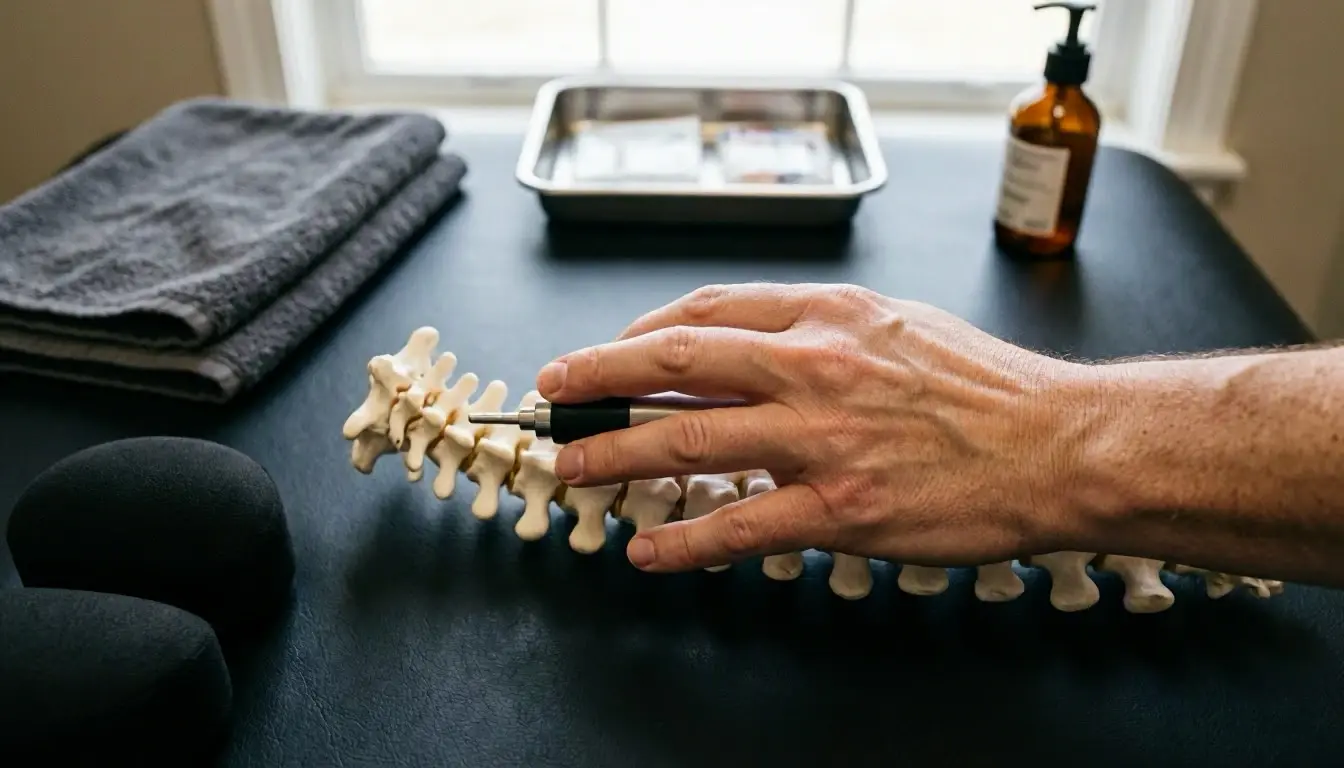
Spinal Adjustment in Chiropractor: Spinal Adjustment is a hands-on procedure performed by a chiropractor to apply—visual g...

A spinal adjustment is a quick, careful move. A chiropractor (a back doctor) does it. They fix bones in your spine that are out of place.

Related glossary terms: Chiropractic Adjustment, Chiropractic Care, Herniated Disc.

These out-of-place bones are called subluxations (misaligned bones). They can hurt nerves. They can make muscles tight. They can cause pain or make it hard to move.

During an adjustment, the chiropractor pushes a bone fast. They use their hands or a small tool. This helps the bone move back to the right spot.

This can help your spine move better. It can also stop nerves from hurting. Some people hear a pop during an adjustment.

Not all adjustments make a pop. The pop is just gas leaving the joint. It sounds like cracking your knuckles.

The pop doesn’t mean the adjustment worked. The real goal is to help you feel better. Most people feel better right away or after a few visits.

How Spinal Adjustment Works?

Your spine has 24 bones. They stack on top of each other. Nerves come out between each bone.

If a bone moves wrong, it can hurt a nerve. This can cause pain, swelling. Or muscle cramps. A spinal adjustment helps fix this.

The chiropractor gives a quick push to the bone. This helps it move back where it belongs. It takes pressure off the nerves.

Then the muscles can relax. Chiropractors learn how to find which bones need help. They may check your spine or look at X-rays.

They also ask about your pain. The adjustment is fast. It may be done with other treatments like stretching.

These can help you heal faster. The push is strong but safe. Only trained chiropractors should do adjustments.

Why Spinal Adjustment Matters?
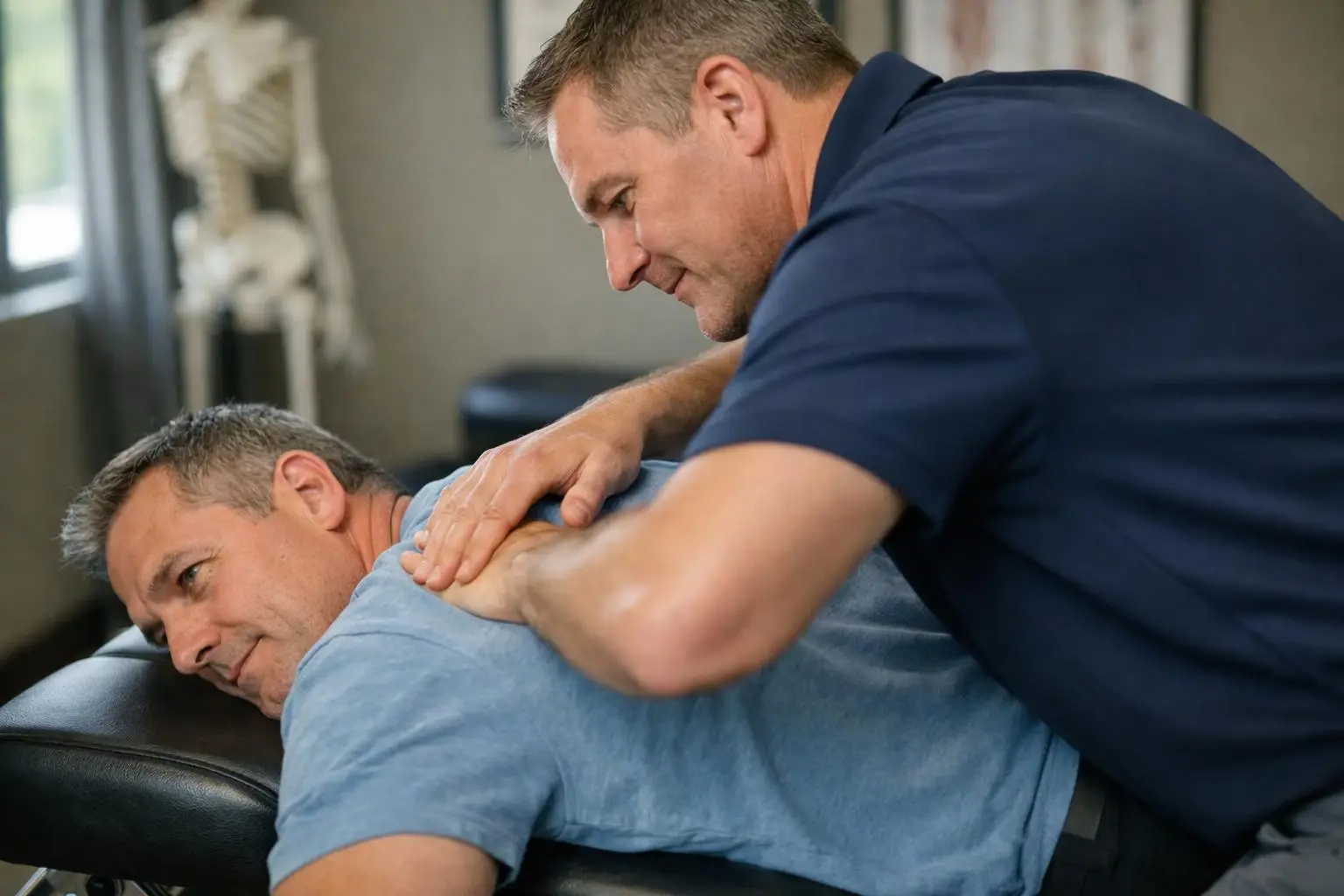
How Spinal Adjustment applies to Chiropractor services in Hendersonville, United States—practical illustration

Spinal adjustments help with pain. They can help you move better. They don’t use medicine or surgery.

Many people use them for back pain. They also help with stiff necks or headaches. Bad posture, injuries. Or stress can cause these problems.

Adjustments help your spine work right. This helps your body heal itself. It can stop long-term pain or joint damage.

This is good for people who don’t want medicine. It’s also good for those who don’t want surgery. Adjustments may help your whole body too.

Nerves run from your spine to every part. If your spine is healthy, nerves work better. This helps your brain talk to your body.

Some people sleep better after adjustments. Some have more energy. Some even get sick less often.

When Spinal Adjustment Matters Most?

Adjustments help people with sudden or long-term pain. This pain comes from bones that moved wrong.

They help after car crashes or sports injuries. They help after falls too. These can knock bones out of place.

They also help with pain from bad posture. They help if you sit at a desk all day. They help if you lift heavy things at work.

People with headaches or stiff joints can feel better. So can people with sciatica (leg pain). But adjustments aren’t for everyone.

People with weak bones or broken spines should not get them. People with some nerve problems should ask a doctor first.

The chiropractor will check your health. They’ll see if adjustments are safe for you. For most people, they’re safe and help a lot.


How to Evaluate Spinal Adjustment?

Related Concepts Compared

Spinal Adjustment vs. Spinal Manipulation

Spinal manipulation is a broader term that includes any manual therapy to the spine. While spinal adjustment is a specific, targeted technique used by chiropractors to correct joint misalignments.

Spinal Adjustment vs. Massage Therapy

Massage therapy focuses on relaxing muscles and improving circulation. While spinal adjustment targets joint alignment and nerve function in the spine.

Expert Note

Spinal adjustments are most effective when combined with other therapies like exercise or posture correction. The best results come from addressing the root cause of pain, not just the symptoms.

Common Mistakes or Myths About Spinal Adjustment

  • Assuming all spinal adjustments are the same—techniques vary by provider and patient needs.
  • Expecting immediate results after one session—some conditions require multiple visits.
  • Confusing spinal adjustment with cracking your own back, which can cause injury.
  • Believing adjustments are only for back pain—they can also help with neck pain, headaches. And joint issues.

Spinal Adjustment in Practice: A Real-World Example

After a rear-end car collision, a patient develops neck pain and stiffness. Their chiropractor performs a spinal adjustment to realign the cervical vertebrae, reducing nerve irritation and restoring normal movement. Within a few sessions, the patient’s pain decreases. And they regain full range of motion in their neck.

Related Services

Related Terms

Chiropractic Adjustment

Chiropractic Adjustment is a precise manual procedure performed by a licensed chiropractor to restore proper joint motion and alignment, primarily in the spine. Chiropractic Adjustments use controlled force, direction. And speed to improve function, reduce nerve irritation. And relieve pain without surgery or medication. The technique targets specific joints that show restricted movement or misalignment.

Chiropractic Care

Chiropractic Care is a health care profession focused on diagnosing and treating musculoskeletal disorders, primarily through manual adjustments and manipulations of the spine. Chiropractic Care aims to improve joint function, reduce pain. And support the body's natural ability to heal without surgery or medication. It's commonly used for back pain, neck pain, headaches. And injuries from accidents or repetitive strain.

Herniated Disc

Herniated Disc is a spinal condition where the soft, gel-like center of a spinal disc pushes through a crack in the tougher outer layer, often pressing on nearby nerves. This can cause pain, numbness. Or weakness in the back, neck, arms. Or legs, depending on the disc’s location along the spine.

Nerve Compression

Nerve Compression is a condition where a nerve is squeezed or pressed by surrounding tissues like bones, muscles, tendons. Or discs. This pressure disrupts the nerve’s normal function, causing pain, tingling, numbness. Or weakness in the affected area. Nerve Compression often occurs in the spine, wrists. Or elbows and can result from injury, repetitive motion. Or poor posture.

Advanced Injury Care Clinic

Have Questions About Spinal Adjustment?

Contact Advanced Injury Care Clinic for practical guidance on Spinal Adjustment and related chiropractor work in Hendersonville.

+1 615-777-0624