Understanding Adjustment

An adjustment is a key part of chiropractic (back and joint) care. It's also called spinal manipulation. The chiropractor uses quick, controlled force on a joint.
Related glossary terms: Chiropractic Adjustment, Spinal Manipulation, Herniated Disc.
Most adjustments are done on the spine. They help joints move and work better. The goal is to fix misalignments (parts not in the right place).
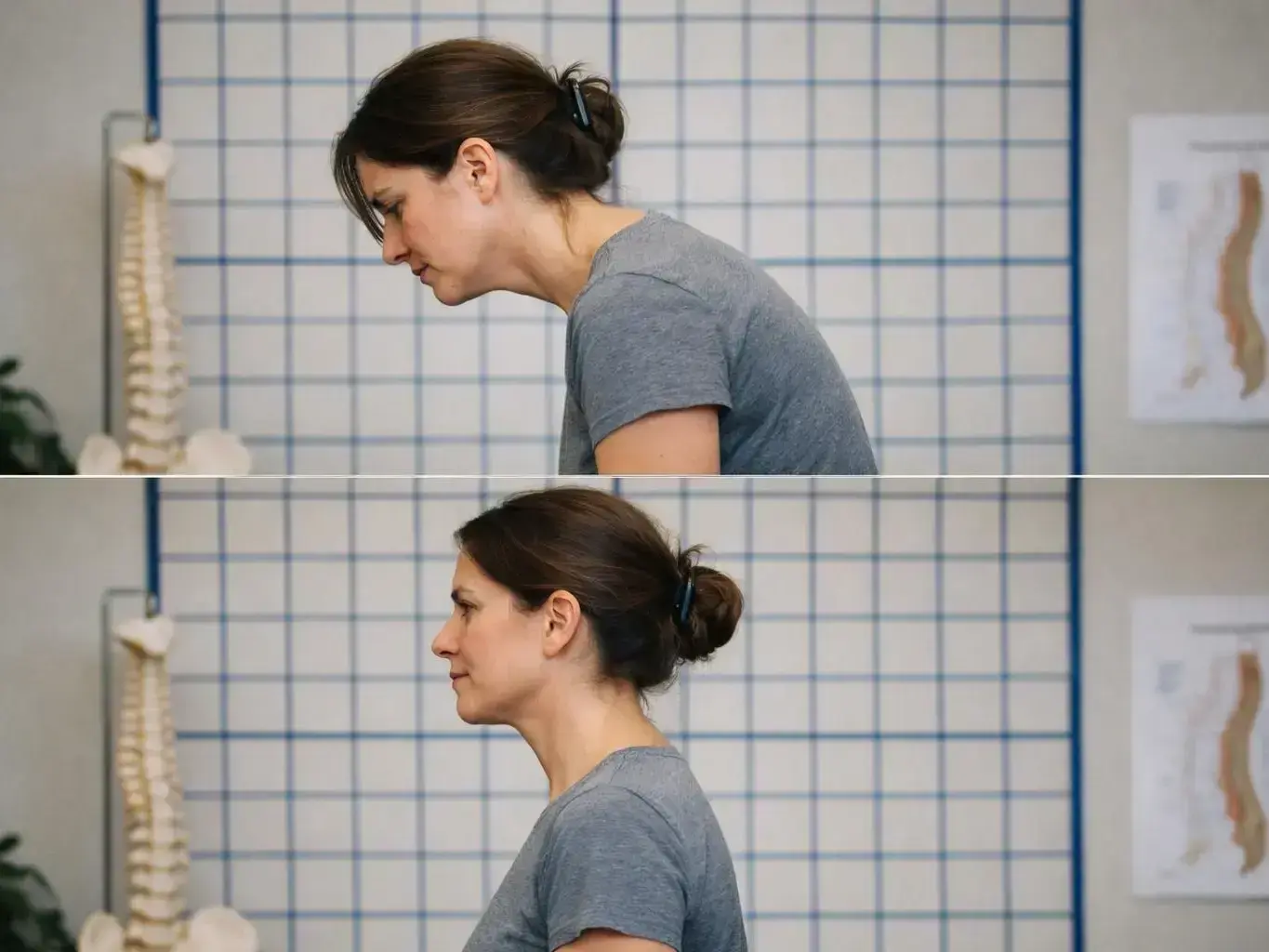
Misalignments can cause pain or stiffness. They can also limit how much you can move. Chiropractors may adjust shoulders, hips, knees. And other joints too.
How Adjustment Works?
The idea is simple. When your body is aligned (lined up right), your nerves work better. This helps your whole body stay healthy.
Adjustments don't hurt. Some people feel mild soreness after. It's like how you feel after exercise.
A popping sound may happen. This is called cavitation (a harmless noise). Tiny gas bubbles pop in the joint fluid.
The chiropractor checks your spine or joint first. They look for parts that don't move right. They also check for misalignments.
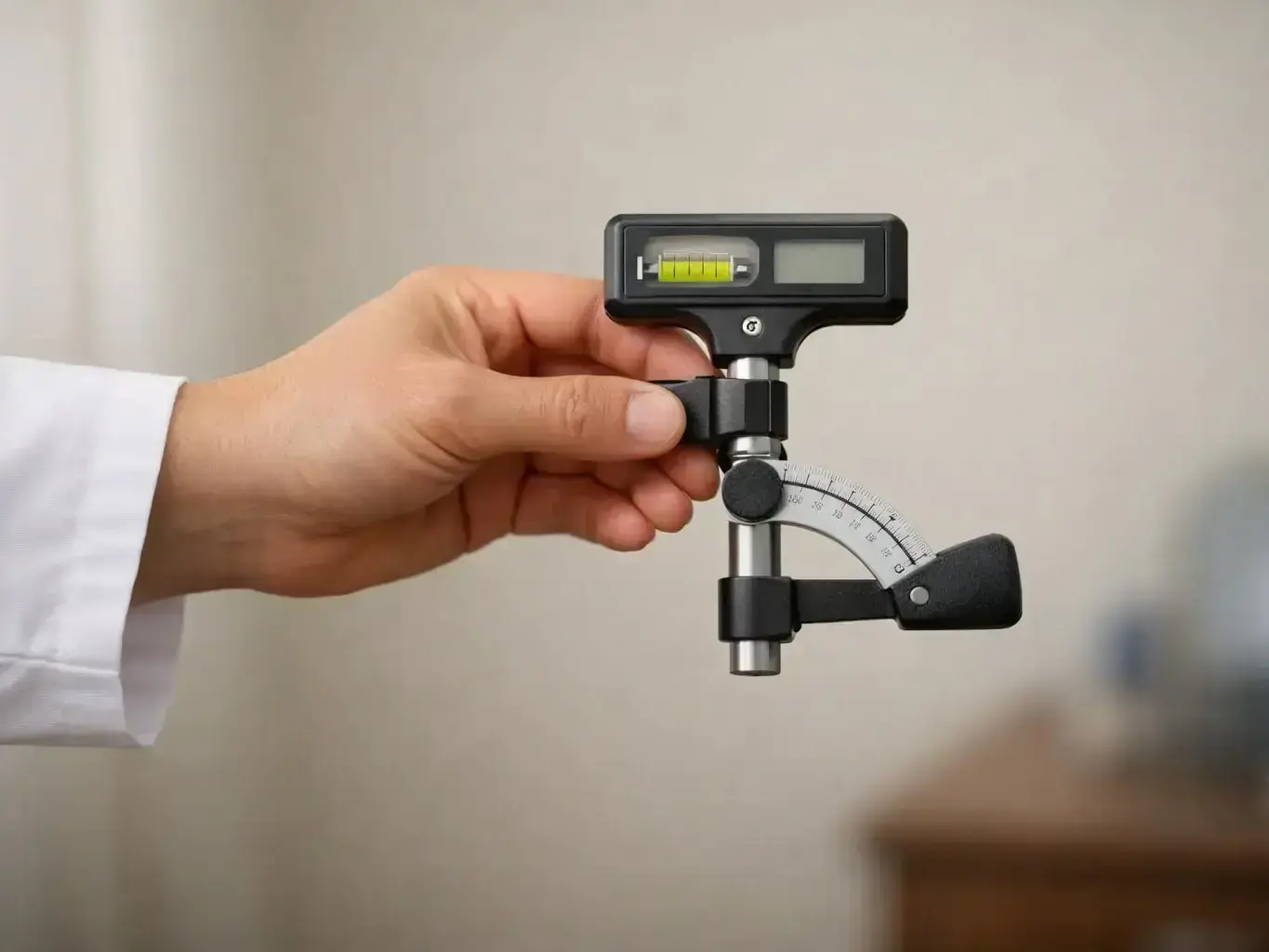
You'll lie on a special table. The chiropractor uses their hands or a small tool. They push quick and hard on the joint.
This helps the joint move better. It puts the joint back in the right place. The push lasts just a few seconds.
The whole visit takes 15 to 30 minutes. Some methods use gentle stretching. Others use a quick thrust (push).
The method depends on your age and health. It also depends on your problem. Older people may get a lighter touch.
People with osteoporosis (weak bones) get gentle care too. Younger, healthy people may get a stronger push.
Studies show adjustments help. They can ease pain and help joints move better. They can also lower swelling.
They may help your nerves work better. This can help your body heal faster. Most people can have adjustments safely.
But chiropractors check for risks first. They look for weak bones or nerve problems. They avoid risks this way.
Why Adjustment Matters?
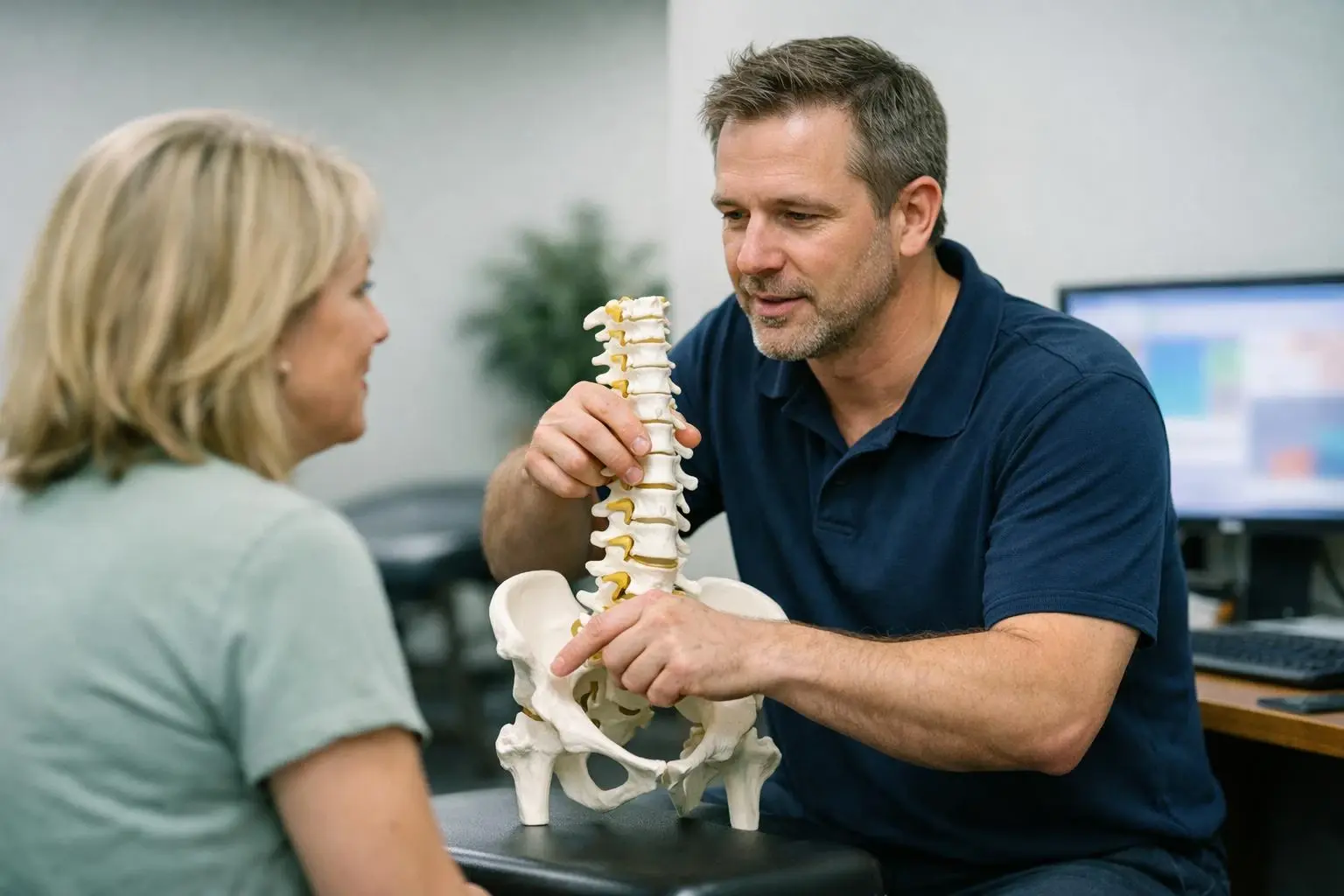
Adjustments help without drugs or surgery. They manage pain and help you move better. Many people use them for back or neck pain.
They also help with headaches or joint problems. These can come from injuries or bad posture. They can also come from doing the same thing over and over.
Pain pills only hide symptoms. Adjustments fix the real problem. They help joints work right again.
This can give long-term relief. It can lower the need for surgery or pills. Adjustments also help prevent problems.
Regular visits keep your body aligned. They lower wear and tear on joints. They stop small problems from getting worse.
Athletes or people with hard jobs benefit too. Adjustments help them perform better. They also lower injury risk.
Even people without pain can benefit. Adjustments help keep them healthy. They help with overall well-being.
When Adjustment Matters Most?
Adjustments help most when pain or stiffness gets in the way. They help after car accidents or sports injuries.
They also help after a slip or fall. People with sciatica (nerve pain) or herniated discs (bulging discs) get relief too.
Arthritis (joint swelling) patients benefit as well. Adjustments help if you sit too long. They help if you lift heavy things.
They also help with repetitive motions at work. These can hurt your spine and joints.
Some signs show you may need an adjustment. These include back or neck pain that won't go away.
Frequent headaches can be a sign too. So can numbness or tingling in arms or legs. Limited movement is another sign.
If you have these signs, see a chiropractor. They can tell if an adjustment will help. Adjustments are safe for most people.
But some people shouldn't have them. This includes people with very weak bones. It also includes people with spine infections.
Some cancer patients shouldn't have them either. The chiropractor will check your health first. Then they'll suggest the best treatment.