Understanding Spinal Decompression
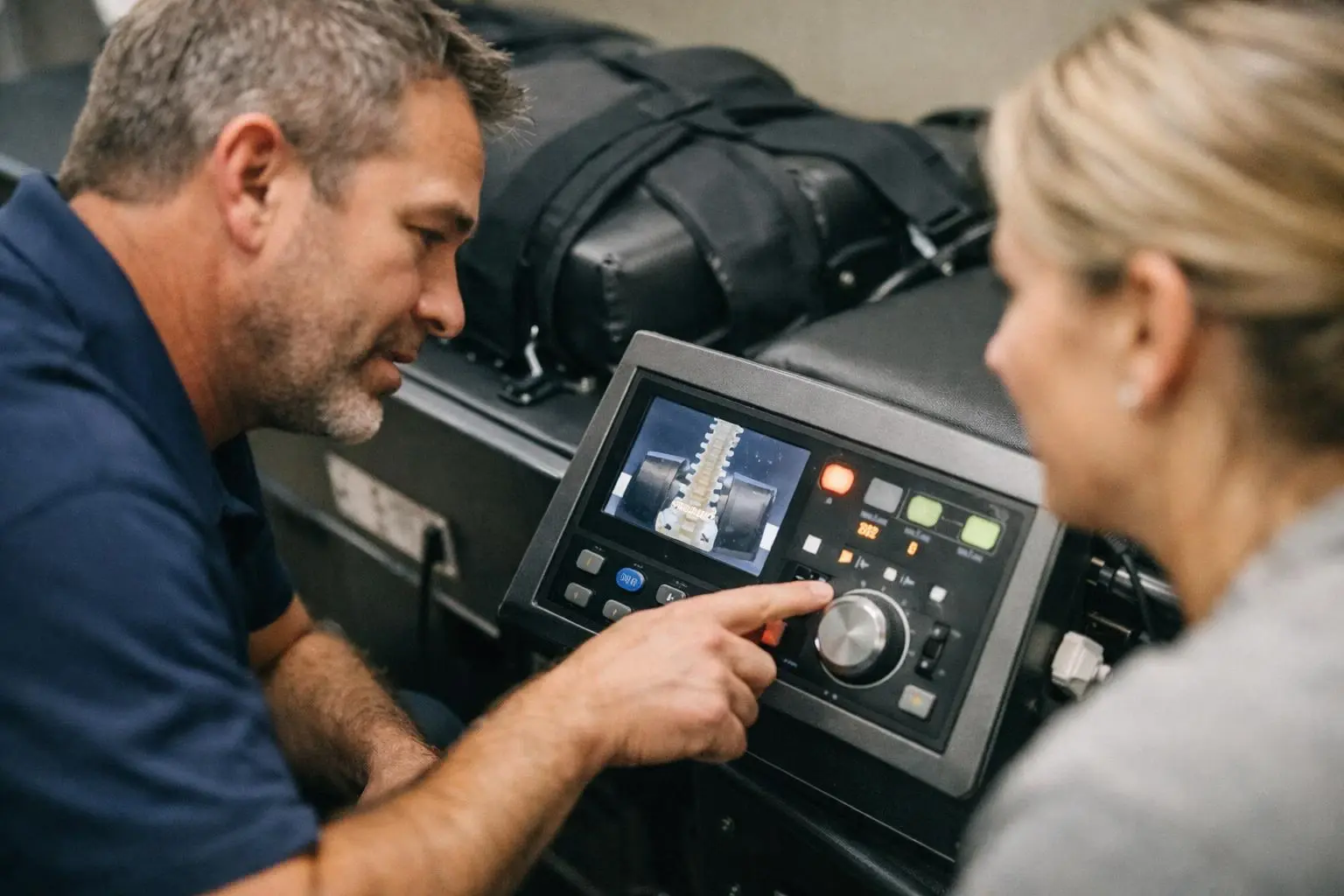
Spinal Decompression is a type of therapy used to treat pain and discomfort caused by pressure on the spine. This pressure often comes from conditions like herniated discs, bulging discs. Or spinal stenosis, where the space between vertebrae narrows and compresses nerves. Unlike surgery, which physically removes or alters parts of the spine, spinal decompression works by gently stretching the spine to create more space. This stretching helps reduce pressure on spinal discs and nerves, allowing the body to heal naturally.
Related glossary terms: Herniated Disc, Nerve Compression, Chiropractic Care.
The spine is made up of vertebrae, discs, nerves. And other tissues. The discs act like cushions between the vertebrae, absorbing shock and allowing movement. When a disc herniates or bulges, it can press on nearby nerves, causing pain, numbness. Or weakness in the back, neck, arms. Or legs. Spinal decompression aims to relieve this pressure by creating a negative pressure within the disc, which can help the herniated material retract and reduce nerve irritation. This process also encourages the flow of oxygen, water. And nutrients into the disc, supporting healing and reducing inflammation.
How Spinal Decompression Works?
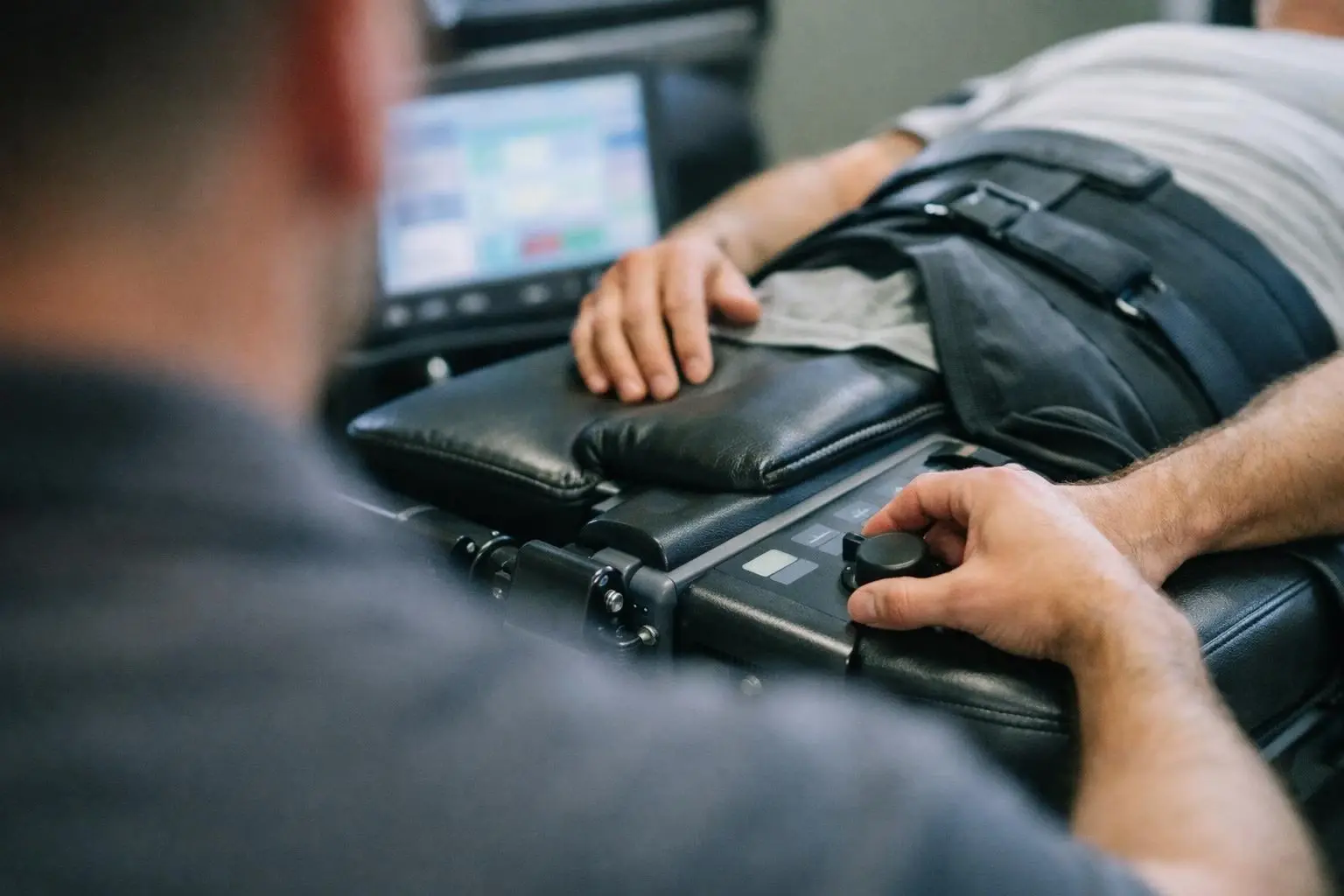
Spinal Decompression is typically performed using a motorized table or device controlled by a trained professional. The patient lies on the table, usually face up or face down, depending on the area being treated. A harness is placed around the hips or trunk to secure the patient. And the table is programmed to apply a gentle, controlled stretch to the spine. The stretch is not constant; instead, it alternates between pulling and relaxing to avoid muscle spasms or resistance. Each session usually lasts 20 to 45 minutes. And a full treatment plan may include 15 to 30 sessions over several weeks.
The goal of spinal decompression is to create a vacuum effect within the spinal disc. This negative pressure helps pull herniated or bulging disc material back into place, reducing pressure on nerves. It also promotes the movement of fluids, nutrients. And oxygen into the disc, which is essential for healing. While the treatment is often used for lower back pain, it can also be applied to the neck (cervical spine) to address issues like cervical radiculopathy or degenerative disc disease. The process is painless for most patients. Though some may feel a mild stretching sensation during the session.
Spinal decompression is often combined with other therapies, such as chiropractic adjustments, physical therapy. Or cold/heat therapy, to boost results. For example, a patient might receive spinal decompression followed by exercises to strengthen the muscles supporting the spine. This multi-faceted approach helps address the root cause of pain while improving overall spinal health. It’s important to note that spinal decompression is not a quick fix; it requires consistency and patience to achieve lasting relief.
Why Spinal Decompression Matters?
Spinal decompression matters because it offers a non-invasive alternative to surgery for people suffering from chronic back or neck pain. Surgery can be expensive, risky. And require lengthy recovery times. While spinal decompression is generally safe, affordable. And has little to no downtime. For many patients, it provides significant pain relief and improves mobility, allowing them to return to daily activities without relying on pain medications. That means especially important for individuals who want to avoid the side effects or dependency risks associated with long-term medication use.
Beyond pain relief, spinal decompression can help prevent further damage to the spine. When spinal discs are compressed, they can degenerate faster, leading to conditions like osteoarthritis or permanent nerve damage. By reducing pressure on the discs, spinal decompression supports the spine’s natural healing processes and may slow down degeneration. This can improve long-term outcomes for patients, particularly those with conditions like degenerative disc disease or spinal stenosis, where disc health is a major concern.
When Spinal Decompression Matters Most?
Spinal decompression matters most for individuals who have not found relief from traditional treatments like medication, physical therapy. Or chiropractic adjustments. It's particularly beneficial for those with herniated or bulging discs, sciatica. Or spinal stenosis, where nerve compression is a primary issue. Patients who experience radiating pain, numbness. Or weakness in their arms or legs due to nerve pressure often see significant improvement with spinal decompression. But it’s not suitable for everyone; people with certain conditions, such as severe osteoporosis, spinal fractures. Or tumors, may not be candidates for this therapy.
Spinal decompression is also valuable for individuals who want to avoid surgery or are not eligible for surgical interventions due to health risks. For example, older adults or those with chronic illnesses may not tolerate surgery well, making non-surgical options like spinal decompression a safer choice. And athletes or active individuals who want to recover quickly from spinal injuries may benefit from this therapy, as it promotes healing without the downtime associated with surgery. In Hendersonville, TN, where outdoor activities and physically demanding jobs are common, spinal decompression can help residents maintain an active lifestyle while managing spinal health.