Understanding Flexion-Distraction Technique

Flexion-Distraction Technique is a chiropractic approach designed to relieve pain and restore function in the spine. Unlike traditional spinal adjustments that use quick thrusts, this method relies on slow, controlled stretching motions. A specially designed table gently flexes and distracts the spine, creating negative pressure within the spinal discs. This helps retract herniated or bulging disc material, reducing irritation on nearby nerves. The technique is particularly useful for patients who experience discomfort with more forceful manipulations or who have conditions that make standard adjustments risky.
Related glossary terms: Spinal Decompression, Herniated Disc, Chiropractic Adjustment.
The goal of Flexion-Distraction Technique is to improve spinal motion, reduce inflammation. And promote healing. It's often recommended for conditions like herniated discs, degenerative disc disease, sciatica. And spinal stenosis. Because the movements are gradual and controlled, the technique is considered safe for most patients, including those with osteoporosis or older adults. Chiropractors trained in this method customize the angle, rhythm. And duration of each session to match the patient’s specific condition and comfort level.
How Flexion-Distraction Technique Works?
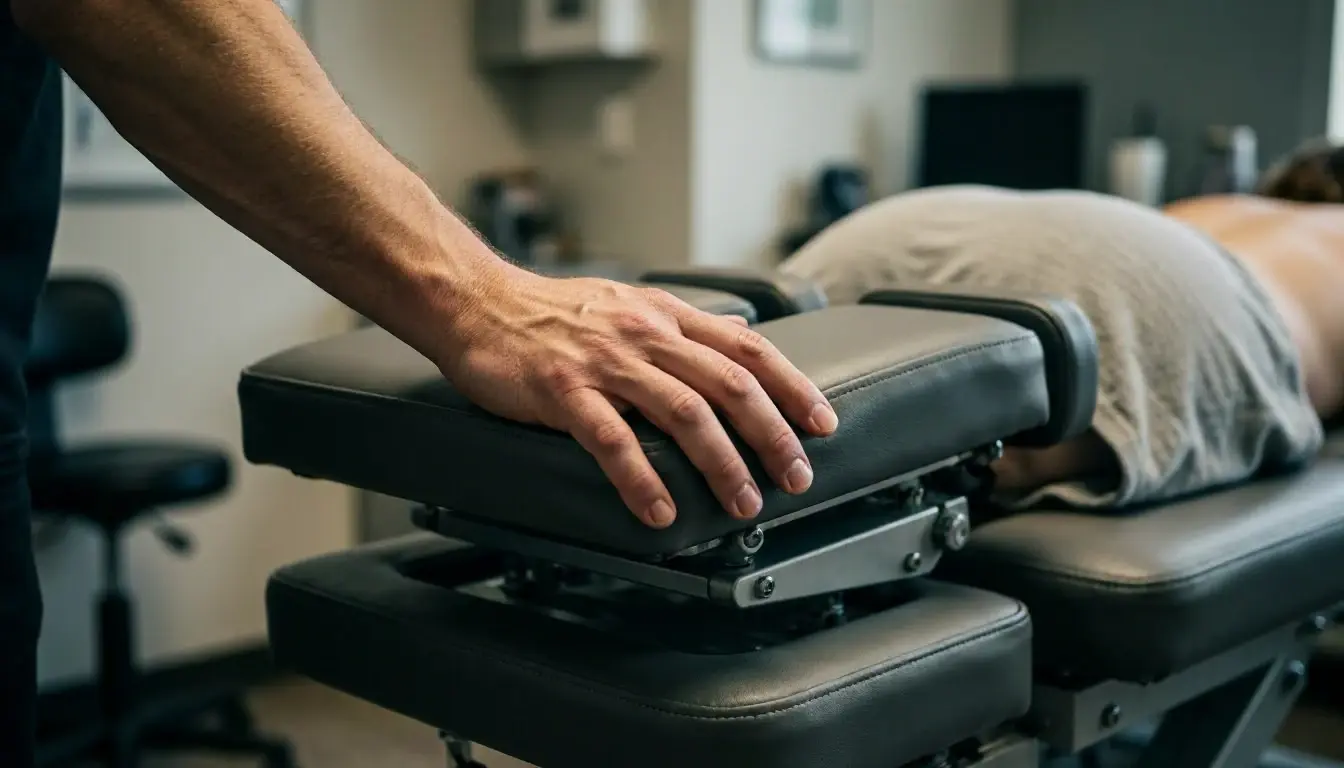
The technique begins with the patient lying face down on a specialized chiropractic table. The table has separate sections for the upper body and lower body, which move independently. The chiropractor secures the patient’s pelvis and lower back, then slowly flexes the table in a rhythmic motion. This creates a pumping effect on the spinal discs, encouraging fluid exchange and nutrient delivery to the affected area. The distraction component gently pulls the spine apart, increasing space between vertebrae and reducing pressure on compressed nerves.
For local customers, During the session, the chiropractor may combine the table movements with manual pressure on specific spinal segments. This helps target the exact area of concern, such as a bulging disc or stiff joint. Each session typically lasts 10 to 15 minutes, with multiple sessions often recommended for optimal results. The result is patients usually experience a gentle stretching sensation but should not feel sharp pain. The technique is designed to be comfortable, even for those with acute pain or sensitivity.
Why Flexion-Distraction Technique Matters?
Flexion-Distraction Technique offers a non-surgical alternative for managing spinal pain and dysfunction. For patients with herniated discs or sciatica, it can reduce the need for invasive procedures like injections or surgery. The technique also helps improve spinal flexibility, which can boost overall mobility and reduce the risk of future injuries. Because it avoids forceful thrusts, it is a preferred option for patients who are hesitant about traditional chiropractic adjustments or who have conditions that limit their ability to tolerate them.
Beyond pain relief, the technique supports long-term spinal health by promoting better disc hydration and nutrient exchange. Healthy discs act as shock absorbers, protecting the spine during daily activities. When discs become dehydrated or damaged, they lose their ability to cushion the vertebrae, leading to pain and stiffness. Flexion-Distraction Technique helps restore disc function, allowing patients to return to activities they may have avoided due to discomfort.
When Flexion-Distraction Technique Matters Most?
Flexion-Distraction Technique is most beneficial for patients with specific spinal conditions that involve disc or nerve irritation. Common scenarios include herniated or bulging discs, sciatica, spinal stenosis. And degenerative disc disease. It is also useful for patients recovering from minor spinal injuries or those experiencing chronic back pain that has not responded to other treatments. The technique is particularly valuable for individuals who can't tolerate more aggressive forms of spinal manipulation, such as older adults or those with osteoporosis.
Patients who experience radiating pain, numbness. Or tingling in their arms or legs may also benefit from this technique. These symptoms often indicate nerve compression, which Flexion-Distraction Technique can help alleviate by creating space in the spine. And the technique is frequently used as part of a broader treatment plan that includes exercises, posture correction. And lifestyle modifications to support long-term spinal health. Chiropractors may recommend it alongside other therapies to address the root cause of pain rather than just masking symptoms.