Understanding Decompression Therapy
Decompression Therapy helps with back pain. It treats problems in the spine. These problems cause pain, numbness. Or weakness.
Related glossary terms: Herniated Disc, Chiropractic Adjustment, Spinal Manipulation.
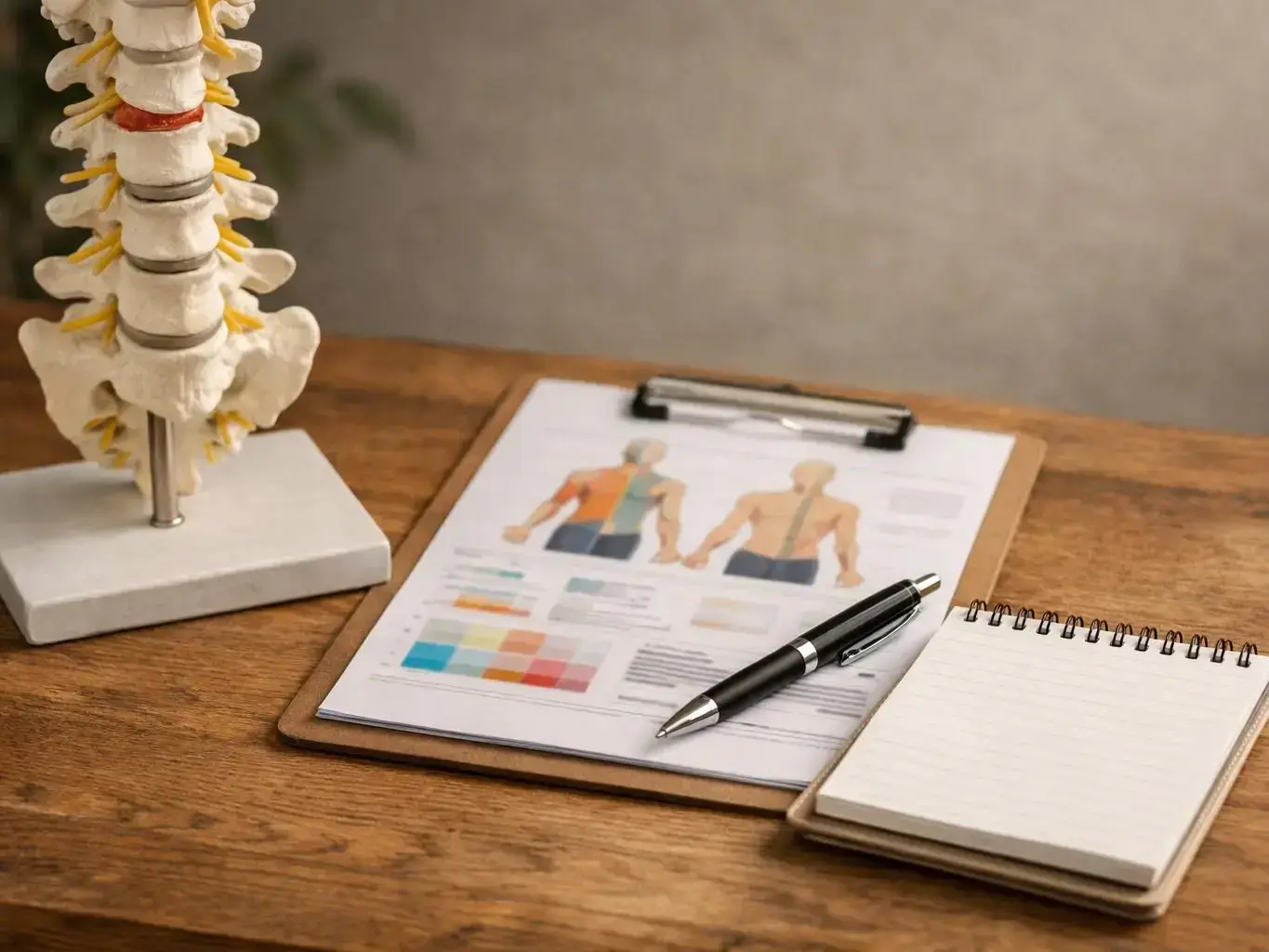
The spine holds up your body. It also protects your spinal cord (nerves inside your back). But injuries or getting older can squeeze the spinal discs. This squeeze can hurt nerves.
This can cause problems like herniated discs (bulging discs). It can also cause sciatica (leg pain). Or degenerative disc disease (worn-out discs).
Decompression Therapy stretches the spine gently. This creates space inside the discs. The space pulls bulging discs back in. It takes pressure off nerves.
This lets oxygen, water. And nutrients flow in. These help the discs heal.
How Decompression Therapy Works?
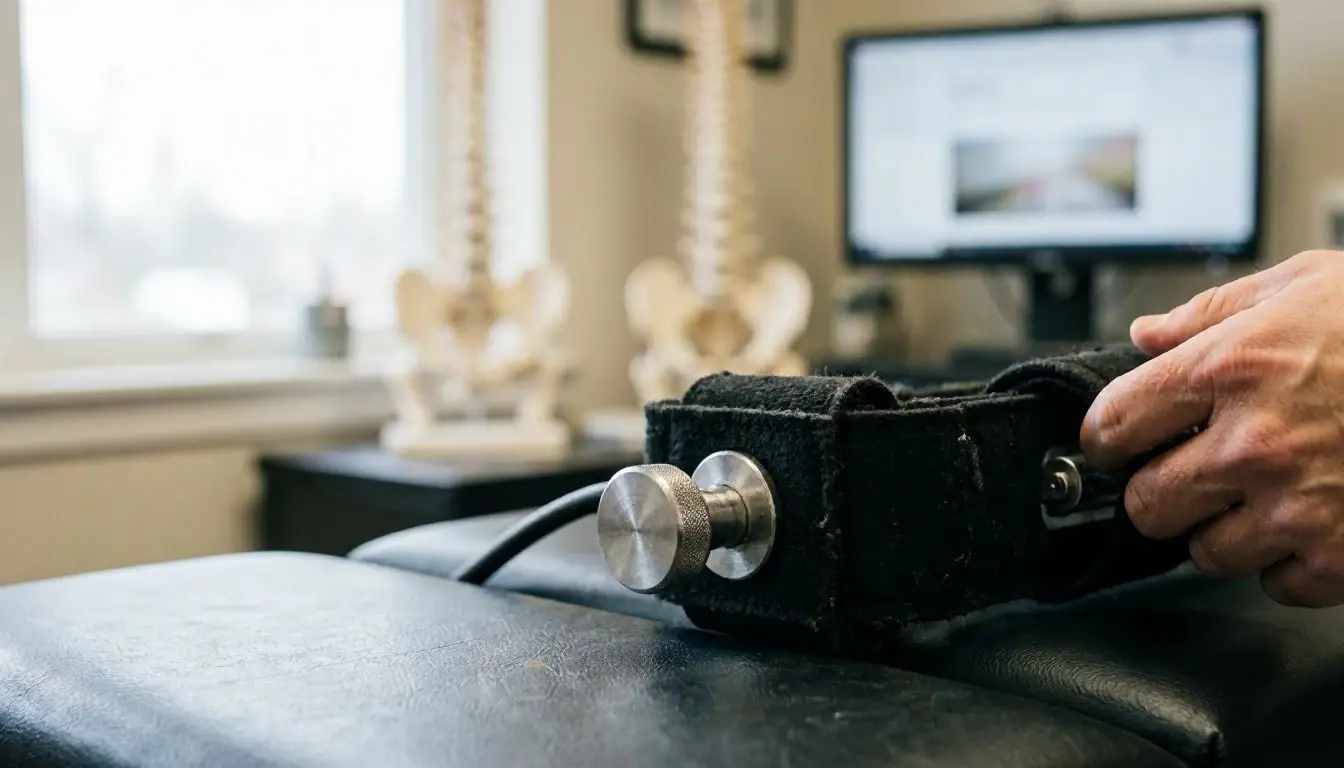
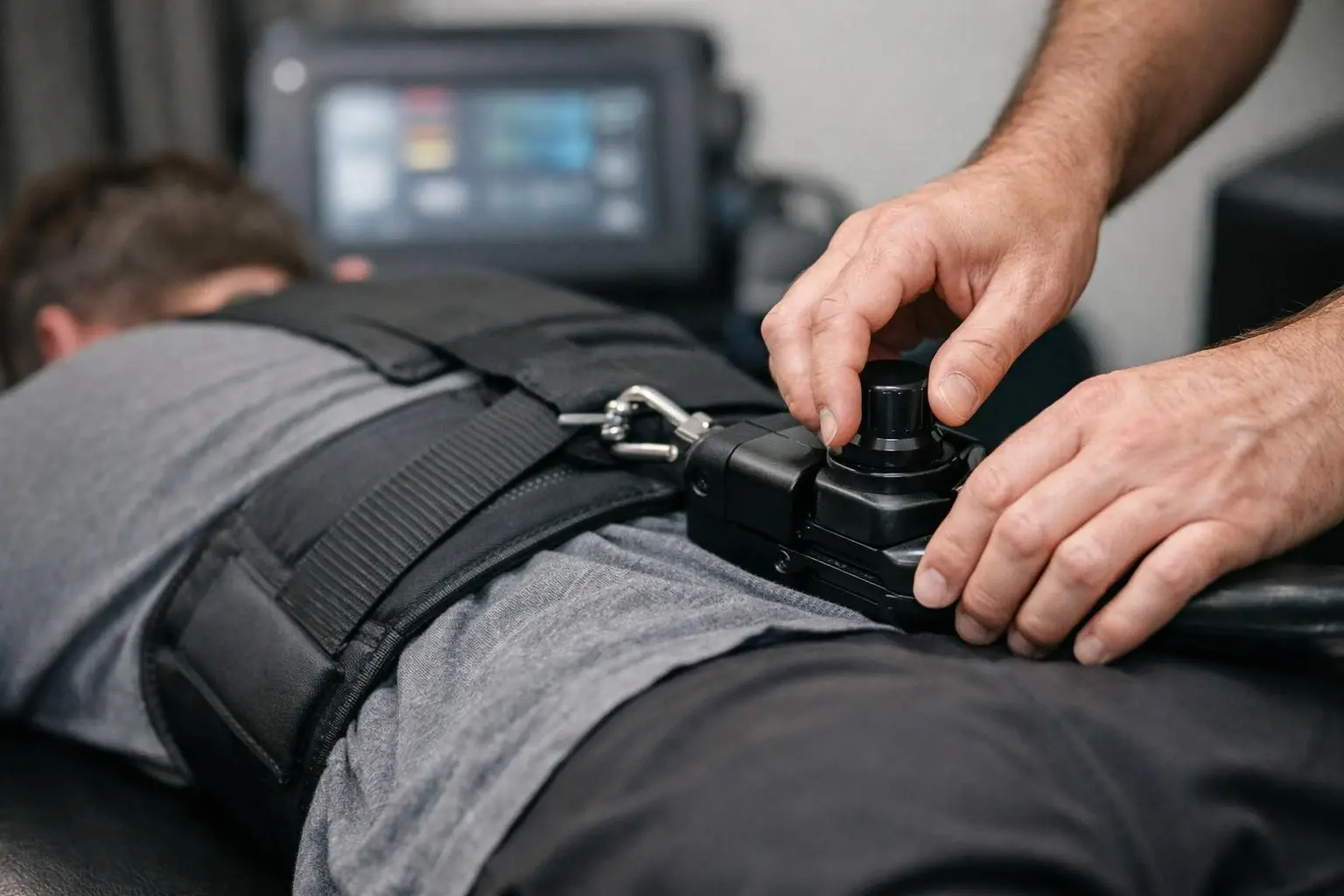
A machine does the therapy. It pulls the spine in a controlled way. A chiropractor (back doctor) sets the machine.
They pick settings based on your problem. This makes sure the stretch is safe. It also makes sure it works.
Other traction pulls all the time. But this therapy pulls, then rests. This stops muscle cramps. It lets the spine get used to it.
You lie on your back or stomach. Straps keep you in place. This keeps you comfortable.
The therapy makes space between bones. This takes pressure off discs and nerves. You lie on a table. Straps go around your hips and chest.
The table pulls your spine gently. It pulls, then rests. This helps discs heal. It lets nutrients and fluids in.
The pull depends on your weight and problem. A herniated disc needs one setting. Sciatica (leg pain) needs another. Neck pain needs a different one.
Each session lasts 15 to 30 minutes. A full plan has 10 to 20 sessions. These happen over a few weeks.
Pain goes down slowly. Moving gets easier. Discs heal and nerves feel better. Many people feel much better. They don’t need surgery or pills.
- Gentle pull stretches the spine. This helps nerves.
- The pull sucks bulging discs back in.
- Nutrients and oxygen get in. This helps healing.
- Sessions don’t hurt. Each one fits your problem.
Why Decompression Therapy Matters?
This therapy helps without surgery. Many people with back pain have few choices. They can take pills, try therapy. Or get surgery.
Decompression Therapy is another choice. It fixes the cause of pain. It takes pressure off nerves. It helps the body heal.
This avoids surgery risks. It also avoids long recovery. And it costs less.
Another good thing is it helps daily life. Back pain makes sitting hard. It makes standing hard. It even makes sleeping hard.
This therapy takes pressure off nerves. It lets you move better. It also cuts down on pain pills.
For many, this means going back to work. It means doing hobbies again. It means exercising without pain.
Most people can try it safely. Even those who can’t have surgery.
When Decompression Therapy Matters Most?
This therapy helps certain back problems. It works best for herniated discs (bulging discs). It also helps sciatica (leg pain).
It helps degenerative disc disease (worn-out discs). And spinal stenosis (narrow spine). These come from aging, injuries. Or stress.
It can help if other treatments don’t work. Like therapy, pills. Or other pulls.
Try it early. Don’t wait for pain to get worse. Or for muscles to get weak.
See a doctor if pain shoots down arms or legs. Or if you feel tingling or numbness. They can tell if this therapy is right.
It also helps after injuries. Like car accidents or work injuries. But some people can’t try it.
People with broken bones can’t use it. Neither can people with tumors. Or those with very weak bones.
- Best for bulging discs, sciatica. And long-term back pain.
- Helps if other treatments don’t work.
- Can stop surgery. Can cut down on pain pills.
- Not for broken bones, tumors. Or very weak bones.