What treatments can help jaw pain from TMJ dysfunction?
Jaw mobilization can help address restricted motion linked to TMJ dysfunction. Advanced Injury Care Clinic may also use muscle release, bite assessment, and posture exercises after reviewing your symptoms and movement. The first visit helps identify whether jaw joint motion, chewing muscle tension, bite stress, or neck posture needs attention.
How does a TMJ treatment visit move from the first call to the last step?
The visit moves from health history and examination to treatment planning and follow-up guidance. We review your symptoms, check jaw and neck movement, explain the findings, and select suitable care. Your plan may include hands-on treatment and home exercises, with progress checked as care continues.
Which part of the jaw decides the treatment scope?
Jaw movement, chewing muscles, bite position, and nearby neck motion help decide the treatment scope. We compare these findings with your symptoms and injury history. That review helps us choose focused care and identify when another type of medical assessment is more suitable.
When does jaw pain need an assessment?
Jaw pain needs an assessment when it limits chewing, opening, speaking, or daily movement. We also look at headaches, facial tension, jaw sounds, and symptoms that follow an injury. An evaluation helps separate movement and muscle concerns from problems that need different medical care.
How can I tell whether jaw treatment fits my symptoms?
Jaw treatment may fit symptoms tied to jaw movement, chewing muscles, bite stress, or related neck tension. We assess those areas before recommending care. Severe swelling, major trauma, sudden weakness, or other urgent symptoms require prompt medical attention outside routine chiropractic treatment.
Why do posture exercises matter for jaw pain?
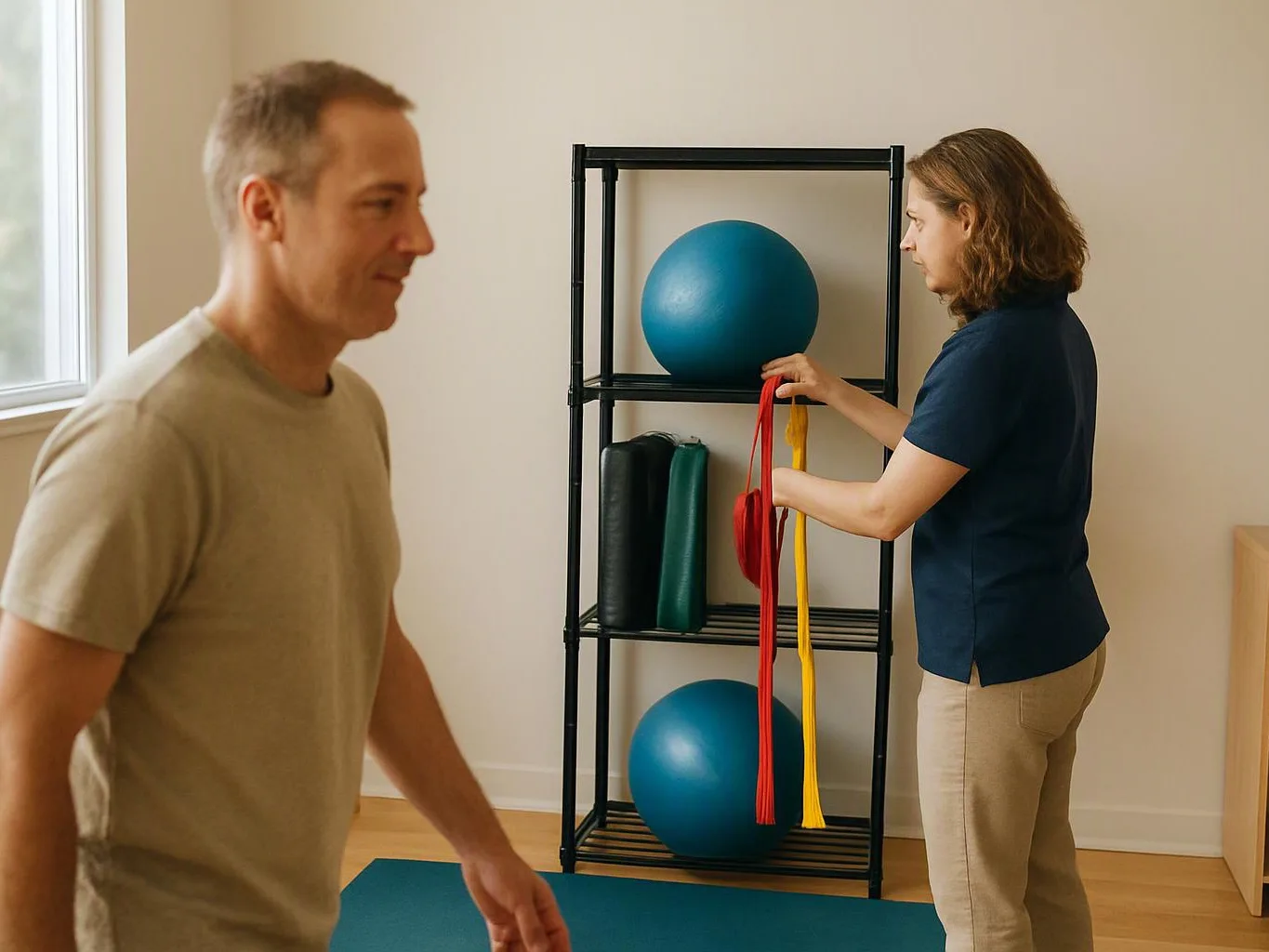
Posture exercises matter because head and neck position can influence jaw movement and muscle tension. We select simple movements that match the exam findings. Exercises support the care plan, but they don't replace an evaluation when pain, stiffness, or limited motion keeps returning.
What should I bring to a first jaw care appointment?
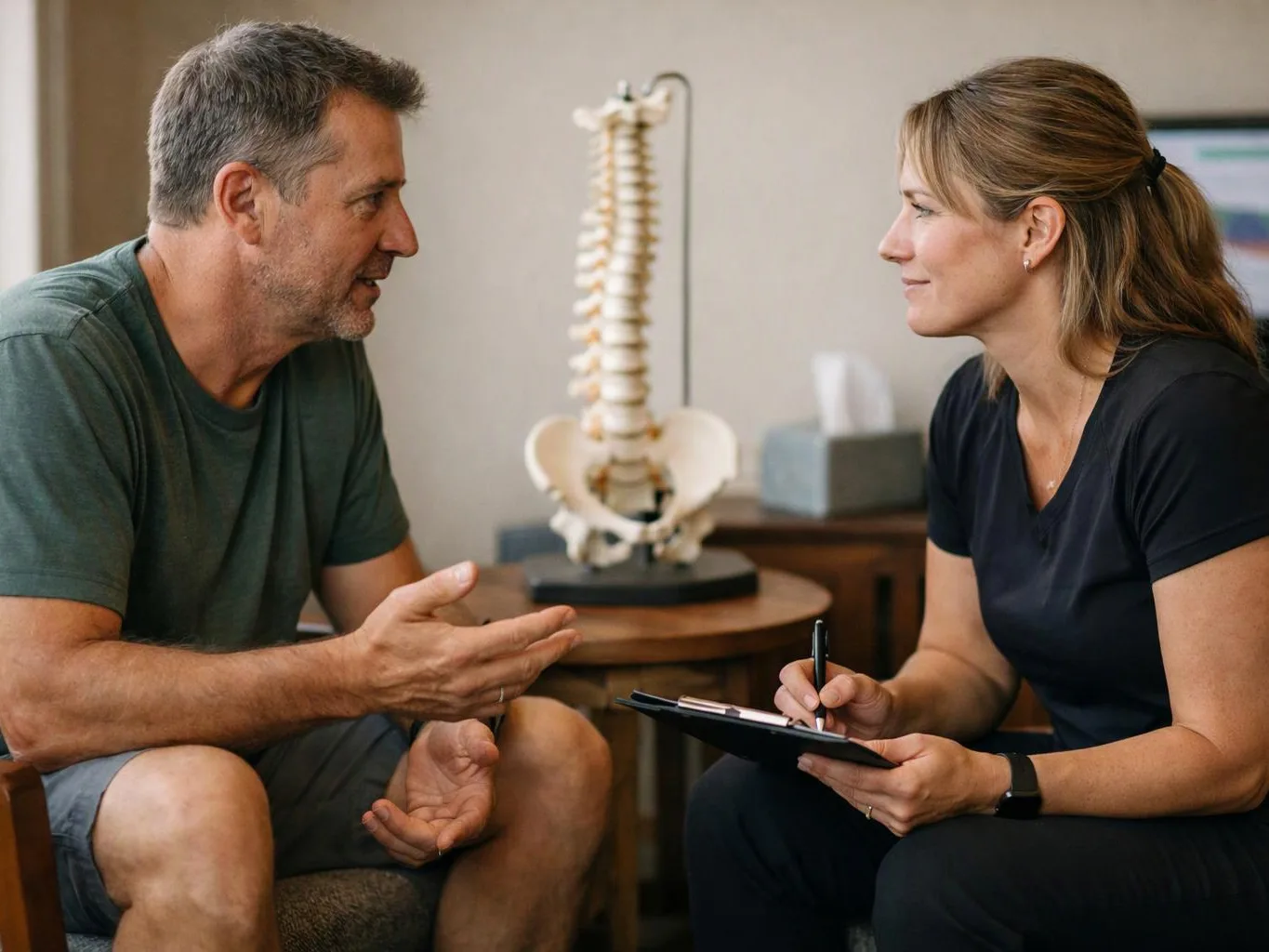
Bring a list of symptoms, relevant injury details, current health information, and questions about your jaw movement. Notes about chewing pain, headaches, clenching, or jaw sounds can help. We use that history with the physical exam to shape the treatment discussion.