Skip to content

TMJ Treatment in Oak Hill, Tennessee

A clinical assessment guides care for jaw clenching in Oak Hill. We match treatment to your symptoms, movement, and daily habits.

Licensed & InsuredWarranty AvailableUpfront, Transparent PricingServing 21 Communities

Quick Summary: TMJ care in Oak Hill, Tennessee

TMJ Treatment in Oak Hill is provided by Advanced Injury Care Clinic for jaw tension, facial pain, headaches, and related movement concerns. We serve Hendersonville, Goodlettsville, Madison, Gallatin, and nearby Middle Tennessee communities with individualized evaluations and chiropractic care plans.

  • What we do: Advanced Injury Care Clinic provides TMJ Treatment for Oak Hill, Tennessee patients with jaw tension, headaches, facial pain, and related mobility concerns.
  • What is included: Individualized evaluations, spinal adjustments, soft tissue therapy, corrective care, therapeutic exercises, and supportive injury rehabilitation.
  • What you get: TMJ Treatment helps identify contributing habits and supports better jaw, neck, and upper-body movement through a tailored care plan.

Why does jaw clenching keep causing TMJ symptoms?

Jaw clenching can keep TMJ symptoms active by stressing the jaw muscles and joint. Teeth grinding, gum chewing, and poor posture can add strain. We review these habits during the health history and exam, then build care around the findings. Seek prompt medical attention for severe swelling, trouble breathing, or a jaw that will not open or close.

TMJ treatment for jaw habits and movement concerns in Oak Hill

TMJ treatment focuses on the jaw joint, nearby muscles, and related neck movement. It may suit people with jaw pain, facial tension, headaches, clicking, or stiffness linked to daily habits.

The key decision is whether your symptoms fit a musculoskeletal care plan. We assess your health history, posture, range of motion, and areas of tenderness before recommending care. Dental concerns, severe swelling, or signs of infection may require another type of medical evaluation.

Patients in Oak Hill can request an assessment through our clinic. Our broader coverage includes Hendersonville, Goodlettsville, Gallatin, and nearby Middle Tennessee communities.

  • Review jaw pain, tension, headaches, and movement limits.
  • Discuss teeth grinding, gum chewing, and posture habits.
  • Check neck and upper-body movement during the exam.
  • Ask whether chiropractic care fits the symptoms.
  • Follow the treatment plan and home exercise guidance.
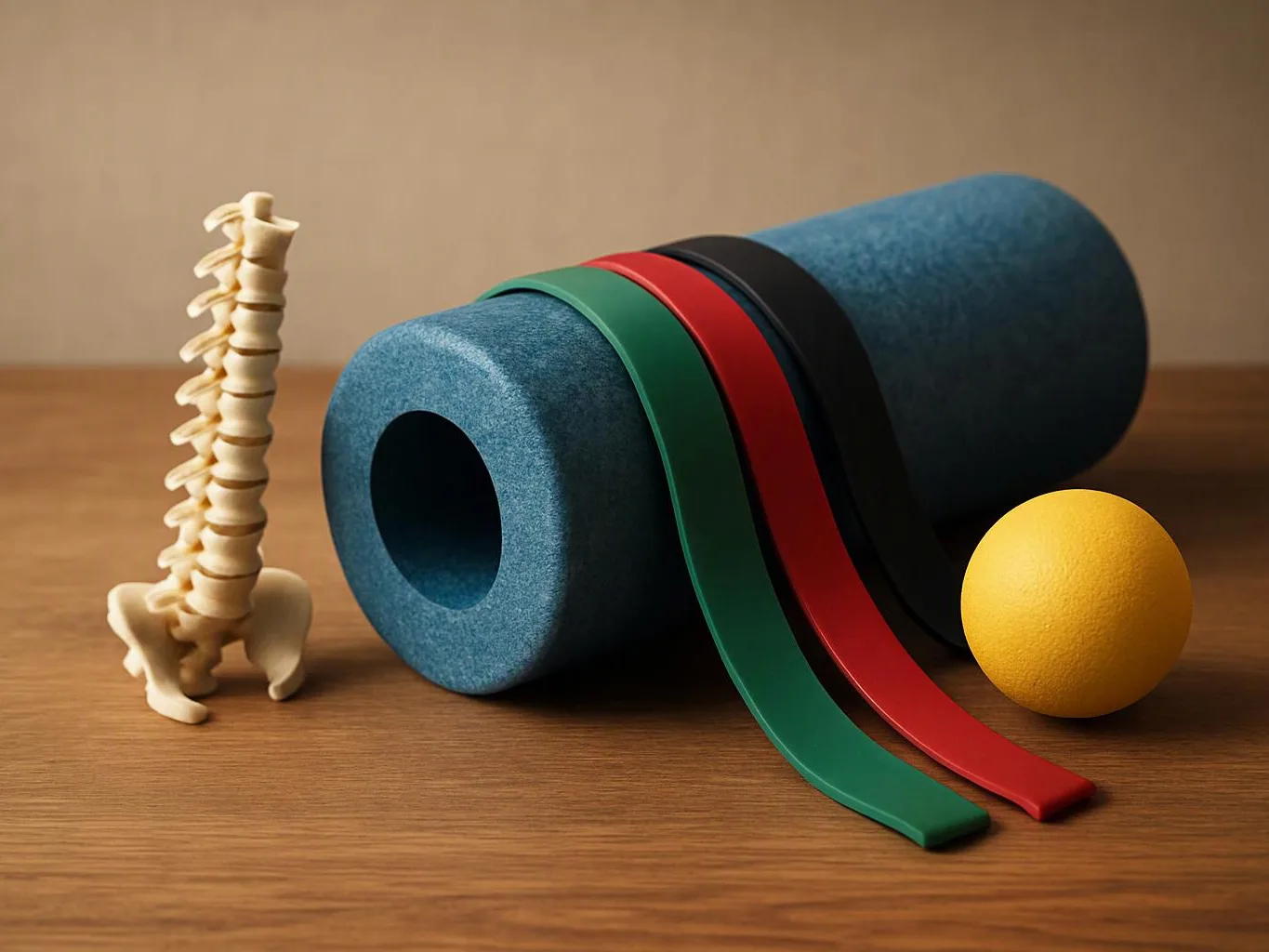
A blue foam roller, spine model, resistance bands, and yellow exercise ball sit on a wooden floor

Service Overview

TMJ treatment is a form of chiropractic care that addresses jaw tension, related muscle strain, and movement limits.

  • This care differs from dental treatment because we focus on musculoskeletal factors such as posture, neck movement, and soft tissue tension.
  • Advanced Injury Care Clinic provides this care for patients in Oak Hill and nearby Middle Tennessee communities.

What this care can change for daily jaw comfort

A focused assessment can give you clearer answers about jaw and neck symptoms.

Soft tissue therapy may reduce muscle tension around the jaw and upper neck.

Corrective exercises can support improved posture and easier movement.

Habit review helps you notice actions that may keep symptoms active.

Individual response differs, so we adjust care to your findings and goals.

What to consider before choosing jaw-focused chiropractic care

A plan based on your movement

Your exam guides the care plan. We look at jaw motion, neck movement, posture, and muscle tension before selecting techniques.

Care that includes daily habits

Teeth grinding, gum chewing, and poor posture can affect jaw symptoms. We discuss practical changes that support your treatment between visits.

A clear fit check

TMJ treatment is not the right job for every jaw complaint. Severe swelling, suspected infection, major dental damage, or a locked jaw may need medical or dental care first.

The scope this service is meant to handle

A typical Oak Hill patient may notice jaw tightness after work, exercise, or long periods of screen use. We check jaw motion, neck posture, and muscle tension, then decide whether chiropractic care and home exercises fit the findings. Severe swelling, infection signs, or major dental concerns call for medical or dental assessment.

Process

How we assess and treat jaw movement concerns

1

Review symptoms and daily habits

We begin with a new patient intake and health history. You can describe jaw pain, headaches, grinding, chewing habits, and posture concerns.

2

Check jaw, neck, and posture movement

The exam reviews range of motion, muscle tenderness, posture, and related neck or shoulder findings. X-rays may be considered if clinically indicated.

3

Explain the findings

We discuss the report of findings in plain language. You can ask which symptoms fit chiropractic care and which concerns need another type of evaluation.

4

Set the personalized care plan

The plan may include spinal adjustments, soft tissue therapy, corrective care, or therapeutic exercises based on your condition and goals.

5

Review progress and home care

Follow-up visits help us review movement and response. We may update exercises or supportive care as your needs change.

What your jaw care appointment can include

Advanced Injury Care Clinic provides comprehensive TMJ Treatment in Oak Hill. Here's what you get:

  • You receive an individualized health history and physical examination.
  • We assess jaw, neck, shoulder, and upper-body movement.
  • We review habits that may add strain to the jaw and nearby muscles.
  • Care may include spinal adjustments selected for your condition.
  • Soft tissue therapy may address tension around the jaw, neck, and shoulders.
  • Therapeutic exercises may support movement between appointments.

Jaw-focused care and related treatment choices

These options address different parts of a jaw complaint, so the assessment helps guide the next step.

Care optionMain focusWhen another evaluation may fit
Chiropractic TMJ careJaw, neck, posture, muscle tension, and movementDental damage, infection, severe swelling, or a locked jaw
Dental evaluationTeeth, bite, dental damage, and oral healthNeck or broader musculoskeletal movement concerns

The Advanced Injury Care Clinic Standard

  • Individualized Assessments
  • Pre-Care Discussions
  • Personalized Care Plans
  • Appropriate Techniques

Questions about jaw-focused chiropractic care

What habits can worsen TMJ symptoms?

Jaw clenching can worsen TMJ symptoms by keeping the jaw muscles under repeated strain. Teeth grinding, gum chewing, and poor posture may add stress around the jaw and neck. We ask about these habits during your assessment and discuss practical changes that fit your routine. Severe swelling, infection signs, or a locked jaw need medical or dental attention.

How is care matched to my symptoms before treatment starts?

A health history and exam match care to your symptoms before treatment starts. We check jaw motion, neck movement, posture, muscle tenderness, and related headaches or facial pain. X-rays may be considered if clinically indicated. The report of findings explains whether spinal adjustments, soft tissue therapy, or exercises fit your needs.

What should be ready before a TMJ appointment?

Your symptom history is the most useful item to prepare before a TMJ appointment. Note when pain, clicking, stiffness, or headaches occur and whether chewing or sleep affects them. Bring relevant health information and a list of current concerns. We use those details during the new patient intake and exam.

Which habits should I discuss with the chiropractor?

Daily habits such as teeth grinding, gum chewing, and poor posture should be discussed during the visit. Work positions, screen use, sleep patterns, and chewing discomfort can also help explain symptoms. Our team uses this information with the physical exam to shape a practical care plan.

What should I ask before agreeing to jaw treatment?

Ask which findings support chiropractic care, what techniques the plan includes, and when another clinician should assess the jaw. You can also ask how progress will be reviewed and which home exercises may help. Clear answers let you decide whether the plan fits your symptoms and goals.

Can chiropractic care address jaw symptoms after an injury?

Chiropractic care may address jaw and neck movement concerns after an injury when the assessment supports it. We review the injury history, pain pattern, range of motion, and related headaches. Severe trauma, dental damage, swelling, or neurological symptoms may require medical evaluation before or alongside chiropractic care.
Contact

Schedule a TMJ treatment assessment in Oak Hill

Oak Hill patients can request an assessment for jaw tension, headaches, facial discomfort, or related movement concerns. Advanced Injury Care Clinic will review your symptoms and explain the next treatment step.

A person points a pen at a wooden mannequin beside a monitor showing “COMFORTABLE MOVEMENT PLANNING”

The health and wellness information on this website is for general informational purposes only and is not medical advice. It does not create a provider-patient relationship. Always consult a qualified licensed provider in Hendersonville, TN, United States about your specific condition before making care decisions. Individual results vary.

(615) 265-0412