

Review jaw symptoms and goals
We ask about pain, clicking, stiffness, chewing, headaches, and other concerns. Your goals help shape the clinical discussion.
Jaw tension, clicking, and facial pain can affect eating, speaking, and sleep. We assess the jaw and related musculoskeletal concerns, then plan care around your needs.
Jaw care may support easier chewing and speaking when stiffness limits movement.
A focused evaluation can connect jaw symptoms with related neck or musculoskeletal findings.
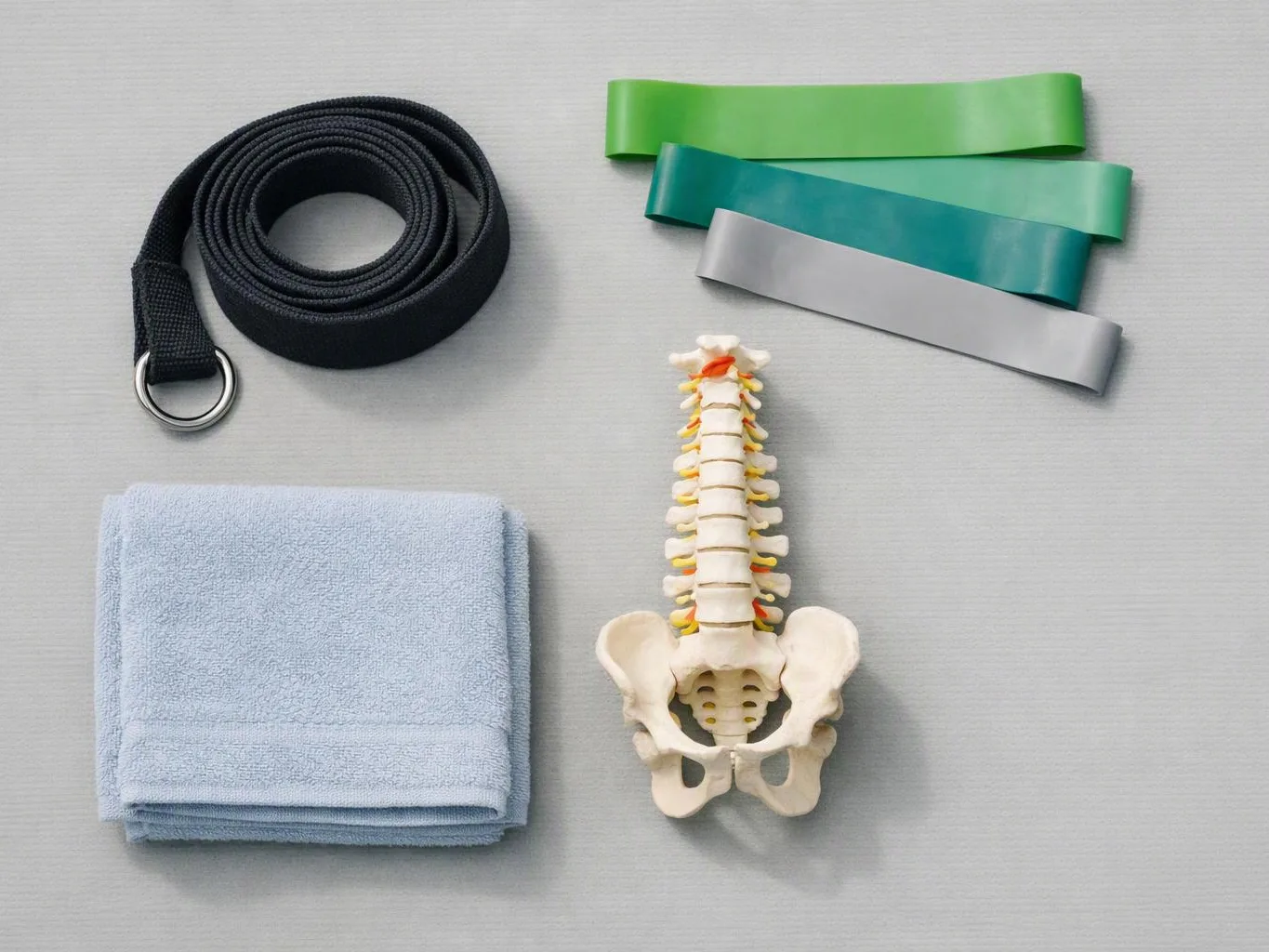
Therapeutic exercises may help you practice controlled movement between appointments.
Progress checks help us respond when symptoms or movement patterns change.
TMJ Treatment is a musculoskeletal care service that addresses jaw joint and related movement concerns.

TMJ treatment addresses symptoms linked with the jaw joint, nearby muscles, and related neck movement. Patients may seek care for clicking, stiffness, chewing discomfort, facial tension, or headaches. We start with a health history and exam. We discuss symptoms, goals, and treatment options before care begins. Depending on the findings, care may include chiropractic adjustments, corrective care, therapeutic exercises, or injury rehabilitation. Risk often comes from treating the jaw without checking related areas. A jaw symptom can occur with neck or muscle concerns, so we look at the movement pattern before choosing a technique. Individual response differs, and progress monitoring helps us adjust care when clinically appropriate.
We ask about pain, clicking, stiffness, chewing, headaches, and other concerns. Your goals help shape the clinical discussion.
We provide an individualized chiropractic assessment and check jaw, neck, and related musculoskeletal movement.
We explain findings and treatment options before care begins. Options may include adjustments, corrective care, or therapeutic exercises.
We develop a personalized plan based on your condition and individual needs, then use appropriate chiropractic techniques.
We monitor progress and adjust care when clinically appropriate. A change in clicking, pain, or movement helps guide that review.
A few details can help us understand your symptoms before the first appointment.
We assess jaw movement, related neck function, symptoms, and goals before selecting care for TMJ concerns.
We discuss jaw symptoms, daily limits, goals, and treatment options before beginning any care.
We develop a care plan that reflects each patient’s jaw findings, related symptoms, and individual needs.
Advanced Injury Care Clinic can discuss your jaw pain, clicking, stiffness, or related headaches. We're open Monday through Friday from 9 am to 7 pm and Saturday from 9 am to 2 pm, so you can request an appointment and review the next step.

A jaw that clicks during chewing may also feel stiff or sore after meals. The sound alone doesn't show the cause, so the movement pattern matters. We review jaw motion, related neck function, and your symptoms before choosing care. Schedule an evaluation if clicking comes with pain, reduced movement, or repeated difficulty eating.
Jaw tension and headaches can appear together, especially when neck movement also feels limited. Treatment planning should account for both areas instead of focusing on one symptom alone. We discuss your health history and goals, then assess the jaw and surrounding musculoskeletal function during your visit.
Morning jaw stiffness can make the first meal or conversation uncomfortable. The pattern, severity, and activities that change it help guide the assessment. We ask about sleep-related symptoms, chewing, and neck discomfort, then explain suitable care options before treatment begins.



The health and wellness information on this website is for general informational purposes only and is not medical advice. It does not create a provider-patient relationship. Always consult a qualified licensed provider in Hendersonville, TN, United States about your specific condition before making care decisions. Individual results vary.
(615) 265-0412