Skip to content

TMJ Treatment in Lebanon, Tennessee

Teeth grinding is checked during care in Lebanon. We assess jaw movement, muscle tension, and habits that may worsen TMJ symptoms.

Licensed & InsuredWarranty AvailableUpfront, Transparent PricingServing 21 Communities

Quick Summary: Jaw Care in Lebanon, Tennessee

TMJ Treatment in Lebanon is provided by Advanced Injury Care Clinic for jaw pain, clicking, stiffness, and related movement concerns. We serve Hendersonville, Goodlettsville, Madison, Gallatin, and nearby Middle Tennessee communities through individualized evaluations and chiropractic care.

  • What we do: Advanced Injury Care Clinic provides TMJ Treatment in Lebanon through an individualized evaluation, jaw movement assessment, and chiropractic care plan.
  • What is included: Jaw movement assessment, habit review, spinal adjustments, corrective care, therapeutic exercises, and injury rehabilitation.
  • What you get: TMJ Treatment in Lebanon gives the customer a clear care plan for jaw movement, related pain, and daily habits that affect symptoms.

What habits can worsen TMJ symptoms?

Teeth grinding, jaw clenching, gum chewing, and poor posture can worsen TMJ symptoms. Tracking when symptoms appear helps our team connect daily habits with jaw tension and movement limits.
TMJ Treatment in Lebanon for Habit-Related Jaw Strain

TMJ treatment helps people who notice jaw pain, clicking, stiffness, headaches, or trouble moving the jaw. The key decision is whether daily habits are adding strain and whether chiropractic care fits the problem.

Customers who clench their jaw, chew gum often, or hold their head forward may keep stressing the same muscles. We look at those patterns during an individualized evaluation, then discuss care options that match the findings.

This page focuses on habit-related jaw strain, not every cause of facial pain. Severe swelling, major trauma, fever, or trouble breathing needs medical attention before chiropractic care.

  • Notice when jaw pain, clicking, or stiffness appears.
  • Tell us about clenching, grinding, gum chewing, and posture.
  • Bring relevant health details to the new patient intake.
  • Ask which care methods fit the movement findings.
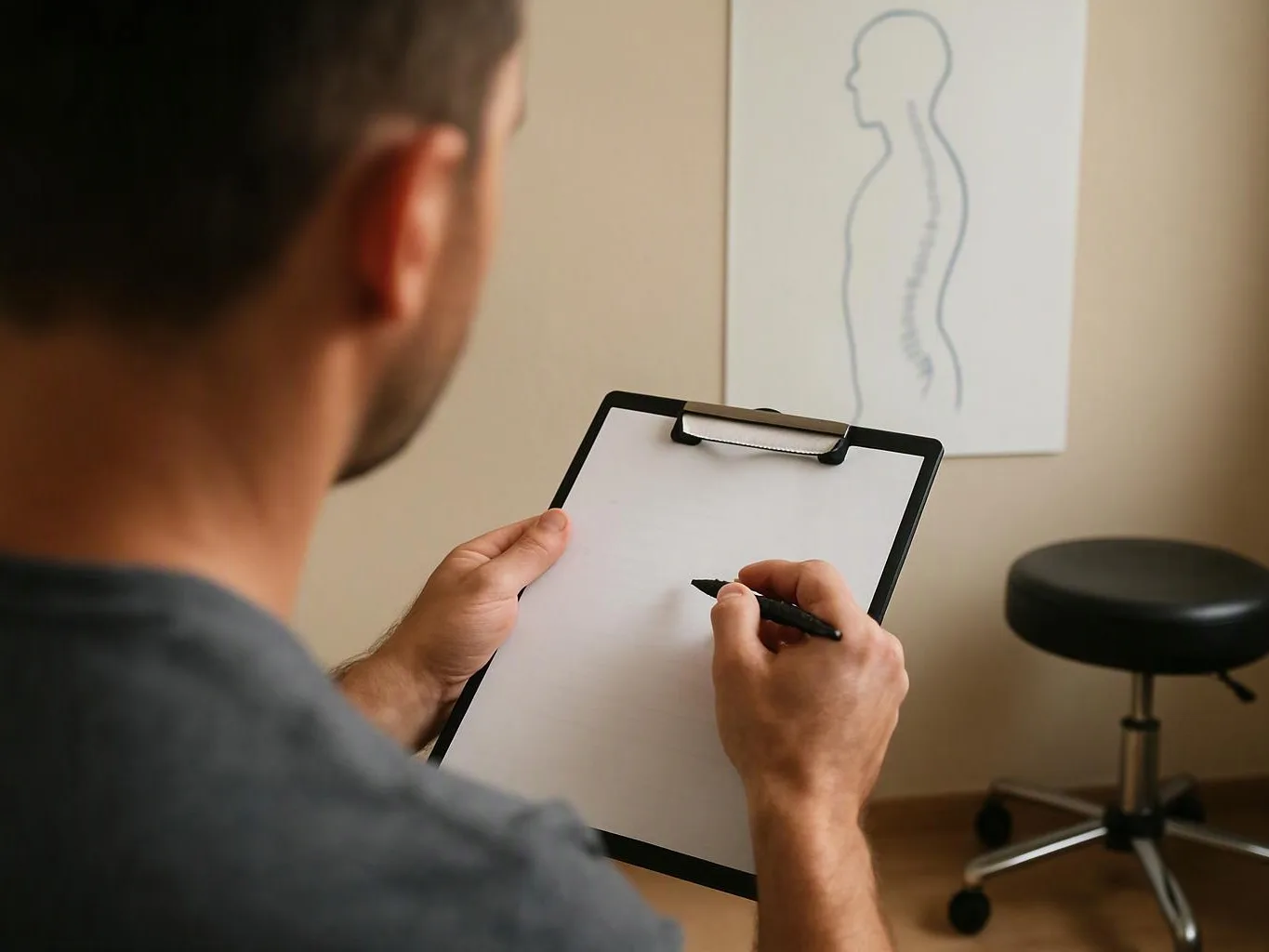
A man holds a clipboard and pen while facing a spine outline on a wall in a clinic room

Service Overview

TMJ Treatment is a form of care that addresses jaw movement, muscle tension, and symptoms around the temporomandibular joints.

  • TMJ care focuses on the jaw and related movement patterns, while general chiropractic care may address wider spinal or joint concerns.
  • Advanced Injury Care Clinic provides this care in Lebanon and surrounding Middle Tennessee communities.

What Jaw Care Includes for This Problem

Advanced Injury Care Clinic provides comprehensive TMJ Treatment in Lebanon. Here's what you get:

  • We begin with a new patient intake, health history, and physical exam.
  • We assess jaw movement, muscle tension, posture, and related neck movement.
  • We review habits such as jaw clenching, gum chewing, and poor posture.
  • We explain the findings and create a personalized treatment plan.
  • Care may include spinal adjustments, corrective care, therapeutic exercises, and supportive treatments.
  • We review progress and adjust care when your condition or goals change.

What This Care Can Change for Your Daily Routine

A movement assessment can show which jaw or neck patterns need attention.

Habit guidance may help reduce repeated strain during work, sleep, or daily tasks.

Therapeutic exercises may support better jaw and neck movement.

Corrective care may help address posture that adds tension around the jaw.

A clear treatment plan helps you understand the next step before care begins.

What Customers Get From a Jaw-Focused Visit

A focused habit review

Jaw clenching, gum chewing, posture, and grinding patterns receive direct attention during the assessment. The first step is deciding which habits relate to your symptoms.

Care matched to movement

Our team uses the examination findings to guide chiropractic adjustments, corrective care, or therapeutic exercises. Individual response differs, so care is reviewed as symptoms change.

A clear boundary for fit

This service may not fit severe swelling, infection signs, major trauma, or symptoms that need urgent medical assessment. We focus on movement and related musculoskeletal concerns.

Licensed chiropractic care

Our licensed chiropractor provides individualized care plans and explains the findings in plain language before treatment begins.

Process

How We Assess and Treat Jaw Movement

1

Complete the new patient intake

We record your health history, symptoms, daily habits, and treatment goals. Customers should mention jaw clenching, gum chewing, posture, headaches, and sleep-related tension.

2

Check jaw and neck movement

Our team observes how the jaw opens and closes, then checks related neck movement, posture, and muscle tension.

3

Review the findings

We explain what the assessment shows and discuss whether chiropractic care fits your symptoms. Questions are welcome before treatment begins.

4

Set the personalized care plan

The plan may include spinal adjustments, corrective care, soft tissue therapy, or therapeutic exercises based on your needs.

5

Review progress and daily habits

Follow-up care checks movement and symptoms. We can adjust the plan as your condition and goals change.

Jaw Care Options and Their Main Focus

The table shows how common care elements differ by the problem they address.

Care elementMain focusHow it may fit
Movement assessmentJaw, neck, posture, and muscle patternsUsed before a care plan is chosen
Spinal adjustmentsJoint movement and related musculoskeletal patternsConsidered when examination findings support them
Therapeutic exercisesControlled movement and daily functionAdded when exercises fit the patient's needs

The Advanced Injury Care Clinic Standard

  • Individualized Assessments
  • Pre-Care Discussions
  • Personalized Care Plans
  • Appropriate Techniques

Questions Customers Ask About Jaw Care

What does the care team look at first?

Jaw movement, neck movement, posture, and muscle tension are checked first. The new patient intake also covers health history, symptoms, and daily habits. Clicking alone does not decide the care plan. Our team considers the full movement pattern before discussing adjustments, exercises, or other supportive treatments.

What should be checked before jaw care is scheduled?

Symptoms, health history, recent injury, and signs of infection should be checked before care is scheduled. Tell us about swelling, fever, major trauma, or trouble opening the mouth. Those signs may need medical assessment first. Relevant records and a clear symptom history help us judge whether chiropractic care fits.

Who is a good fit for TMJ treatment, and who needs a different service?

People with jaw-related movement limits, muscle tension, or posture-linked discomfort may fit this care. Severe swelling, infection signs, major trauma, or trouble breathing need medical assessment. Our licensed chiropractor reviews the findings before treatment. That step helps separate musculoskeletal concerns from problems needing another type of care.

How does posture affect jaw tension?

Poor posture can change neck position and add strain around the jaw. A forward head position may affect how the jaw and neck muscles work together. Our team checks posture during the exam and may add corrective care or therapeutic exercises. Daily work habits also matter when we discuss the plan.

Which care methods may be used for jaw-related movement problems?

Spinal adjustments, soft tissue therapy, corrective care, and therapeutic exercises may be used when the examination supports them. The plan is not chosen from symptoms alone. Our team matches methods to movement findings, health history, and goals. Individual response differs, so follow-up checks guide later care.

Why should gum chewing be discussed during an evaluation?

Gum chewing keeps the jaw active and may add repeated strain to sore muscles. The habit matters because frequency, soreness, clicking, and stiffness can change the care decision. Tell our team how often you chew and when symptoms begin. We can then include that pattern in the treatment discussion.
Contact

Schedule a Jaw Movement Assessment in Lebanon

Get a clear care plan for jaw tension, movement limits, and habits that may worsen symptoms. Contact Advanced Injury Care Clinic to discuss TMJ treatment in Lebanon.

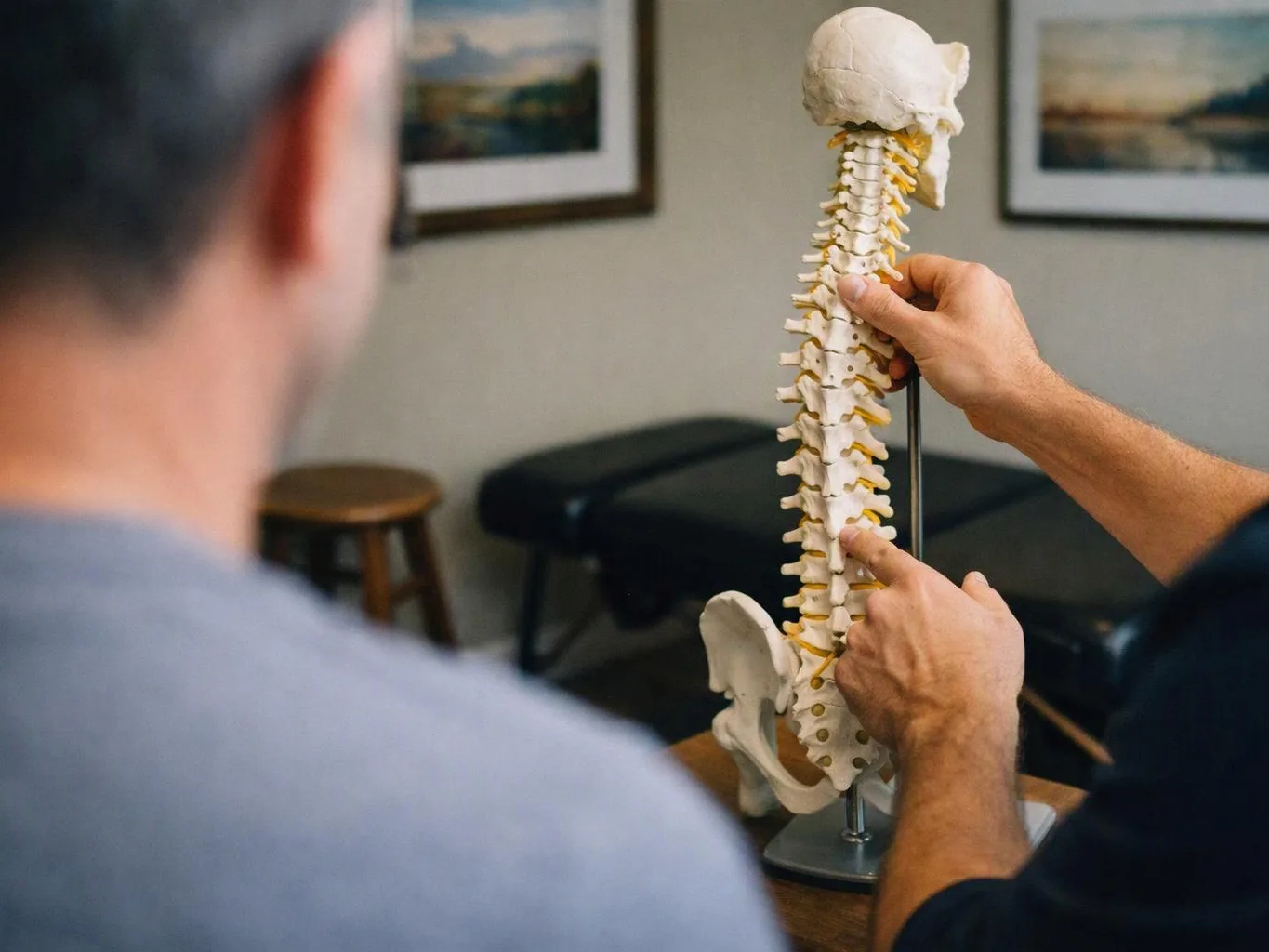
Two people examine a spine model in a clinic room with treatment tables and framed pictures on the wall

ZIP Codes We Serve in Lebanon, Tennessee

370873708837090

The health and wellness information on this website is for general informational purposes only and is not medical advice. It does not create a provider-patient relationship. Always consult a qualified licensed provider in Hendersonville, TN, United States about your specific condition before making care decisions. Individual results vary.

(615) 265-0412