What conditions may benefit from spinal decompression therapy?
Back pain may benefit from spinal decompression therapy when an evaluation supports controlled spinal unloading. Sciatica symptoms, neck pain, and some degenerative changes may also be considered. Advanced Injury Care Clinic reviews your health history and movement before recommending care. Individual response differs, so treatment plans are tailored to the patient.
What does the first visit include before treatment?
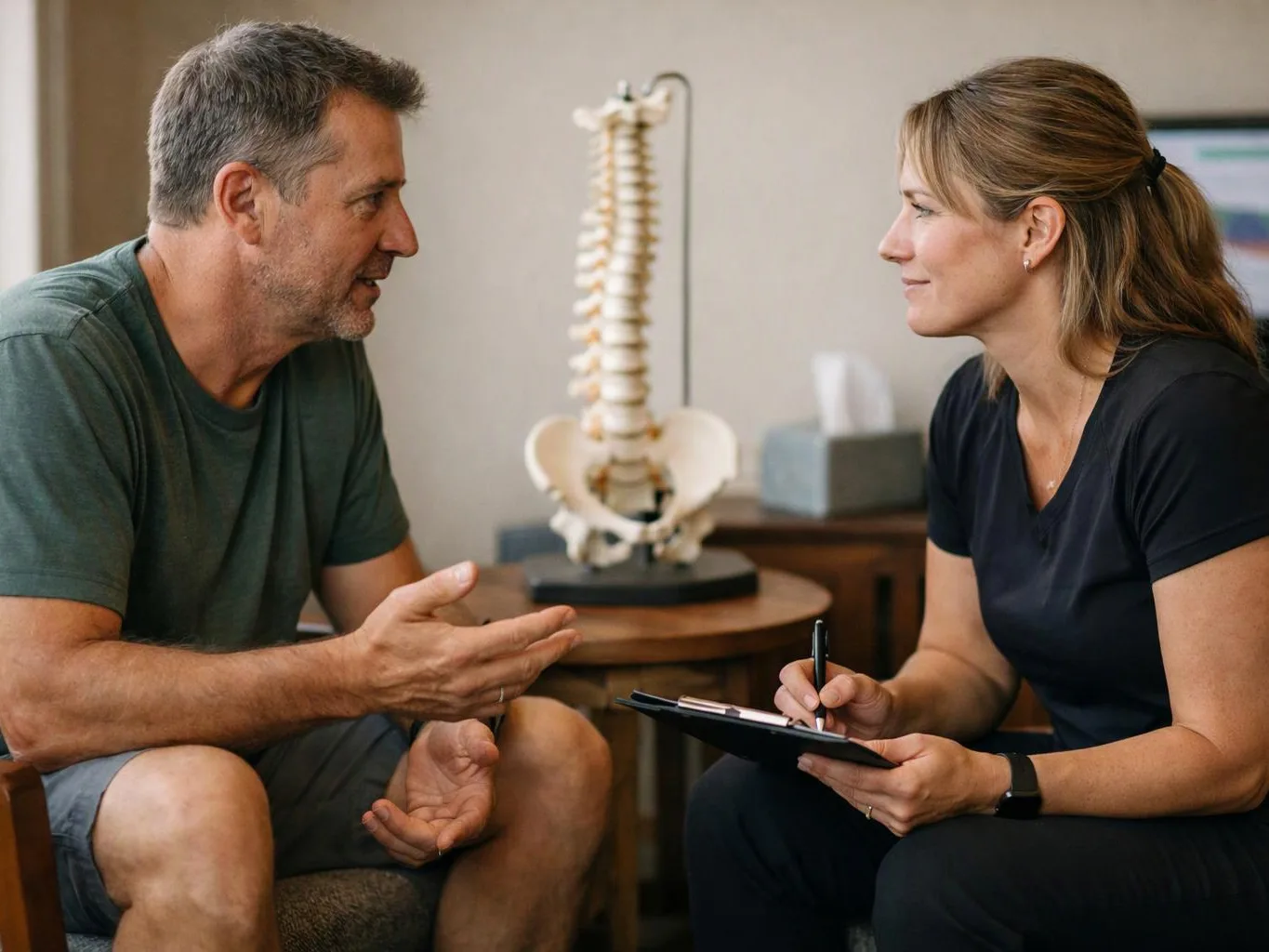
The first visit includes a new patient intake, health history review, and physical examination. We discuss symptoms, prior injuries, daily movement limits, and treatment goals. X-rays may be considered if clinically indicated. The visit ends with a report of findings and a plan that explains suitable care options.
What should be checked before spinal decompression is scheduled?
Your health history, symptoms, movement, and treatment goals should be checked first. Our team also considers prior injuries and related conditions before scheduling this care. That review helps determine whether decompression fits or whether adjustments, exercises, or rehabilitation better match the clinical findings.
What does the clinic look at first during treatment planning?
The initial review focuses on your symptoms, health history, and physical function. We look for patterns involving spinal movement, sciatica symptoms, neck pain, or joint discomfort. Your goals then guide the treatment discussion. A spinal decompression table is used only when the assessment supports it.
Which treatments may accompany spinal decompression?
Corrective exercises, chiropractic adjustments, injury rehabilitation, and soft tissue therapy may accompany decompression when they fit the plan. We select related care from the examination findings and your goals. Patients receive an explanation of each recommended step before treatment begins.
How does degenerative change affect treatment decisions?
Degenerative changes can affect whether decompression is suitable and which care methods are discussed. Our evaluation considers the full symptom pattern, movement, and health history. The finding alone does not decide treatment. We explain the plan and may include exercises or other chiropractic care when appropriate.
Can care address injuries from work, sports, or auto accidents?
Yes, our chiropractic care includes support for auto accident injuries, work-related injuries, and sports injuries. We review the injury history and current symptoms before setting treatment goals. Care may include decompression, adjustments, rehabilitation, or therapeutic exercises based on the patient’s condition.