Skip to content

Spinal Decompression Therapy in Nashville, Tennessee

A bulging disc may respond to spinal decompression therapy in Nashville when an exam supports this approach. We assess your symptoms before building a treatment plan.

Licensed & InsuredWarranty AvailableUpfront, Transparent PricingServing 21 Communities

Quick Summary: Spinal decompression care in Nashville, Tennessee

Spinal decompression therapy in Nashville is provided by Advanced Injury Care Clinic for back pain, disc concerns, and mobility limits. Care includes an individualized evaluation and may include spinal traction, corrective care, and therapeutic exercises across Hendersonville, Goodlettsville, Madison, Gallatin, and nearby Middle Tennessee communities.

  • What we do: Advanced Injury Care Clinic provides spinal decompression therapy for Nashville patients with back pain, nerve symptoms, and mobility concerns.
  • What is included: Individualized evaluations, spinal decompression, corrective care, injury rehabilitation, and therapeutic exercises.
  • What you get: The patient leaves with a clearer care plan for movement, symptoms, and follow-up needs.

Can spinal decompression help a bulging disc?

Spinal decompression may help some people with a bulging disc when an evaluation finds it suitable. Individual response differs, so care starts with a health history, exam, and symptom review.

Spinal Decompression Therapy for Disc-Related Symptoms in Nashville

Spinal decompression therapy focuses on patients whose back pain, leg symptoms, or movement limits may involve disc pressure or nerve compression. The service uses a spinal decompression table and controlled spinal traction as part of a broader clinical plan.

This page helps you decide whether decompression fits your symptoms and goals. It isn't the right first step for every condition, so our team reviews your health history and exam findings before recommending care.

Patients may also receive spinal adjustments, corrective care, rehabilitation exercises, or supportive treatments. The useful decision is whether traction fits your findings, not whether the treatment name sounds familiar.

  • Share when symptoms began and what activities make them worse.
  • Bring relevant medical records or imaging when available.
  • Ask how traction fits with adjustments, exercise, or rehabilitation.
  • Review follow-up needs before starting a treatment plan.
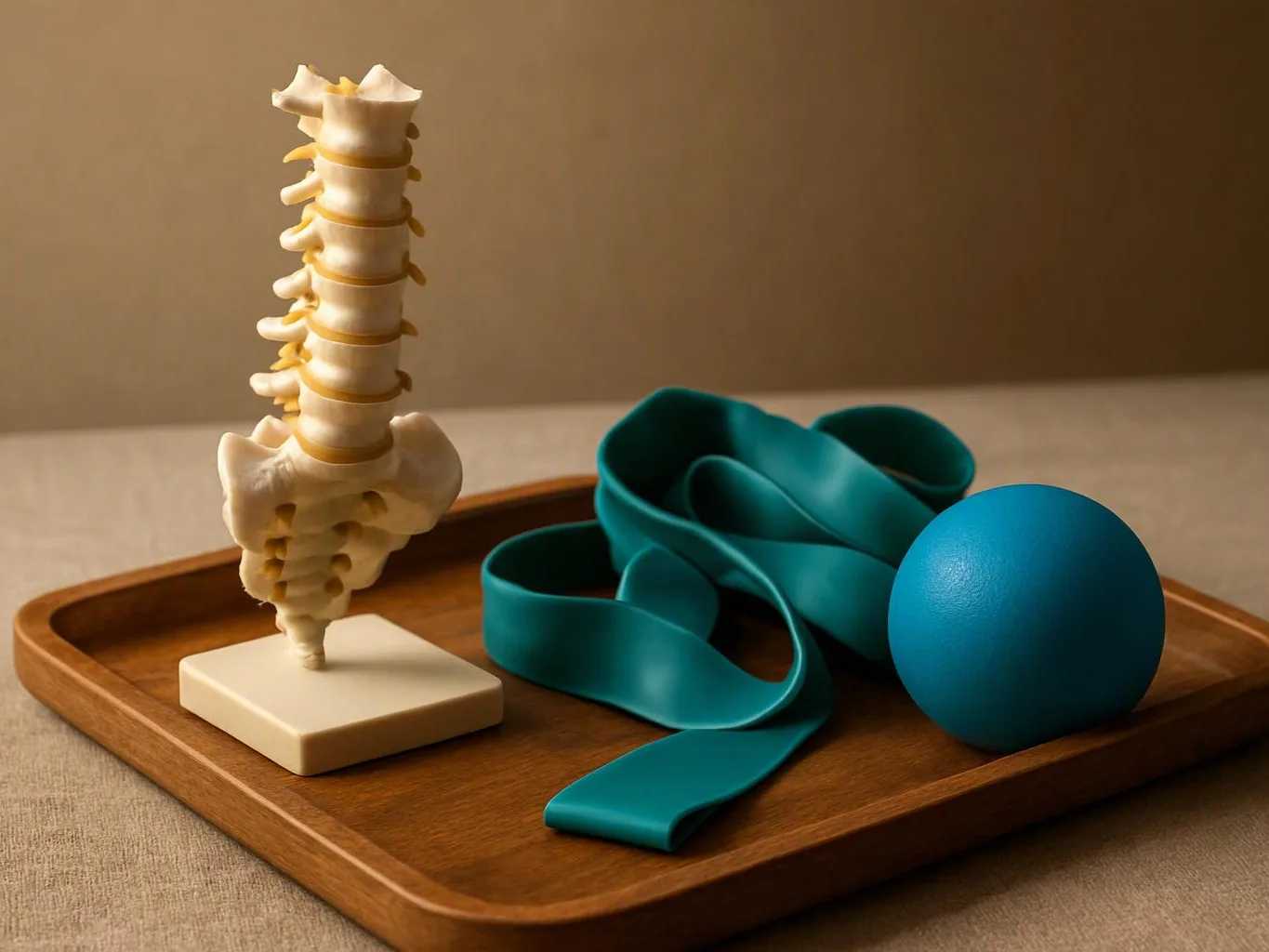
A spine model stands beside teal resistance bands and a blue exercise ball on a wooden tray

Service Overview

Spinal decompression therapy is a non-surgical treatment approach that applies controlled traction to support movement and reduce pressure-related symptoms.

  • Spinal decompression differs from spinal adjustments because it uses traction and table-based positioning instead of a manual adjustment alone.
  • Advanced Injury Care Clinic provides this care in Nashville and surrounding Middle Tennessee communities.
Process

How spinal decompression care moves from evaluation to follow-up

1

Complete the health history

We discuss symptoms, prior injuries, daily limits, and relevant medical information.

2

Check movement and nerve symptoms

Our team performs an individualized evaluation and reviews findings that may affect treatment suitability.

3

Set the treatment plan

Patients receive clear findings and a plan that may include spinal traction, adjustments, exercises, or rehabilitation.

4

Review progress and next steps

Follow-up care considers symptom changes, movement, and whether the current plan still fits.

How we approach spinal decompression decisions

The exam guides treatment choice

Customers receive an assessment before traction is considered. Spinal decompression is the wrong fit when the exam points to a different need or a condition requiring another type of medical care.

Care connects symptoms with function

Movement limits, nerve symptoms, and daily activities all matter. Our team uses those details to shape a personalized care plan instead of relying on the service name alone.

Support extends beyond the table

Patients may receive corrective exercises, injury rehabilitation, or supportive treatments alongside decompression. These options address how symptoms affect movement and daily tasks.

What spinal decompression care includes for disc symptoms

Advanced Injury Care Clinic provides comprehensive Spinal Decompression Therapy in Nashville. Here's what you get:

  • Your first visit includes an individualized health history and clinical evaluation.
  • We review movement, pain patterns, and nerve-related symptoms.
  • Spinal traction may be provided with a spinal decompression table when clinically appropriate.
  • Your care plan may include spinal adjustments, corrective care, or therapeutic exercises.
  • We explain findings and practical next steps after the assessment.
  • Progress re-examination can help guide changes to the treatment plan.

What patients may gain from spinal decompression care

Controlled traction may support improved movement for some patients.

A clinical assessment helps connect symptoms with the right treatment approach.

Combining decompression with exercise may support strength and daily function.

Clear treatment planning helps you understand what the next visit addresses.

Results vary, so the plan can change as your response becomes clearer.

The Advanced Injury Care Clinic Standard

  • Individualized Assessments
  • Pre-Care Discussions
  • Personalized Care Plans
  • Appropriate Techniques

Questions patients ask about spinal decompression care

How does a spinal decompression visit move from the first call to the last step?

The visit moves from health history to evaluation, treatment planning, and progress review.

  1. We discuss symptoms and goals.
  2. Our team checks movement and related nerve symptoms.
  3. We explain whether traction fits.
  4. We review follow-up needs after care begins.

Which material changes how long spinal decompression takes?

The treatment plan, not a construction material, determines the time involved in spinal decompression care. Symptoms, exam findings, related treatments, and patient response all guide the plan. Our team explains the expected visit structure after the evaluation, without promising a fixed duration.

How can a customer tell whether spinal decompression fits the problem?

A clinical evaluation determines whether spinal decompression fits the problem. Our team reviews pain patterns, movement limits, health history, and nerve symptoms. Imaging may be considered when clinically indicated. Patients receive a care recommendation that may include traction, adjustments, exercises, or another appropriate approach.

What does the first appointment check before traction?

The first appointment checks health history, symptoms, movement, and treatment suitability.

  • Bring relevant medical records when available.
  • Describe activities that worsen or ease symptoms.
  • Share prior injuries and current concerns.

These details help our team build an individualized plan.

Why might spinal decompression not be the right choice?

Spinal decompression may not fit when the evaluation points to another treatment need. Symptoms requiring different medical attention also call for a different next step. Our team uses the exam, health history, and movement findings to guide that decision, then explains the available care path.
Contact

Discuss spinal decompression care in Nashville

Are back symptoms affecting your movement or daily routine? Contact Advanced Injury Care Clinic to discuss spinal decompression therapy and schedule an individualized assessment.

Two adults talk at a table, while a woman shows a tablet beside glasses and a notebook

ZIP Codes We Serve in Nashville, Tennessee

39 ZIP codes — show all
372013720237203372043720537206372073720837209372103721137212372133721437215372163721737218372193722037221372223722437227372283722937230372323723437235372363723837240372413724237243372443724637250

The health and wellness information on this website is for general informational purposes only and is not medical advice. It does not create a provider-patient relationship. Always consult a qualified licensed provider in Hendersonville, TN, United States about your specific condition before making care decisions. Individual results vary.

(615) 265-0412