
Skip to content

Spinal Decompression Therapy in White House, Tennessee

Spinal discs can lose space and irritate nearby nerves, so our team assesses this concern for patients in White House. We use a careful plan based on your symptoms and exam.

Licensed & InsuredWarranty AvailableUpfront, Transparent PricingServing 21 Communities

Quick Summary: Spinal decompression care in White House, Tennessee

Spinal Decompression Therapy in White House is provided by Advanced Injury Care Clinic for back pain, mobility concerns, and selected injury needs. Care includes an individualized evaluation and may include spinal decompression, spinal adjustments, corrective care, or therapeutic exercises across White House and nearby Middle Tennessee communities.

  • What we do: Advanced Injury Care Clinic provides Spinal Decompression Therapy for patients in White House, Tennessee through evaluation-based chiropractic care.
  • What is included: Health history review, clinical examination, controlled traction, spinal decompression, corrective care, and therapeutic exercises.
  • What you get: Patients receive a treatment plan that addresses movement limits and the symptoms linked to their condition.

How does spinal decompression therapy work when back pain keeps returning?

Spinal decompression therapy uses controlled stretching to reduce pressure through the back and support improved movement. A chiropractor first reviews symptoms, health history, and exam findings to check whether the approach fits. Results vary, so progress is reviewed as care continues.

Spinal Decompression Therapy in White House for pressure-related back pain

Spinal decompression therapy focuses on how the back responds to gentle, repeated traction. It may suit people with back pain, sciatica, limited movement, or symptoms that need a closer clinical review.

The service isn't a stand-alone answer for every condition. Our team first completes an intake, health history, and exam, then discusses whether decompression belongs in a broader chiropractic care plan. X-rays may be considered if clinically indicated.

Your main decision is fit. A treatment plan may include spinal decompression, spinal adjustments, soft tissue therapy, or corrective exercises, based on your findings and goals.

  • Share when your back pain began and which movements make it worse.
  • Bring relevant health records or imaging if you already have them.
  • Ask how spinal decompression fits with adjustments or corrective exercises.
  • Discuss progress checks before starting a longer course of care.
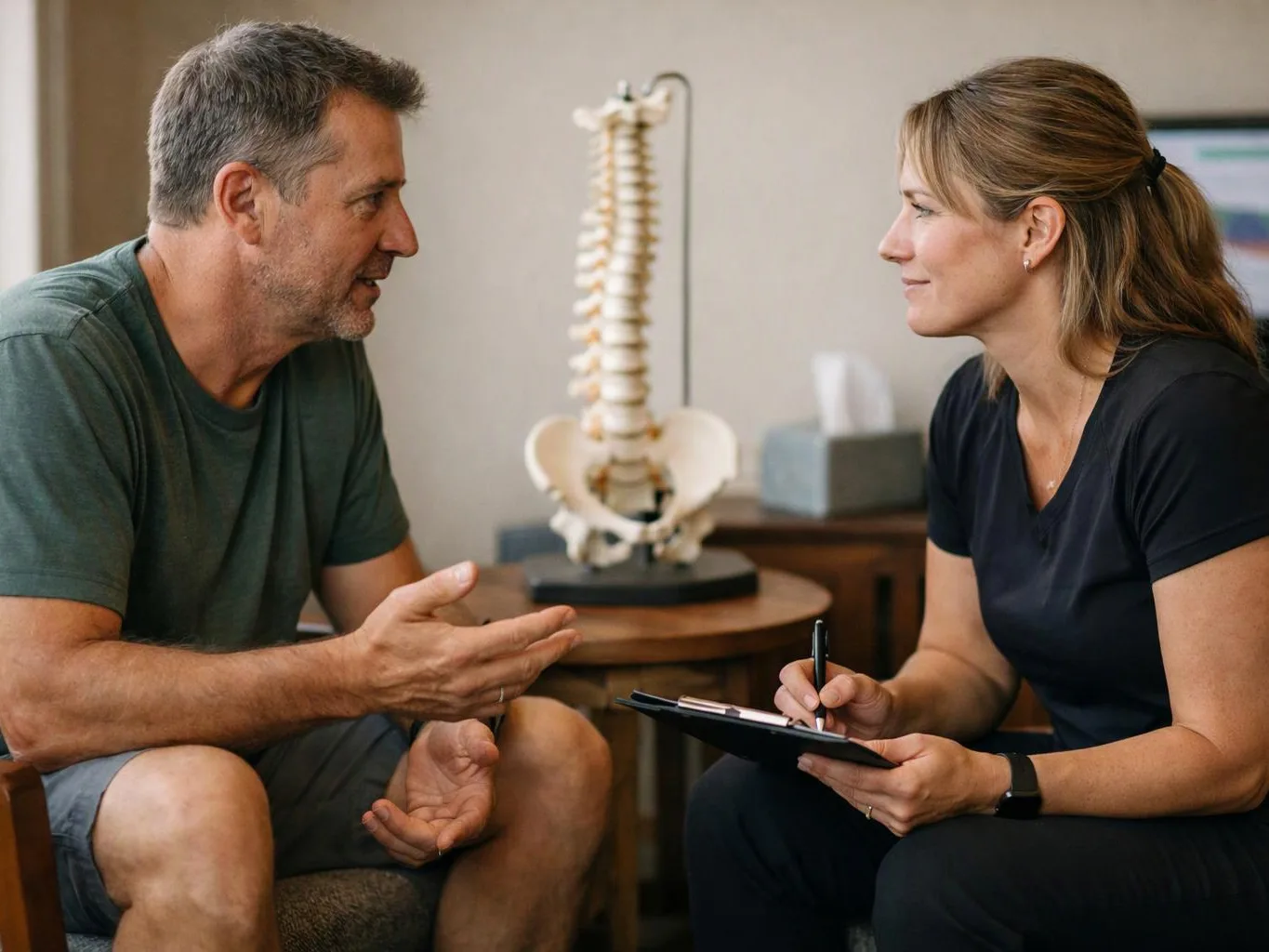
Two women sit facing each other in a bright room, one holding a clipboard during a conversation

Service Overview

Spinal decompression therapy is a non-surgical treatment that uses controlled traction to support movement and reduce pressure through the back.

  • Spinal decompression differs from a spinal adjustment because it uses slow table-based traction instead of a quick joint movement.
  • Advanced Injury Care Clinic provides this care in White House and nearby Middle Tennessee communities.

What spinal decompression care includes for your back

Advanced Injury Care Clinic provides comprehensive Spinal Decompression Therapy in White House. Here's what you get:

  • Your first visit includes a new patient intake, health history, and clinical examination.
  • We assess whether controlled traction is appropriate for your symptoms and mobility concerns.
  • Treatment may use a spinal decompression table with gradual, guided stretching.
  • Your care plan may pair decompression with spinal adjustments or corrective exercises.
  • We review your response during follow-up care and update the plan when needed.
Process

How spinal decompression care moves from intake to follow-up

1

Complete the new patient intake

We record your health history, symptoms, prior injuries, and current movement concerns.

2

Review the back and movement

A clinical exam checks movement and helps determine whether traction is suitable. X-rays may be considered if clinically indicated.

3

Set the treatment plan

We explain how spinal decompression may fit with adjustments, soft tissue therapy, or corrective exercises.

4

Apply controlled table traction

The spinal decompression table guides gradual stretching while our team observes your response.

5

Review progress and next steps

Follow-up checks help us decide whether to continue, adjust, or change the care plan.

How this treatment helps you decide on next steps

Assessment before table-based care

We review your health history and exam findings before using controlled traction. This helps us match the treatment to your symptoms instead of treating every case the same way.

Care that can include more than traction

Spinal decompression may work alongside spinal adjustments, soft tissue therapy, or therapeutic exercises. The plan follows your condition and movement goals.

A clear limit for treatment fit

Spinal decompression isn't the right choice for every cause of back pain. Our team may recommend another care path when the exam does not support traction.

What controlled decompression may change for daily movement

Gentle traction may support improved movement when back stiffness limits daily tasks.

A focused assessment helps connect your symptoms with an appropriate care plan.

Combining decompression with corrective exercises may support stronger movement habits.

Regular maintenance care may help you keep working toward long-term relief.

Clear progress reviews give you a better basis for continuing, changing, or stopping care.

How back care methods differ

These options use different actions, so the treatment choice should follow your exam findings.

Treatment methodMain actionWhere it may fit
Spinal decompression therapyUses controlled traction on a spinal decompression tableMay fit selected back pain and mobility concerns after assessment
Spinal adjustmentUses a chiropractic adjustment technique to address joint movementMay fit a care plan when exam findings support adjustment
Corrective exerciseUses guided movement to support control and strengthMay support progress between visits when exercises match the condition

The Advanced Injury Care Clinic Standard

  • Individualized Assessments
  • Pre-Care Discussions
  • Personalized Care Plans
  • Appropriate Techniques

Questions patients ask about spinal decompression care

How does spinal decompression therapy work?

Spinal discs receive support from controlled traction during a guided table treatment. Advanced Injury Care Clinic first reviews your health history and exam findings. The table then applies gradual stretching while our team monitors your response. Care may also include adjustments or exercises when those options fit your needs.

What does the first visit include?

The first visit includes a new patient intake, health history, and clinical examination.

  • We discuss your symptoms and movement concerns.
  • We review relevant records or imaging.
  • We explain whether traction fits your care plan.

X-rays may be considered if clinically indicated.

Which part of the back decides the treatment scope?

The exam findings and symptom pattern decide the treatment scope. Our team looks at movement, pain location, and related concerns before choosing table traction. A plan may include spinal decompression, adjustments, or corrective exercises. The right option depends on clinical fit, not on one symptom alone.

What changes the time needed for treatment?

Your exam findings and treatment response influence the time needed for care. Symptoms, movement limits, and the need for related chiropractic services can change the plan. We review progress during follow-up visits, so care isn't set by a single schedule for every patient.

Which conditions may make traction the wrong choice?

A condition that does not fit controlled traction can make spinal decompression the wrong choice. Our team reviews your health history, symptoms, and exam before treatment. We may discuss another chiropractic approach when the findings do not support table-based stretching.

Why might exercises be added to decompression care?

Corrective exercises may help support movement between visits. Spinal decompression addresses guided traction, while exercises work on movement control and strength. Our team adds them when they match your condition and goals, then reviews how you handle the plan.

When should I ask about spinal decompression in White House?

Back pain that limits movement or keeps returning is a reason to request an evaluation. A clinical exam can show whether traction fits your symptoms and health history. Patients in White House can also ask how decompression would fit with adjustments, rehabilitation, or therapeutic exercises.
Contact

Ask about spinal decompression therapy in White House

Start with an individualized assessment of your symptoms, movement, and treatment fit. Schedule with Advanced Injury Care Clinic to discuss spinal decompression, related chiropractic care, and your next step.

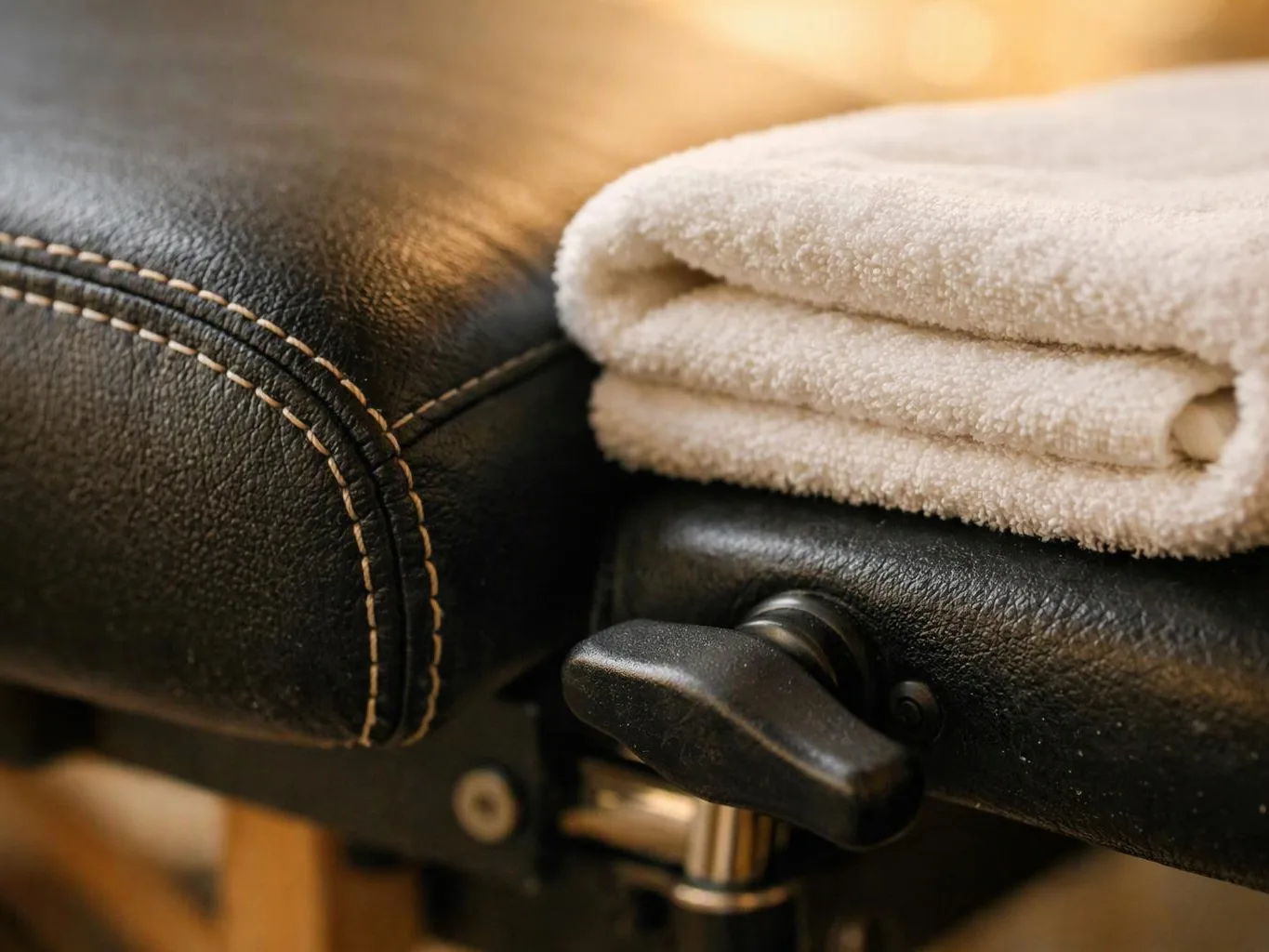
A folded white towel rests on a black leather massage table with stitched seams and an adjustment lever

Spinal Decompression Therapy in Other Areas

The health and wellness information on this website is for general informational purposes only and is not medical advice. It does not create a provider-patient relationship. Always consult a qualified licensed provider in Hendersonville, TN, United States about your specific condition before making care decisions. Individual results vary.

(615) 265-0412