
Skip to content

Dry Needling in White House, Tennessee

Trigger points can keep muscle tension from settling, and Advanced Injury Care Clinic treats them in White House. We assess the area first and match care to your needs.

Licensed & InsuredWarranty AvailableUpfront, Transparent PricingServing 21 Communities

Quick Summary: Needling Treatment in White House, Tennessee

Dry Needling in White House is provided by Advanced Injury Care Clinic for muscle tension, restricted movement, and related pain. Care includes an individualized evaluation and may support recovery across White House, Hendersonville, Goodlettsville, Madison, Gallatin, and nearby Middle Tennessee communities.

  • What we do: Advanced Injury Care Clinic provides dry needling for suitable patients in White House, Tennessee after an individualized evaluation.
  • What is included: Trigger point assessment, thin-needle treatment, soft tissue care, corrective exercises, and chiropractic support.
  • What you get: The treatment plan identifies suitable care for muscle tension and supports improved movement.

Why do trigger points keep causing muscle tightness?

Trigger points can keep muscles tense when nearby tissue stays irritated or movement remains limited. An assessment helps identify whether dry needling fits your symptoms.

Dry Needling for Trigger Points in White House

Dry needling is used for muscle knots, muscle tension, and movement limits that remain after strain or injury. The service may suit people with sports injuries, work-related injuries, auto accident injuries, back pain, neck pain, or joint discomfort.

The key decision is whether tight muscle tissue contributes to your symptoms. We begin with a health history and exam, then discuss whether thin needles, soft tissue therapy, spinal adjustments, or therapeutic exercises fit your condition.

Dry needling isn't the right choice for every concern. Severe unexplained symptoms, open skin problems, or a need for medical care may call for a different next step. We explain the findings before treatment begins.

  • Your health history and current symptoms are reviewed before treatment.
  • The painful area and nearby muscle movement are checked.
  • Needle treatment is considered only when it fits your condition.
  • Related care may include soft tissue therapy, spinal adjustments, or therapeutic exercises.
  • Your treatment plan reflects your symptoms, goals, and response to care.
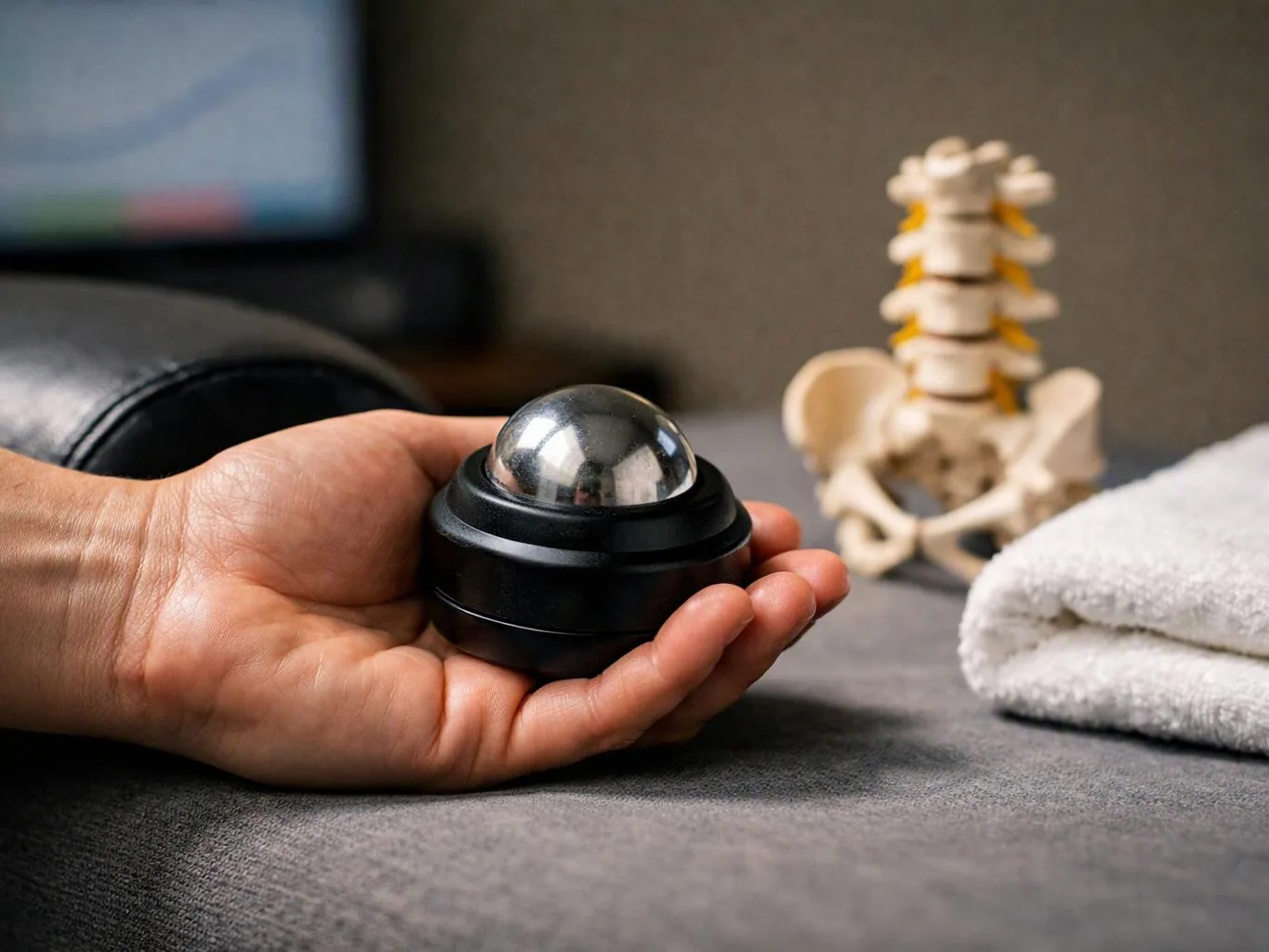
A spine and pelvis model sits beside folded towels, a pen, and an appointment card on a wooden table

Service Overview

Dry needling is a treatment that uses thin needles in selected muscles to address tight tissue and trigger points.

  • It differs from spinal adjustments because it targets muscle tissue, while an adjustment focuses on joint movement.
  • Advanced Injury Care Clinic provides dry needling for patients in White House and nearby Middle Tennessee communities.

What This Treatment May Change

Targeted muscle care may support improved movement when tight tissue limits a joint.

Dry needling may help reduce muscle tension linked to strain or injury.

The assessment connects the treatment choice to your symptoms and daily goals.

Combining muscle care with exercises may support steadier movement between appointments.

Patients receive clear information about what the treatment addresses and what it does not.

What Muscle Needling Treatment Includes

Advanced Injury Care Clinic provides comprehensive Dry Needling in White House. Here's what you get:

  • We review your health history, symptoms, and movement concerns before treatment.
  • We examine the muscle area linked to your pain or restricted movement.
  • We explain how thin needles may address tight muscle tissue.
  • We provide dry needling when our assessment shows that it suits your needs.
  • We may pair treatment with soft tissue therapy, spinal adjustments, or corrective exercises.
  • We discuss follow-up care and practical self-care steps for your treatment plan.

How We Approach Muscle Tension Care

Assessment before needle treatment

A health history and exam help us decide whether dry needling fits your symptoms. We don't use it when another type of care better matches the concern.

Care matched to movement limits

Restricted movement can involve muscles, joints, or both. Our team may combine muscle treatment with chiropractic adjustments or corrective exercises when the findings support that plan.

Clear treatment boundaries

Dry needling addresses selected muscle tissue. It doesn't replace medical care for serious symptoms, infection, major trauma, or conditions outside chiropractic treatment.

Personalized patient care plans

Our licensed chiropractor reviews your findings and explains the care plan in plain language. Individual response differs, so we adjust care around your progress and goals.

Process

The Steps Before and During Treatment

1

Review your health history

We discuss your symptoms, injuries, health history, and daily movement concerns before selecting treatment.

2

Check muscle and joint movement

The exam looks at the painful area, nearby muscle tension, and joint movement that may affect your symptoms.

3

Explain the treatment choice

We explain whether dry needling fits your findings and how it may work with chiropractic care or exercises.

4

Apply focused needle treatment

When appropriate, we use thin needles in selected muscle tissue based on the treatment plan.

5

Review follow-up care

We discuss movement, self-care, and any supportive treatment that matches your response and goals.

How Treatment Options Address Different Tissues

This table compares the main types of care that may appear in an individualized plan.

TreatmentMain focusHow it may fit
Dry needlingSelected muscle tissueMay suit muscle tension and restricted movement after an evaluation
Spinal adjustmentJoint movementMay suit movement limits linked to spinal or joint function
Therapeutic exerciseActive movement and controlMay support strength, mobility, and progress between visits

The Advanced Injury Care Clinic Standard

  • Individualized Assessments
  • Pre-Care Discussions
  • Personalized Care Plans
  • Appropriate Techniques

Questions About Muscle Needling Treatment

What is dry needling used for?

Advanced Injury Care Clinic uses dry needling for suitable cases involving trigger points, muscle tension, and restricted movement. The first visit includes a health history and exam. We then decide whether thin-needle treatment fits the concern. Care may also include soft tissue therapy, spinal adjustments, or therapeutic exercises when those services support the plan.

What should be checked before treatment is scheduled?

Your health history, symptoms, skin condition, and movement should be checked before treatment is scheduled. We review current injuries and relevant health concerns during the evaluation. This step helps us decide whether muscle treatment is suitable or whether another form of care should come first.

What happens at each stage of the treatment?

The treatment begins with an evaluation, continues with a suitability discussion, and ends with care guidance.

  1. We review your symptoms and health history.
  2. We examine muscle and joint movement.
  3. We explain needle placement and related care.
  4. We discuss follow-up movement and self-care.

What does the clinician look at first?

The first check focuses on your symptoms, health history, and the movement of the affected area. We look for muscle tension, joint limits, and signs that another concern needs attention. These findings guide the treatment plan and help us avoid choosing a service that doesn't fit.

Which conditions may fit this treatment?

Sports injuries, work-related injuries, auto accident injuries, back pain, neck pain, and joint discomfort may fit after an evaluation. Suitability depends on the cause of the symptoms and the exam findings. Our team explains whether muscle treatment, chiropractic care, rehabilitation, or another step best matches your needs.

How does this differ from a chiropractic adjustment?

Dry needling targets selected muscle tissue, while a chiropractic adjustment focuses on joint movement. Some care plans include both when muscle tension and joint restriction affect the same movement. We choose the combination after reviewing your symptoms and examining how the area functions.

Why might exercises follow needle treatment?

Therapeutic exercises help you practice movement after the treatment addresses selected muscle tissue. Exercises may focus on control, strength, or range of motion. We choose them according to your findings and goals, and individual response differs.
Contact

Discuss Dry Needling in White House

Are tight muscles or limited movement affecting your day? Advanced Injury Care Clinic can discuss your symptoms, assess your needs, and explain whether dry needling fits your care plan.

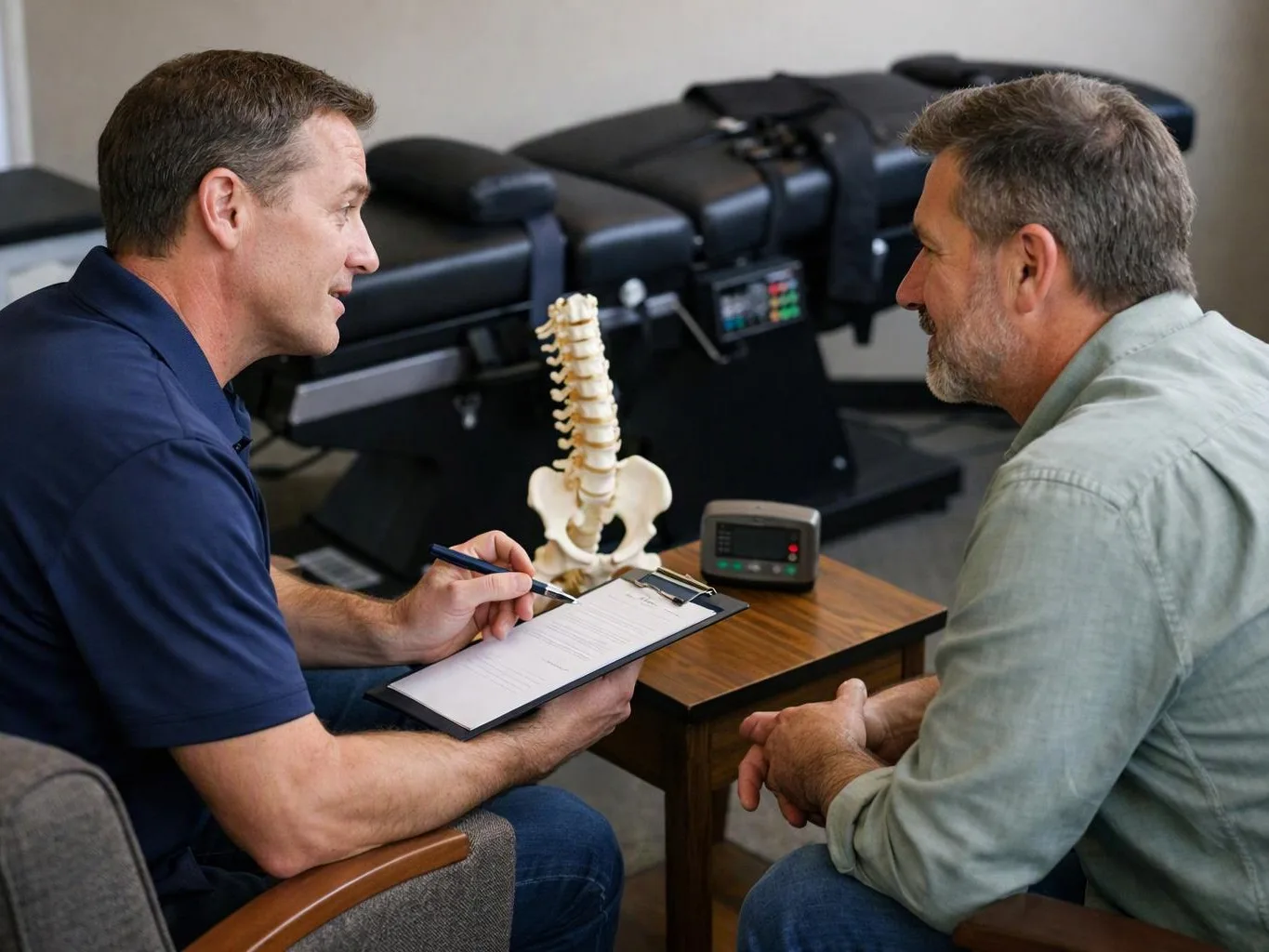
Two men talk in a clinic, with one holding a clipboard beside a spine model and treatment table

The health and wellness information on this website is for general informational purposes only and is not medical advice. It does not create a provider-patient relationship. Always consult a qualified licensed provider in Hendersonville, TN, United States about your specific condition before making care decisions. Individual results vary.

(615) 265-0412