Skip to content

Spinal Decompression Therapy in Green Hill, Tennessee

Assessing degenerative changes guides spinal decompression therapy for patients in Green Hill. We review symptoms and movement before building a care plan.

Licensed & InsuredWarranty AvailableUpfront, Transparent PricingServing 21 Communities

Quick Summary: Spinal decompression care in Green Hill, Tennessee

Spinal Decompression Therapy in Green Hill is provided by Advanced Injury Care Clinic for back pain, neck pain, sciatica symptoms, and mobility concerns. Care may include evaluation, spinal decompression, corrective exercises, and injury rehabilitation across Hendersonville, Goodlettsville, Madison, Gallatin, and nearby Middle Tennessee communities.

  • What we do: Advanced Injury Care Clinic provides Spinal Decompression Therapy for patients in Green Hill, Tennessee, with care based on an individualized evaluation.
  • What is included: Key capabilities include health history review, movement assessment, spinal decompression, corrective care, therapeutic exercise, and injury rehabilitation.
  • What you get: Spinal decompression therapy supports improved movement and helps guide the next step in care for back, neck, and leg symptoms.

What conditions may benefit from spinal decompression therapy in Green Hill, Tennessee?

Degenerative changes, sciatica symptoms, back pain, and neck pain may benefit from spinal decompression therapy after an individualized evaluation. The assessment helps determine whether this treatment fits the patient’s symptoms and goals.

Spinal Decompression Therapy in Green Hill, Tennessee for Degenerative Changes

Spinal decompression therapy focuses on patients whose symptoms may relate to pressure, limited movement, or changes in spinal structures. The service may suit people with back pain, neck pain, or sciatica symptoms after a clinical review.

Patients need more than a symptom label before choosing care. Our team checks health history, movement, and relevant findings, then explains whether spinal decompression fits the treatment plan. The key decision is suitability, not simply choosing the newest treatment.

Care may include a spinal decompression table, spinal adjustments, soft tissue therapy, or therapeutic exercises. Results vary, and this service isn't the right fit for every condition. Severe or unusual symptoms may call for another medical evaluation.

  • Review the health history and current symptoms before treatment.
  • Check whether back, neck, or leg symptoms fit spinal decompression care.
  • Discuss corrective exercises and supportive treatments that may complement decompression.
  • Ask how progress will be checked during the personalized treatment plan.
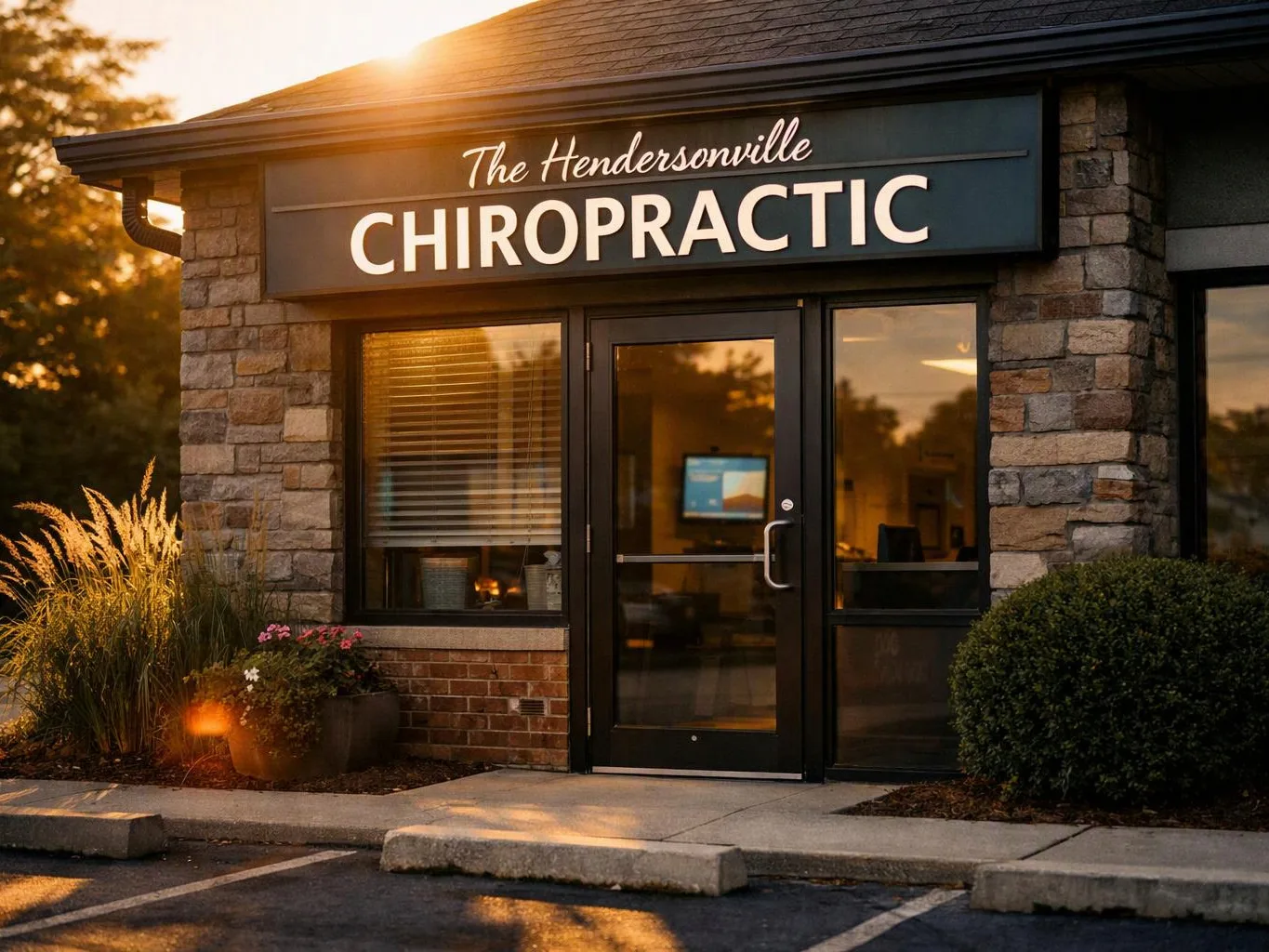
A stone clinic entrance displays “CHIROPRACTIC” above glass doors in warm sunset light

Service Overview

Spinal decompression therapy is a non-surgical treatment approach that uses controlled spinal traction to address selected back or neck concerns.

  • Unlike a spinal adjustment, decompression uses gentle unloading and traction, while adjustments focus on joint movement.
  • Advanced Injury Care Clinic provides this care for Green Hill patients and nearby Middle Tennessee communities.

What spinal decompression care includes

Advanced Injury Care Clinic provides comprehensive Spinal Decompression Therapy in Green Hill. Here's what you get:

  • An individualized evaluation helps us understand symptoms, movement, and care needs.
  • A health history and exam guide the treatment decision.
  • Spinal decompression uses controlled traction through a spinal decompression table.
  • Corrective care and therapeutic exercises may support improved movement.
  • Injury rehabilitation may address function after auto, work-related, or sports injuries.
  • Follow-up review helps us assess progress and adjust the care plan.
Process

How spinal decompression care is planned

1

Review symptoms and health history

Our team completes a new patient intake and reviews pain, movement limits, prior injuries, and relevant health information.

2

Complete the clinical evaluation

We assess spinal movement and related findings. X-rays may be considered if clinically indicated.

3

Discuss the treatment plan

The report of findings explains whether spinal decompression fits the condition and whether corrective care or exercise should be included.

4

Apply controlled spinal traction

A spinal decompression table delivers the planned traction while our team monitors comfort and response.

5

Check progress and adjust care

A progress re-examination helps us review movement and decide whether the plan should continue or change.

Why patients choose this approach for spinal symptoms

Assessment before treatment

A new patient intake and health history help us decide whether traction-based care fits the symptoms. Patients get a clear treatment direction before care begins.

Care matched to movement

Movement findings guide the plan, which may include a spinal decompression table, spinal adjustments, or corrective exercises. The right mix depends on the patient’s condition.

A clear limit on suitability

Spinal decompression is the wrong choice when symptoms need a different medical evaluation or when the clinical findings do not support traction-based care.

What this treatment may change for you

Spinal decompression may support improved movement when back or neck symptoms limit daily activity.

Controlled traction gives our team another care option for selected spinal concerns.

Patients receive a treatment plan tied to their symptoms and movement goals.

Therapeutic exercises may help build better movement habits between visits.

A clinical review helps separate a suitable treatment choice from a poor fit.

Spinal care options and their main focus

These approaches differ by the type of movement or support they provide.

Treatment approachMain focusHow it may fit
Spinal decompressionControlled spinal tractionSelected back or neck concerns after evaluation
Spinal adjustmentDirected joint movementMobility concerns that fit hands-on chiropractic care
Corrective exerciseMovement, strength, and functionSupportive care between visits or during rehabilitation

The Advanced Injury Care Clinic Standard

  • Individualized Assessments
  • Pre-Care Discussions
  • Personalized Care Plans
  • Appropriate Techniques

Questions about spinal decompression care

What conditions may benefit from spinal decompression therapy?

Degenerative changes, sciatica symptoms, back pain, and neck pain may benefit from spinal decompression therapy after evaluation. The assessment reviews symptom patterns, movement, and health history. Our team then explains whether traction-based care fits the patient’s needs. Individual response differs, and the treatment does not guarantee a specific result.

What should be checked before treatment is scheduled?

A health history, symptom review, and movement exam should be checked before treatment is scheduled. The evaluation helps identify factors that affect suitability. X-rays may be considered if clinically indicated. Patients should also share prior injuries, current care, and changes in strength or sensation.

Who is a good fit for spinal decompression, and who needs another service?

Patients with selected back or neck concerns may be good candidates after an evaluation. Our team may recommend another service when findings do not support traction-based care or symptoms need a different medical review. Care choices may include adjustments, corrective exercises, or injury rehabilitation.

What happens at each stage of spinal decompression therapy?

Spinal decompression care starts with intake and a clinical evaluation, followed by treatment planning and controlled traction.

  1. We review symptoms and health history.
  2. We assess movement and relevant findings.
  3. We explain the plan and use the spinal decompression table when appropriate.
  4. We review progress and adjust care.

Which symptoms should receive medical attention before chiropractic care?

Sudden weakness, major loss of sensation, severe injury, or new bowel or bladder changes need medical attention before chiropractic care. Patients with these warning signs should seek prompt medical evaluation. Our team can discuss chiropractic treatment after urgent concerns receive proper review.

How does spinal decompression differ from corrective exercise?

Spinal decompression uses controlled traction, while corrective exercise uses movement drills to support strength and function. Both may appear in a personalized care plan when the clinical findings support them. Our team chooses the approach based on symptoms, movement, and treatment goals.

Why might a patient need more than one type of chiropractic treatment?

Patients may need more than one treatment type because pain and movement limits can involve the spine, muscles, and daily habits. A plan may combine decompression, spinal adjustments, soft tissue therapy, and exercises. Each part has a different role, so the mix is reviewed during follow-up care.
Contact

Discuss spinal decompression therapy in Green Hill

Green Hill patients can discuss degenerative changes, sciatica symptoms, back pain, and neck pain with our team. Advanced Injury Care Clinic offers free estimates and appointment-based assessments.

A smiling man holds a clipboard in a tidy exam room beside a padded treatment table

Spinal Decompression Therapy in Other Areas

The health and wellness information on this website is for general informational purposes only and is not medical advice. It does not create a provider-patient relationship. Always consult a qualified licensed provider in Hendersonville, TN, United States about your specific condition before making care decisions. Individual results vary.

(615) 265-0412