Skip to content

Spinal Decompression Therapy in Millersville, Tennessee

Computerized traction guides the session for patients in Millersville. We adjust the treatment harness and positioning to support comfort during care.

Licensed & InsuredWarranty AvailableUpfront, Transparent PricingServing 21 Communities

Quick Summary: spinal decompression therapy in Millersville, Tennessee

Spinal Decompression Therapy Millersville care is provided by Advanced Injury Care Clinic for spinal decompression, back pain, neck pain, and mobility concerns across Millersville, Hendersonville, Goodlettsville, Madison, Gallatin, and nearby Middle Tennessee communities. Care starts with an individualized evaluation and may include corrective care, therapeutic exercises, and injury rehabilitation.

  • What we do: Advanced Injury Care Clinic provides spinal decompression therapy in Millersville, Tennessee, with evaluation-led care for back pain, sciatica, and mobility concerns.
  • What is included: individualized evaluations, spinal decompression, treatment positioning, comfort adjustments, corrective care, and therapeutic exercises.
  • What you get: The treatment plan identifies suitable care steps that support improved movement and recovery goals.

Why does back pain keep returning after rest?

Recurring back pain can involve more than one factor, including restricted movement, disc-related irritation, or weak support from surrounding muscles. A chiropractic evaluation reviews your health history, symptoms, and movement before treatment is selected. Spinal decompression therapy may be considered when the findings and treatment goals fit this approach.

How We Serve Clients in Millersville

This page is for patients who want to understand what happens during a spinal decompression session before scheduling care. The main decision is whether controlled traction fits your symptoms, health history, and movement goals.

A new patient intake and health history help our team understand the problem. We may perform an exam and use X-rays if clinically indicated. A report of findings then guides the personalized treatment plan.

The session itself includes positioning, harness placement, controlled traction, and comfort checks. The treatment does not replace an evaluation, and it isn't suitable for every condition. Our team discusses other chiropractic care, corrective exercises, or injury rehabilitation when those options better fit the findings.

  • Review your symptoms, health history, and movement concerns before treatment.
  • Ask how the treatment harness supports your position during the session.
  • Tell our team about discomfort so we can make comfort adjustments.
  • Discuss whether spinal decompression fits your treatment goals.
  • Follow the personalized care plan and attend progress re-examinations when scheduled.
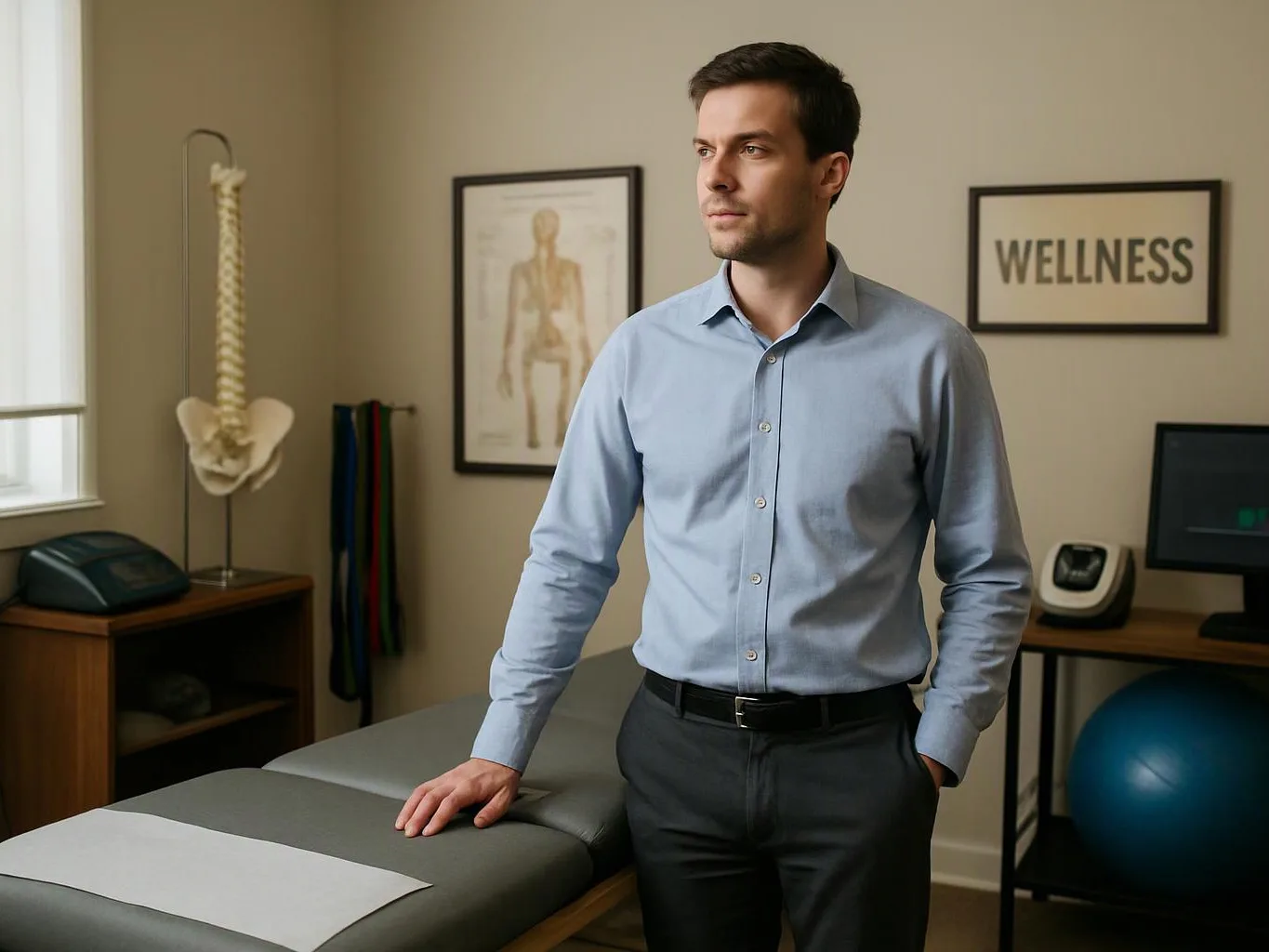
A man in a blue shirt stands beside a treatment table in a wellness exam room

Service Overview

Spinal decompression therapy is a guided treatment that uses controlled traction to reduce pressure through the spine and support movement.

  • It differs from spinal adjustments because the session focuses on controlled traction and positioning, while adjustments use directed movement to address joint motion.
  • Millersville patients can receive this care through Advanced Injury Care Clinic, which also serves Hendersonville, Goodlettsville, Gallatin, and nearby Middle Tennessee communities.

What this treatment may change for your movement

Controlled traction may support improved movement for some patients with back or neck concerns.

A guided session gives our team a way to monitor comfort during treatment.

Care plans connect spinal decompression with exercises or corrective care when those steps fit your needs.

An evaluation helps separate symptoms that may suit traction from concerns that need another treatment path.

Regular maintenance may support ongoing movement goals after active injury care ends.

What spinal decompression therapy includes for your visit

Advanced Injury Care Clinic provides comprehensive Spinal Decompression Therapy in Millersville. Here's what you get:

  • Your visit includes an individualized evaluation before treatment is selected.
  • Our team explains the session position and places the treatment harness for guided traction.
  • Controlled traction is applied through a spinal decompression table.
  • Comfort adjustments address positioning and how your body responds during care.
  • Your treatment plan may include spinal adjustments, corrective care, or therapeutic exercises when appropriate.
  • Follow-up care may include a progress re-examination to review movement and symptoms.
Process

How a spinal decompression session is done

1

Review symptoms and health history

Our team reviews your new patient intake, health history, and current movement concerns before selecting treatment.

2

Complete the clinical evaluation

An exam checks movement and symptoms. X-rays may be considered if clinically indicated.

3

Position the treatment harness

We place the treatment harness and explain how your body will rest on the spinal decompression table.

4

Apply controlled traction

Controlled traction begins according to the treatment plan, and our team checks your comfort during the session.

5

Review the next care step

After treatment, we discuss your response and connect the visit to exercises, corrective care, or follow-up when appropriate.

What you receive from a careful treatment plan

Evaluation before traction

The right decision starts with a health history and exam. Spinal decompression is the wrong fit when your findings call for another form of care or medical evaluation.

A session explained clearly

You learn how positioning, the treatment harness, and comfort checks work before the session begins. Questions are addressed as part of the visit.

Care matched to your goals

Our team connects treatment choices to your symptoms, movement needs, and recovery goals. The plan may include exercises, corrective care, or supportive treatments.

How traction-based care differs from related treatment

This comparison shows how the main treatment approaches differ in method and purpose.

Treatment approachMain methodWhen it may fit
Spinal decompression therapyControlled traction with guided positioningWhen evaluation findings support traction-based care
Spinal adjustmentDirected movement to address joint motionWhen the care plan includes adjustment-based treatment
Therapeutic exercisePlanned movements that support strength and functionWhen movement goals include active rehabilitation

The Advanced Injury Care Clinic Standard

  • Individualized Assessments
  • Pre-Care Discussions
  • Personalized Care Plans
  • Appropriate Techniques

Questions about spinal decompression sessions

What should I expect during a spinal decompression session?

Computerized traction guides the session after your evaluation and positioning are complete. We place a treatment harness, position you on a spinal decompression table, and check your comfort as traction begins. Our team can make comfort adjustments during care. The visit may also include a discussion of exercises or corrective care that supports your treatment plan.

How can I tell whether spinal decompression fits my symptoms?

An individualized evaluation determines whether spinal decompression fits your symptoms and care goals. The review includes your health history, movement concerns, and clinical findings. Sciatica, back pain, or neck pain alone doesn't decide suitability. Our team may recommend another treatment approach when the examination points elsewhere.

Which part of the treatment decides the session scope?

The evaluation decides the session scope by linking your symptoms with movement findings and treatment goals. Relevant details include your health history, exam findings, and whether X-rays are clinically indicated. Those findings guide the treatment plan, related exercises, and follow-up care.

Which material changes how long spinal decompression takes?

The treatment plan determines the session length, not a single material. Positioning needs, comfort adjustments, evaluation findings, and related care can affect the visit. Our team explains the planned steps before treatment and changes the session when your response calls for a different approach.

Why might an adjustment be recommended with traction?

A spinal adjustment may be recommended when joint movement needs attention alongside traction. Adjustments use directed movement, while decompression focuses on controlled traction and positioning. Our team selects either approach, or both, from the findings and goals in your personalized care plan.

What should I bring to my first appointment?

Bring a list of current symptoms, relevant health history, and information about prior injuries or treatments. Medical records or imaging may help when they relate to your concern. Our team completes a new patient intake and explains whether more clinical information is needed before treatment.

Can this care address an injury from work or a vehicle accident?

Chiropractic care may address work-related injuries and auto accident injuries after an individualized evaluation. The treatment plan depends on your symptoms, examination findings, and recovery goals. Our team may include spinal decompression, injury rehabilitation, corrective care, or therapeutic exercises when those services fit the condition.
Contact

Schedule a spinal decompression assessment in Millersville

A consultation gives you clear answers about fit, session positioning, and the next step for your symptoms. Advanced Injury Care Clinic offers free estimates and personalized treatment planning for patients seeking spinal decompression therapy.

Hands hold a glass and water carafe on a wooden table beside a lamp and tissue box

Spinal Decompression Therapy in Other Areas

The health and wellness information on this website is for general informational purposes only and is not medical advice. It does not create a provider-patient relationship. Always consult a qualified licensed provider in Hendersonville, TN, United States about your specific condition before making care decisions. Individual results vary.

(615) 265-0412