Skip to content

Spinal Decompression Therapy in Walnut Grove, Tennessee

Comfort adjustments follow an individualized evaluation for patients in Walnut Grove. We explain each step before treatment begins.

Licensed & InsuredWarranty AvailableUpfront, Transparent PricingServing 21 Communities

Quick Summary: spinal decompression therapy in Walnut Grove, Tennessee

Spinal Decompression Therapy in Walnut Grove is provided by Advanced Injury Care Clinic for back pain, neck pain, sciatica, and mobility concerns. We serve Hendersonville, Goodlettsville, Madison, Gallatin, and nearby Middle Tennessee communities through individualized evaluations and treatment plans.

  • What we do: Advanced Injury Care Clinic provides Spinal Decompression Therapy in Walnut Grove, Tennessee, after an individualized evaluation.
  • What is included: Health history review, symptom assessment, session positioning, computerized traction, and supportive chiropractic care.
  • What you get: The patient receives a treatment plan matched to current symptoms, movement concerns, and care goals.

What should I expect during a spinal decompression session?

Comfort adjustments come first, followed by positioning, harness placement, and controlled traction. The session plan reflects your symptoms and clinical evaluation.

Spinal Decompression Therapy in Walnut Grove, Tennessee for Careful Session Planning

Spinal decompression therapy suits patients who want care for back pain, neck pain, sciatica, or reduced movement. The first decision is whether controlled traction fits the patient’s symptoms and health history.

A visit may include a new patient intake, health history and exam, and a report of findings. X-rays may be considered if clinically indicated. We then discuss whether a spinal decompression table, spinal adjustments, corrective care, or injury rehabilitation best matches the concern.

Patients in Walnut Grove can request this focused service through Advanced Injury Care Clinic. The key choice is fit, not a preset treatment sequence. Individual response differs, so we review progress and adjust care when needed.

  • Review symptoms, health history, and current movement limits.
  • Discuss whether controlled traction fits the patient’s condition.
  • Explain session positioning, harness placement, and computerized traction.
  • Choose supportive care such as adjustments, exercises, or rehabilitation when appropriate.
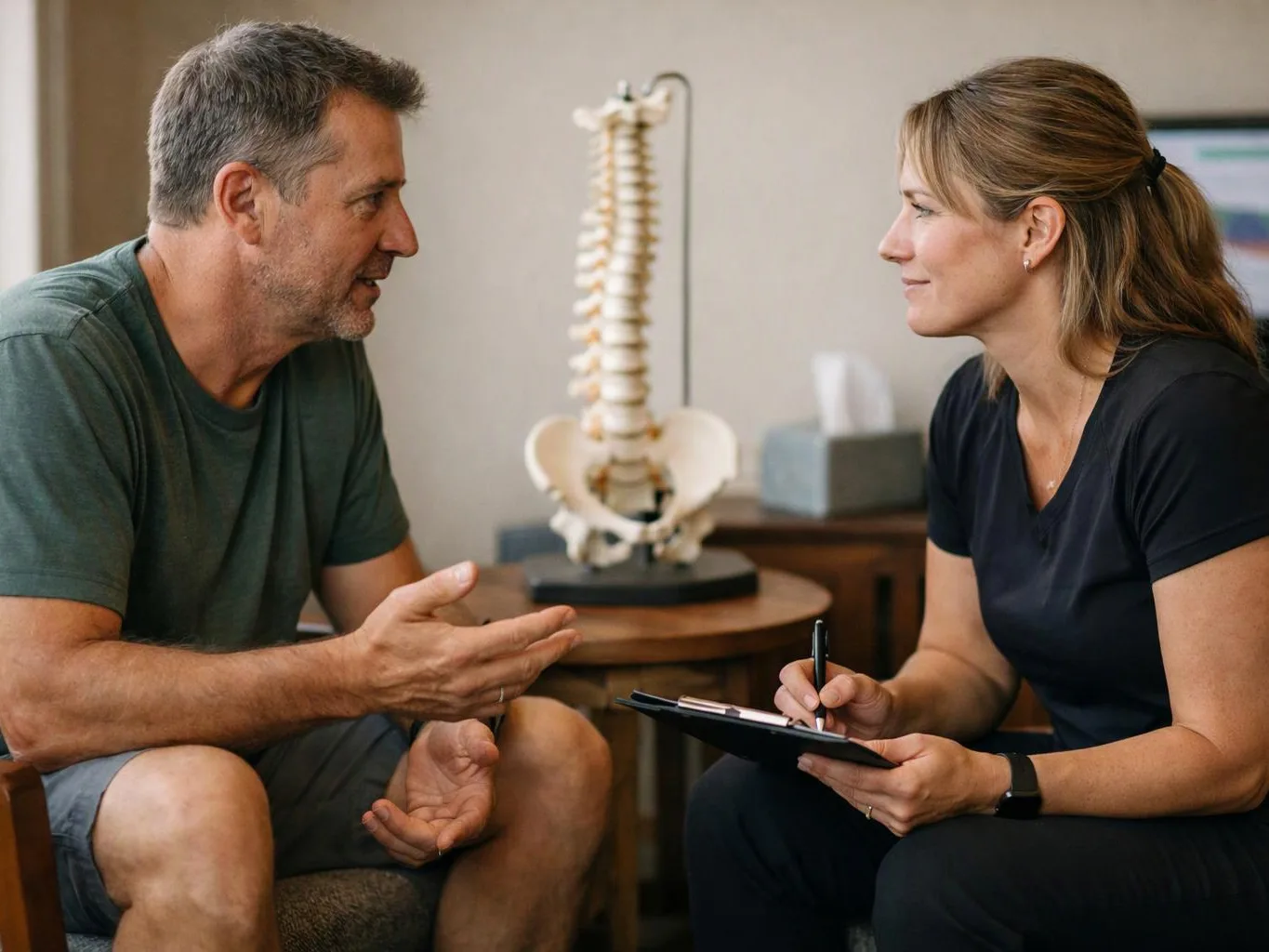
Two men sit at a wooden table, one writing on a clipboard while they talk in a bright room

Service Overview

Spinal decompression therapy is a noninvasive treatment that uses controlled traction to place gentle movement through the spine.

  • Unlike a spinal adjustment, traction uses a table and harness to guide repeated pulling and release without a quick thrust.
  • We provide this care in Walnut Grove and serve nearby Middle Tennessee communities.

What patients may gain from controlled spinal traction

Controlled traction may support improved movement for some patients with back or neck discomfort.

A guided session gives you time to report pressure, pulling, or other sensations as care proceeds.

The treatment plan connects spinal decompression with exercises, adjustments, or rehabilitation when those services fit.

Regular maintenance may support movement goals after the active concern has been reviewed.

What spinal decompression therapy includes for your visit

Advanced Injury Care Clinic provides comprehensive Spinal Decompression Therapy in Walnut Grove. Here's what you get:

  • We complete an individualized evaluation before selecting a treatment approach.
  • We review your health history, symptoms, and movement concerns.
  • We explain how the spinal decompression table, treatment harness, and traction settings work.
  • We position you carefully and monitor comfort during the session.
  • We discuss a personalized treatment plan based on your condition and goals.
  • We review progress and adjust care when your needs change.
Process

How we carry out a decompression session

1

Review symptoms and health history

We begin with a new patient intake, health history, and exam. Your symptoms and movement concerns guide the treatment discussion.

2

Explain the treatment position

We show how the spinal decompression table and treatment harness support your body. You can ask questions before the session starts.

3

Set controlled traction

Computerized traction guides the pulling and release pattern. We use the treatment plan and your comfort feedback to guide the session.

4

Review your care plan

After the session, we discuss what was observed and whether supportive care, exercises, or a progress re-examination should be part of the plan.

A situation this service fits

A patient with back pain after an auto accident may want traction quickly, but the safer decision starts with an evaluation, health history, and symptom review. We use those findings to decide whether controlled decompression fits or whether another part of the injury plan should come first.

What you receive from a focused decompression visit

A clear fit check before traction

Your symptoms and health history guide the decision to use spinal decompression. We don't place every patient on the same plan, and severe or unexplained symptoms may call for another medical assessment first.

Careful positioning during treatment

Session positioning matters because the harness and table must support the intended area. We explain the setup and invite feedback before traction begins.

A plan that connects related care

Spinal decompression may sit alongside spinal adjustments, corrective care, therapeutic exercises, or injury rehabilitation. We choose related care only when it matches your needs.

How decompression differs from related chiropractic care

These options use different methods, so the evaluation helps identify the best fit.

Care optionMain methodWhen it may fit
Spinal decompression therapyControlled traction on a spinal decompression tableBack or neck concerns where guided traction is considered
Spinal adjustmentA focused manual adjustment to a spinal jointMovement concerns that fit an adjustment-based plan
Corrective exercisesGuided movements using body weight or tools such as TheraBandStrength, control, and movement goals within a broader plan

The Advanced Injury Care Clinic Standard

  • Individualized Assessments
  • Pre-Care Discussions
  • Personalized Care Plans
  • Appropriate Techniques

Questions about spinal decompression sessions

How can I tell whether spinal decompression therapy fits my symptoms?

Your health history, symptom pattern, and movement exam determine whether spinal decompression fits. Back pain, neck pain, sciatica, and mobility concerns may lead to a treatment discussion. We also consider whether another part of chiropractic or injury care better matches the problem. A consultation gives you a clear basis for that decision.

Which part of the treatment decides the session scope?

The evaluation decides the session scope by linking your symptoms with movement findings and health history. The treatment plan may include table positioning, harness placement, traction, or supportive exercises. We explain why each part is included. The plan can change after a progress re-examination when your condition or goals change.

What changes the time needed for a decompression session?

Session positioning and the treatment plan affect the time needed for decompression care. A health history review, comfort checks, and related treatment can also shape the visit. We don’t promise a fixed duration because each patient’s needs differ. We explain the planned steps before care begins.

Which material changes how spinal decompression therapy works?

The treatment table and harness shape how the body is positioned during traction. Their fit, placement, and adjustment affect comfort and the area being treated. We check positioning before computerized traction starts. No single material decides the outcome, because the clinical evaluation and patient response guide care.

What should I bring to my first chiropractic appointment?

Your health history and a list of current concerns help us plan the first visit. Bring relevant medical records or imaging when available, along with details about an auto accident, work injury, or sports injury. We review the information during intake and explain whether further assessment is needed.

Can this treatment follow an auto accident or work injury?

Spinal decompression therapy may be considered within care for an auto accident or work injury after an evaluation. We review the injury history, symptoms, and movement limits first. The plan may also include injury rehabilitation, corrective care, or exercises. Individual response differs, so follow-up findings guide future care.
Contact

Ask about spinal decompression therapy in Walnut Grove

Your first deliverable is an individualized assessment of symptoms, movement, and treatment fit. Contact Advanced Injury Care Clinic to discuss an appointment and the next step.

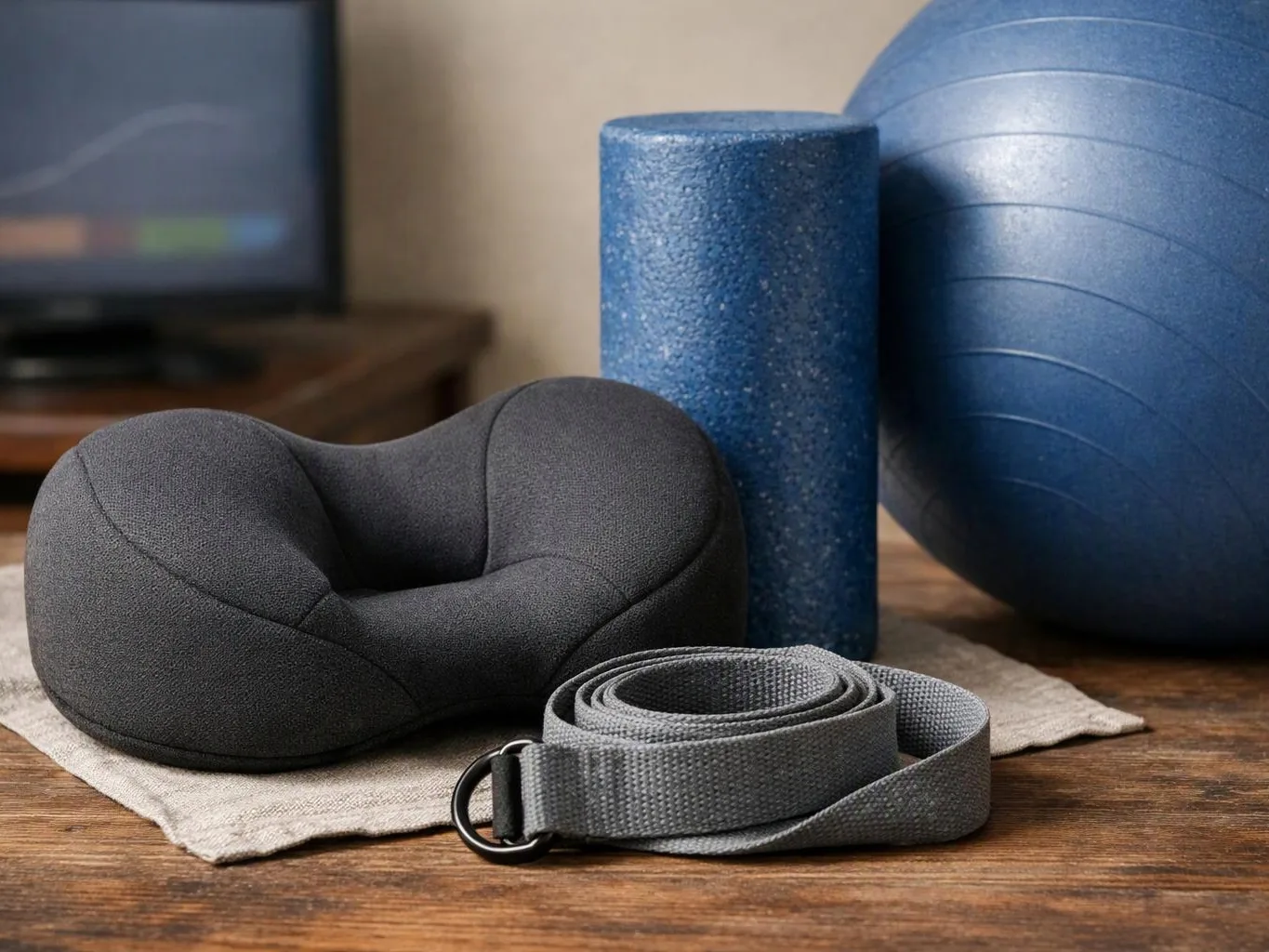
A round wooden massage stone rests on a beige towel beside a folded cloth

The health and wellness information on this website is for general informational purposes only and is not medical advice. It does not create a provider-patient relationship. Always consult a qualified licensed provider in Hendersonville, TN, United States about your specific condition before making care decisions. Individual results vary.

(615) 265-0412