What should I do after a chiropractic adjustment?
Soreness management starts with the aftercare guidance from Advanced Injury Care Clinic. Hydration, light activity, and posture awareness may support comfort after treatment. Individual response differs, so contact the clinic about sharp, worsening, or unusual symptoms. Follow-up care can adjust your plan when your symptoms or movement change.
What does the care team look at first?
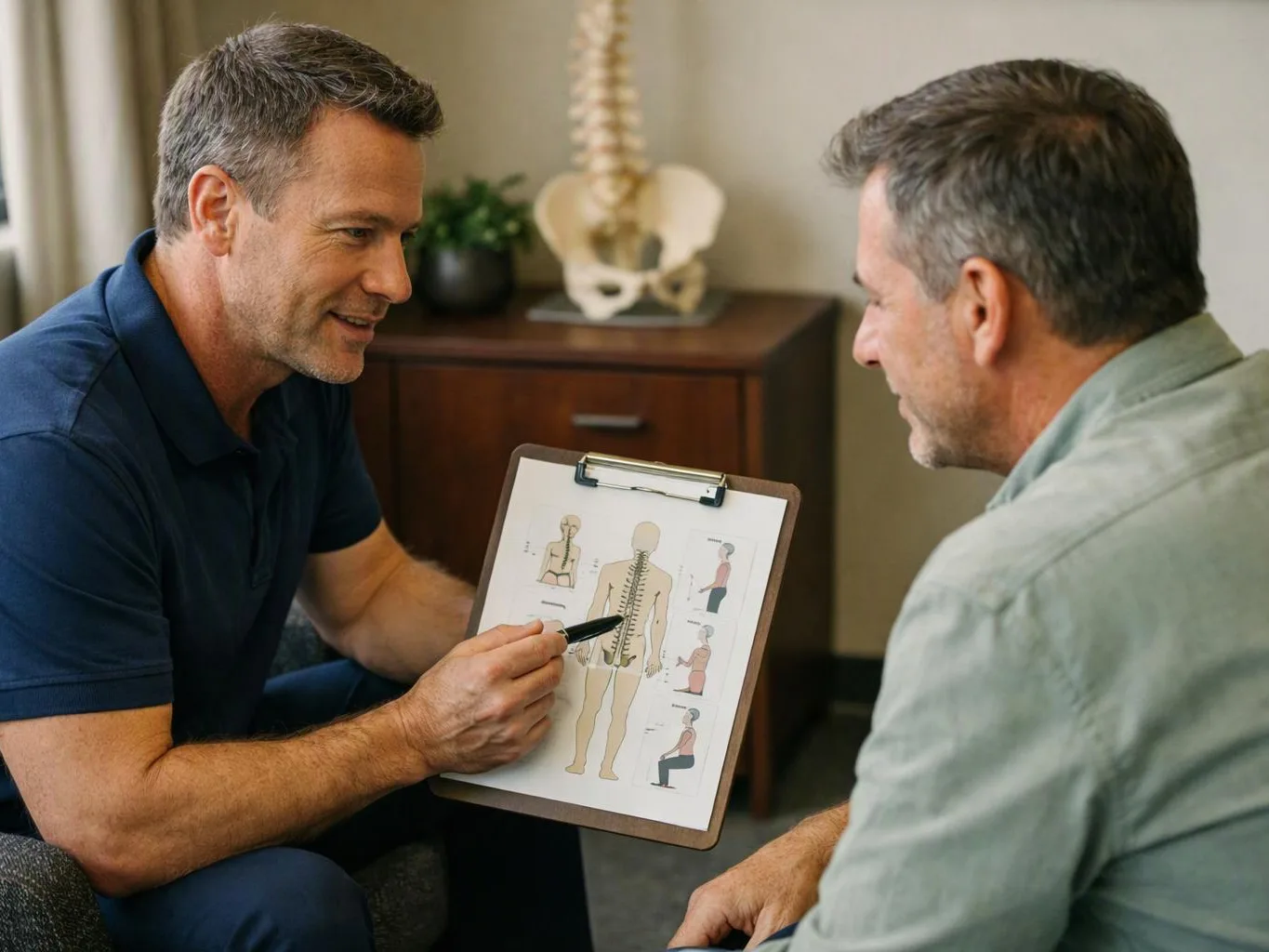
The health history and exam come first. Our team reviews symptoms, injury details, movement concerns, and your health history before choosing an adjustment method. X-rays are considered if clinically indicated. The findings guide the report of findings and the treatment plan.
What should be checked before treatment is scheduled?
The main concern, injury history, current symptoms, and treatment goals should be reviewed before care is scheduled. Patients should mention auto accidents, work injuries, sports injuries, prior treatment, and unusual symptoms. This information helps our team decide whether an adjustment fits the situation.
Who is a good fit for chiropractic adjustment?
Patients with movement concerns, back pain, neck pain, headaches, joint discomfort, or injury-related symptoms may be good candidates. Our team checks suitability during the evaluation. Severe or unusual symptoms may need medical assessment or another service before chiropractic care.
How does an adjustment differ from corrective exercise?
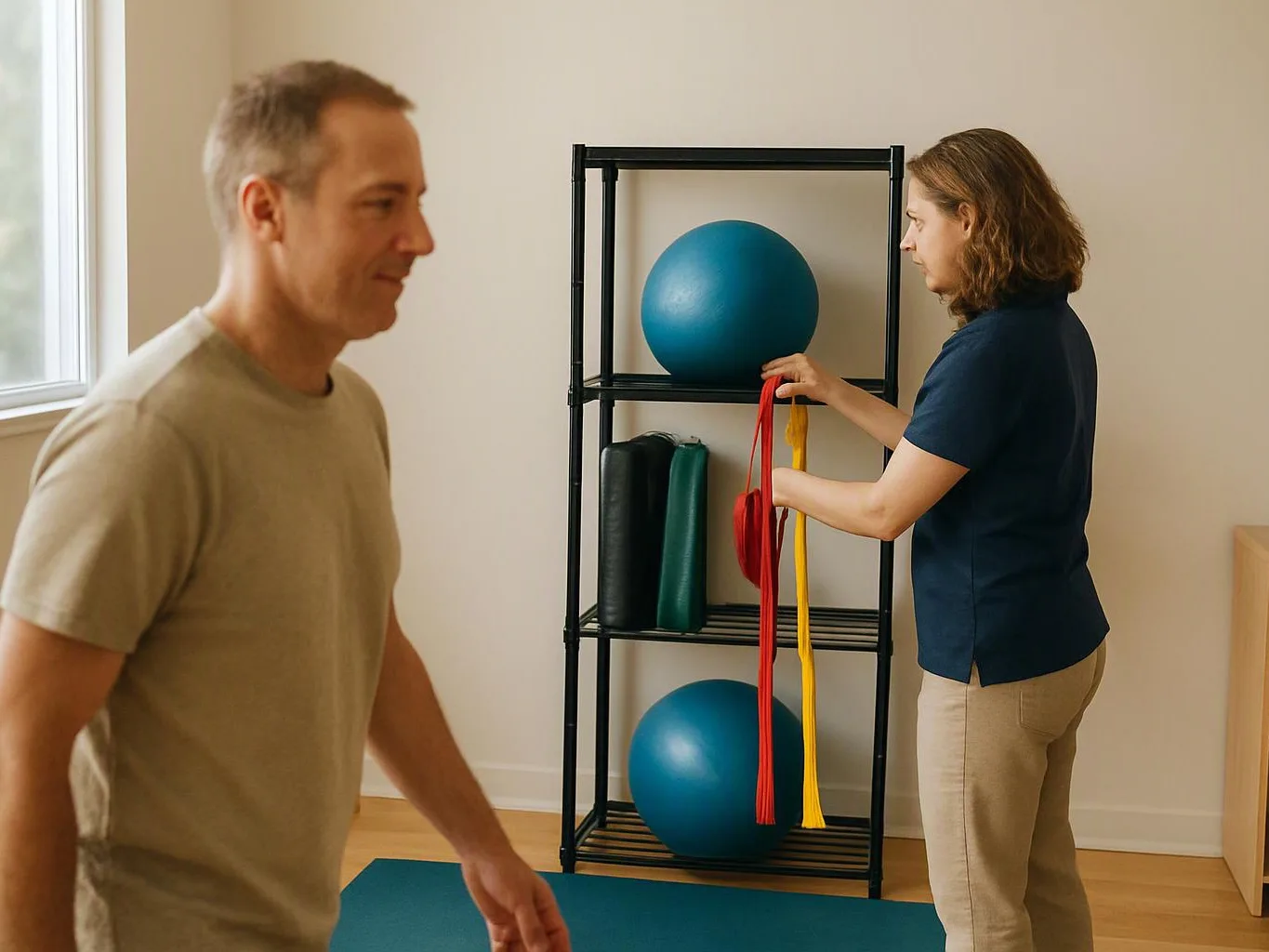
An adjustment focuses on joint movement, while corrective exercise builds movement control and strength. Our team may use both when the examination supports that plan. Exercises can help patients practice safer movement between appointments and support longer-term function.
Which symptoms should I report after treatment?
Sharp, worsening, or unusual symptoms should be reported after treatment. Mild soreness can occur as joints and muscles respond, but each patient responds differently. Tell the clinic about symptom changes so the care plan can be reviewed and adjusted when needed.
Why might pain return after an adjustment?
Pain may return when an underlying injury, movement habit, muscle tension, or daily strain remains active. Our team reviews symptom patterns, posture, movement, and treatment progress. Corrective care or therapeutic exercises may be discussed when those services fit the findings.