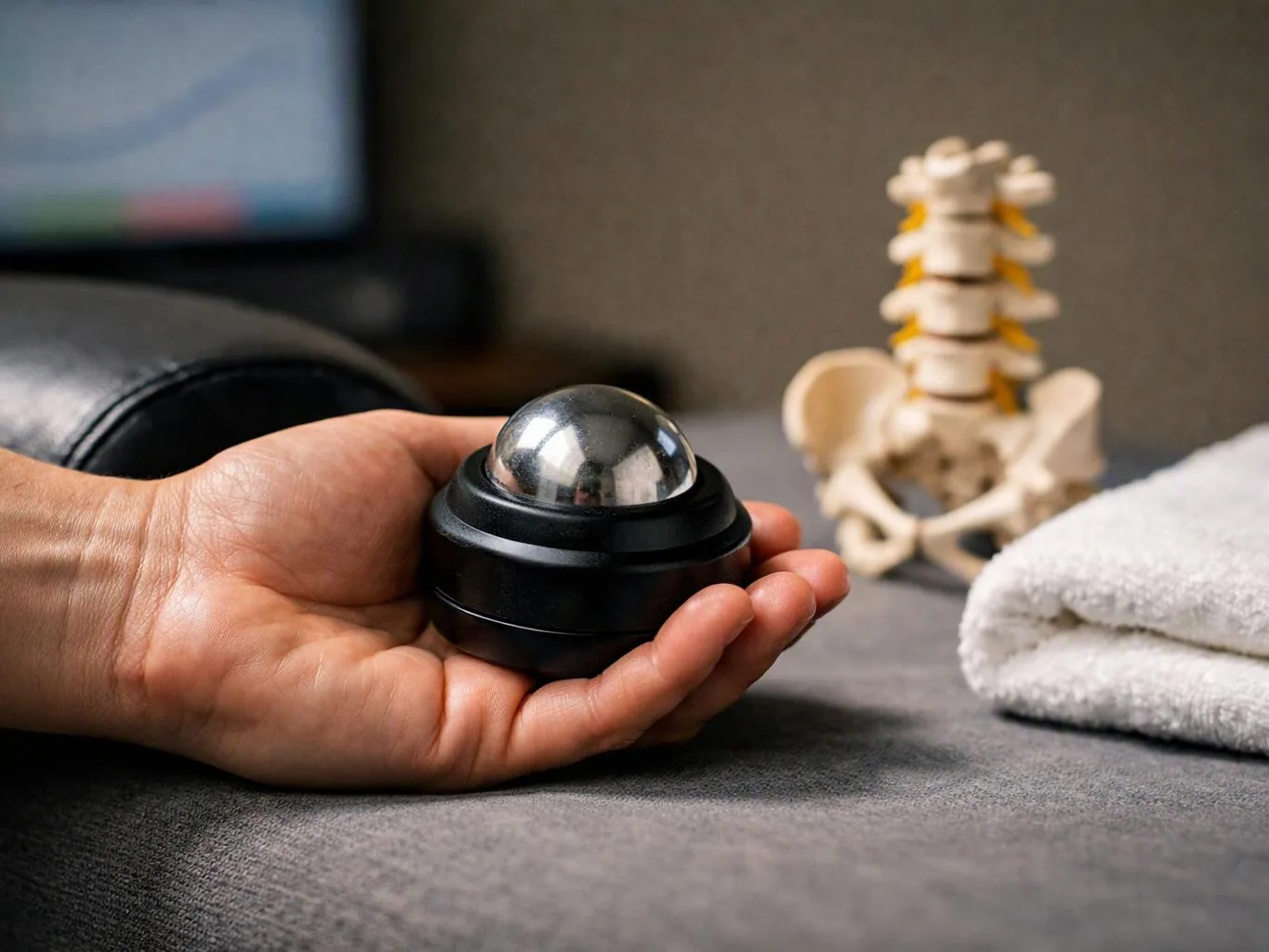
What should I do after a chiropractic adjustment?
Hydration, light activity, and posture awareness may support comfortable recovery after an adjustment. We also discuss soreness management based on your treatment plan. Avoid changing your activity level without asking about symptoms that concern you. Contact Advanced Injury Care Clinic if soreness worsens, new symptoms appear, or you need help deciding what to do next.
How is an adjustment matched to my condition before treatment starts?
The health history and exam guide the adjustment choice. We review symptoms, movement limits, injury details, and relevant health concerns. X-rays may be considered if clinically indicated. The report of findings then explains whether spinal adjustment, corrective care, rehabilitation, or another option fits the plan.
What should I have ready before chiropractic care starts?
Your symptom history and injury details give us useful starting information. Bring relevant medical records, imaging reports, and claim details when they apply. Also note activities that increase pain or stiffness. The new patient intake uses this information with the exam to shape the treatment discussion.
What should I ask before agreeing to an adjustment?
Ask what the exam found, why the adjustment fits, and what aftercare the plan includes. You can also ask about exercises, follow-up review, and warning signs that need attention. Clear answers help you understand the treatment decision before care begins.
Which conditions do you address with chiropractic care?
Our chiropractic care addresses auto accident injuries, work-related injuries, sports injuries, back pain, neck pain, headaches, and joint discomfort. The evaluation determines which treatment options fit. Care may include spinal adjustments, corrective care, injury rehabilitation, therapeutic exercises, or supportive treatments.
Can exercises be part of an adjustment plan?
Therapeutic exercises can be part of a treatment plan when movement control needs support. Exercises differ from an adjustment because they ask you to practice active movement. We choose them based on your findings and explain how they relate to your care.
When should soreness after treatment receive attention?
Soreness deserves attention when it worsens, changes, or comes with new symptoms. We review the affected area, recent activity, and treatment plan before advising on the next step. Severe or changing symptoms may need medical evaluation.