Skip to content

Spinal Decompression Therapy in Portland, Tennessee

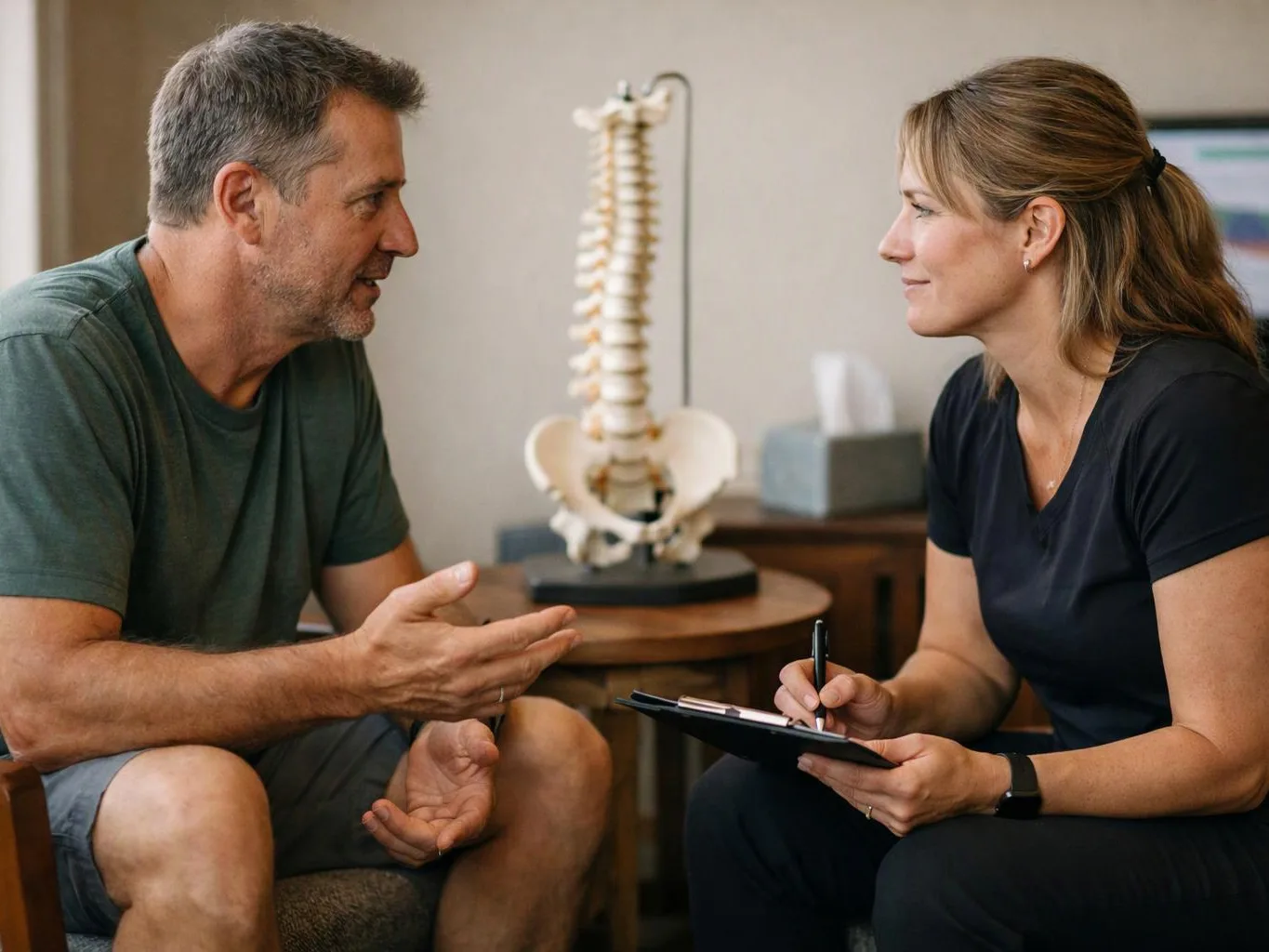
Session positioning is checked before treatment begins in Portland. Our licensed chiropractor adjusts support and comfort based on your evaluation.

Licensed & InsuredWarranty AvailableUpfront, Transparent PricingServing 21 Communities

Quick Summary: spinal decompression therapy in Portland, Tennessee

Spinal Decompression Therapy in Portland is provided by Advanced Injury Care Clinic for back pain, neck pain, sciatica, and mobility concerns. Care includes an individualized evaluation, spinal decompression, and supportive chiropractic treatment across Hendersonville, Goodlettsville, Madison, Gallatin, and nearby Middle Tennessee communities.

  • What we do: Advanced Injury Care Clinic provides Spinal Decompression Therapy for patients in Portland, Tennessee.
  • What is included: individualized evaluation, treatment positioning, controlled traction, comfort adjustments, and supportive chiropractic care.
  • What you get: The patient receives a treatment plan that matches current symptoms, movement needs, and clinical findings.

Why does back pain keep returning during normal activity?

Recurring back pain can reflect joint, disc, muscle, or movement concerns. An evaluation helps identify the symptoms and movement limits that guide care. Spinal decompression therapy may be considered when the findings and goals support it. Individual response differs, so the care plan should be reviewed as symptoms change.
Local Expertise in Portland

This service is for patients with back pain, neck pain, sciatica, herniated disc concerns, or limited movement. The key decision is whether controlled traction fits the findings from your health history and exam.

Treatment isn't chosen from symptoms alone. Our team reviews your condition, checks movement, and considers whether spinal decompression should be part of a wider plan with adjustments, corrective care, rehabilitation, or therapeutic exercises.

This page focuses on what happens during the session, especially positioning, the treatment harness, computerized traction, and comfort checks. Those details help you know what to expect before scheduling an assessment.

  • Share the main symptom, when it began, and which movements make it worse.
  • Bring relevant health records or imaging if they are available.
  • Ask how spinal decompression fits with adjustments, exercises, or rehabilitation.
  • Discuss comfort concerns before treatment begins.
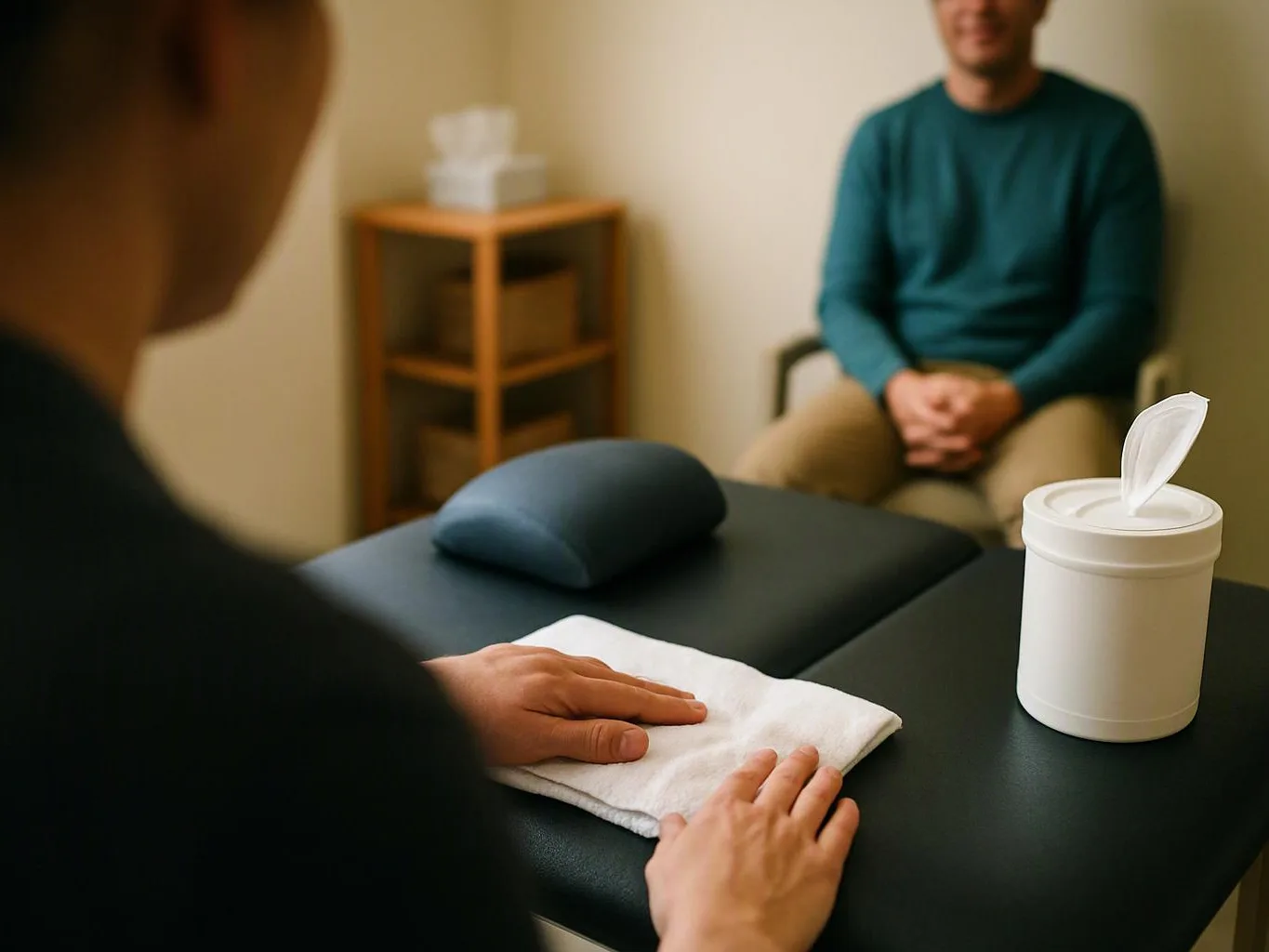
A therapist folds a white towel on a massage table while a seated man waits in a small treatment room

Service Overview

Spinal decompression therapy is a chiropractic treatment that uses controlled traction to reduce pressure through the spine and support improved movement.

  • It differs from spinal adjustments because traction uses a gradual pulling force, while an adjustment applies a focused movement to a joint.
  • Advanced Injury Care Clinic provides this care for patients in Portland and nearby Middle Tennessee communities.

What a decompression session includes

Advanced Injury Care Clinic provides comprehensive Spinal Decompression Therapy in Portland. Here's what you get:

  • We review your health history and examine movement before selecting care.
  • We position your body on a spinal decompression table for the planned treatment.
  • We use a treatment harness to support the body during controlled traction.
  • We adjust the session for comfort as treatment progresses.
  • We explain how spinal decompression fits your personalized treatment plan.

What this treatment may help you do

Controlled traction may support improved movement when spinal pressure affects daily activity.

A guided session gives you a clear way to discuss comfort and symptoms as care proceeds.

Spinal decompression may complement adjustments, corrective care, and therapeutic exercises.

A treatment plan can help connect in-office care with practical movement goals.

Regular maintenance may support movement goals after the active concern has been reviewed.

What patients should weigh before choosing decompression

Treatment fit follows the exam

The health history and exam guide whether traction belongs in your care plan. Spinal decompression is the wrong choice when your findings call for another type of evaluation or treatment.

Comfort is checked during care

The treatment harness and table position are adjusted when your comfort needs change. Tell us about pressure, pulling, or any symptom change during the session.

Care may include more than traction

Your plan may also include spinal adjustments, rehabilitation, therapeutic exercises, or supportive treatments when those options match your condition.

Process

What happens during a decompression session

1

Review symptoms and health history

We discuss your symptoms, injury history, goals, and relevant health details before treatment begins.

2

Check movement and treatment fit

The exam looks at movement and discomfort so our team can decide whether spinal decompression fits your care plan.

3

Set body position on the table

We place you on the spinal decompression table and set the treatment harness around the areas that need support.

4

Apply controlled computerized traction

Computerized traction applies the planned pulling pattern while we monitor your comfort and symptoms.

5

Adjust comfort and review next steps

We make comfort adjustments during care and explain how the session fits with follow-up treatment or home exercises.

Comparing common spinal care methods

These methods differ in how they apply care and how they may fit a treatment plan.

Treatment methodHow it is appliedWhen it may be considered
Spinal decompressionControlled traction on a spinal decompression tableWhen the exam supports traction for symptoms or movement concerns
Spinal adjustmentA focused movement applied to a spinal jointWhen joint movement and exam findings support an adjustment
Therapeutic exerciseGuided movements that support strength and controlWhen movement goals require active rehabilitation

The Advanced Injury Care Clinic Standard

  • Individualized Assessments
  • Pre-Care Discussions
  • Personalized Care Plans
  • Appropriate Techniques

Questions patients ask about spinal decompression

What should I expect during a spinal decompression session?

Session positioning is checked first, and Advanced Injury Care Clinic then places you on a spinal decompression table.

  1. We review symptoms and movement.
  2. We position the treatment harness.
  3. We apply controlled computerized traction.
  4. We adjust comfort and discuss next steps.

Tell us if pressure or pulling feels uncomfortable.

Who is a good fit for this treatment, and who needs another service?

Patient fit depends on the health history, exam findings, symptoms, and treatment goals. Spinal decompression may suit some patients with back pain, neck pain, sciatica, or disc concerns. Our team may choose adjustments, rehabilitation, therapeutic exercises, or another evaluation when traction does not match the findings.

What does the clinician check before traction starts?

The initial assessment checks symptoms, movement, health history, and comfort needs before traction starts. Relevant imaging may be reviewed when clinically indicated. Our team uses those findings to set the body position and decide whether the treatment harness and decompression table fit the plan.

Which part of the session changes the cost?

The evaluation and treatment plan determine the cost of care.

  • The main condition being assessed.
  • Whether supportive chiropractic care is included.
  • Whether rehabilitation or therapeutic exercises are added.

Free Estimates Available, and we explain the expected scope before treatment begins.

When should I ask about decompression after an injury?

An injury should be assessed before decompression is selected. Auto accident injuries, work-related injuries, and sports injuries may involve several tissues or movement limits. Share when the injury happened, what symptoms appeared, and which actions increase discomfort so our team can guide the next step.

Why might traction feel uncomfortable during treatment?

Traction may feel uncomfortable when body position, harness support, or the pulling pattern does not suit the patient. Tell our team at once if pressure changes or symptoms increase. We can check positioning and comfort, then decide whether to adjust the session or use another treatment approach.

How does decompression differ from an adjustment?

Spinal decompression uses controlled traction, while an adjustment uses a focused movement to a spinal joint. Both may appear in a chiropractic plan, but they address care through different methods. Our team selects one or both based on the exam, symptoms, and treatment goals.
Contact

Schedule a spinal decompression assessment in Portland

Advanced Injury Care Clinic can review your symptoms, check treatment fit, and explain the next step for improved movement. Schedule an appointment to discuss spinal decompression therapy in Portland.

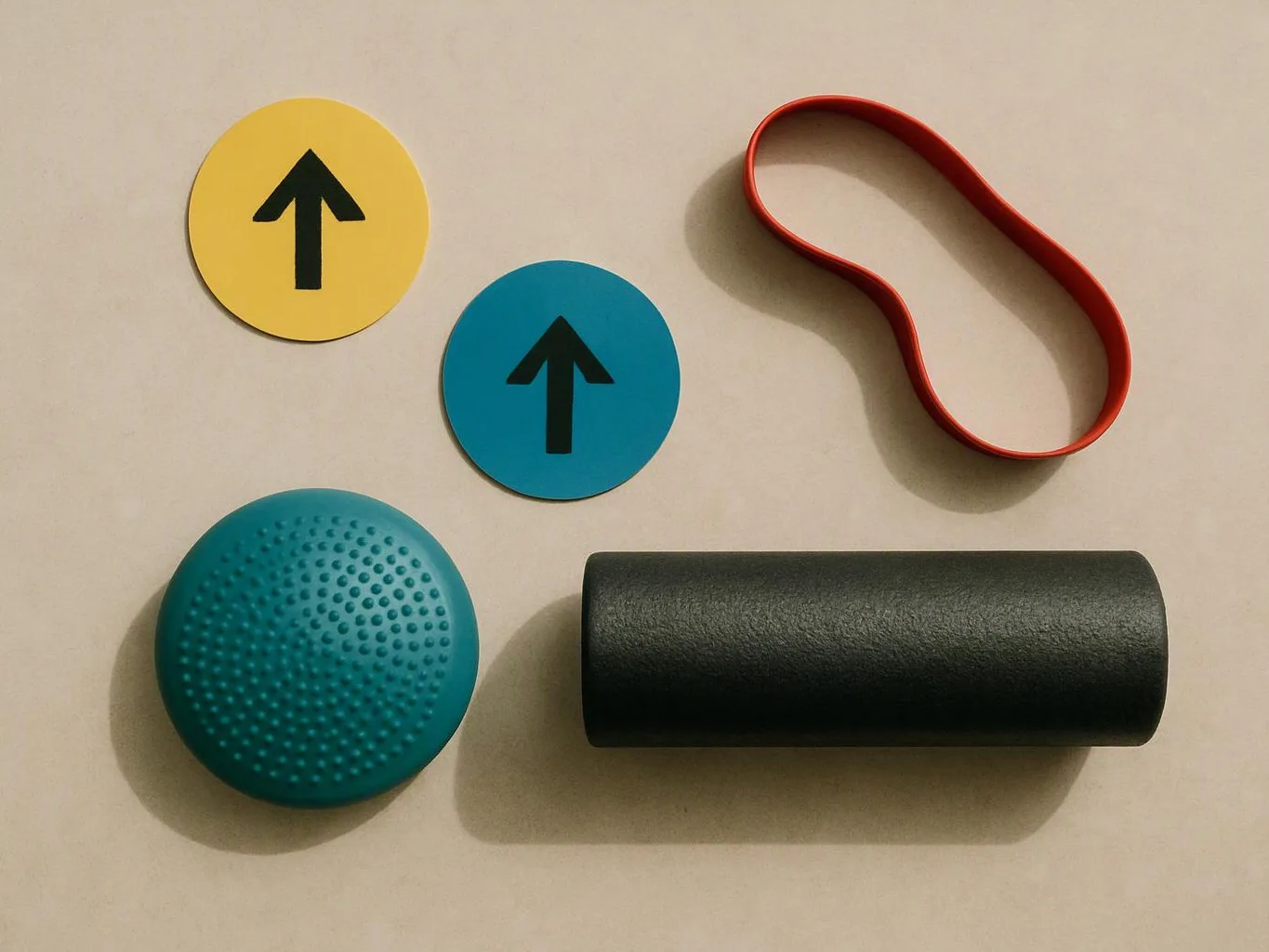
Colorful exercise props and arrow cards lie on a plain surface, including a red loop, a textured blue disc

ZIP Codes We Serve in Portland, Tennessee

37148

Spinal Decompression Therapy in Other Areas

The health and wellness information on this website is for general informational purposes only and is not medical advice. It does not create a provider-patient relationship. Always consult a qualified licensed provider in Hendersonville, TN, United States about your specific condition before making care decisions. Individual results vary.

(615) 265-0412