Skip to content

Spinal Decompression Therapy in Cross Plains, Tennessee

Poor session positioning can add strain, so Comfort adjustments guide spinal decompression therapy in Cross Plains. We adapt the setup to your comfort and clinical needs.

Licensed & InsuredWarranty AvailableUpfront, Transparent PricingServing 21 Communities

Quick Summary: Spinal decompression care in Cross Plains, Tennessee

Spinal Decompression Therapy in Cross Plains is provided by Advanced Injury Care Clinic for back pain, neck pain, sciatica, and mobility concerns. We begin with an individualized evaluation and serve Hendersonville, Goodlettsville, Madison, Gallatin, and nearby Middle Tennessee communities.

  • What we do: Advanced Injury Care Clinic provides spinal decompression therapy for patients in Cross Plains, Tennessee.
  • What is included: Individualized evaluation, spinal decompression table care, treatment planning, corrective care, and injury rehabilitation.
  • What you get: The treatment plan identifies whether controlled traction and supportive care fit the patient’s condition and movement goals.

What should I expect during a spinal decompression session?

Comfort adjustments come first, followed by session positioning, harness placement, and controlled traction. The care team checks your response throughout the visit.
Spinal decompression therapy for Cross Plains patients

Spinal decompression therapy gives patients a structured option for back pain, neck pain, sciatica, and some disc-related concerns. The service page answers a focused question: what happens during a session, and how do you know the setup fits?

A treatment harness supports the body during controlled traction. Session positioning matters because the table, harness, and traction pattern must match the patient’s comfort and exam findings. This service is not a substitute for every form of injury care, so the evaluation helps determine whether it belongs in a broader treatment plan.

Patients in Cross Plains can request an assessment through Advanced Injury Care Clinic. Our team also serves Hendersonville, Goodlettsville, Gallatin, and nearby Middle Tennessee communities.

  • Discuss back pain, neck pain, sciatica, headaches, or joint discomfort during the new patient intake.
  • Review health history and complete an individualized exam before treatment begins.
  • Ask how the treatment harness, table position, and traction settings support comfort.
  • Confirm how spinal decompression fits with corrective care, exercises, or injury rehabilitation.
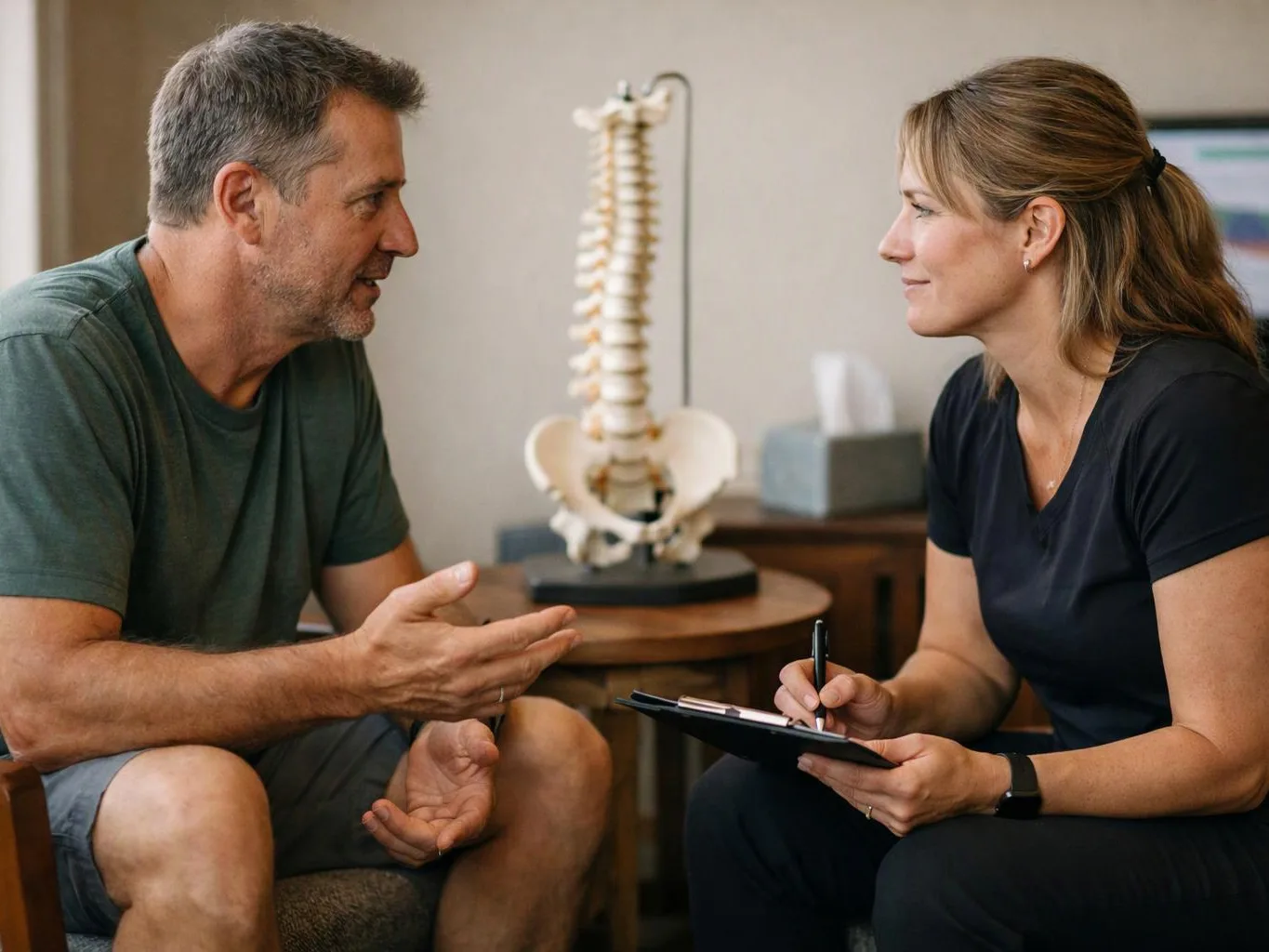
A woman writes on a clipboard while talking with a man, with a spine model displayed behind them

Service Overview

Spinal decompression therapy is a guided treatment that uses controlled traction to reduce pressure and support spinal movement.

  • Spinal decompression differs from a spinal adjustment because it uses gradual traction and positioning instead of a brief manual movement.
  • Advanced Injury Care Clinic provides this care for patients in Cross Plains and surrounding Middle Tennessee communities.

What this treatment may change for your movement

Controlled traction may help support improved movement when spinal pressure contributes to discomfort.

A guided setup gives the care team a way to monitor comfort during treatment.

The evaluation helps connect decompression care with a wider plan for injury recovery.

Therapeutic exercises may help you build movement habits between visits.

Regular maintenance may support ongoing mobility when it fits your care goals.

Process

How your spinal decompression session is done

1

Complete the health history

The new patient intake records symptoms, injury details, prior care, and treatment goals.

2

Review the clinical findings

An individualized exam checks movement and helps determine whether spinal decompression fits the condition.

3

Set your table position

Session positioning places the body on the spinal decompression table for the planned traction approach.

4

Place the treatment harness

The treatment harness supports the body, and comfort adjustments are made before traction starts.

5

Apply controlled traction

Computerized traction guides the session while the care team checks comfort and response.

6

Review the next care step

The team discusses how the session fits with corrective care, exercises, rehabilitation, or follow-up.

A client scenario this service addresses

A patient in Cross Plains may seek care after ongoing back pain limits work, exercise, or daily movement. We check the health history and exam findings first, then explain whether traction, adjustment care, exercise, or another treatment path best fits the concern.

How we approach spinal decompression care

Comfort-LED session setup

Comfort adjustments come before traction begins, so the treatment harness and table position support the planned session. Severe or changing symptoms may call for a different evaluation or referral path.

Care matched to your findings

Back pain, sciatica, neck pain, and disc concerns can present in different ways. We use the health history, exam, and progress checks to guide the treatment plan.

Broader injury care when needed

Spinal decompression may sit alongside spinal adjustments, soft tissue therapy, corrective exercises, or injury rehabilitation. Our team keeps the plan tied to your condition and goals.

What your spinal decompression visit includes

Advanced Injury Care Clinic provides comprehensive Spinal Decompression Therapy in Cross Plains. Here's what you get:

  • A new patient intake covers your symptoms, health history, and treatment goals.
  • An individualized evaluation checks movement, pain patterns, and clinical factors related to care.
  • Session positioning places your body on a spinal decompression table for guided traction.
  • A treatment harness supports the body during the traction portion of the visit.
  • Computerized traction applies controlled pull based on the planned treatment approach.
  • Your care plan may also include spinal adjustments, corrective care, therapeutic exercises, or injury rehabilitation.

How spinal care methods differ

This table compares the main treatment approaches that may appear in an individualized chiropractic plan.

Treatment approachMain actionPossible role in care
Spinal decompression therapyUses controlled traction and positioningMay support movement and address selected spinal concerns
Spinal adjustmentUses a targeted manual adjustmentMay address joint movement as part of chiropractic care
Corrective exercisesUses guided movement and strengthening workMay support function between appointments

The Advanced Injury Care Clinic Standard

  • Individualized Assessments
  • Pre-Care Discussions
  • Personalized Care Plans
  • Appropriate Techniques

Questions about spinal decompression sessions

Who provides spinal decompression therapy for patients in Cross Plains?

Advanced Injury Care Clinic provides spinal decompression therapy for patients in Cross Plains and nearby Middle Tennessee communities. Our team begins with a new patient intake and individualized exam. The treatment may include a spinal decompression table, treatment harness, and computerized traction. Related chiropractic care may include adjustments, corrective exercises, or injury rehabilitation.

Which part of the setup changes how long a session takes?

Session positioning and the treatment plan influence how much setup and review a visit requires. The team checks your health history, places the harness, and explains the traction approach. A patient who needs related evaluation or rehabilitation discussion may need more care steps. We do not promise a fixed session length.

How does a visit move from the first call to the last step?

An appointment moves from intake and examination to treatment planning, table positioning, traction, and follow-up discussion. The team records symptoms first. Next, we check whether spinal decompression fits your condition. After the session, we explain supportive care such as exercises, corrective care, or progress re-examination.

What does the treatment harness do during care?

The treatment harness supports the body during controlled traction on the spinal decompression table. Placement matters because comfort and session positioning affect the treatment setup. Our team checks the fit before traction starts and watches your response during care. The harness does not decide whether treatment is suitable by itself.

How can a patient tell whether spinal decompression fits?

An individualized evaluation determines whether spinal decompression fits the patient’s symptoms, history, and movement findings. Back pain, neck pain, and sciatica may lead to different care plans. Our team reviews the exam and explains whether traction belongs in the plan. Some symptoms require another form of care or further assessment.

Which care may follow a decompression session?

Corrective exercises, spinal adjustments, injury rehabilitation, or supportive treatments may follow when they match the care plan. Our team reviews your response and treatment goals before adding another service. Regular maintenance may be discussed when ongoing mobility support fits your needs. Results vary, so follow-up care is individualized.
Contact

Schedule a spinal decompression assessment in Cross Plains

Cross Plains patients can schedule an appointment to discuss back pain, neck pain, sciatica, or mobility concerns. Advanced Injury Care Clinic will review your symptoms and explain whether spinal decompression therapy fits your personalized care plan.

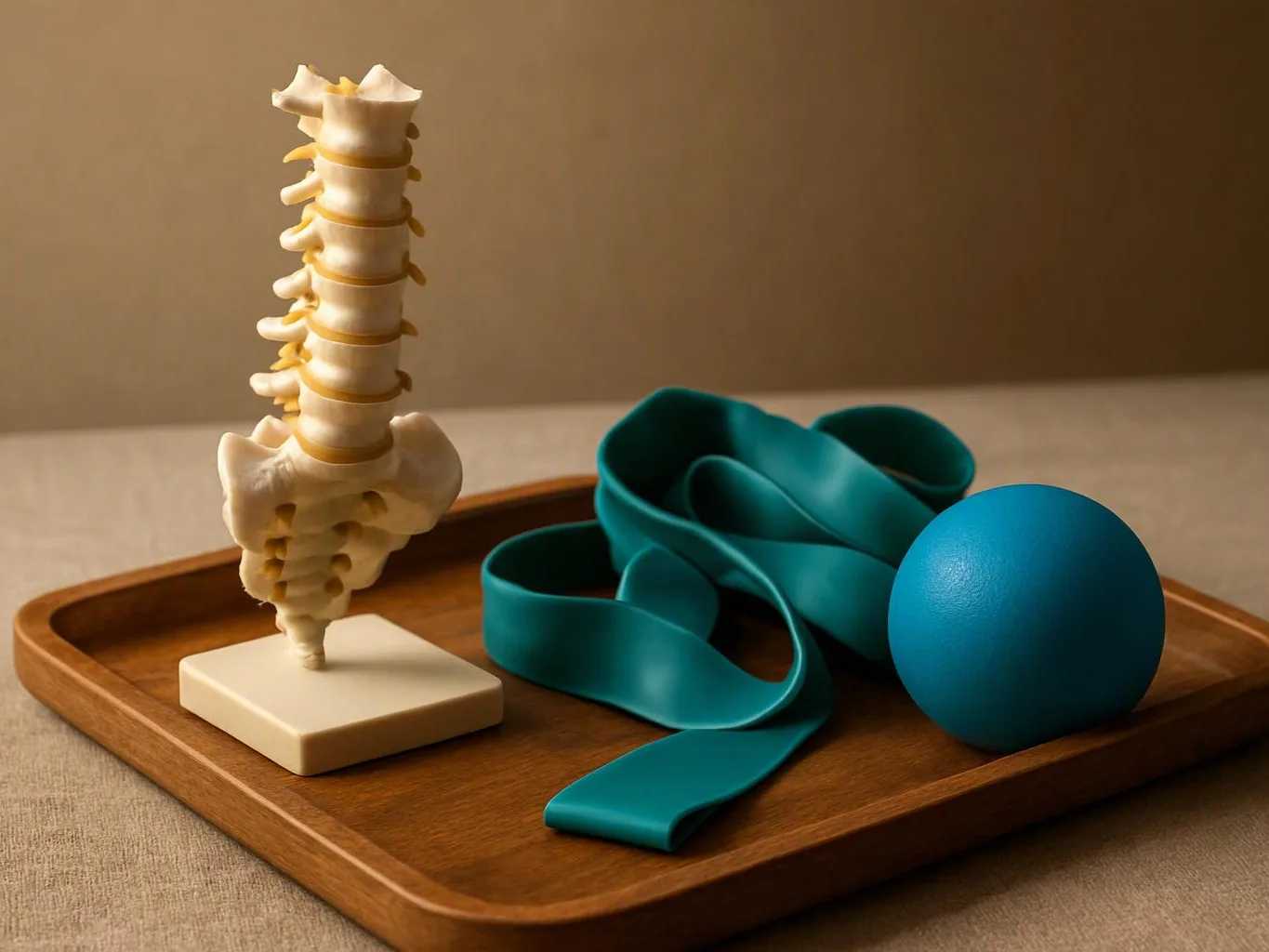
A spine model stands beside teal resistance bands and a blue exercise ball on a wooden tray

ZIP Codes We Serve in Cross Plains, Tennessee

37049

Spinal Decompression Therapy in Other Areas

The health and wellness information on this website is for general informational purposes only and is not medical advice. It does not create a provider-patient relationship. Always consult a qualified licensed provider in Hendersonville, TN, United States about your specific condition before making care decisions. Individual results vary.

(615) 265-0412