Skip to content

Corrective Exercise Therapy in Ridgetop, Tennessee

Stiff movement or recurring pain can point to a movement assessment in Ridgetop. We use that assessment to shape exercise plans, posture training, and mobility drills.

Licensed & InsuredWarranty AvailableUpfront, Transparent PricingServing 21 Communities

Quick Summary: Corrective Exercise Therapy in Ridgetop, Tennessee

Corrective Exercise Therapy in Ridgetop is provided by Advanced Injury Care Clinic for mobility concerns, pain, posture, and injury rehabilitation. Care includes an individualized evaluation and exercises matched to your condition across Hendersonville, Goodlettsville, Madison, Gallatin, and nearby Middle Tennessee communities.

  • What we do: Advanced Injury Care Clinic provides Corrective Exercise Therapy for patients in Ridgetop, Tennessee through movement review, exercise planning, posture work, and mobility drills.
  • What is included: Individualized evaluation, corrective exercises, injury rehabilitation, spinal adjustments, and supportive treatments.
  • What you get: Corrective Exercise Therapy gives you a practical plan for improved movement, safer exercise, and better daily function.

Why does pain keep returning after I start moving again?

Recurring pain can relate to movement limits, poor control, or an untreated injury. An evaluation helps identify the pattern and guide a safer exercise plan.

Corrective Exercise Therapy for Movement Goals in Ridgetop

Corrective exercise therapy focuses on how your body moves during daily tasks, sport, work, or recovery. It may suit patients with back pain, neck pain, headaches, joint discomfort, or injury-related mobility limits.

The main buyer decision is whether you need guided movement work alongside chiropractic care. We assess your condition first, then choose exercises that match your current ability. The plan may include posture training, mobility drills, and home practice. This service doesn't replace care for symptoms that need another medical evaluation.

  • Discuss the movement problem, injury history, and daily activities that affect your symptoms.
  • Review posture, joint motion, balance, and control during selected movements.
  • Match exercises to your condition and current ability.
  • Ask how exercise work fits with adjustments or injury rehabilitation.
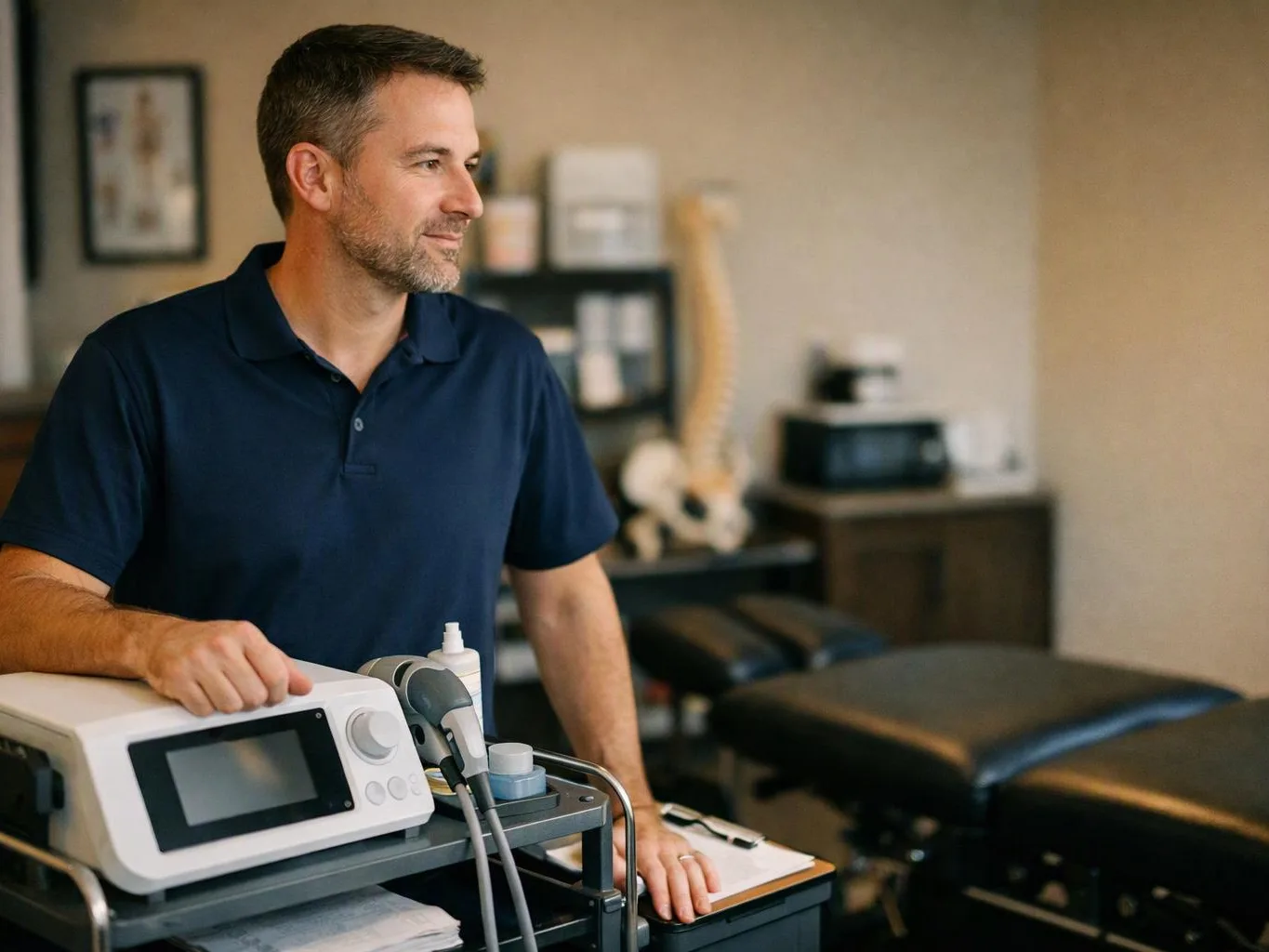
A man in a navy polo stands beside medical equipment in a treatment room, with exam tables behind him

Service Overview

Corrective exercise therapy is a treatment approach that uses planned exercises to improve movement, control, posture, and function.

  • Spinal adjustments address joint motion, while corrective exercises train how your body moves between visits.
  • Advanced Injury Care Clinic provides this care for patients in Ridgetop and nearby Middle Tennessee communities.
Process

How We Build Your Exercise Plan

1

Review your symptoms and goals

The new patient intake covers your health history, current symptoms, injury details, and daily movement concerns.

2

Check movement and posture

We observe selected movements and review posture, joint motion, balance, and control.

3

Explain the care plan

The report of findings connects your symptoms with the movement patterns we observed and outlines suitable next steps.

4

Guide the first exercises

We teach selected mobility drills, posture work, or strengthening movements and explain how to perform them safely.

5

Review progress and adjust

Follow-up visits help us discuss your response, address questions, and update the exercise plan when your needs change.

Why Patients Choose Guided Movement Care

A plan based on your movement

Your exercise plan follows the findings from an individualized evaluation, so the work relates to your symptoms and goals. We don't treat every movement concern with the same routine.

Care that connects treatments

Corrective exercises may fit alongside spinal adjustments, soft tissue therapy, and injury rehabilitation when those services suit your condition. Free estimates are available when you want cost information before care begins.

A clear limit for this service

Corrective exercise therapy isn't the right first step for every symptom. Severe or unexplained symptoms need an appropriate medical assessment before exercise work starts.

What Corrective Exercise Therapy Can Change

Guided exercises may help you build better movement control during daily activities.

Mobility drills give you specific ways to work on stiff or limited motion.

Posture training may reduce strain linked to poor movement habits.

A written exercise plan helps connect clinic care with safe home practice.

Regular maintenance may support movement goals after active injury care ends.

What Corrective Exercise Therapy Includes for Your Visit

Advanced Injury Care Clinic provides comprehensive Corrective Exercise Therapy in Ridgetop. Here's what you get:

  • An individualized evaluation reviews your health history, symptoms, and movement concerns.
  • Movement checks show where control, mobility, or posture may limit daily function.
  • A corrective exercise plan gives you guided movements that match your treatment goals.
  • Posture training addresses body position during common tasks and selected exercises.
  • Mobility drills support joint motion and smoother movement within your ability.
  • Follow-up care reviews how your body responds and whether the plan needs adjustment.

How Movement Treatments Differ

These care options address different parts of movement and function.

TreatmentPrimary focusHow it may fit
Corrective exercise therapyMovement control, posture, and mobilityGuided exercises and home practice
Spinal adjustmentsJoint motion and spinal functionMay accompany exercise care when appropriate
Soft tissue therapyMuscle and surrounding tissueMay support movement work when included in the plan

The Advanced Injury Care Clinic Standard

  • Individualized Assessments
  • Pre-Care Discussions
  • Personalized Care Plans
  • Appropriate Techniques

Questions About Guided Exercise Treatment

What happens during corrective exercise therapy?

Movement assessment is the first step, and Advanced Injury Care Clinic uses it to guide your exercise plan. The visit may include a health history, posture review, mobility checks, and selected exercises. We explain each movement and discuss how it fits your treatment goals. Individual response differs, so the plan can change as your movement improves.

How does a corrective exercise visit move from the first call to the last step?

The visit moves from intake to assessment, treatment planning, guided exercise, and follow-up. We first discuss your symptoms and goals, then review movement and posture. Next, we teach suitable exercises and explain home practice. Follow-up care gives us a chance to review your response and adjust the plan.

Which part of the treatment decides the exercise plan?

The evaluation findings decide which exercises fit your condition and current ability. Symptoms, joint motion, posture, balance, and movement control all matter. We also consider your injury history and daily activities. A plan for neck pain may differ from one for knee pain or sports-related mobility limits.

Which part of the plan changes the time needed for care?

The assessment and treatment needs influence how much guidance your plan requires. A movement issue linked to an injury may need different follow-up than a mild mobility concern. We discuss the plan after reviewing your condition. We don't promise a fixed treatment length or outcome.

Why might corrective exercises be paired with spinal adjustments?

Spinal adjustments address joint motion, while corrective exercises train control during movement. Using both approaches may fit patients who need support between visits. The evaluation decides whether that combination suits your symptoms. We explain the role of each treatment before adding it to your plan.

What should I bring to my first exercise therapy appointment?

Your symptom details, injury history, medication information, and relevant medical records can help with the intake. Bring questions about movements that cause pain or limit daily tasks. We review the information, complete an evaluation, and explain suitable next steps. You don't need to choose exercises before the visit.

When should I ask about corrective exercise therapy in Ridgetop?

Corrective exercise therapy may be worth discussing when pain, stiffness, or poor movement control affects daily activity. We assess whether guided exercise fits your needs before treatment begins. Patients may seek care after an auto accident, work injury, sports injury, or ongoing back and neck discomfort.

Corrective Exercise Therapy in Other Areas

Contact

Ask About Corrective Exercise Therapy in Ridgetop

Are pain or stiff movements limiting your day? Schedule an assessment with Advanced Injury Care Clinic to discuss corrective exercise therapy and your care options.

Brick storefront entrance with glass doors, potted plants

ZIP Codes We Serve in Ridgetop, Tennessee

37152

The health and wellness information on this website is for general informational purposes only and is not medical advice. It does not create a provider-patient relationship. Always consult a qualified licensed provider in Hendersonville, TN, United States about your specific condition before making care decisions. Individual results vary.

(615) 265-0412