Skip to content

Posture Correction in Oak Hill, Tennessee

When stretching routines are safe for your condition, we use them in Oak Hill as part of a focused plan for posture and movement. Our chiropractor connects daily habits with spinal care, exercise, and clear guidance.

Licensed & InsuredWarranty AvailableUpfront, Transparent PricingServing 21 Communities

Quick Summary: posture care in Oak Hill, Tennessee

Posture Correction in Oak Hill is provided by Advanced Injury Care Clinic for patients with posture, pain, and mobility concerns. Care covers spinal adjustments, corrective exercises, ergonomic guidance, and supportive treatments across Hendersonville, Goodlettsville, Madison, Gallatin, and nearby Middle Tennessee communities.

  • What we do: Advanced Injury Care Clinic provides Posture Correction for Oak Hill, Tennessee patients through evaluation, spinal adjustments, corrective exercises, and movement guidance.
  • What is included: Individualized evaluations, spinal adjustments, corrective care, injury rehabilitation, therapeutic exercises, and supportive treatments.
  • What you get: Posture Correction helps improve movement and supports recovery by linking spinal care with safer daily habits.

Why do my posture problems keep returning after I stretch?

Posture problems may return when daily movement, spinal function, strength, and work habits still place stress on the same areas. A chiropractor checks those factors and builds care around your condition.

Posture Correction for Oak Hill Movement Concerns

Posture correction focuses on how your spine, joints, muscles, and daily habits work together. It may fit people with back pain, neck pain, headaches, joint discomfort, or reduced mobility.

The goal isn't to force your body into one fixed position. Our team looks for movement patterns that may add strain, then matches care to your condition and goals. Results vary, so we explain what the plan addresses and what you can do between appointments.

This page is for people who want more than short-term advice about sitting or standing. We connect the assessment to spinal care, corrective movement, and practical changes at work or home.

  • Review back pain, neck pain, headaches, joint discomfort, and movement limits.
  • Discuss work, sleep, exercise, and other habits that affect body position.
  • Match spinal adjustments and corrective exercises to the findings.
  • Set practical movement goals that support care between appointments.
A wooden mannequin stands beside a notebook, pen, and dark cushion on a wooden tabletop

Service Overview

Posture correction is a care approach that addresses body alignment, movement habits, spinal function, and muscle support.

  • Unlike a single adjustment, posture care may combine spinal adjustments, corrective exercises, ergonomic changes, and core strengthening.
  • Advanced Injury Care Clinic provides this care for Oak Hill patients and nearby Middle Tennessee communities.

What posture work can change for you

Better movement can make daily tasks easier to manage.

A focused plan may help reduce strain linked to poor movement habits.

Corrective exercises can support strength, balance, and body awareness.

Ergonomic guidance gives you practical ways to adjust work and home habits.

Regular maintenance may help you keep useful movement habits after active care.

What posture care includes for your daily movement

Advanced Injury Care Clinic provides comprehensive Posture Correction in Oak Hill. Here's what you get:

  • We complete an individualized evaluation and review your health history.
  • We assess movement patterns linked to posture, stiffness, and discomfort.
  • We provide spinal adjustments when they fit your condition and care plan.
  • We use corrective exercises to support improved movement and body control.
  • We discuss ergonomic changes for sitting, standing, lifting, and daily tasks.
  • We may add injury rehabilitation or supportive treatments based on your needs.

What you receive from a focused posture plan

A plan tied to your findings

Your care plan begins with an evaluation, not a preset exercise list. We connect the findings to adjustments, movement work, and home guidance.

Clear guidance between visits

Corrective exercises work best when you understand how to perform them and where they fit in your routine. We explain each step in everyday terms.

A careful fit check

Posture correction may not be the right first service for severe or unexplained symptoms. We review your condition and direct care toward the safest appropriate next step.

Process

How we build a posture care plan

1

Review your health history

We discuss symptoms, injuries, activity, work habits, and your goals before selecting treatment.

2

Assess movement and posture

The evaluation checks movement patterns, joint function, discomfort, and areas that may need added support.

3

Explain the findings

We provide clear answers about what we found and which care options fit your condition.

4

Apply selected treatment

Care may include spinal adjustments, corrective exercises, injury rehabilitation, or supportive treatments.

5

Review home movement habits

We discuss ergonomic changes, stretching routines when appropriate, and exercises that support your care plan.

6

Check progress over time

Follow-up visits help us review movement, response to care, and whether the plan needs adjustment.

Methods that may support posture goals

Each method addresses a different part of movement and posture care.

Care methodMain focusHow it may fit
Spinal adjustmentsJoint motionMay support movement when clinically appropriate
Corrective exercisesMovement controlBuilds practice between appointments
Ergonomic changesDaily habitsAdjusts work or home positions
Core strengtheningTrunk supportSupports control during activity

The Advanced Injury Care Clinic Standard

  • Individualized Assessments
  • Pre-Care Discussions
  • Personalized Care Plans
  • Appropriate Techniques

Questions about posture and movement care

What methods support posture correction?

Stretching routines support posture correction when the evaluation shows they fit your condition. Spinal adjustments, corrective exercises, ergonomic changes, and core strengthening may also support the plan. We choose methods based on your symptoms, movement, and goals. Individual response differs, so we review progress and adjust care when needed.

How can I tell whether posture correction fits my goals?

Posture correction fits goals linked to movement, body position, stiffness, or recurring strain. The evaluation reviews symptoms, activity, work habits, and joint motion. Our team then explains whether posture-focused care matches your needs. Severe or unexplained symptoms may require a different first step.

Which part of my daily routine decides the care scope?

Daily movement habits help decide the scope of posture care. Sitting, standing, lifting, sleep position, exercise, and work demands can affect the plan. We compare those habits with your movement findings. Ergonomic changes and corrective exercises then target the activities that place the most strain.

When are spinal adjustments used with corrective exercises?

Spinal adjustments are used with corrective exercises when both fit the evaluation and care goals. Adjustments address joint motion, while exercises build control through movement. Our team explains the role of each method before treatment. The plan changes if your symptoms or response to care change.

Why can posture symptoms return after treatment?

Posture symptoms can return when daily habits continue to stress the same joints or muscles. Work setup, activity, sleep position, strength, and movement control can all matter. We review those factors and may add ergonomic guidance or a wellness maintenance plan. Results vary between patients.

What should I bring to my first posture appointment?

Your health history, current symptom details, and relevant injury information help guide the first visit. Bring a list of medicines and records that relate to the concern if you have them. We complete a new patient intake and exam, then discuss findings and suitable care.

How does posture care differ from massage therapy?

Posture care addresses movement, spinal function, exercise, and daily habits, while massage therapy focuses mainly on soft tissue. Our team may use soft tissue therapy as supportive care when it fits your needs. The evaluation determines whether posture-focused chiropractic care is appropriate.
Contact

Discuss posture care in Oak Hill

Improved movement starts with knowing what is affecting your posture. Book an assessment with Advanced Injury Care Clinic to discuss your symptoms, goals, and next treatment step.

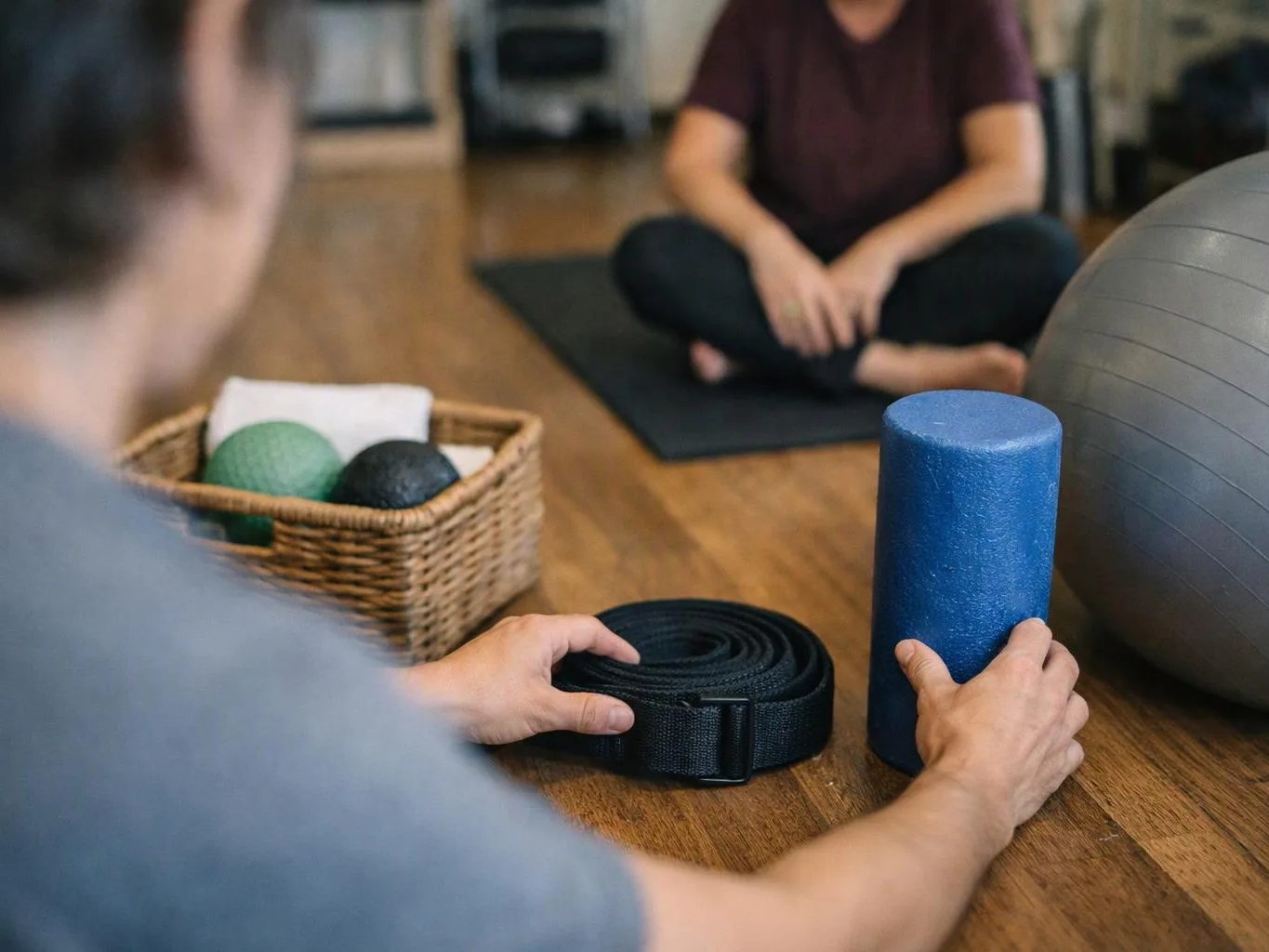
A person arranges a yoga strap and foam roller on a wooden floor beside exercise props and a seated learner

The health and wellness information on this website is for general informational purposes only and is not medical advice. It does not create a provider-patient relationship. Always consult a qualified licensed provider in Hendersonville, TN, United States about your specific condition before making care decisions. Individual results vary.

(615) 265-0412