What causes poor posture?
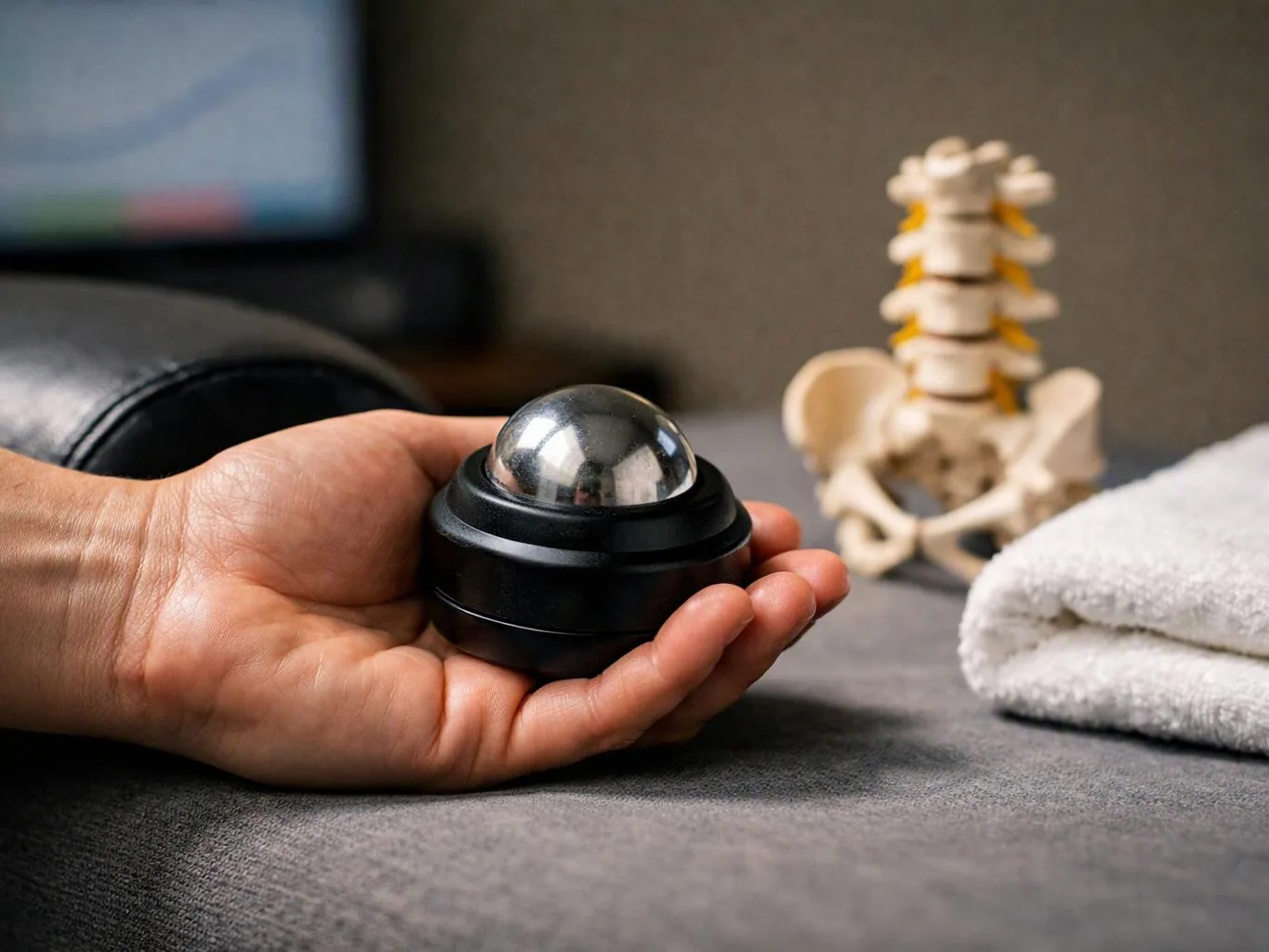
Muscle imbalance can cause poor posture by changing how your spine and joints share movement. Sedentary habits, poor ergonomics, joint stiffness, and a weak core can add strain. We review these factors during your health history and movement evaluation. The findings guide whether adjustments, exercises, rehabilitation, or another form of care fits your needs.
What does the chiropractor look at first?
The first review covers your health history, symptoms, movement concerns, and daily activities. We ask about work, sport, sitting, past injuries, and changes in discomfort. Spinal and joint motion also guide the evaluation. These details help us choose a suitable treatment plan instead of relying on posture alone.
What should be checked before care is scheduled?
Your symptoms and health history should be checked before posture correction is scheduled. We also need to understand past injuries, current conditions, and your main movement goals. X-rays may be considered if clinically indicated. This review helps identify whether chiropractic care fits or whether another medical assessment is more appropriate.
Who is a good fit for posture correction?
Adults with movement limits, recurring back or neck discomfort, joint stiffness, or poor work posture may fit this care. People with severe, unusual, or worsening symptoms may need medical assessment first. Our chiropractor reviews each condition before treatment. Individual response differs, so the plan follows the evaluation.
How do corrective exercises support treatment?
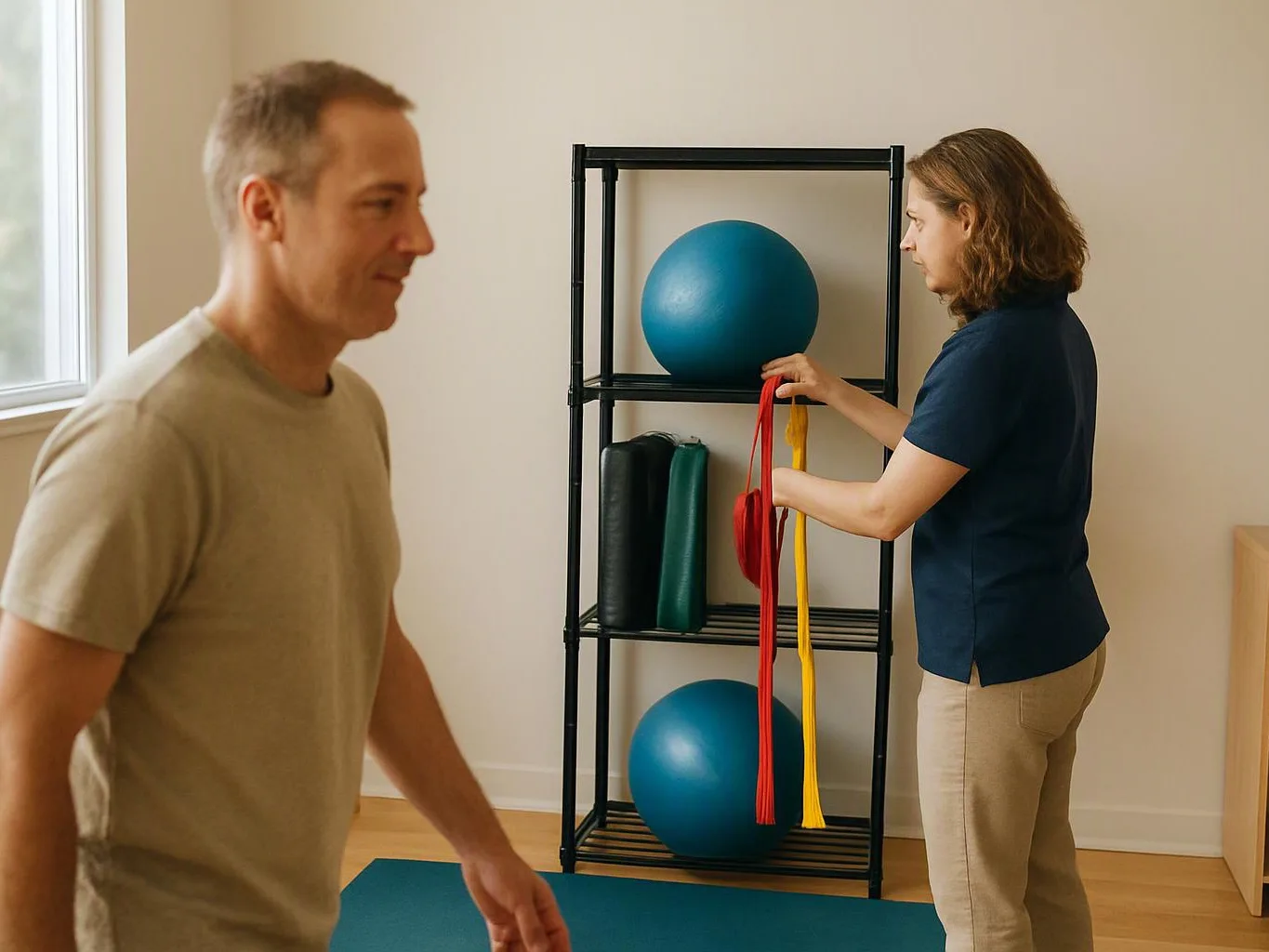
Corrective exercises help you practice control around the spine and supporting joints. We select exercises according to your movement findings, strength needs, and treatment goals. The exercises may address habits that contribute to poor posture. Follow the plan as instructed, and tell us if an exercise increases your symptoms.
Which care may follow an auto accident injury?
Auto accident care may include spinal adjustments, injury rehabilitation, corrective exercises, and supportive treatments. The right combination depends on your symptoms and evaluation findings. Whiplash, back pain, neck pain, and joint discomfort can affect posture after a collision. We review the injury history before setting a treatment plan.
Why does posture worsen during desk work?
Desk work can worsen posture when long sitting and poor ergonomics limit normal movement. Head, neck, shoulder, and back positions may change as fatigue builds. We ask about your workstation and daily habits during the evaluation. Your plan may include movement guidance, corrective exercises, and chiropractic care when appropriate.