Skip to content

Corrective Exercise Therapy in Hermitage, Tennessee

Posture training in Hermitage fits patients who want to understand how movement habits affect pain or limited motion. We assess movement first, then match exercises to your needs.

Licensed & InsuredWarranty AvailableUpfront, Transparent PricingServing 21 Communities

Quick Summary: Corrective Exercise Therapy in Hermitage, Tennessee

Corrective Exercise Therapy in Hermitage is provided by Advanced Injury Care Clinic for posture, mobility, injury rehabilitation, and movement concerns. Care includes an individualized evaluation and a treatment plan tailored to your condition and goals.

  • What we do: Advanced Injury Care Clinic provides corrective exercise therapy in Hermitage, Tennessee, with movement assessment, posture training, and guided mobility work.
  • What is included: Our care includes individualized evaluations, corrective care, injury rehabilitation, therapeutic exercises, and supportive chiropractic treatments.
  • What you get: The objective is a treatment plan that supports improved movement and helps restore function around the patient's condition and goals.

Why does poor posture keep bringing back pain?

Poor posture can place repeated stress on joints and muscles, but an assessment helps identify the movement pattern behind the discomfort. Corrective exercise therapy then uses guided exercises and mobility drills to address that pattern. Ongoing care may include progress checks and a maintenance plan when regular support fits the patient's needs.

Corrective Exercise Therapy for Movement Goals in Hermitage, Tennessee

Corrective exercise therapy suits patients who notice stiffness, poor posture, reduced mobility, or pain during daily movement. The work starts with an individualized evaluation, not a preset exercise list.

A movement assessment helps us see which motions feel limited and which areas need better control. We may then pair therapeutic exercises with spinal adjustments, soft tissue therapy, or other supportive treatments when those services fit the patient's condition.

The key decision is whether guided exercise matches your needs. This service supports movement and function, but it isn't a substitute for urgent medical care when symptoms need immediate attention.

  • Identify the movement pattern linked to pain, stiffness, or limited function.
  • Check posture, joint motion, strength, and exercise tolerance.
  • Set a guided exercise plan around the patient's condition and goals.
  • Review progress and adjust the plan as movement changes.
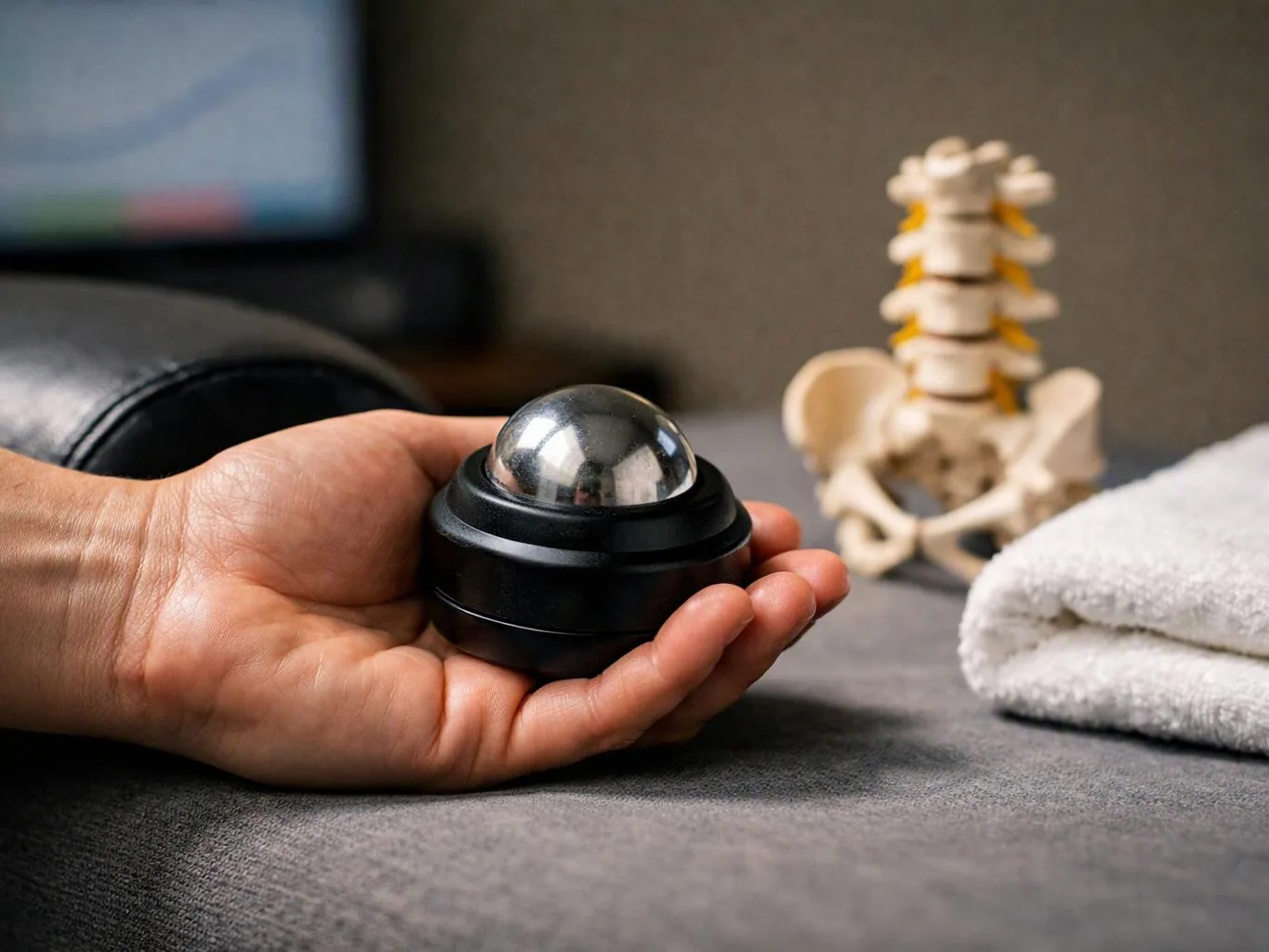
A black leather massage cushion sits beside two folded white towels on a dark surface

Service Overview

Corrective exercise therapy is a guided treatment approach that uses movement assessment, exercises, and mobility drills to improve how the body moves.

  • Corrective exercise therapy focuses on movement patterns and function, while spinal adjustments address joint motion through chiropractic technique.
  • Advanced Injury Care Clinic provides this care in Hermitage and serves Hendersonville, Goodlettsville, Gallatin, and nearby Middle Tennessee communities.

What Corrective Exercise Therapy Includes for Your Movement Goals

Advanced Injury Care Clinic provides comprehensive Corrective Exercise Therapy in Hermitage. Here's what you get:

  • An individualized evaluation reviews your health history, symptoms, posture, and movement.
  • A movement assessment checks joint motion, balance, strength, and control during selected movements.
  • Posture training addresses body position during daily activities and guided exercises.
  • An exercise plan gives you therapeutic movements matched to your condition and goals.
  • Mobility drills focus on controlled motion in areas that feel stiff or restricted.
  • Progress re-examination helps us decide whether the treatment plan needs adjustment.
Process

How We Provide Guided Corrective Exercise Therapy

1

Review your health history

We begin with a new patient intake and discuss symptoms, injuries, activity limits, and your main movement goal.

2

Assess posture and movement

The evaluation checks posture, joint motion, strength, balance, and control during movements that relate to your concern.

3

Set the exercise plan

We choose therapeutic exercises and mobility drills that fit your condition, current ability, and treatment goals.

4

Guide each movement

Our team explains body position, control, and safe form so you understand how each exercise supports the plan.

5

Review progress

A progress re-examination helps us review movement changes and decide whether the treatment plan needs adjustment.

Why Patients Choose Guided Corrective Exercise Care

Assessment before exercise selection

Movement testing comes before exercise selection, so the plan reflects your posture, mobility, and control. This service may be the wrong fit when a symptom needs urgent medical evaluation first.

A plan tied to daily movement

The exercise plan connects treatment to actions such as sitting, standing, walking, or sport. Your goals help shape which movements receive attention.

Chiropractic care in one setting

Our licensed chiropractor can consider corrective care, spinal adjustments, injury rehabilitation, and therapeutic exercise as part of a broader treatment plan.

What Corrective Exercise Therapy Can Change

Guided exercises may improve movement control during daily tasks and physical activity.

Mobility drills may help reduce stiffness when limited motion contributes to discomfort.

A tailored plan gives you clear steps for supporting recovery between appointments.

Movement checks help connect exercises to your symptoms instead of choosing drills at random.

Regular maintenance may help you keep working on movement after the main concern improves.

How Guided Movement Care Differs by Focus

These approaches address different parts of a patient's movement and injury care plan.

Care focusMain purposeHow it may fit
Corrective exercise therapyGuided exercise, posture, mobility, and movement controlFits patients working on function and movement patterns
Spinal adjustmentsChiropractic technique directed at joint motionMay support a broader plan when the evaluation identifies a fit
Injury rehabilitationRecovery support after auto, work, or sports injuriesMay include corrective exercises and other supportive treatments

The Advanced Injury Care Clinic Standard

  • Individualized Assessments
  • Pre-Care Discussions
  • Personalized Care Plans
  • Appropriate Techniques

Questions About Guided Corrective Exercise Care

What happens during corrective exercise therapy?

Posture training starts with an evaluation of your health history, movement, joint motion, and exercise goals. Advanced Injury Care Clinic then builds an exercise plan with suitable mobility drills and therapeutic exercises. The team guides each movement and reviews progress so the plan can reflect changes in function. Individual response differs.

How does a movement assessment decide which exercises fit?

A movement assessment identifies limits in posture, strength, balance, joint motion, and control. Those findings guide exercise selection and help us avoid movements that do not match your current ability. The plan can change after a progress re-examination. Your symptoms and goals remain part of each treatment decision.

Which part of my condition decides the exercise plan?

Your symptoms, movement limits, injury history, and treatment goals decide the exercise plan. Back pain, neck pain, joint discomfort, and sports injuries may need different movement choices. We also consider how your body responds during each drill. That review helps keep the plan focused on function.

When should I ask whether corrective exercise therapy fits?

Corrective exercise therapy fits when limited mobility, poor movement control, or posture concerns affect daily activity. An individualized evaluation helps determine whether guided exercise matches the problem. Patients with severe or urgent symptoms need medical attention before starting exercise-based care. We discuss that decision during the assessment.

Why might mobility drills be paired with chiropractic care?

Mobility drills may be paired with chiropractic care when joint motion and movement control both need attention. Spinal adjustments address joint motion, while therapeutic exercises help you practice controlled movement. The evaluation decides whether both belong in the plan. Care is tailored to your condition rather than added automatically.

How can I tell whether my posture concern needs an assessment?

Persistent stiffness, repeated strain, or movement limits are reasons to request an assessment. Posture alone doesn't explain every source of pain, so the evaluation also checks joint motion, strength, and control. In Hermitage, our clinic provides chiropractic and injury care for these concerns. A consultation helps define the next step.

What should I bring to my first exercise therapy appointment?

Your symptom history, injury details, current treatment information, and questions about movement are useful at the first visit. Medical records or imaging may also help when they relate to the concern. Our new patient intake and health history review organize those details. You don't need to choose exercises before the assessment.
Contact

Ask About Corrective Exercise Therapy in Hermitage

Schedule a consultation with Advanced Injury Care Clinic to discuss posture training, movement limits, or injury rehabilitation. After you reach out, we can review your concern and explain the assessment and treatment planning process.

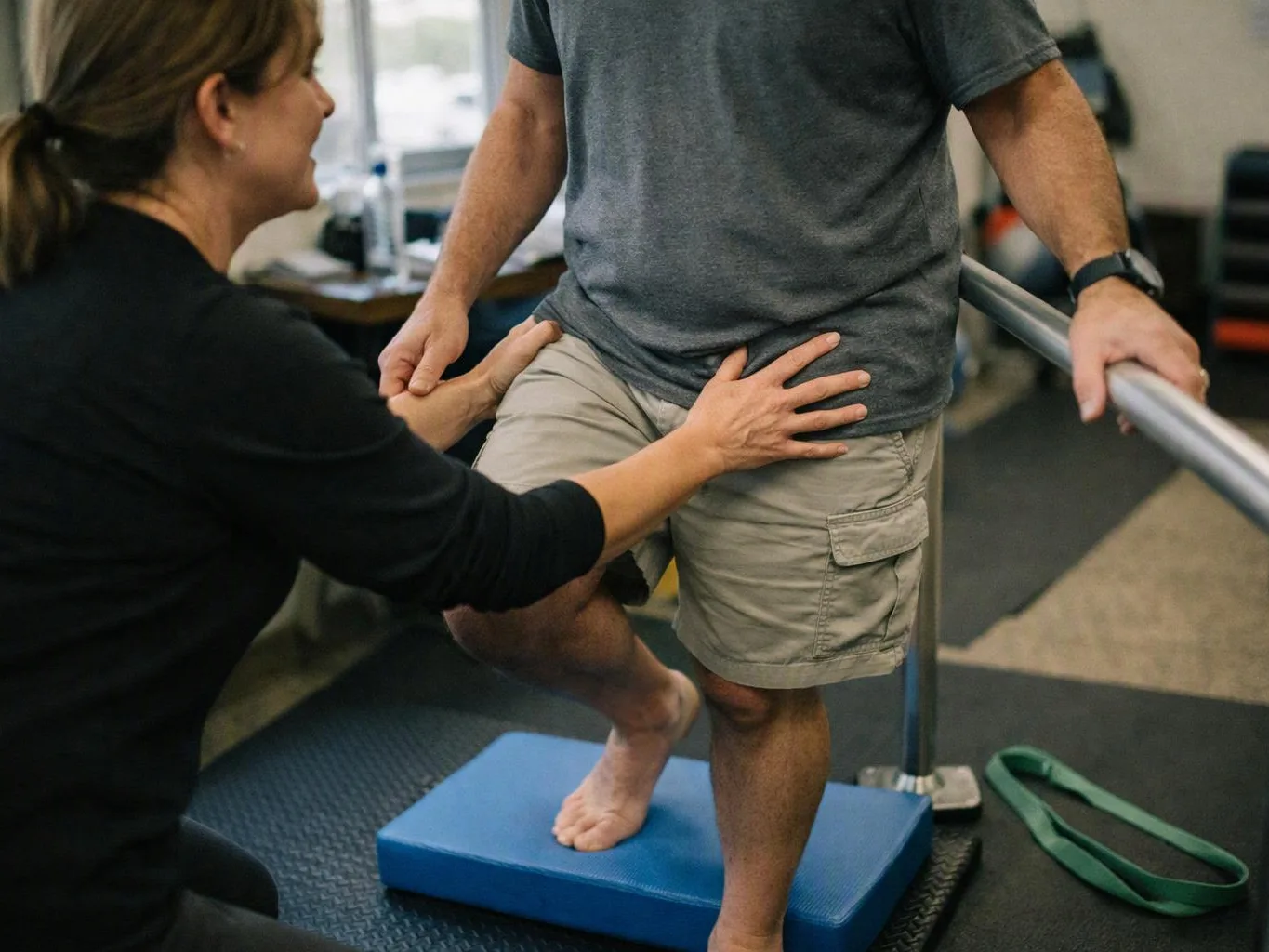
A therapist steadies a man balancing on a blue foam block beside a metal handrail

ZIP Codes We Serve in Hermitage, Tennessee

37076

Corrective Exercise Therapy in Other Areas

The health and wellness information on this website is for general informational purposes only and is not medical advice. It does not create a provider-patient relationship. Always consult a qualified licensed provider in Hendersonville, TN, United States about your specific condition before making care decisions. Individual results vary.

(615) 265-0412