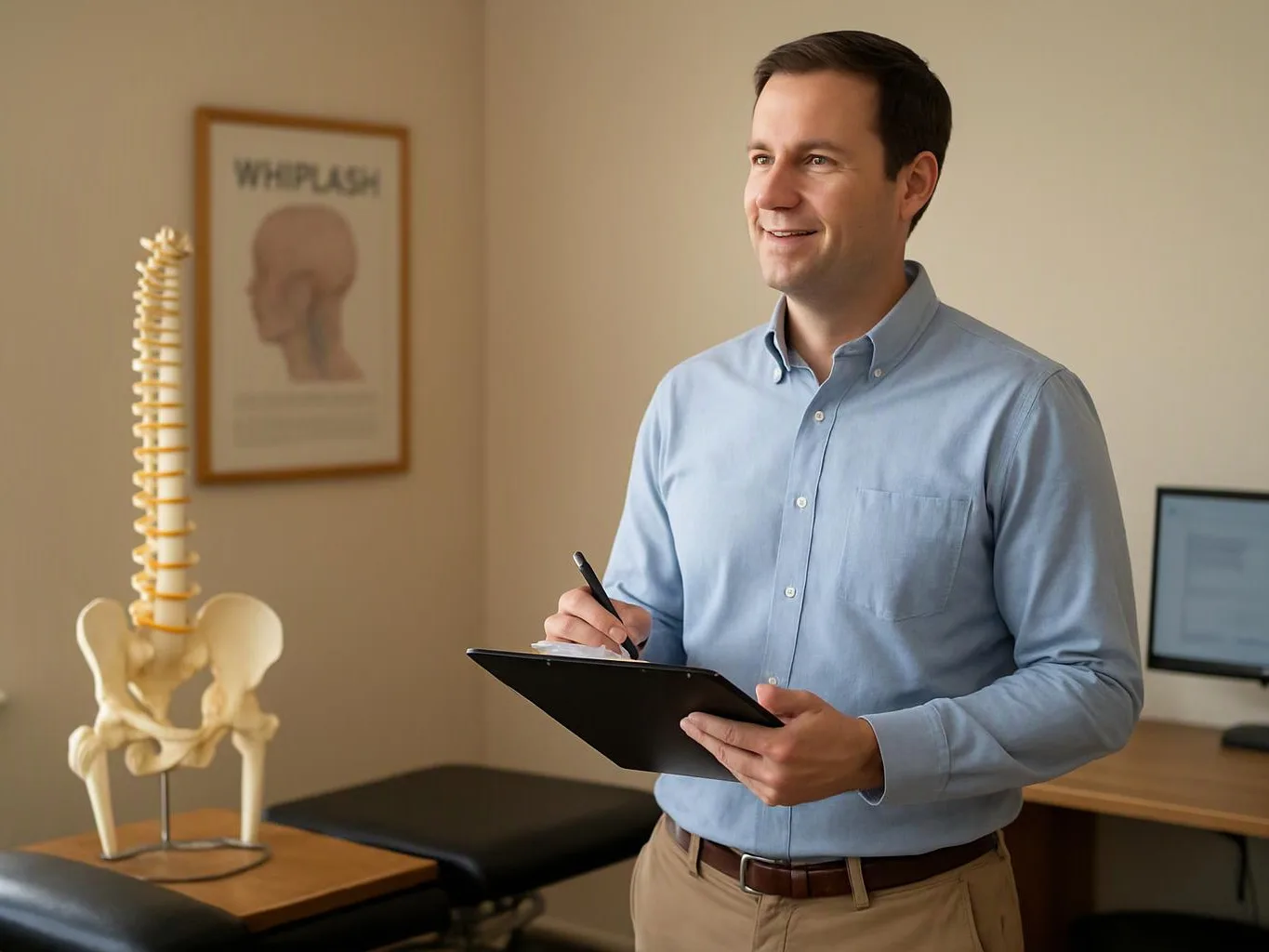
Skip to content

Posture Correction in Hendersonville, Tennessee

Posture correction helps address movement habits that contribute to back pain, neck pain, and joint strain. We shape care around your exam and goals.

Licensed & InsuredWarranty AvailableUpfront, Transparent PricingServing 21 Communities
Posture correction helps Hendersonville patients improve alignment, movement, and daily comfort. We begin with an individualized evaluation, then review symptoms and goals before care begins. Advanced Injury Care Clinic may use spinal adjustments, corrective care, and therapeutic exercises when they fit your needs.

How better posture can support movement and comfort

Reduced strain during sitting, standing, and everyday movement.

Better awareness of body position during work and activity.

A care plan that connects spinal findings with practical movement goals.
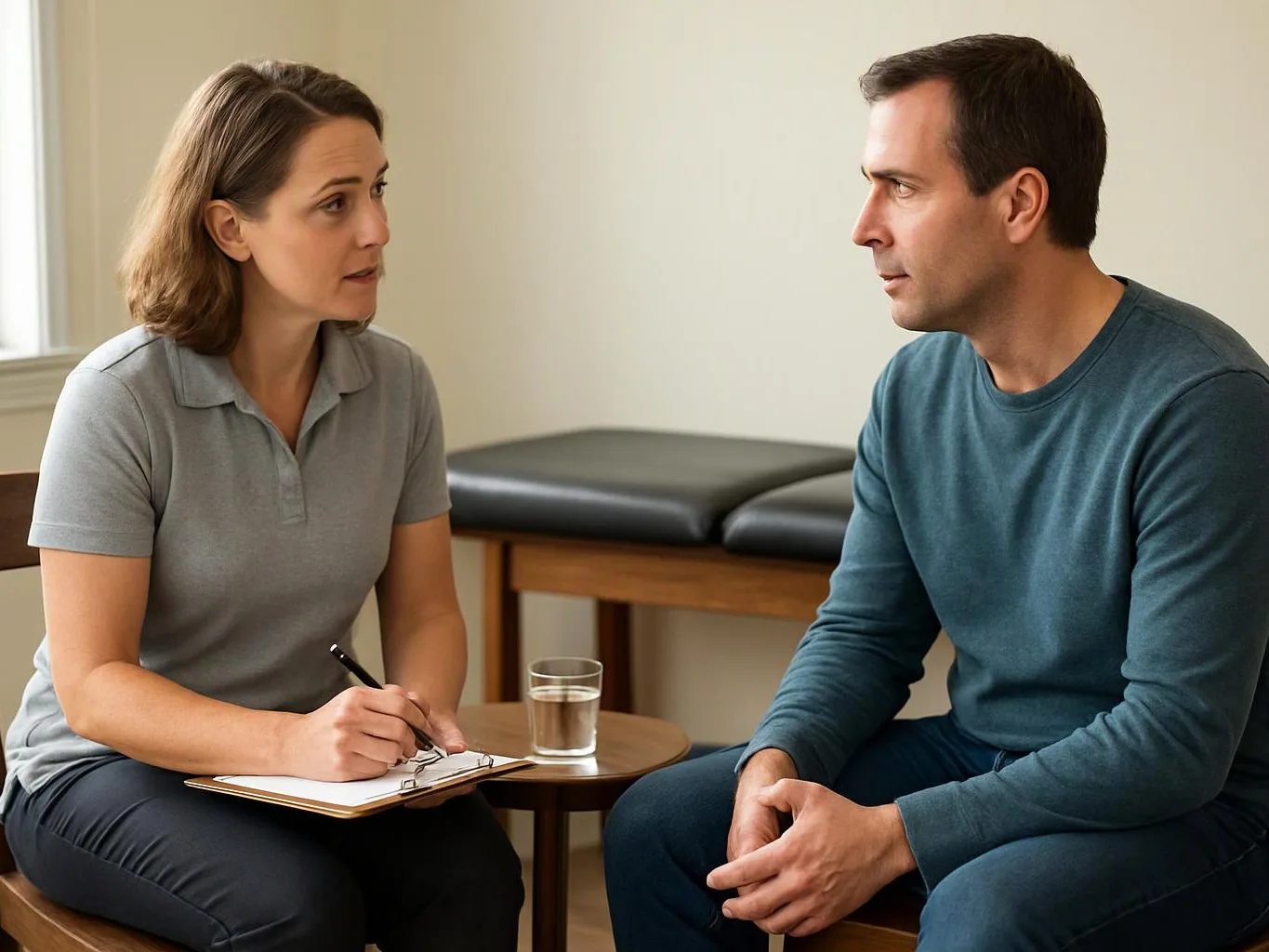
A woman takes notes while speaking with a man in a quiet counseling room
About

What posture correction changes in daily movement

Posture correction focuses on how your spine, joints, and muscles work during common positions. We look at sitting, standing, walking, and other movements that may reproduce strain. The service can include spinal adjustments, corrective care, and therapeutic exercises. We choose techniques based on your condition, symptoms, and goals. A single adjustment may address one finding, while posture-focused care also examines the habits that bring the problem back. Results vary between patients. Persistent pain, numbness, weakness, or symptoms after an accident need a full clinical review before exercise or adjustment choices are made. Our team checks those concerns during the intake and exam.

What Posture Correction Covers

Posture correction is a chiropractic service that assesses body alignment and supports more efficient movement.

  • Posture correction differs from a single adjustment because it combines assessment, care planning, and movement support.
  • Hendersonville patients receive this service at our clinic as part of individualized chiropractic care.

What to prepare before posture-focused care

Bring details that help us connect your symptoms with daily movement.

  • Write down when neck, back, or joint symptoms began.
  • Note which sitting, standing, work, or exercise positions increase discomfort.
  • Bring relevant health history and current treatment information.
  • List your main movement goal for the appointment.
Process

How we build a posture care plan

1

Review symptoms and daily positions

We discuss your symptoms, goals, work demands, and habits before care begins. This helps connect discomfort with the positions that trigger it.

2

Complete an individualized assessment

We examine movement and spinal needs, then consider whether imaging or another clinical step is appropriate for your situation.

3

Discuss care options

We explain treatment options before care begins. Options may include spinal adjustments, corrective care, and therapeutic exercises.

4

Apply the selected treatment

We use techniques suited to your circumstances and tailor adjustments to your spinal and musculoskeletal needs.

5

Monitor changes and adjust care

We review progress and change the plan when clinically appropriate. Ongoing maintenance may support movement after active concerns settle.

The Advanced Injury Care Clinic Standard

Individualized Assessments

We assess spinal alignment, movement patterns, and symptoms before selecting posture-focused care.

Pre-Care Discussions

We discuss posture concerns, daily demands, goals, and treatment options before care begins.

Progress Monitoring

We review movement and symptom changes so the care plan can be adjusted when clinically appropriate.

Questions about posture-focused chiropractic care

Who should I see for ongoing posture problems?

Advanced Injury Care Clinic provides posture-focused chiropractic care after an individualized evaluation. We review symptoms, movement, and goals before choosing treatment. Care may include spinal adjustments, corrective care, or therapeutic exercises. Persistent numbness, weakness, or severe symptoms require a clinical discussion before care begins.

Can posture correction help after years of poor posture?

Long-standing posture habits can still receive clinical attention, but individual response differs. Care starts with an assessment of movement, spinal needs, and symptoms. We then develop a plan that may include adjustments and exercises. Results depend on the findings, daily habits, and how your body responds over time.

What happens at the first posture appointment?

The first appointment includes a new patient intake, health history, and individualized evaluation. We discuss symptoms, goals, and treatment options before care begins. The assessment may guide a personalized treatment plan, which can include spinal adjustments, corrective care, or therapeutic exercises when appropriate.

What makes posture correction different from one adjustment?

Posture correction combines assessment, care planning, and movement support across the patient's needs. A single adjustment addresses a selected spinal or joint finding. Posture-focused care also considers repeated positions and habits that may contribute to strain. We monitor progress and update care when clinically appropriate.

What can change the cost of posture-focused care?

The cost depends on the evaluation, treatment needs, techniques selected, and whether injury rehabilitation is part of care. We discuss treatment options before care begins and explain what the plan includes. Ask our team for an exact quote based on your condition and goals.

Do I need a referral before starting care?

A referral isn't stated as a requirement for starting this service. We begin with a new patient intake and individualized assessment. Bring relevant health information and describe your symptoms clearly. Our team can then discuss suitable care options and whether another clinical step is appropriate.

When should posture concerns receive a closer review?

Posture concerns deserve closer review when pain keeps returning, movement becomes limited, or symptoms include numbness or weakness. We assess the spine, movement pattern, and stated goals before selecting care. Symptoms after an auto accident or work injury should also be discussed during the intake.
Contact

Discuss posture correction in Hendersonville

Advanced Injury Care Clinic can review your posture concerns, symptoms, and movement goals during an appointment. We're open Monday through Friday from 9 am to 7 pm and Saturday from 9 am to 2 pm.

A lit clinic building stands at dusk, with glowing windows and glass entrance doors
Scenarios

When Customers Call Us About Posture Correction

1

Desk Work Strains The Neck

Long periods of sitting can keep the head and shoulders forward, which may increase neck tension and headaches. The key question is whether posture, joint motion, or another issue drives the symptoms. Bring notes about work positions and symptom changes, then let us complete an individualized evaluation before exercises or adjustments are selected.

2

Back Pain Returns After Activity

Back discomfort that returns after exercise, lifting, or daily tasks may reflect a movement pattern that needs closer review. Posture-focused care looks at how the spine and hips work together, not just where pain appears. Schedule an assessment so we can discuss your goals and build care around your findings.

3

Parents Notice Uneven Alignment

A visible shoulder or head tilt can concern families, but appearance alone doesn't explain the cause. Our team reviews movement, symptoms, and musculoskeletal needs before recommending care. A consultation gives you a safer way to understand whether posture correction, another treatment approach, or further evaluation fits the situation.
Our Other Services

Dry NeedlingTight muscles and trigger points can keep painful areas from relaxing. Dry needling targets specific muscle bands, then stretching and movement work help restore flexibility around the affected shoulder, hip, or back.
Chiropractic AdjustmentPersistent stiffness or restricted movement can make work and sleep harder. We assess spinal alignment and use hands-on adjustments to address joint restriction, improve range of motion, and support easier daily movement.
Spinal Decompression TherapyPressure around a spinal disc can send pain into your back, hip, or leg. Spinal decompression uses controlled table-based traction to reduce disc loading and support movement during a focused care plan.
Shockwave TherapyPersistent tendon pain can limit walking, lifting, or sports activity. Shockwave therapy directs acoustic waves into irritated tissue, supporting circulation and healing for conditions such as plantar fasciitis or tennis elbow.
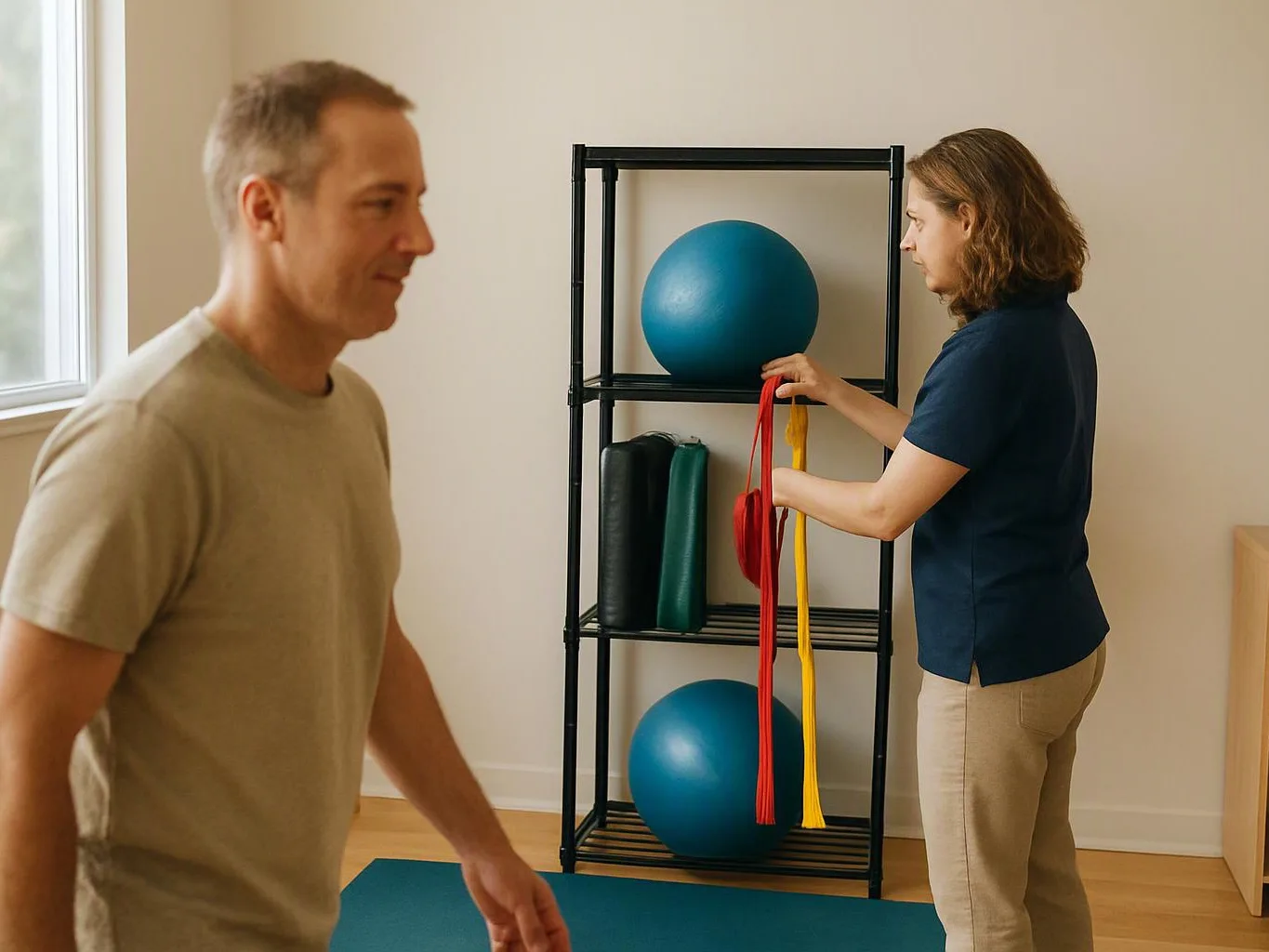
Corrective Exercise TherapyWeak muscles and poor movement patterns can keep pain returning after treatment. Corrective exercises target core stability, hip control, and shoulder strength, helping you move with better support during daily activities.
Auto Accident Injury TreatmentNeck pain, back strain, and headaches often appear after a collision. We evaluate whiplash, soft-tissue injury, and reduced mobility, then build a treatment plan aimed at restoring comfortable movement after your accident.

The health and wellness information on this website is for general informational purposes only and is not medical advice. It does not create a provider-patient relationship. Always consult a qualified licensed provider in Hendersonville, TN, United States about your specific condition before making care decisions. Individual results vary.

(615) 265-0412