What methods support posture correction?
Stretching routines support posture care, but they work best when matched with an evaluation and other needed methods. Advanced Injury Care Clinic may recommend spinal adjustments, corrective exercises, ergonomic changes, or core strengthening. The right mix depends on your movement, symptoms, injury history, and goals. Results vary, so follow-up helps guide changes.
How can I tell whether posture care fits my symptoms?
Posture care may fit symptoms linked to movement habits, joint restriction, muscle control, or daily strain. Our evaluation reviews your health history and physical movement before treatment begins. Patients with severe, unexplained, or worsening symptoms may need medical assessment outside chiropractic care.
Which part of my condition decides the treatment scope?
Your symptoms, movement limits, injury history, and exam findings decide the treatment scope. We use those details to choose focused care, such as an adjustment, exercise plan, or rehabilitation support. A broader plan is not automatically better, so we keep care tied to your stated goals.
What happens during the first posture appointment?
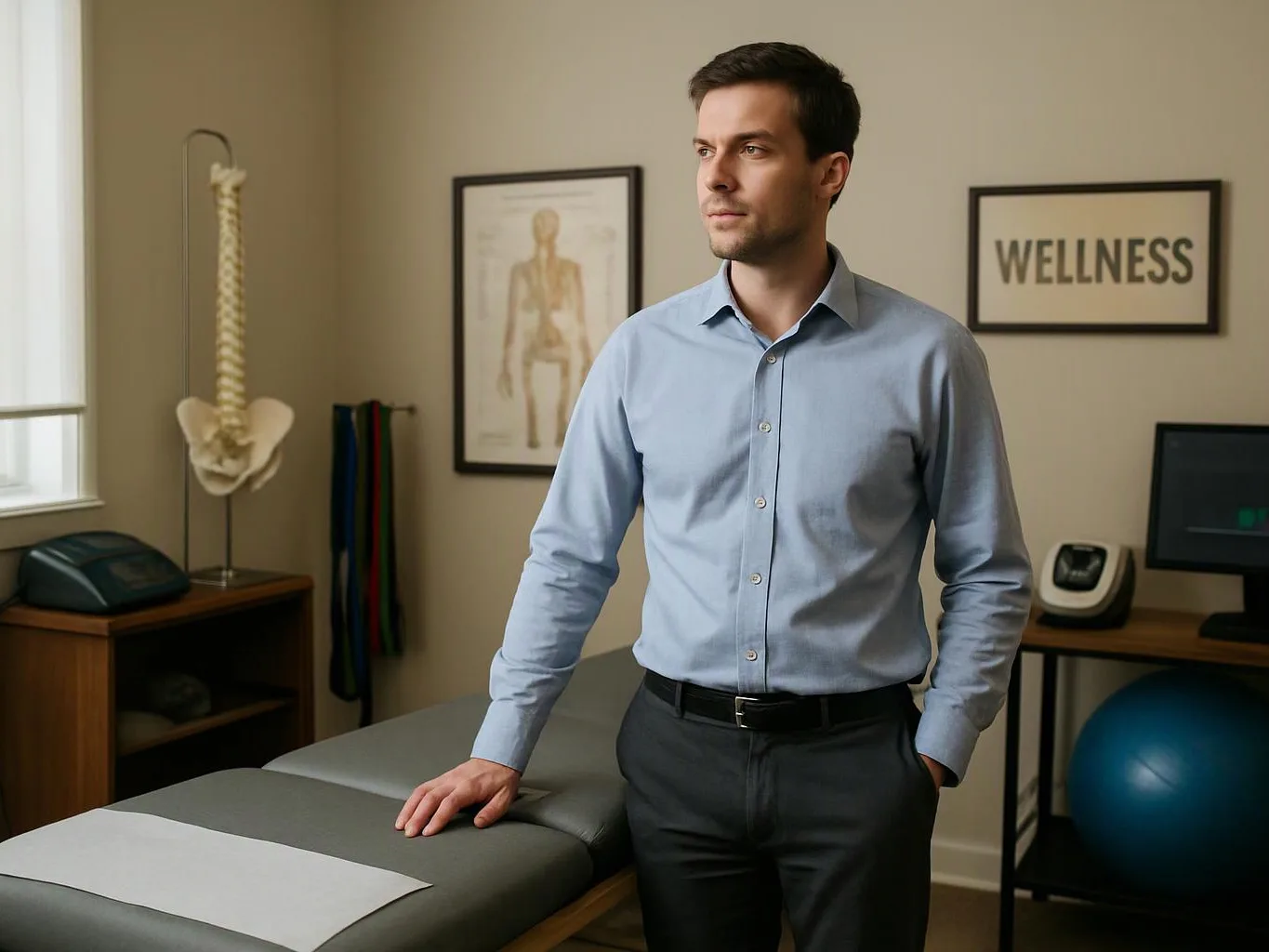
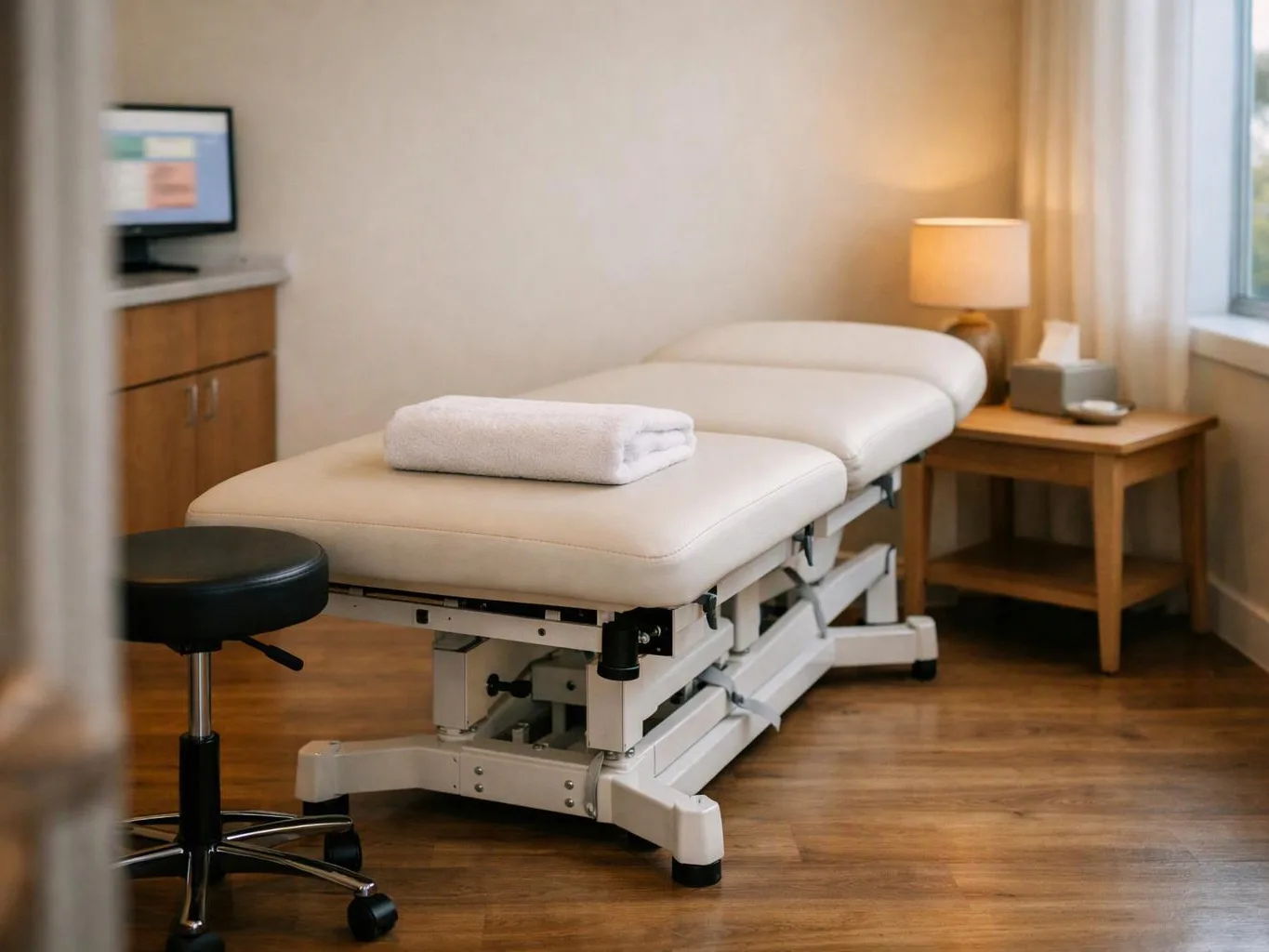
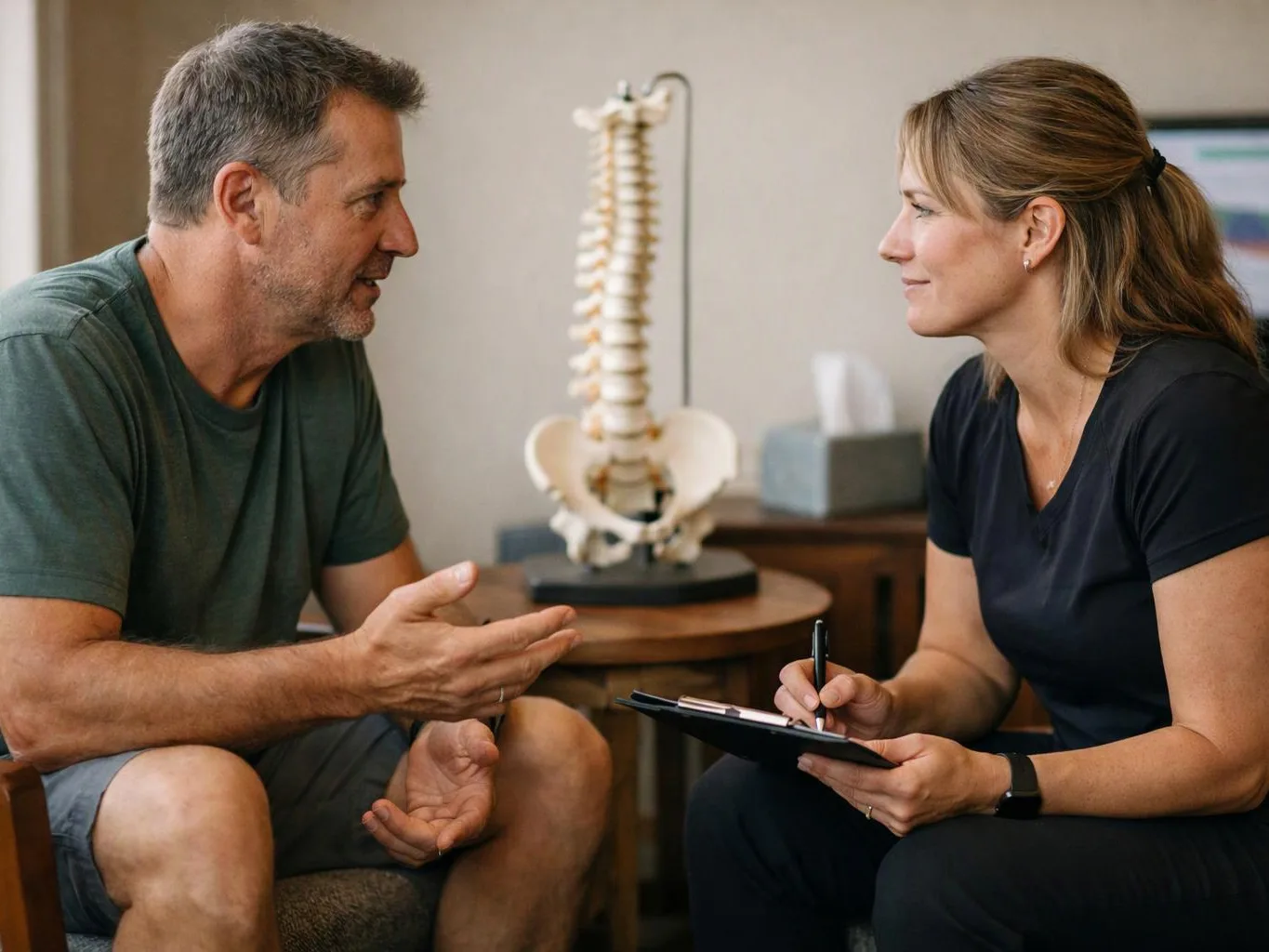
The first appointment includes a new patient intake, health history, and exam. We discuss your symptoms, daily activities, and goals before explaining care options. X-rays may be considered if clinically indicated. Patients then receive clear information about the recommended treatment plan.
Why might posture problems return after treatment?
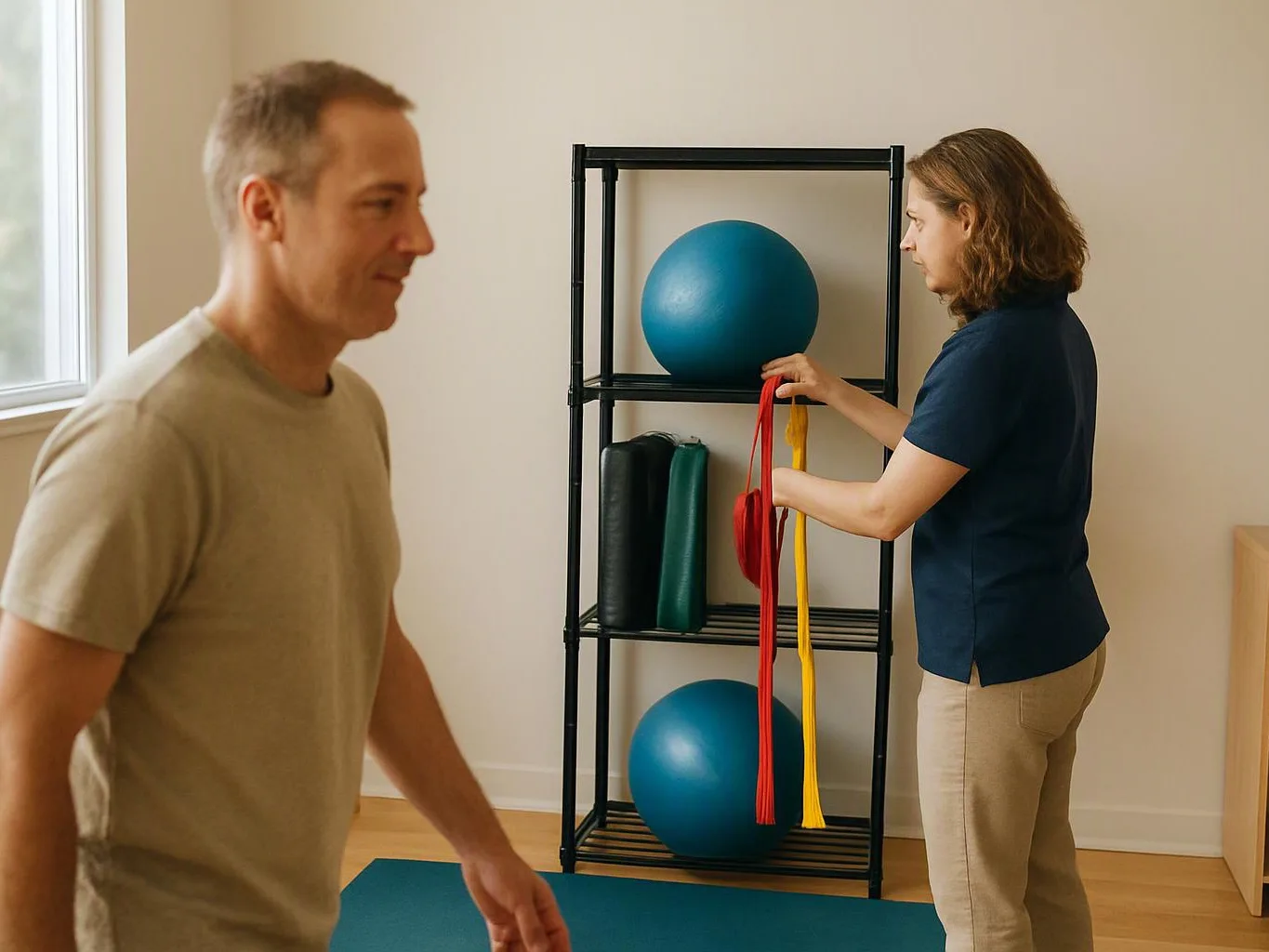
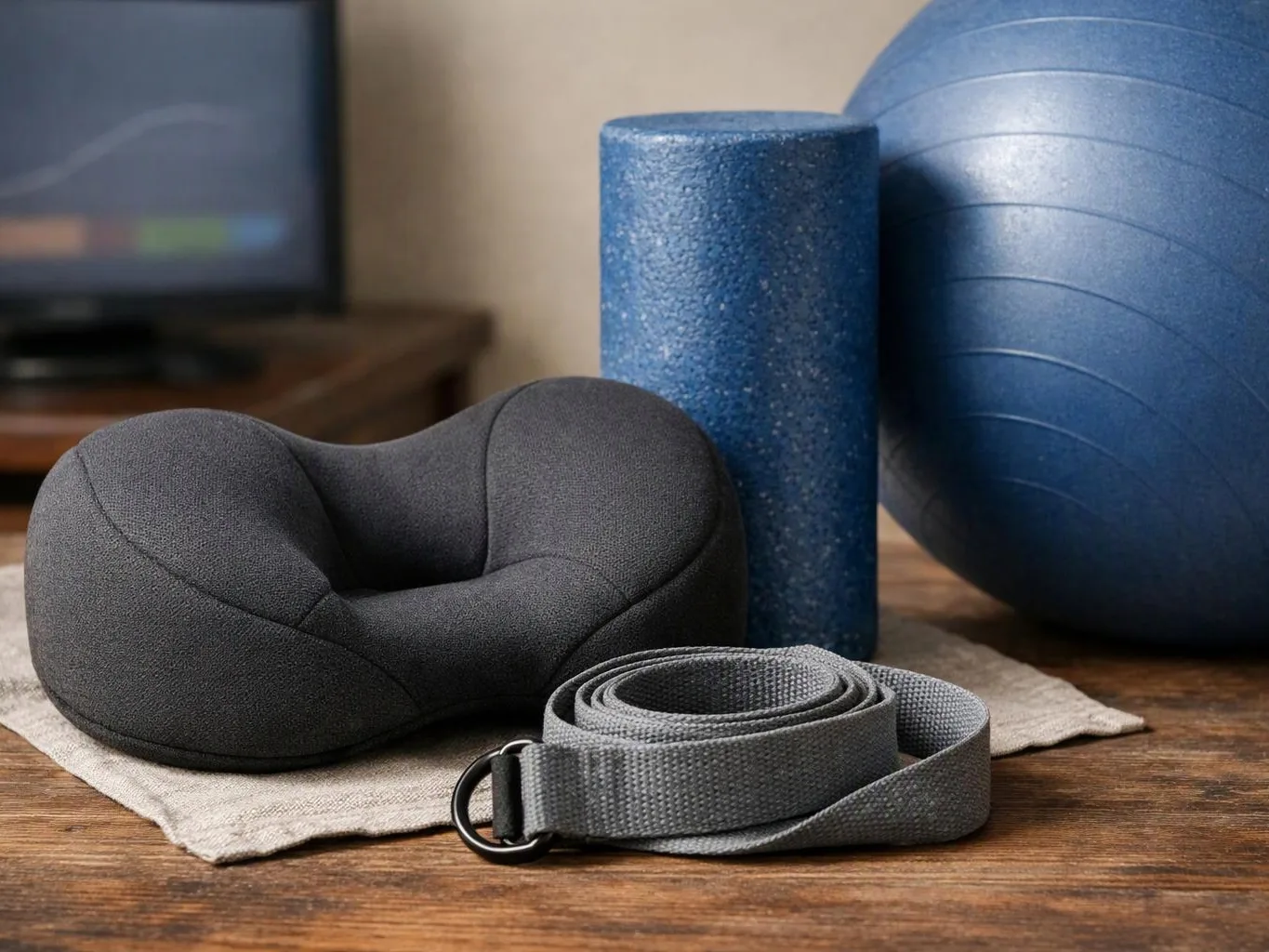
Posture problems may return when daily habits, muscle control, or joint restrictions continue to affect movement. We review how you sit, lift, work, and exercise, then adjust the care plan when needed. Home exercises and ergonomic changes may support progress between visits.
Which care is better for posture, an adjustment or exercise?
Neither method is best for every patient because adjustments and exercises address different needs. Spinal adjustments focus on joint motion, while exercises build control and support. We may use one method or both after reviewing your condition and movement goals.
What should I bring to my first appointment?
Bring a list of symptoms, current health concerns, injury details, and questions about daily movement. Medical records or imaging may help when they relate to your condition. Our new patient intake gathers the information needed to discuss a suitable plan.