Glossary

What is Workers Compensation?

Workers Compensation is a state-mandated insurance program that provides medical benefits and wage replacement to employees who suffer job-related injuries or illnesses. Workers Compensation covers treatment costs, rehabilitation. And partial lost wages without requiring proof of employer fault. While preventing most lawsuits against employers.

Reviewed by Advanced Injury Care ClinicSources reviewed: Tennessee Bureau of Workers’ Compensation, U.S. Department of Labor - Workers’ Compensation

Quick Facts About Workers Compensation

Category

Insurance and employee benefit

Used for

Work-related injuries or illnesses

Common confusion

Not the same as health insurance or disability insurance

Also called

Workers Comp, Work Comp

Often discussed with

Work Injury Treatment, Workers Compensation Doctor

Key Takeaways About Workers Compensation

Understanding Workers Compensation

Workers Compensation in Chiropractor: Workers Compensation is a state-mandated insurance program that provides medical ben...

Workers Compensation helps workers and bosses. It gives help after a job injury. Workers get medical care and some pay while healing.

Related glossary terms: Acute Pain, Ligament Sprain, Muscle Strain.

Bosses can't be sued most times. This system keeps things fair. It helps workers fast and keeps costs low for bosses.

Each state makes its own rules. Rules say who must have coverage. They say what injuries count and how pay is figured.

In Tennessee, most bosses with five workers must have it. Smaller bosses may not need it. Some jobs don't need it too. Check local rules.

It covers injuries from work. It also covers sickness from work. This includes hurts from doing the same thing over and over.

It covers sickness from bad things at work. These things can make you sick.

How Workers Compensation Works?

A worker tells the boss about a hurt. The boss tells the insurance company. This starts the claim.

A doctor checks the hurt. The doctor says if it's from work. The doctor picks the treatment needed.

If approved, insurance pays for care. This covers doctor visits and medicine. It may cover physical therapy too.

It may cover visits to a chiropractor. If the worker can't work, they get some pay. This is about two-thirds of their usual pay.

Benefits last until the worker is better. This is called maximum medical improvement (MMI). MMI means no more healing is expected.

Then a final check is done. It sees if there's lasting harm. If so, more benefits may be given.

Workers can appeal if their claim is denied. They can appeal if benefits stop too soon. Bosses and insurers must act fast.

They must follow strict timelines. This makes sure workers get care quickly.

Why Workers Compensation Matters?

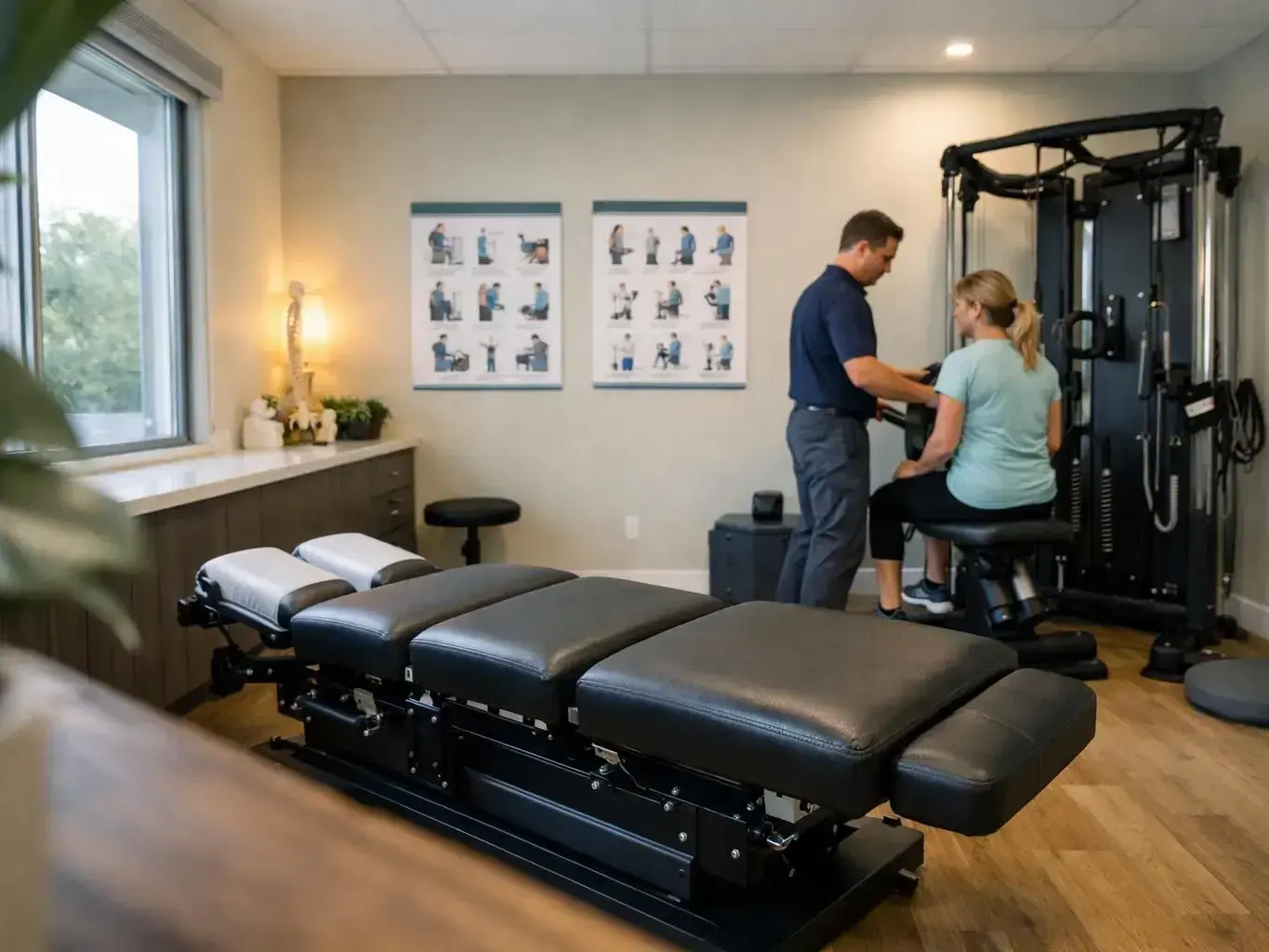
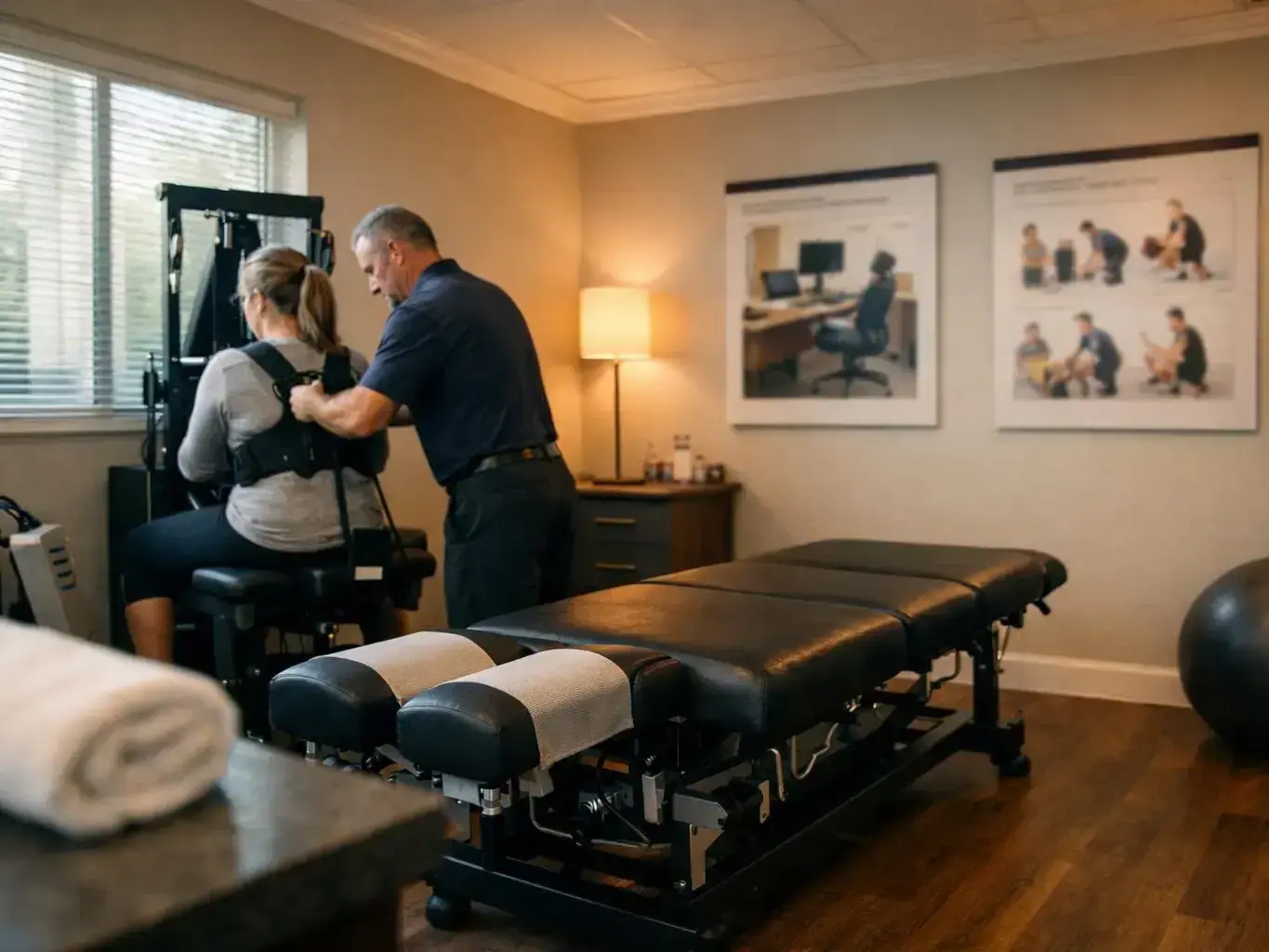
How Workers Compensation applies to Chiropractor services in Hendersonville, United States—practical illustration

Workers Compensation helps workers feel safe. It pays for doctor bills. It gives money when they can't work.

Without it, workers might get big bills. They might have to work too soon. This could hurt them more.

It makes workplaces safer. Bosses with fewer claims pay less. This makes them want to keep work safe.

They give good training. They use safe tools. This helps everyone.

Bosses like Workers Compensation too. It keeps them from big lawsuits. It helps workers come back to work.

Without it, bosses might have to pay a lot. They might lose workers too. This system makes things predictable.

It pays for doctor visits and some pay. This helps workers get better fast. They can return to their jobs.

This helps workers and bosses.

When Workers Compensation Matters Most?

Workers Compensation helps after bad accidents. This includes falls or machine hurts. It covers car crashes on work trips.

It also helps with slow hurts. This includes hand pain from typing. It includes back pain from lifting.

Jobs like building or health care need it more. These jobs can hurt workers. But office workers can get help too.

They can get help if hurt at work.

Timing is very important. Workers must tell about hurts fast. Most states say tell in a few days.

Bosses must tell the insurance fast too. They must write down what happened. In Tennessee, workers have one year to file.

But telling sooner helps claims get approved. Many treatments are covered. This includes chiropractic care.

It includes physical therapy too. Workers should see doctors who know this system.

How to Evaluate Workers Compensation?

Related Concepts Compared

Workers Compensation vs. Disability Insurance

Disability insurance covers injuries or illnesses that happen outside work. While Workers Compensation only applies to job-related conditions.

Workers Compensation vs. Personal Injury Protection (PIP)

PIP covers medical expenses after car accidents, regardless of fault. While Workers Compensation covers work-related injuries only.

Expert Note

Workers Compensation laws vary significantly by state, including which treatments are covered and how disputes are resolved. Always confirm local requirements, as missed deadlines or incorrect paperwork can delay or deny benefits.

Common Mistakes or Myths About Workers Compensation

  • Assuming Workers Compensation covers injuries that happen during commutes—most states exclude these.
  • Waiting too long to report an injury, which can lead to denied claims.
  • Using personal health insurance for work injuries instead of filing a Workers Compensation claim.
  • Believing Workers Compensation covers all lost wages—most states cap benefits at two-thirds of regular pay.
  • Thinking employees can sue their employer for pain and suffering—Workers Compensation usually prevents this.

Workers Compensation in Practice: A Real-World Example

A warehouse worker in Hendersonville, TN, strains their back while lifting a heavy box. They report the injury to their supervisor the same day. After seeing a chiropractor approved by their employer’s Workers Compensation insurance, they receive treatment and partial wage replacement while recovering. The insurance covers the medical bills. And the worker returns to light-duty tasks after two weeks.

Sources & Further Reading on Workers Compensation

  • Tennessee Bureau of Workers’ Compensation
  • U.S. Department of Labor - Workers’ Compensation
  • National Council on Compensation Insurance (NCCI)

Related Services

Related Terms

Acute Pain

Acute Pain is sudden, sharp discomfort that lasts from a few seconds to less than three months. Acute Pain signals the body that something is wrong, often due to injury, surgery. Or illness. Unlike long-term pain, Acute Pain usually fades once the cause heals or is treated.

Ligament Sprain

Ligament Sprain is an injury to a ligament—the tough, fibrous tissue that connects bones to other bones at joints—caused by overstretching or tearing. Ligament sprains commonly occur during sports, falls. Or sudden twists, leading to pain, swelling. And reduced joint stability. Severity ranges from mild stretching to complete tears, affecting mobility and recovery time.

Muscle Strain

Muscle Strain is an injury to a muscle or tendon—the fibrous tissue connecting muscle to bone—caused by overstretching, overuse. Or sudden force. Muscle Strains range from mild discomfort to severe tears, often resulting in pain, swelling. And limited movement. They commonly occur in the back, neck, hamstrings.

Chiropractic Care

Chiropractic Care is a health care profession focused on diagnosing and treating musculoskeletal disorders, primarily through manual adjustments and manipulations of the spine. Chiropractic Care aims to improve joint function, reduce pain. And support the body's natural ability to heal without surgery or medication. It's commonly used for back pain, neck pain, headaches. And injuries from accidents or repetitive strain.

Personal Injury Protection

Personal Injury Protection is a type of car insurance coverage that pays for medical expenses, lost wages. And other costs after an auto accident, regardless of who caused the crash. It's often called 'no-fault' insurance because it covers the policyholder and passengers without requiring legal blame to be assigned first. Coverage amounts and rules vary by state.

Advanced Injury Care Clinic

Have Questions About Workers Compensation?

Contact Advanced Injury Care Clinic for practical guidance on Workers Compensation and related chiropractor work in Hendersonville.

+1 615-777-0624