Understanding Personal Injury Protection
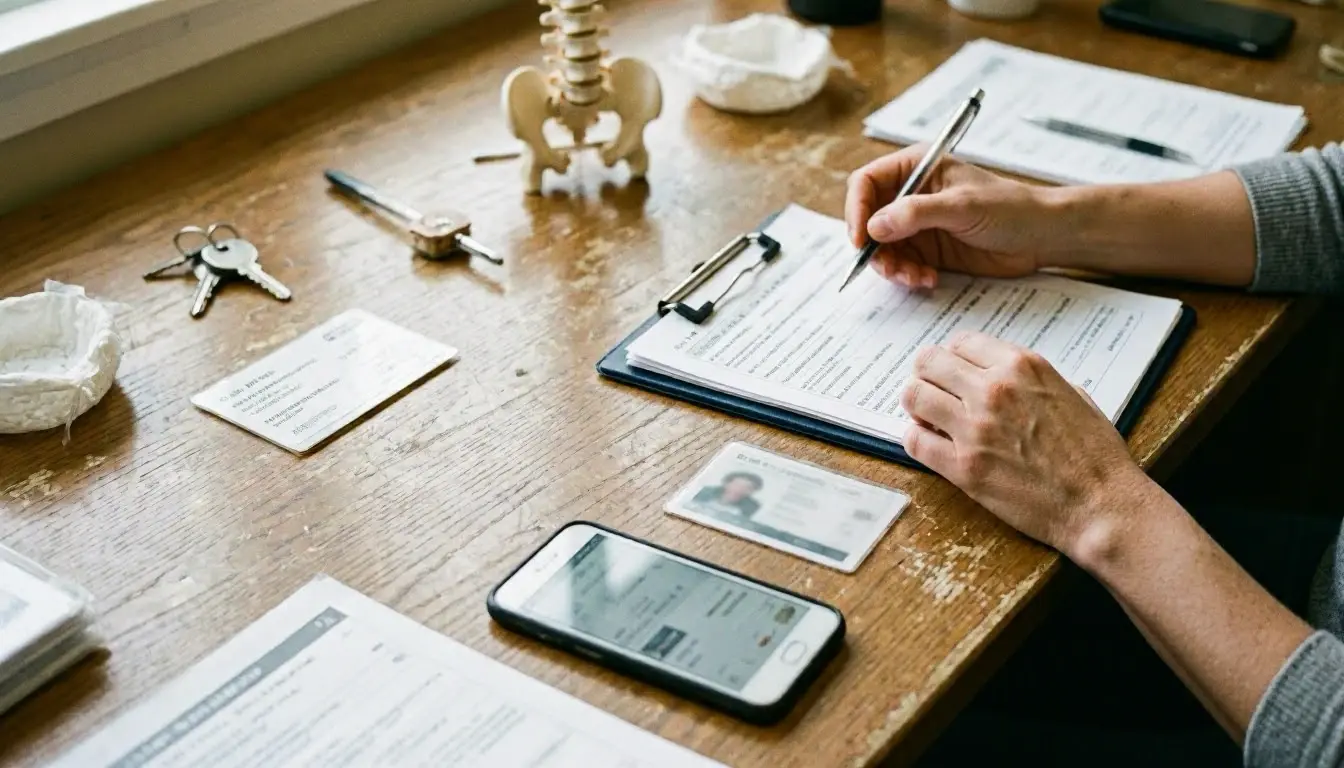
Personal Injury Protection (PIP) is a part of auto insurance that helps pay for medical expenses and other costs after a car accident. Unlike traditional liability insurance, which pays for injuries to other people when you're at fault, PIP covers you and your passengers no matter who caused the crash. This is why it's often called 'no-fault' insurance. PIP can cover hospital bills, doctor visits, rehabilitation services. And even lost wages if you can't work due to injuries.
Related glossary terms: Workers Compensation, Chiropractic Care, Acute Pain.
PIP is not available in every state. Some states require drivers to carry PIP as part of their auto insurance policy. While others make it optional. In states where PIP is required, drivers must purchase a minimum amount of coverage. The exact rules, coverage limits. And what expenses are included can vary widely. For example, some states allow PIP to cover funeral costs or household services like cleaning if injuries prevent you from doing them yourself.
How Personal Injury Protection Works?
When an accident happens, PIP works by allowing the policyholder to file a claim directly with their own insurance company. This speeds up the process of getting medical care and other benefits because there is no need to wait for fault to be determined. The insurance company reviews the claim and pays for covered expenses up to the policy limit. For example, if a policy has a ,000 PIP limit, the insurer will pay up to that amount for qualifying costs.
Many projects start with PIP typically covers a range of expenses. Medical costs can include emergency room visits, surgery, X-rays. And follow-up care like physical therapy or chiropractic treatment. It may also cover lost wages if injuries prevent you from working, as well as services like childcare or household help if you are temporarily unable to perform those tasks. But PIP doesn't cover property damage to vehicles or other non-medical costs like pain and suffering. Each state sets its own rules about what PIP covers and how much must be included in a policy.
Why Personal Injury Protection Matters?
PIP matters because it provides quick access to funds for medical care and other needs after an accident. Without PIP, injured drivers and passengers might have to wait weeks or months for a legal settlement to cover their bills. This can lead to financial stress, unpaid medical bills. Or even delays in receiving necessary treatment. PIP helps reduce these risks by ensuring that money is available right away, regardless of who was at fault.
For people involved in car accidents, PIP can also reduce the need for legal battles over medical costs. Because PIP covers expenses without assigning blame, it can simplify the claims process and help injured parties focus on recovery instead of paperwork or court cases. This is especially important in states with no-fault insurance laws, where PIP is often the primary source of coverage for accident-related injuries.
When Personal Injury Protection Matters Most?
PIP matters most in situations where injuries from a car accident require immediate medical attention or result in time off work. For example, if someone is injured in a crash and needs surgery or physical therapy, PIP can help cover those costs without waiting for a lawsuit to settle. It also matters for passengers who may not have their own health insurance, as PIP can provide coverage for their medical bills as well.
PIP is especially important in states where it is required by law. In these states, drivers must carry PIP as part of their auto insurance policy. And failing to do so can result in fines or legal penalties. Even in states where PIP is optional, it can be a valuable addition to an insurance policy, particularly for drivers who want extra protection for themselves and their passengers. For chiropractors and other healthcare providers, PIP can also play a role in ensuring that patients receive timely care after an accident.