Understanding Acute Pain

Acute Pain is the body’s immediate response to harm. When tissues are damaged—like a sprained ankle or a cut finger—nerves send urgent signals to the brain. These signals create the sharp, intense sensation people feel as Acute Pain. The purpose is simple: to alert the person that something is wrong and needs care. For example, touching a hot stove causes Acute Pain so the hand pulls away quickly, preventing worse burns.
Related glossary terms: Chronic Pain, Herniated Disc, Ligament Sprain.
Most Acute Pain lasts only as long as the injury takes to heal. A minor cut might hurt for a few days. While a broken bone could cause discomfort for several weeks. The pain fades once the body repairs the damage. Doctors often describe Acute Pain as a symptom, not a disease. This means treating the root cause—like cleaning a wound or setting a fracture, usually makes the pain go away. Over-the-counter pain relievers can help manage discomfort while healing happens. But they don’t fix the problem on their own.
How Acute Pain Works?
When an injury occurs, tiny nerve endings near the damaged area detect trouble. These nerves release chemicals that travel through the spinal cord to the brain. The brain processes these signals and produces the sensation of pain. This entire process happens in seconds. The intensity of Acute Pain depends on the type and severity of the injury. A paper cut might sting briefly. While a deep cut or broken bone can cause severe, throbbing pain.
In practice, Doctors measure Acute Pain using simple scales, often asking patients to rate their pain from 0 to 10. Zero means no pain. While 10 represents the worst pain imaginable. This scale helps track how well treatments are working. Imaging tests like X-rays or MRIs can also show injuries causing Acute Pain. But the pain itself is subjective, meaning only the person feeling it can truly describe how bad it's.
Why Acute Pain Matters?
Acute Pain serves an important protective role. Without it, people might not realize they’re injured. Imagine stepping on a nail and not feeling pain, the foot could become badly infected. Acute Pain also guides treatment decisions. If pain is severe or doesn’t improve, it may signal a problem that needs medical attention, like a fracture or infection. Ignoring Acute Pain can lead to complications, such as chronic pain or long-term disability.
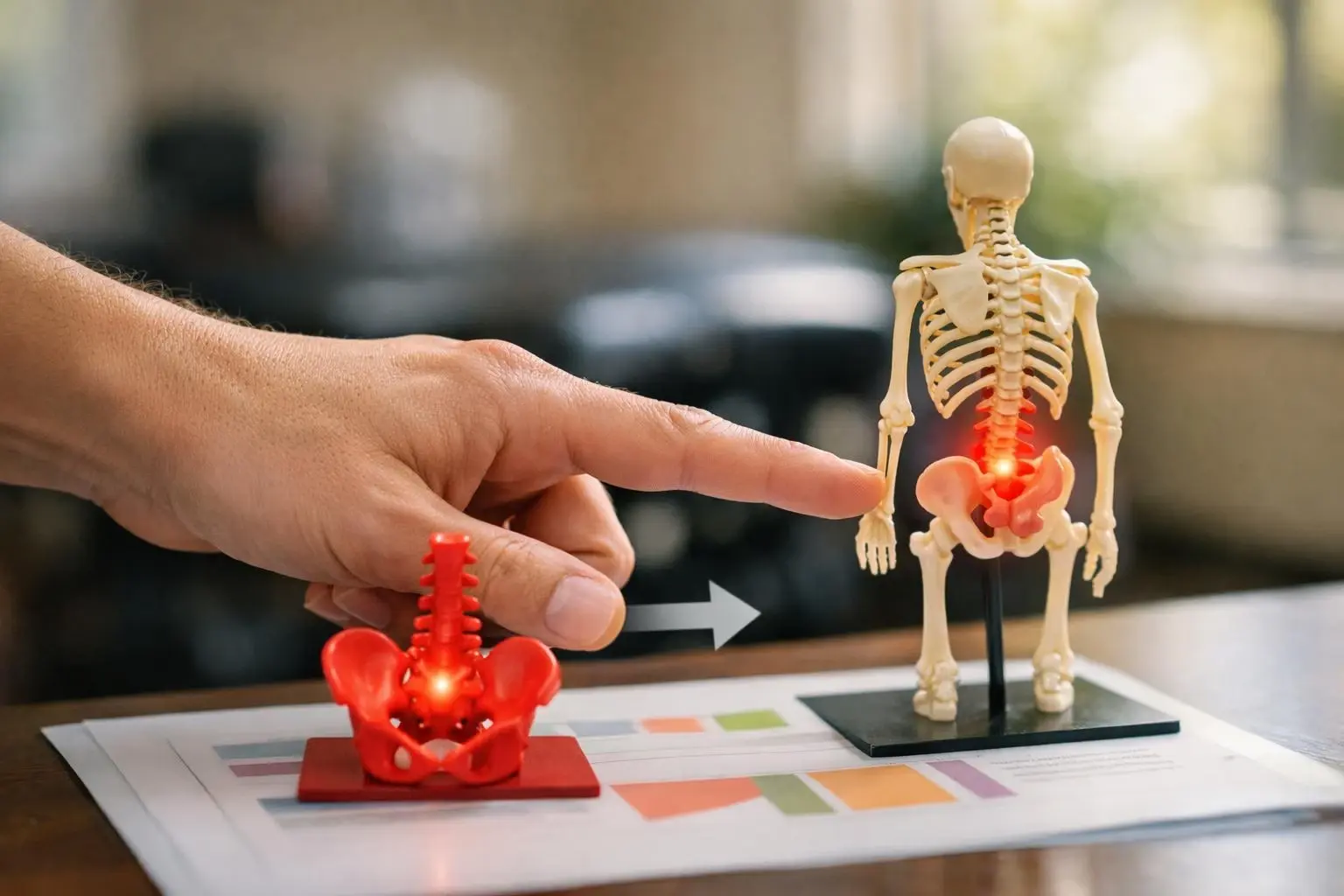
For healthcare providers, Acute Pain is a key clue in diagnosing problems. The location, type. And duration of pain help doctors determine the cause. For example, sudden chest pain could signal a heart problem. While sharp back pain might indicate a herniated disc. Quick and accurate diagnosis ensures the right treatment starts early, improving recovery chances.
When Acute Pain Matters Most?
Acute Pain becomes especially important in emergencies or after injuries. Car accidents, falls, sports injuries. And sudden illnesses often cause Acute Pain. In these situations, pain can help first responders or doctors assess the severity of an injury. For instance, severe pain after a car crash might indicate internal injuries that need immediate care. Even minor injuries, like a sprained wrist, benefit from attention to Acute Pain - proper treatment can prevent stiffness or weakness later.
Acute Pain also matters during recovery from surgery or medical procedures. Managing pain well after surgery helps patients move, breathe. And heal faster. Poor pain control can lead to complications like pneumonia or blood clots. Patients should communicate openly with their healthcare team about pain levels to ensure safe and comfortable recovery. If Acute Pain lasts longer than expected or worsens, it’s a sign to seek further evaluation.