Glossary

What is Ligament Sprain?

Ligament Sprain is an injury to a ligament—the tough, fibrous tissue that connects bones to other bones at joints—caused by overstretching or tearing. Ligament sprains commonly occur during sports, falls. Or sudden twists, leading to pain, swelling. And reduced joint stability. Severity ranges from mild stretching to complete tears, affecting mobility and recovery time.

Reviewed by Advanced Injury Care ClinicSources reviewed: American Academy of Orthopaedic Surgeons, National Institute of Arthritis and Musculoskeletal and Skin Diseases

Quick Facts About Ligament Sprain

Category

Soft tissue injury

Used for

Diagnosing joint instability or ligament damage

Common confusion

Often mistaken for muscle strains or fractures

Also called

Sprained ligament, Joint sprain

Often discussed with

Work Injury Treatment, Slip & Fall Injury Treatment

Key Takeaways About Ligament Sprain

Understanding Ligament Sprain
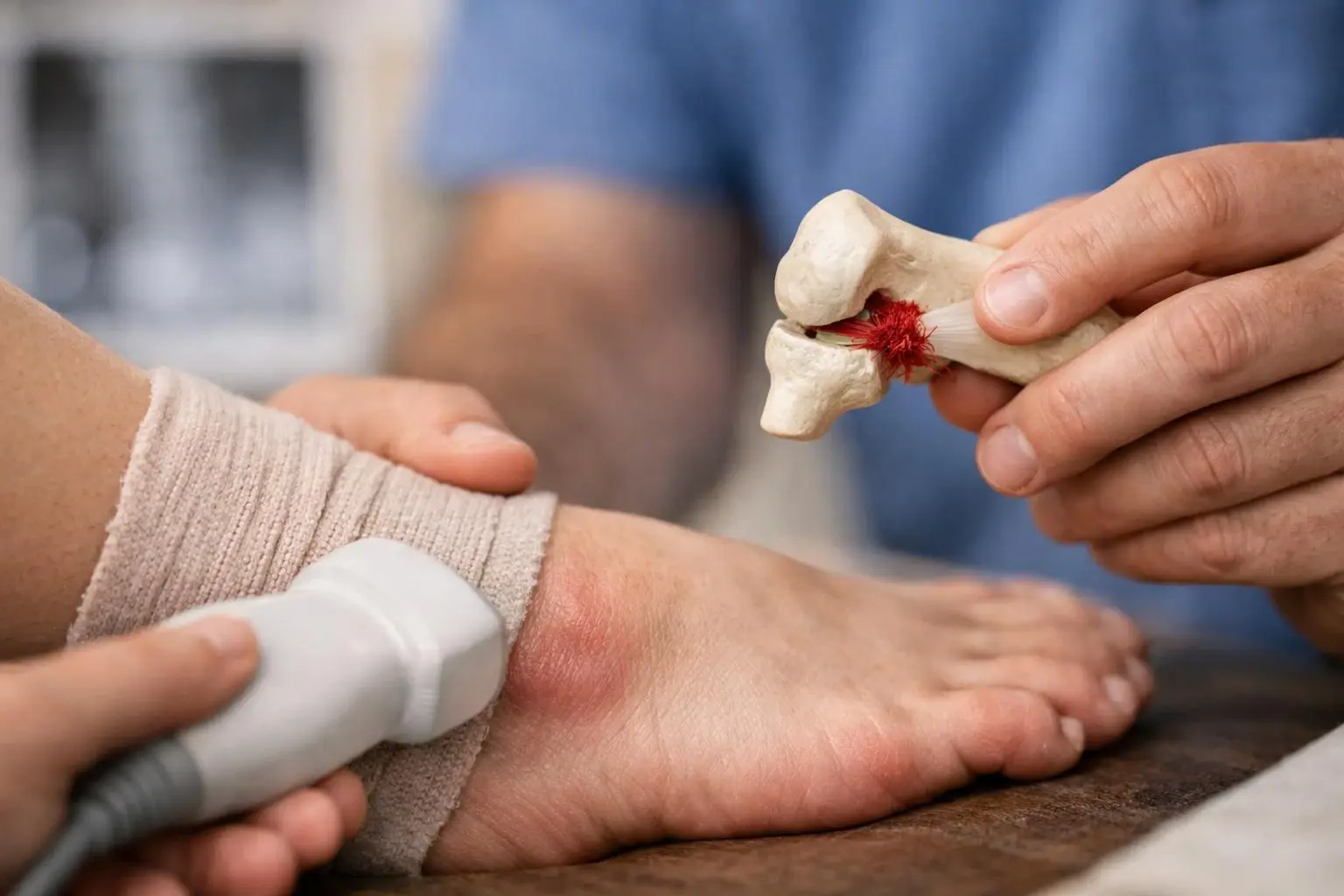
Ligament Sprain in Chiropractor: Ligament Sprain is an injury to a ligament—the tough, fibrous tissue that—visual guide

A ligament is a strong band. It connects bones at a joint. It can stretch or tear.

Related glossary terms: Muscle Strain, Herniated Disc, Soft Tissue Therapy.

This is called a sprain. It happens when the ligament stretches too far. It can also tear.

Ligaments work like elastic bands. They hold bones together. They help joints move.

Too much force can hurt them. This can happen during a sudden twist. It can also happen from a hard hit.

Sprains often happen in ankles. They also happen in knees, wrists. And fingers. These joints move suddenly or get hit often.

Sprains have three grades. The grades show how bad the injury is.

Grade 1 sprains are mild. The ligament stretches a little. It hurts a bit and swells.

But the joint stays stable. It does not feel loose.

Grade 2 sprains are worse. The ligament tears a little. It hurts more and swells.

There may be bruises. The joint is harder to use.

Grade 3 sprains are the worst. The ligament tears all the way. It hurts a lot and swells.

There are bruises. The joint feels loose. It may need a doctor or surgery.

How Ligament Sprains Happen and Are Diagnosed?

Sprains often happen during sports. They come from sudden stops or quick turns. A hard hit can also cause them.

Basketball, soccer. And football cause many sprains. Everyday things can too. Slipping on ice is one example.

Landing wrong from a jump can also hurt. The joint moves in a bad way. This can stretch or tear the ligament.

You may feel pain right away. The joint may swell. You might hear a pop.

A doctor checks for sprains. They look at the joint. They check for swelling and bruises.

They move the joint gently. This shows if it hurts or feels loose.

Sometimes, they use tests. X-rays (pictures of bones) can show breaks. An MRI (a special picture) shows ligaments.

These tests help see how bad the sprain is.

Why Ligament Sprains Matter?
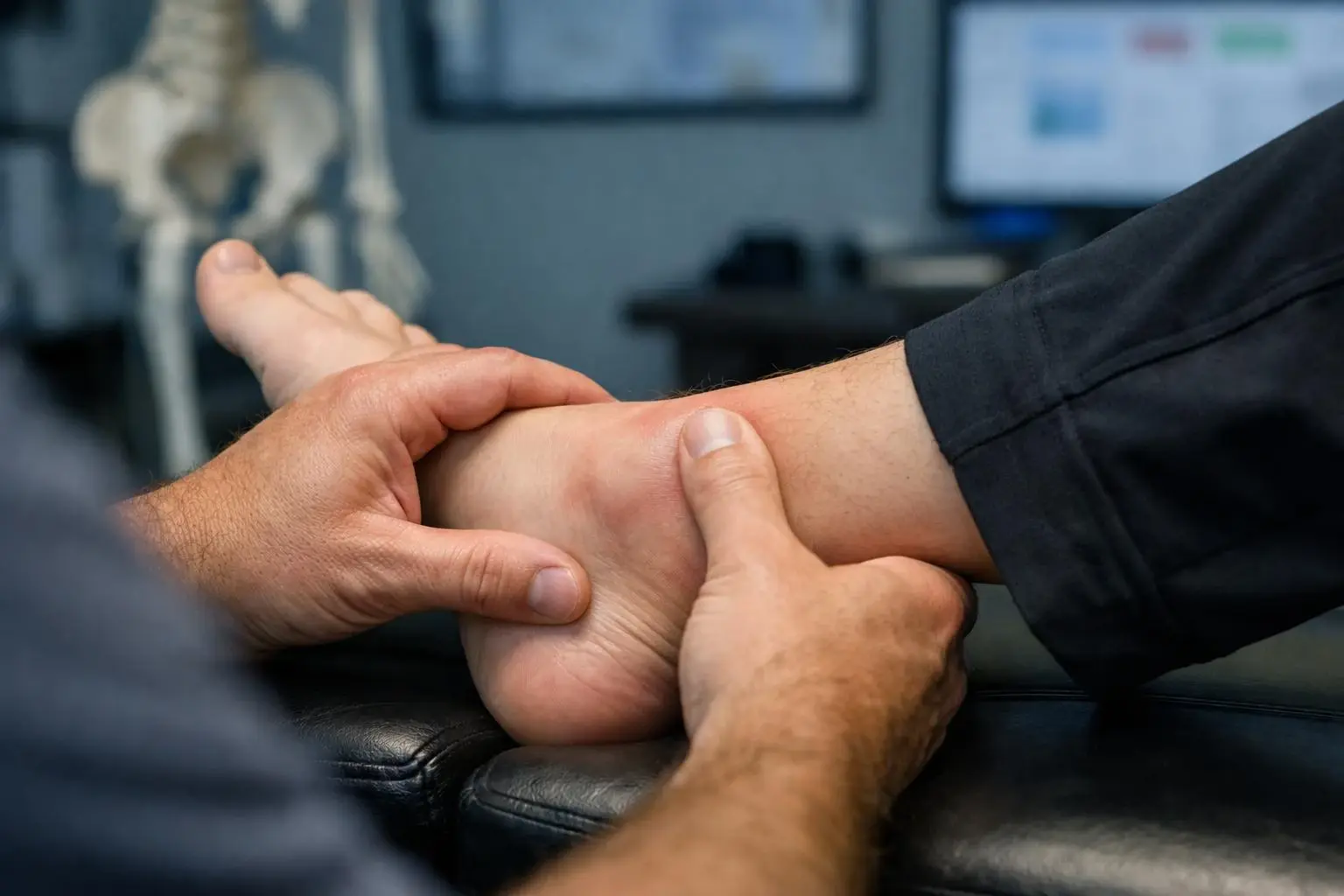
How Ligament Sprain applies to Chiropractor services in Hendersonville, United States—practical illustration

Sprains matter because they hurt. They can make daily life hard. Even a small sprain can cause pain.

The joint may swell. It can be hard to walk or run. Simple tasks may feel tough.

Bad sprains can make joints unstable. This can hurt again. It can also cause arthritis (joint pain) later.

Going back too soon can make it worse. It can take longer to heal. It may even need surgery.

Rest, ice. And elevation help. This is called RICE. It is the first step.

Bad sprains may need more. They may need a brace. They may need therapy or surgery.

Without good care, the ligament may not heal. It can cause lasting pain. The joint may stay weak or loose.

Knowing how bad the sprain is helps. It helps choose the right care. It helps know when to see a doctor.

When Ligament Sprains Matter Most?

Sprains matter most for athletes. They need to heal fast but safe. This keeps them from getting hurt again.

Workers need strong joints too. Jobs like building or nursing need them. Even driving can be hard with a sprain.

Carrying groceries can hurt. Good care keeps life normal.

Some things make sprains more likely. Age is one. Ligaments get stiffer as we get older.

Old sprains can weaken ligaments. They can get hurt again easier.

Uneven ground can cause sprains. So can bad shoes. Knowing these helps.

Strengthening muscles helps. So do braces. They keep joints safe.

How to Evaluate Ligament Sprain?

Related Concepts Compared

Ligament Sprain vs. Muscle Strain

A muscle strain involves overstretching or tearing of muscle fibers. While a ligament sprain affects the fibrous tissue connecting bones at joints.

Ligament Sprain vs. Fracture

A fracture is a break in a bone, whereas a ligament sprain is an injury to the tissue connecting bones at a joint.

Expert Note

Ligament sprains often heal with conservative care. But Grade 2 or 3 sprains may require imaging to confirm the extent of damage. Early rehabilitation, including targeted exercises, can prevent long-term joint instability and reduce the risk of re-injury.

Common Mistakes or Myths About Ligament Sprain

  • Assuming all joint pain is a sprain—fractures or muscle strains can cause similar symptoms.
  • Ignoring a sprain and continuing activity, which can worsen the injury or delay healing.
  • Using heat instead of ice in the first 48 hours, which can increase swelling and pain.
  • Skipping rehabilitation exercises, leading to long-term joint weakness or instability.
  • Returning to sports or physical activity too soon, risking re-injury or chronic problems.

Ligament Sprain in Practice: A Real-World Example

A soccer player lands awkwardly after jumping for a header, rolling their ankle inward. They feel a sharp pain, followed by swelling and bruising around the ankle joint. Unable to put weight on the foot, they seek medical evaluation, where a Grade 2 ligament sprain is diagnosed. Treatment includes rest, ice, compression. And physical therapy to restore strength and stability.

Sources & Further Reading on Ligament Sprain

  • American Academy of Orthopaedic Surgeons
  • National Institute of Arthritis and Musculoskeletal and Skin Diseases
  • Mayo Clinic

Related Services

Related Terms

Muscle Strain

Muscle Strain is an injury to a muscle or tendon—the fibrous tissue connecting muscle to bone—caused by overstretching, overuse. Or sudden force. Muscle Strains range from mild discomfort to severe tears, often resulting in pain, swelling. And limited movement. They commonly occur in the back, neck, hamstrings.

Herniated Disc

Herniated Disc is a spinal condition where the soft, gel-like center of a spinal disc pushes through a crack in the tougher outer layer, often pressing on nearby nerves. This can cause pain, numbness. Or weakness in the back, neck, arms. Or legs, depending on the disc’s location along the spine.

Soft Tissue Therapy

Soft Tissue Therapy is a hands-on treatment method that targets muscles, tendons, ligaments. And fascia to reduce pain, improve mobility. And promote healing. Soft Tissue Therapy includes techniques like massage, myofascial release. And stretching to address injuries, overuse. Or tension without surgery or medication.

Chiropractic Care

Chiropractic Care is a health care profession focused on diagnosing and treating musculoskeletal disorders, primarily through manual adjustments and manipulations of the spine. Chiropractic Care aims to improve joint function, reduce pain. And support the body's natural ability to heal without surgery or medication. It's commonly used for back pain, neck pain, headaches. And injuries from accidents or repetitive strain.

Acute Pain

Acute Pain is sudden, sharp discomfort that lasts from a few seconds to less than three months. Acute Pain signals the body that something is wrong, often due to injury, surgery. Or illness. Unlike long-term pain, Acute Pain usually fades once the cause heals or is treated.

Advanced Injury Care Clinic

Have Questions About Ligament Sprain?

Contact Advanced Injury Care Clinic for practical guidance on Ligament Sprain and related chiropractor work in Hendersonville.

+1 615-777-0624