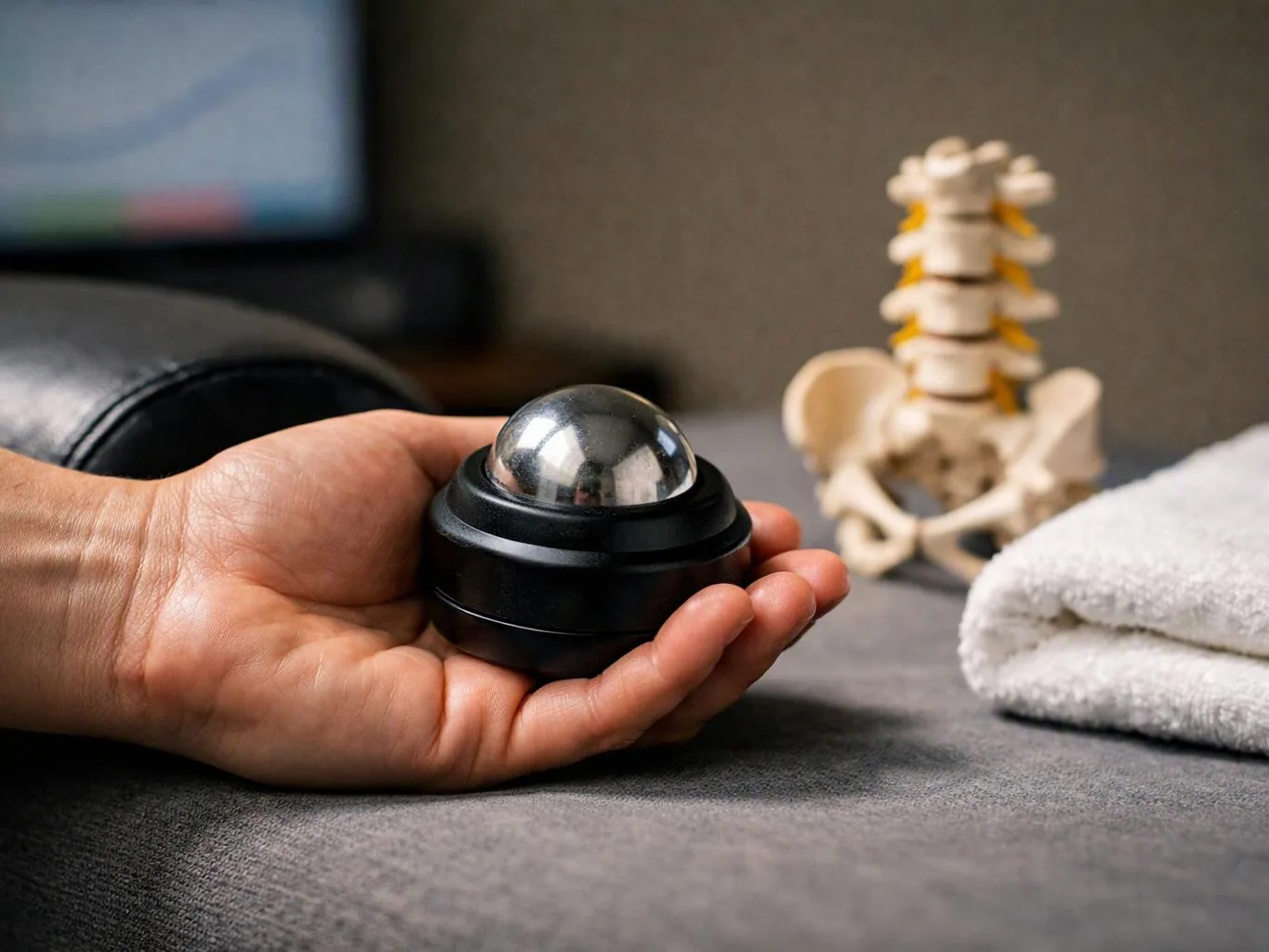
What conditions may benefit from spinal decompression therapy?
Neck pain, back pain, sciatica symptoms, and some degenerative changes may benefit from spinal decompression therapy. A health history and exam determine whether the treatment fits. The plan may also include adjustments, corrective care, or therapeutic exercises. Individual response differs, so the clinic reviews progress as care continues.
How does a treatment visit move from the first call to the last step?
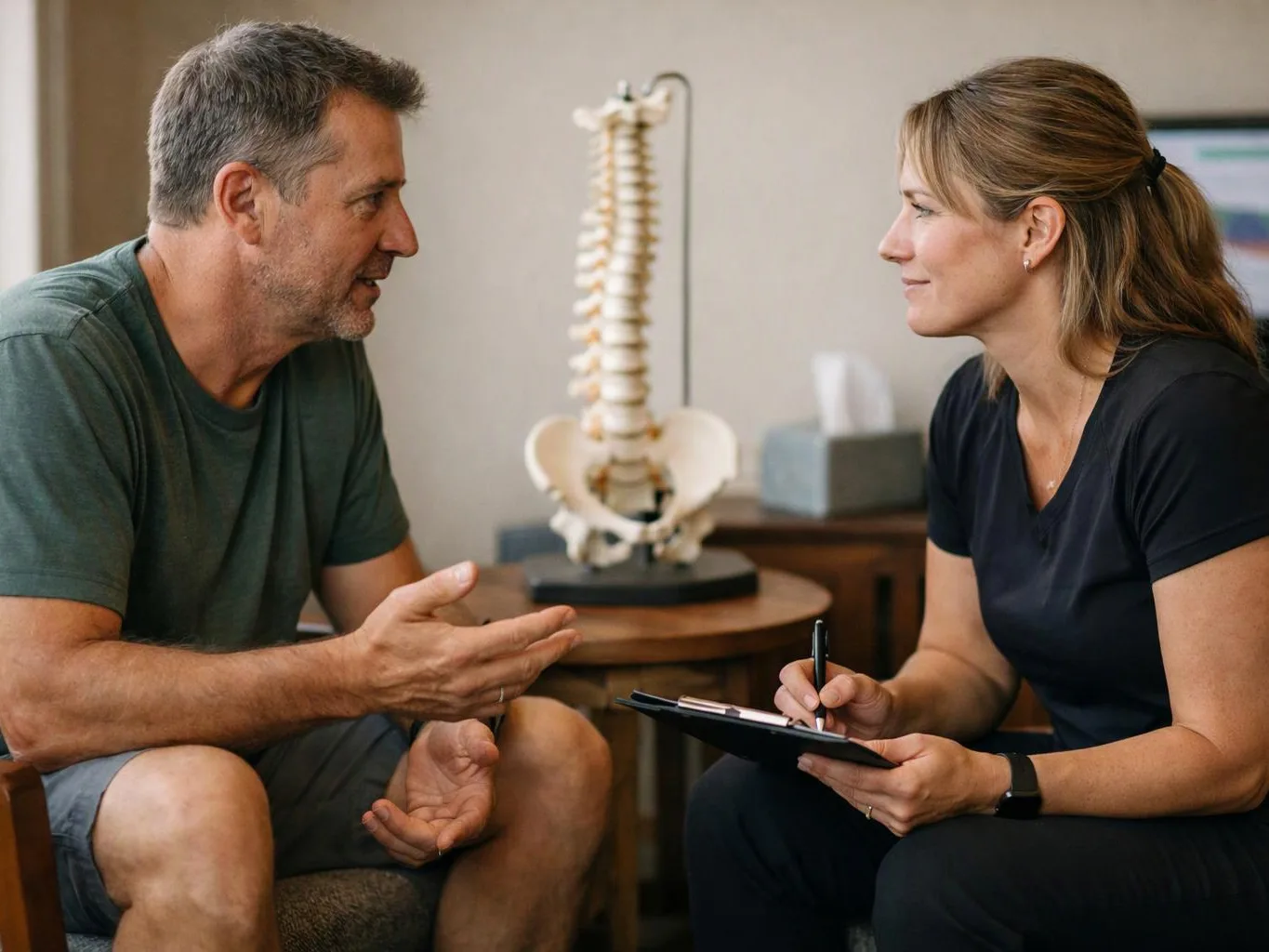
The care process moves from intake and examination to findings, treatment selection, and progress review. We record your history, assess movement, explain the plan, and use the spinal decompression table when appropriate. Follow-up checks help us discuss your response and decide whether the plan needs adjustment.
Which material changes how long spinal decompression therapy takes?
No material changes the treatment time because spinal decompression uses a clinical table and controlled traction, not building materials. Your symptoms, exam findings, treatment plan, and added services shape the visit. The clinic explains the expected process after assessment instead of assigning a fixed duration before reviewing your condition.
How can I tell whether spinal decompression therapy fits my condition?
Your health history and chiropractic exam determine whether spinal decompression fits your condition. The assessment reviews symptom patterns, movement, prior injuries, and functional limits. Patients in Shackle Island can discuss whether decompression or another service, such as corrective exercise, better matches their goals.
What happens if my symptoms need care beyond decompression?
Symptoms that need another type of care are addressed through a different treatment plan or medical referral. Serious warning signs require prompt medical evaluation. Our team reviews your history and exam findings, then explains whether adjustments, rehabilitation, therapeutic exercise, or outside medical care is appropriate.
Do I need X-rays before starting treatment?
X-rays aren't required for every patient because the clinical exam guides the first treatment decision. We consider imaging when the history or exam makes it clinically indicated. Bring relevant medical records if you have them, and share past injuries or diagnoses during the new patient intake.
Can this care support recovery after an auto accident?
Spinal decompression therapy may support a broader injury care plan after an auto accident. The clinic first reviews the accident history, symptoms, and movement limits. Care may include adjustments, rehabilitation, and therapeutic exercises when those services match the findings. Individual response differs.