Skip to content

Spinal Decompression Therapy in La Vergne, Tennessee

How much load can the treatment table support during care in La Vergne? We assess your condition first, then plan spinal decompression therapy around your needs.

5 · 857 ReviewsUpfront, Transparent PricingServing 23 CommunitiesSat: 9 AM–2 PM, Sun: Closed, Mon-Fri: 9 AM–7 PM

Quick Summary: Spinal Decompression Care in La Vergne, Tennessee

Spinal decompression therapy in La Vergne is provided by Advanced Injury Care Clinic for patients with back pain, neck pain, sciatica, and injury-related discomfort. Care begins with an evaluation and may fit within a personalized chiropractic treatment plan.

  • What we do: Advanced Injury Care Clinic provides spinal decompression therapy for patients in La Vergne, Tennessee.
  • What is included: Health history review, physical examination, spinal alignment assessment, traction planning, and care-plan development.
  • What you get: The treatment plan identifies whether controlled spinal traction fits the patient’s condition and recovery goals.

Why does back pain keep returning after an injury?

Back pain can return when an injury affects movement, joint motion, or soft tissue. Spinal decompression therapy may fit some patients, but an exam should guide that choice. A health history, physical assessment, and review of symptoms help identify whether traction-based care belongs in the treatment plan or whether another approach is more suitable.
Our Track Record

Average Rating
5
Customer Reviews
857

Tailored Solutions for La Vergne

Spinal decompression therapy focuses on how the spine responds to controlled traction. It may suit people with back pain, neck pain, sciatica, or discomfort after an auto accident, workplace injury, or sports injury.

The key decision is fit. Our team checks your symptoms, health history, movement, and injury details before discussing treatment. Spinal decompression therapy isn't the right choice for every condition, so the assessment matters more than the treatment name alone.

Patients who are comparing care options often want to know how traction differs from an adjustment or corrective exercise. We explain the role of each approach, then build a personalized treatment plan around the findings.

  • Review the health history and injury details before treatment.
  • Check spinal movement, pain patterns, and related symptoms.
  • Discuss whether controlled traction fits the patient’s condition.
  • Explain how decompression may work with adjustments or corrective exercises.
  • Set clear next steps after the examination.
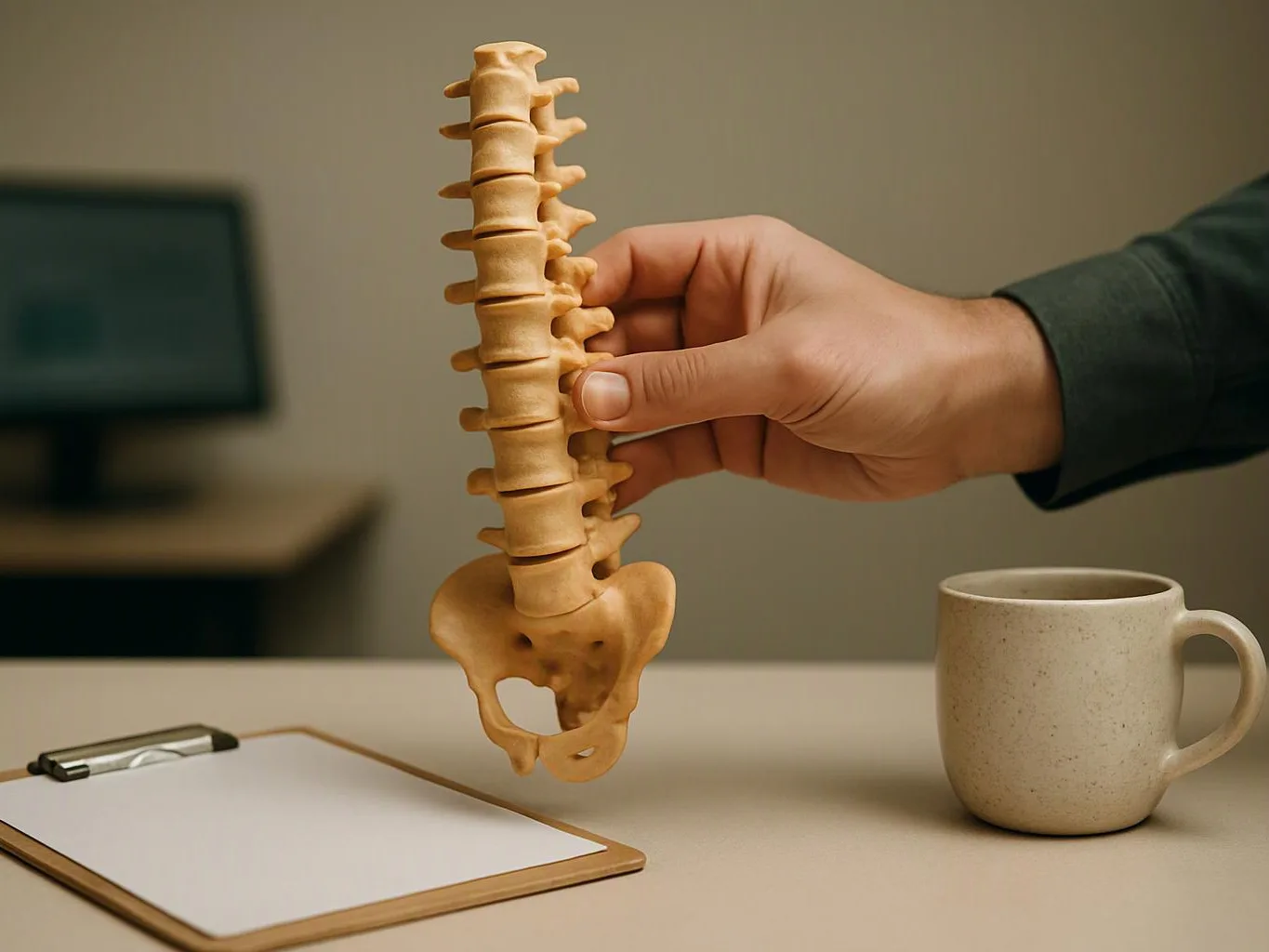
A clipboard with blank paper and pen sits beside a foot bone model and folded towel on a wooden table

Service Overview

Spinal decompression therapy is a chiropractic treatment that uses controlled traction to reduce stress through selected areas of the spine.

  • Unlike a spinal adjustment, it uses a gradual pulling force and does not rely on a quick joint movement.
  • Advanced Injury Care Clinic provides this care for patients in La Vergne as part of broader chiropractic treatment when the assessment supports it.

What Spinal Decompression Care Includes

Advanced Injury Care Clinic provides comprehensive Spinal Decompression Therapy in La Vergne. Here's what you get:

  • A new patient intake records symptoms, health history, and injury details.
  • A physical examination checks movement, tenderness, and related pain patterns.
  • The care plan addresses traction force and the areas being treated.
  • The team explains how spinal decompression differs from spinal adjustments.
  • Corrective exercises or therapeutic modalities may support the broader treatment plan.
  • A progress re-examination helps the team review how care is working.
Process

How We Provide Spinal Decompression Care

1

Review Your Health History

The new patient intake records symptoms, past injuries, health concerns, and the goals that matter in daily life.

2

Examine Movement And Symptoms

Our team checks movement, tenderness, pain patterns, and related concerns such as sciatica, headaches, or soft-tissue discomfort.

3

Discuss Traction Fit

We explain how traction force, spinal alignment, and disc pressure relate to the proposed care plan.

4

Begin The Agreed Treatment

If the assessment supports decompression, we provide the planned care and monitor comfort during the visit.

5

Review Progress

A progress re-examination helps us review symptoms, movement, and whether the treatment plan still fits.

A client scenario this service addresses

A person in La Vergne with back pain after a collision may want traction right away. We first review the injury history, examine movement, and check related symptoms. If the findings support decompression, we explain the treatment plan and how it may fit with adjustments, exercises, or rehabilitation.

How We Approach Spinal Decompression Decisions

Start with a suitability check

A treatment decision begins with the patient’s symptoms, health history, and physical findings. We don't schedule traction as a stand-alone answer before checking whether it fits.

Match traction to the condition

Traction force should match the patient’s needs and comfort during care. Our team explains the plan in plain language and adjusts the broader treatment plan when the findings call for it.

Know when another service fits

Spinal decompression may be the wrong choice when the examination points to another type of care or a need for medical evaluation. We discuss that concern before treatment begins.

What Patients Seek From Spinal Decompression Care

Controlled traction may help some patients move more comfortably.

The approach gives patients a focused way to address spinal loading and movement.

A personalized plan connects decompression care with exercises or other chiropractic treatment.

Patients receive a clearer explanation of which treatment fits their symptoms.

Care after an injury can stay focused on function, comfort, and safe progress.

How Traction Care Differs From Other Chiropractic Methods

This table compares the main treatment features patients discuss during a chiropractic evaluation.

Treatment approachMain actionHow fit is decided
Spinal decompression therapyUses controlled traction through selected areas of the spine.Health history, movement findings, symptoms, and treatment goals.
Spinal adjustmentUses a directed joint movement during chiropractic care.Joint motion, examination findings, symptoms, and treatment goals.
Corrective exerciseUses planned movements to support strength, control, and daily function.Movement limits, current ability, injury history, and recovery goals.

The Advanced Injury Care Clinic Standard

  • Attentive Communication
  • Clear Visit Information
  • Patient-Focused Options
  • Accessible Patient Resources

Customer Reviews for Spinal Decompression Therapy in La Vergne

5(857 Customer Reviews)View our Google Business Profile
Isabel Ramirez
Isabel Ramirez
a year ago
Verified on Google
It’s been a short time since I have been in therapy with this place , however I felled so much better, I personally thank the hospitality and professional manner they are dealing with my body problems. Thank you very much
Naukia Watson
Naukia Watson
2 years ago
Verified on Google
I love Dr. Robert's and the entire staff. Everyone treated me like family. They are kind, caring, respectful, and professional. The therapy has been beneficial to healing.
E Harrigan
E Harrigan
a year ago
Verified on Google
The service is awesome. This is just my 3rd visit and I'm already beginning to feel a lot better. I love the message chair and the electric stimulation. Also doctor Robert's is awesome. She finds many ways to get my back realigned.

Questions About Spinal Decompression Care

How does spinal decompression therapy work?

The treatment table applies controlled traction while our team monitors your symptoms and positioning. The examination guides the plan before care begins. We consider spinal alignment, traction force, and disc pressure, then explain how decompression may fit with adjustments, corrective exercises, or rehabilitation. Individual response differs, so the plan is reviewed as care continues.

What does the treatment table need to support during care?

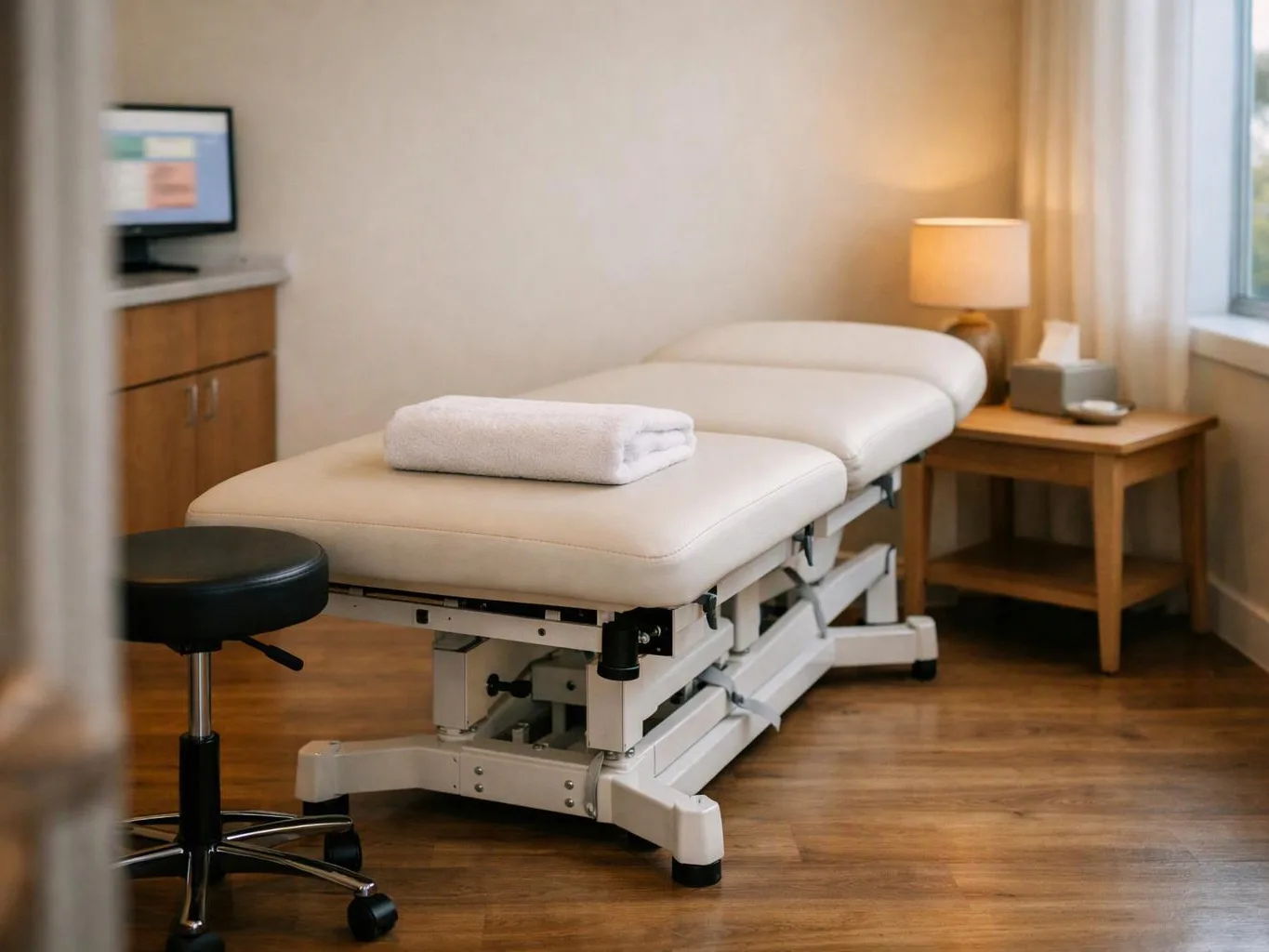
The treatment table needs to support safe positioning and controlled traction during the planned care. Our team checks your comfort, symptoms, and movement before treatment starts. We discuss the amount and direction of traction as part of the care plan. The table is one part of the process, not a substitute for the health history and physical exam.

Which symptoms should be checked before decompression is scheduled?

Symptoms such as leg pain, numbness, weakness, severe neck pain, or changes after an injury should be checked before scheduling traction. The health history and exam help us understand the pattern and decide whether decompression fits. We may discuss adjustments, exercises, rehabilitation, or another form of care when those findings point elsewhere.

Who is a good fit for spinal decompression therapy?

People with selected back or neck concerns may fit spinal decompression therapy after an examination. The plan can address symptoms linked to sciatica, injury-related pain, or restricted movement. Our team also considers who needs a different service or medical evaluation. A treatment name alone can't decide suitability, so the assessment comes first.

When should someone ask about decompression after an auto accident?

Someone should ask about decompression after an auto accident when back or neck symptoms affect movement or daily tasks. The first visit should document the injury history and current symptoms. We then examine movement and discuss suitable care. Patients in La Vergne can ask whether decompression belongs in a broader injury recovery plan with adjustments or exercises.

Why might traction feel different from a spinal adjustment?

Traction uses a gradual pulling force, while a spinal adjustment uses a directed joint movement. The two approaches serve different roles within chiropractic care. Our team explains which method fits the examination and the patient’s goals. Comfort, symptoms, and movement findings guide the plan, and individual response can differ.

What changes the price of this treatment plan?

The evaluation, planned services, and related treatment needs change the price of care. A plan that includes decompression with exercises or other chiropractic services may differ from an evaluation alone. We discuss the recommended care and pricing information before treatment proceeds. Patients can request an assessment so the scope of care is clear.
Contact

Ask About Spinal Decompression Therapy in La Vergne

Are back or neck symptoms affecting your daily movement? Advanced Injury Care Clinic can schedule an evaluation to discuss spinal decompression therapy and your treatment options.

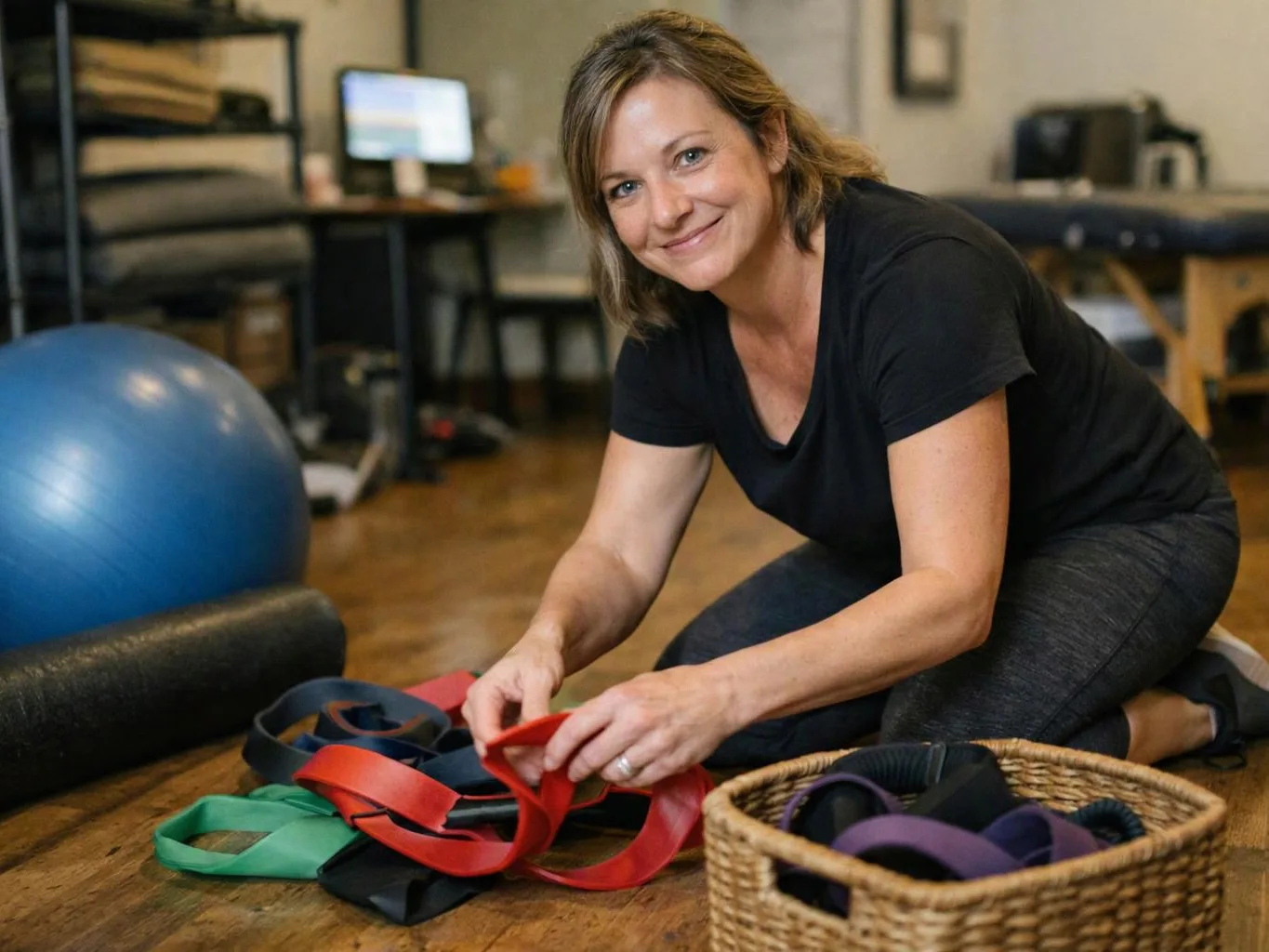
A smiling woman kneels on a wooden floor, sorting colorful exercise bands beside a basket and a blue stability ball

ZIP Codes We Serve in La Vergne, Tennessee

3708637089

Spinal Decompression Therapy in Other Areas

The health and wellness information on this website is for general informational purposes only and is not medical advice. It does not create a provider-patient relationship. Always consult a qualified licensed provider in Hendersonville, Tennessee, United States about your specific condition before making care decisions. Individual results vary.

(615) 265-0412