
What Is Pelvic Floor Dysfunction?
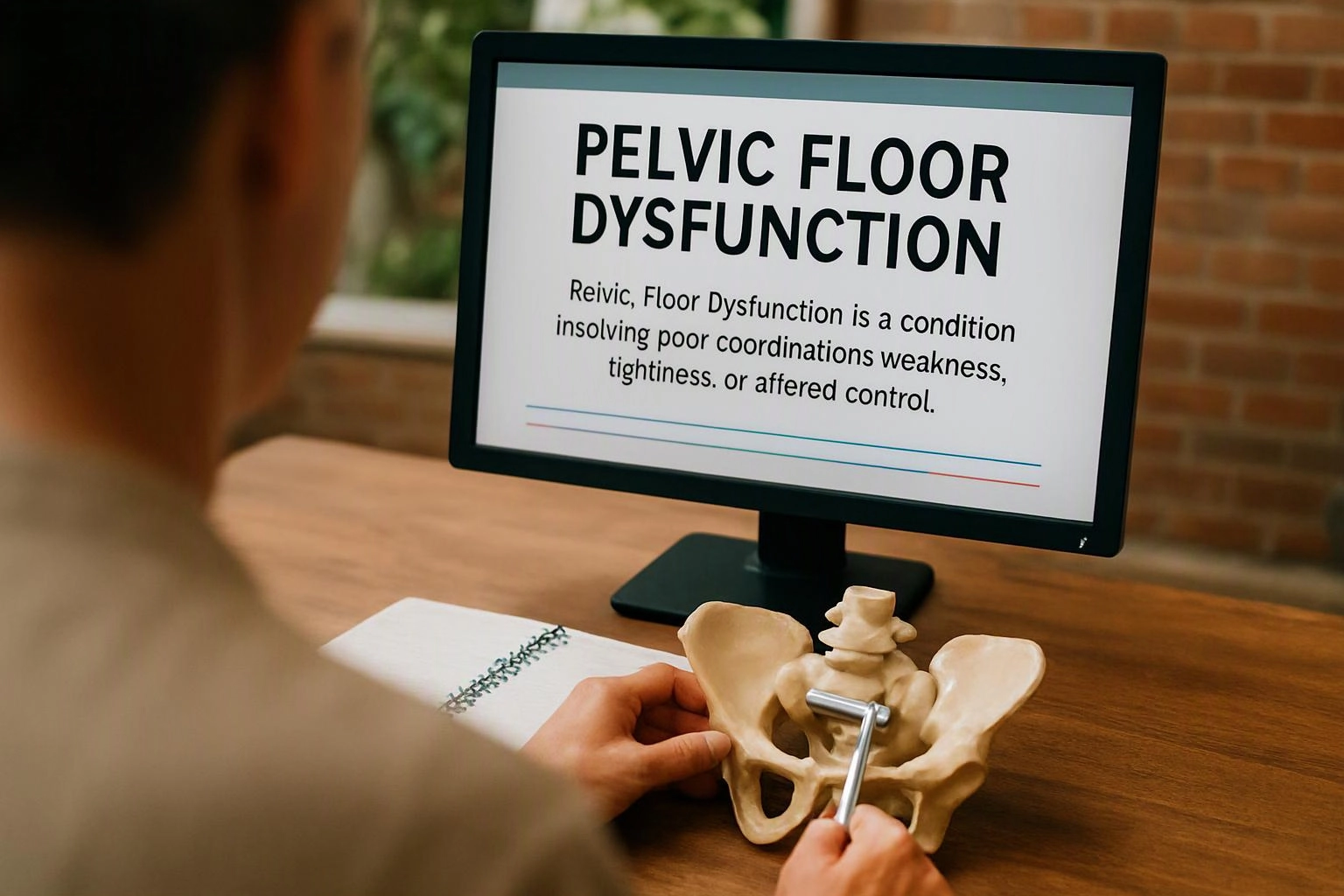
Pelvic Floor Dysfunction is a condition involving poor coordination, weakness, tightness, or altered control in the muscles that support the bladder, bowel, and reproductive organs. Symptoms may include pelvic pressure, discomfort, leakage, constipation, or pain during movement. Pregnancy, childbirth, injury, and changes in posture can affect pelvic floor function.
Quick Facts About Pelvic Floor Dysfunction
Category
Musculoskeletal and pelvic health condition
Used for
Describing altered pelvic muscle function
Common confusion
Not every pelvic floor problem involves weakness
Also called
Pelvic floor disorder, Pelvic floor muscle dysfunction
Often discussed with
Prenatal Chiropractic Care
Key Takeaways About Pelvic Floor Dysfunction
- Muscles may be weak, overactive, or poorly coordinated.
- Symptoms can affect bladder, bowel, movement, and comfort.
- Pelvic floor dysfunction is not limited to muscle weakness.
How Pelvic Floor Dysfunction Works
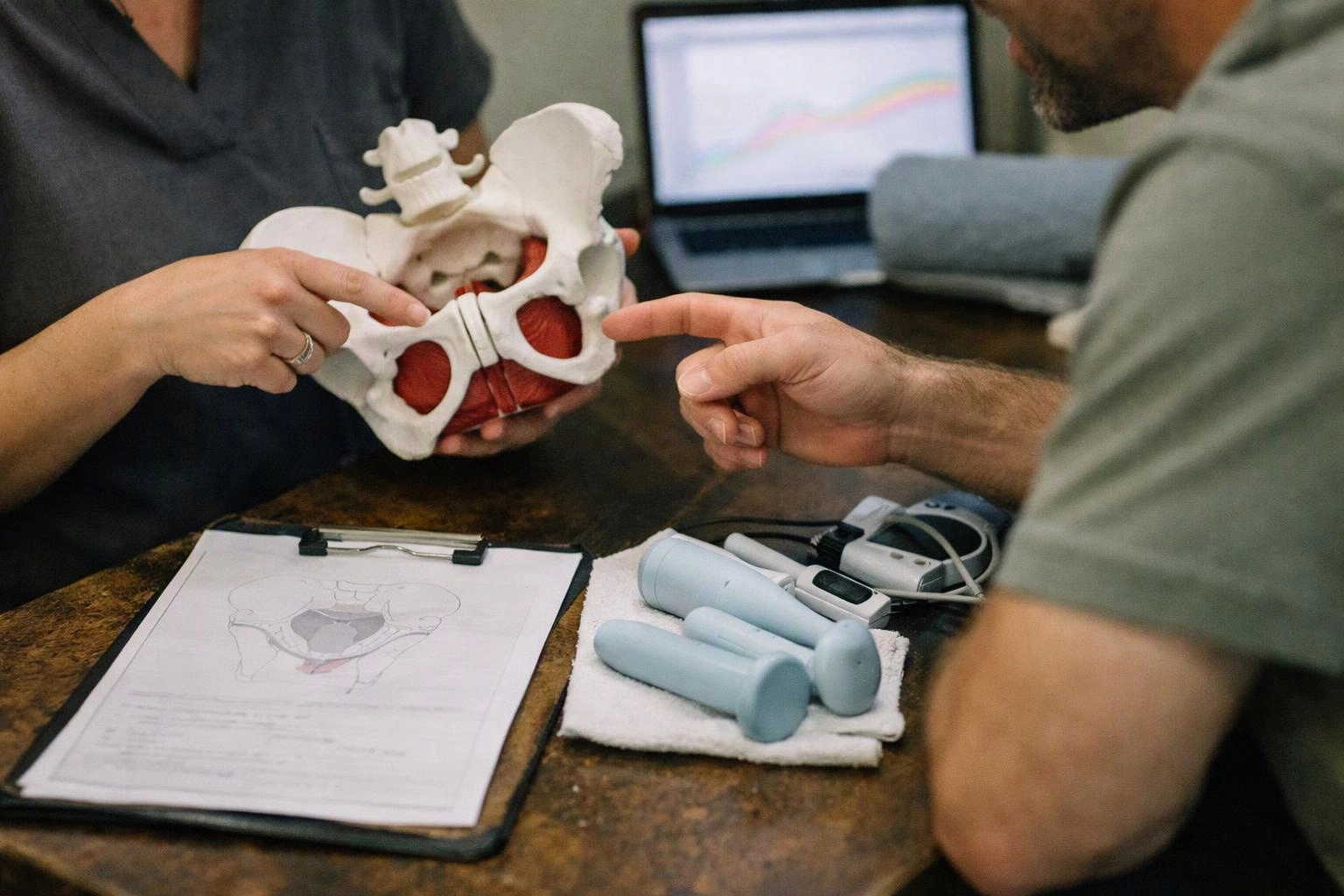
Pelvic Floor Dysfunction affects how the pelvic floor muscles contract, relax, and coordinate with nearby muscles during movement and pressure changes. These muscles support pelvic organs and help control bladder and bowel function. A problem may involve reduced strength, excess tension, delayed relaxation, or poor timing.
Related glossary terms: Pelvic Tilt, Sacroiliac Joint, Lumbar Spine.
Assessment considers symptoms, posture, breathing patterns, movement, and muscle control. A person may notice pressure, discomfort, leakage, constipation, or pain during activities that increase abdominal pressure. Pregnancy can change load distribution and movement patterns, so prenatal care may address pelvic alignment, comfort, and coordination without treating pelvic floor symptoms as a single muscle problem.
From the Advanced Injury Care Clinic team
When we discuss pelvic floor dysfunction during prenatal chiropractic care, we consider movement, posture, breathing, and reported symptoms together. We use that information to guide gentle, pregnancy-appropriate care and to recognize when another health professional should assess pelvic floor symptoms directly.
Pelvic Floor Dysfunction in Practice: A Real-World Example
A pregnant person may feel pelvic pressure or discomfort while walking, turning in bed, or rising from a chair. Our team may consider how posture, spinal motion, and pelvic movement contribute to that experience during prenatal chiropractic care.
Related Services
Related Terms
Pelvic Tilt
Pelvic Tilt is a change in the position of the pelvis that alters its angle relative…
Sacroiliac Joint
Sacroiliac Joint is the connection between the sacrum at the base of the spine and the…
Lumbar Spine
Lumbar Spine is the lower section of the spinal column between the thoracic spine and sacrum…
Range Of Motion
Range Of Motion is the available movement at a joint or group of joints, measured through…
Advanced Injury Care Clinic
Have Questions About Pelvic Floor Dysfunction?
Contact Advanced Injury Care Clinic for practical guidance on Pelvic Floor Dysfunction and related chiropractor work in Hendersonville.