Understanding Graston Technique

Graston Technique is a specialized form of soft tissue therapy that uses smooth, stainless-steel tools to scan and treat areas of the body where muscles, tendons. Or ligaments have become tight or damaged. Unlike traditional massage, which relies on hands, Graston Technique tools allow practitioners to detect and address deeper layers of tissue that may be contributing to pain, stiffness. Or limited movement. The technique was developed in the 1990s and is now widely used in chiropractic care, physical therapy. And sports medicine to help patients recover from injuries, surgeries. Or repetitive strain.
Related glossary terms: Myofascial Release, Soft Tissue Therapy, Chiropractic Care.
The tools used in Graston Technique are shaped to fit different parts of the body, such as the back, shoulders, arms. Or legs. When the tool is moved over the skin, it can help identify areas where scar tissue or fascial restrictions have formed. Scar tissue often develops after an injury, surgery. Or prolonged overuse. And it can limit flexibility, cause pain. And slow down healing. By breaking up these restrictions, Graston Technique aims to restore normal tissue function and reduce discomfort.
How Graston Technique Works?
During a Graston Technique session, the practitioner first applies a lubricant, such as lotion or oil, to the skin to reduce friction. They then use the stainless-steel tools to gently scrape or rub the affected area in specific directions. The tools are designed to catch on tight or fibrotic tissue, which helps the practitioner locate problem areas more precisely than they could with their hands alone. The pressure applied is adjusted based on the patient’s tolerance and the severity of the tissue restriction.
The scraping motion creates a controlled microtrauma in the tissue, which stimulates the body’s natural healing response. This process increases blood flow to the area, promotes the breakdown of scar tissue. And encourages the production of new, healthy tissue. Patients often feel mild discomfort during the treatment, similar to the sensation of deep tissue massage. But the technique is generally well-tolerated. After the session, patients may experience temporary redness, bruising. Or soreness, which typically resolves within a day or two.
Graston Technique is rarely used in isolation. Most practitioners combine it with other therapies, such as stretching, strengthening exercises. Or ice/heat applications, to get the most from results. For example, a patient recovering from a hamstring strain might receive Graston Technique to break up scar tissue, followed by gentle stretching to improve flexibility and prevent re-injury. The number of sessions required depends on the condition being treated. But many patients see improvements within 4 to 8 visits.
Why Graston Technique Matters?
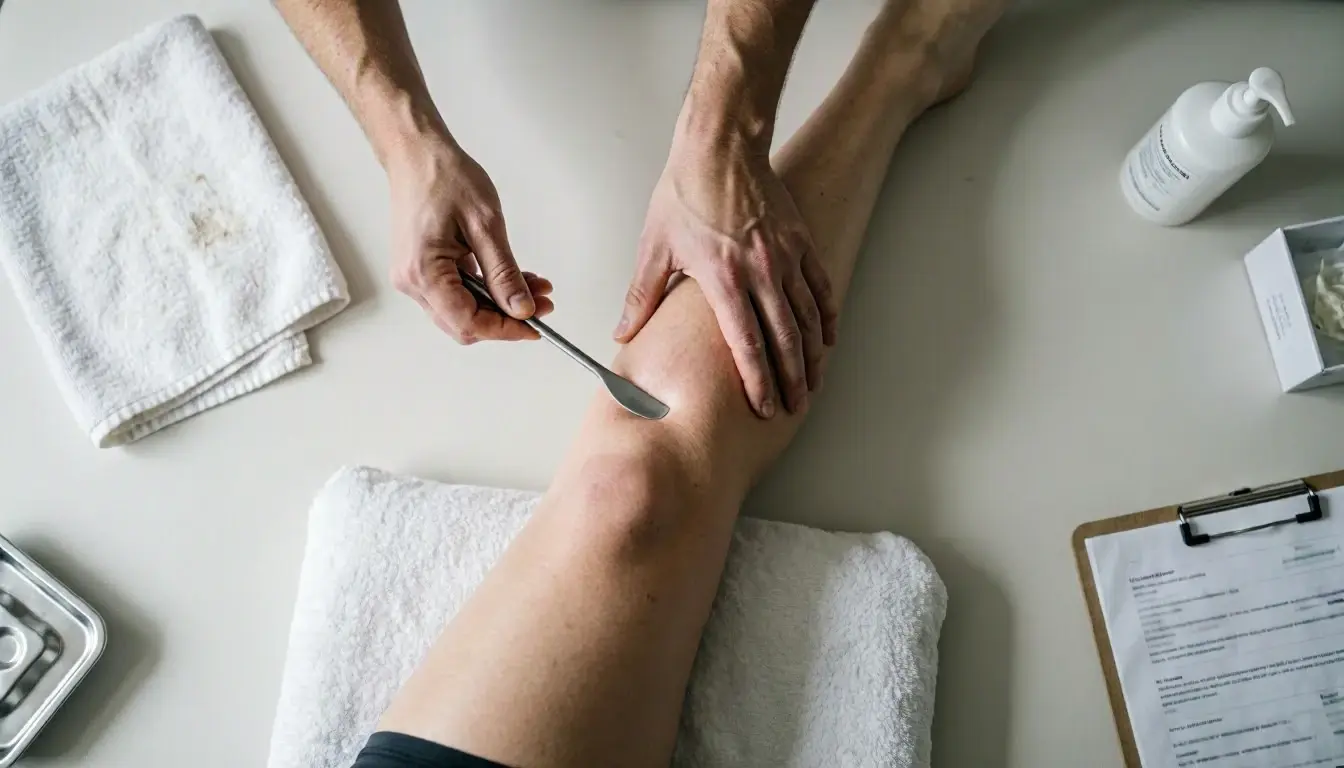
Graston Technique matters because it offers a non-invasive way to address soft tissue problems that can limit mobility and cause chronic pain. Many people develop scar tissue or fascial restrictions after injuries, surgeries. Or repetitive activities, such as typing, running. Or lifting. These restrictions can lead to stiffness, weakness. And discomfort that doesn’t resolve with rest or traditional treatments alone. Graston Technique provides a targeted approach to breaking up these restrictions, allowing patients to regain function and return to their daily activities or sports more quickly.
Another key benefit of Graston Technique is its ability to complement other forms of therapy. For instance, patients undergoing chiropractic adjustments for back pain may find that Graston Technique helps address muscle tightness or tendon issues that contribute to their discomfort. Similarly, athletes recovering from injuries often use Graston Technique alongside physical therapy to speed up healing and reduce the risk of re-injury. By addressing both the structural and soft tissue components of an injury, patients can achieve more full and lasting relief.
When Graston Technique Matters Most?
Graston Technique is particularly valuable in situations where soft tissue restrictions are contributing to pain, limited movement. Or delayed healing. Common conditions treated with Graston Technique include tendonitis (such as tennis elbow or Achilles tendonitis), muscle strains (like hamstring or calf strains), plantar fasciitis, carpal tunnel syndrome. And post-surgical scar tissue. It's also frequently used for chronic conditions, such as lower back pain, neck pain. Or shoulder impingement, where scar tissue or fascial restrictions have built up over time.
Graston Technique may not be suitable for everyone. Patients with certain medical conditions, such as open wounds, infections, blood clotting disorders. Or severe osteoporosis, should avoid this treatment. And individuals with sensitive skin or a low pain tolerance may find the technique uncomfortable. A qualified practitioner will conduct a thorough evaluation before recommending Graston Technique to ensure it is safe and appropriate for the patient’s specific needs.
In Hendersonville, TN, Graston Technique is often used by chiropractors and physical therapists to help patients recovering from car accidents, sports injuries. Or work-related strains. The technique is especially useful for individuals who have tried other therapies, such as massage or stretching, without success. By addressing deeper tissue layers, Graston Technique can provide relief for stubborn conditions that have not responded to conventional treatments.