Understanding Myofascial Release

Myofascial Release is a specialized form of manual therapy designed to treat tightness and pain in the body’s fascia. Fascia is a continuous web of connective tissue that surrounds every muscle, bone, nerve. And organ. When fascia becomes stiff or restricted—often due to injury, overuse, poor posture. Or stress—it can pull on nearby structures, leading to discomfort, reduced flexibility. And even pain in areas far from the original problem. For example, tight fascia in the lower back might contribute to hip or leg pain.
Unlike traditional massage, which focuses primarily on muscle tissue, Myofascial Release works directly on the fascia itself. The technique involves applying gentle, sustained pressure to areas of tension. This pressure helps the fascia relax, lengthen. And regain its natural elasticity. The process is typically slow and patient, allowing time for the tissue to respond and release built-up tension. It's not unusual to feel warmth, tingling. Or a sense of softening during or after a session.
How Myofascial Release Works?
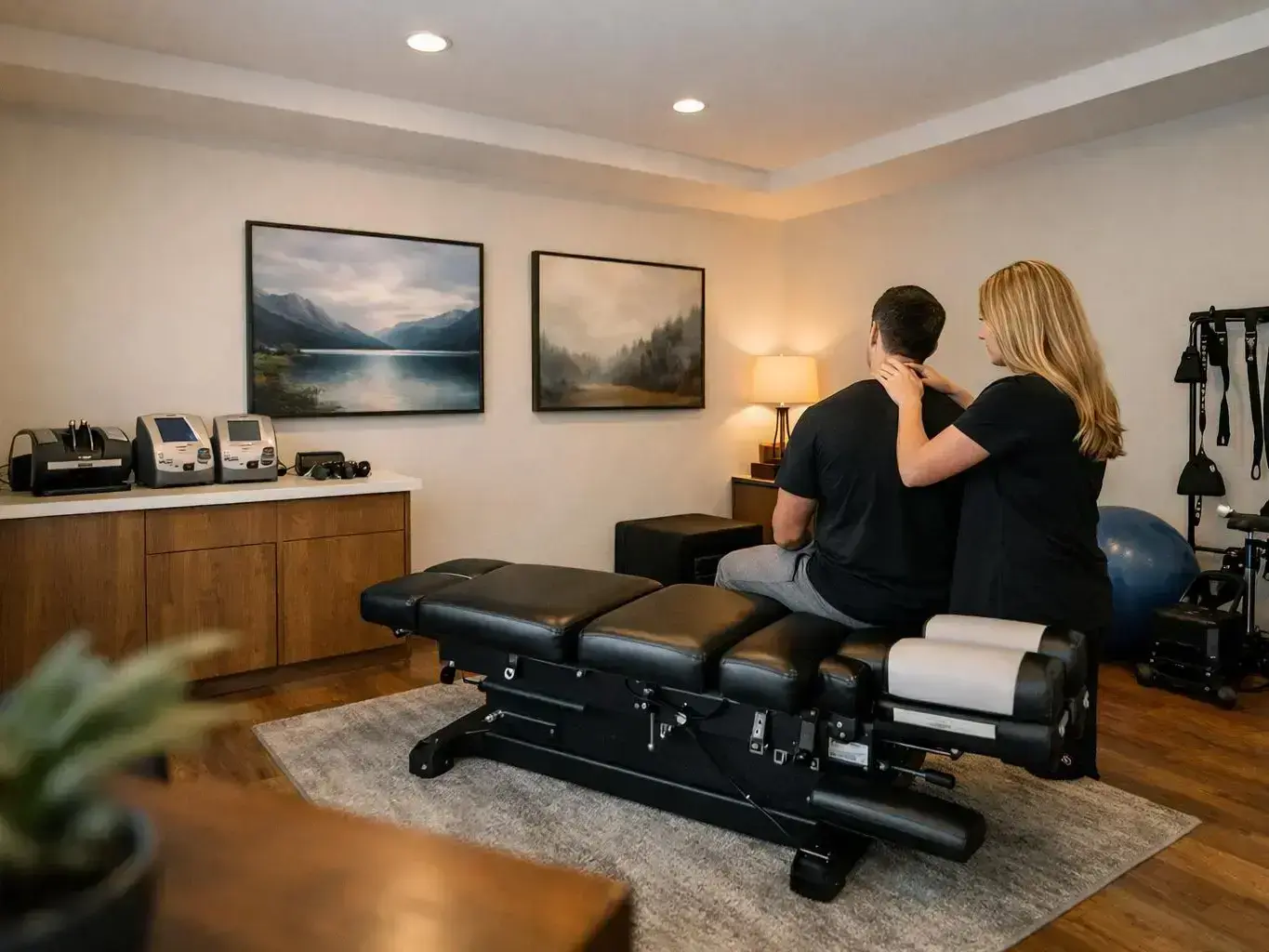
Myofascial Release works by targeting trigger points—specific areas of tightness within the fascial network. A trained therapist uses their hands, fingers. Or sometimes small tools to apply steady pressure to these points. The pressure is held for several minutes, allowing the fascia to gradually release its grip. This release can improve blood flow, reduce nerve irritation. And restore normal movement patterns in the affected area.
A common issue is The therapy is often used to treat chronic pain conditions such as back pain, neck pain, headaches. And repetitive strain injuries. It can also help people recovering from surgery, car accidents. Or sports injuries by reducing scar tissue and improving tissue mobility. Because fascia connects the entire body, releasing tension in one area can sometimes relieve symptoms in distant parts of the body, a phenomenon known as referred pain.
Sessions typically last 30 to 60 minutes. The therapist may ask about pain levels, movement limitations. And daily activities to tailor the treatment. Patients are often encouraged to drink water after the session to help flush out metabolic waste released from the tissues. While some people feel immediate relief, most require multiple sessions to achieve lasting results, especially for long-standing issues.
Why Myofascial Release Matters?
Myofascial Release matters because it addresses a root cause of pain and dysfunction that many other therapies overlook. Fascia plays a crucial role in supporting posture, movement. And overall body mechanics. When fascia is healthy, it allows muscles to glide smoothly over each other and helps distribute force evenly during physical activity. But when fascia becomes tight or restricted, it can create imbalances, leading to pain, stiffness. And increased risk of injury.
For people with chronic pain, Myofascial Release offers a non-invasive, drug-free way to find relief. It can reduce the need for pain medications and may help avoid more invasive treatments like injections or surgery. The therapy is also valuable for athletes and active individuals, as it can improve performance, speed up recovery. And reduce the risk of overuse injuries. By restoring normal fascial mobility, the body can move more efficiently and with less discomfort.
When Myofascial Release Matters Most?
Myofascial Release is most helpful in situations where pain or stiffness persists despite rest, stretching. Or other treatments. It is especially useful for people dealing with chronic conditions like fibromyalgia, plantar fasciitis. Or carpal tunnel syndrome. The therapy is also commonly used after injuries, such as sprains, strains. Or whiplash - to help the body heal properly and prevent long-term stiffness.
People who spend long hours sitting at a desk, driving. Or using a phone may develop fascial restrictions in the neck, shoulders. And lower back. Myofascial Release can help counteract these effects by releasing tension and improving posture. And it is often recommended for individuals recovering from surgery, as scar tissue can form within the fascia and limit movement. By addressing fascial tightness early, patients can regain mobility faster and reduce the risk of complications.
In Hendersonville, TN, where many residents lead active lifestyles - whether through sports, outdoor activities. Or physically demanding jobs, Myofascial Release can play a key role in maintaining musculoskeletal health. Local chiropractors and physical therapists often include it as part of a full care plan to help patients stay pain-free and mobile.