How can corrective exercises improve posture?
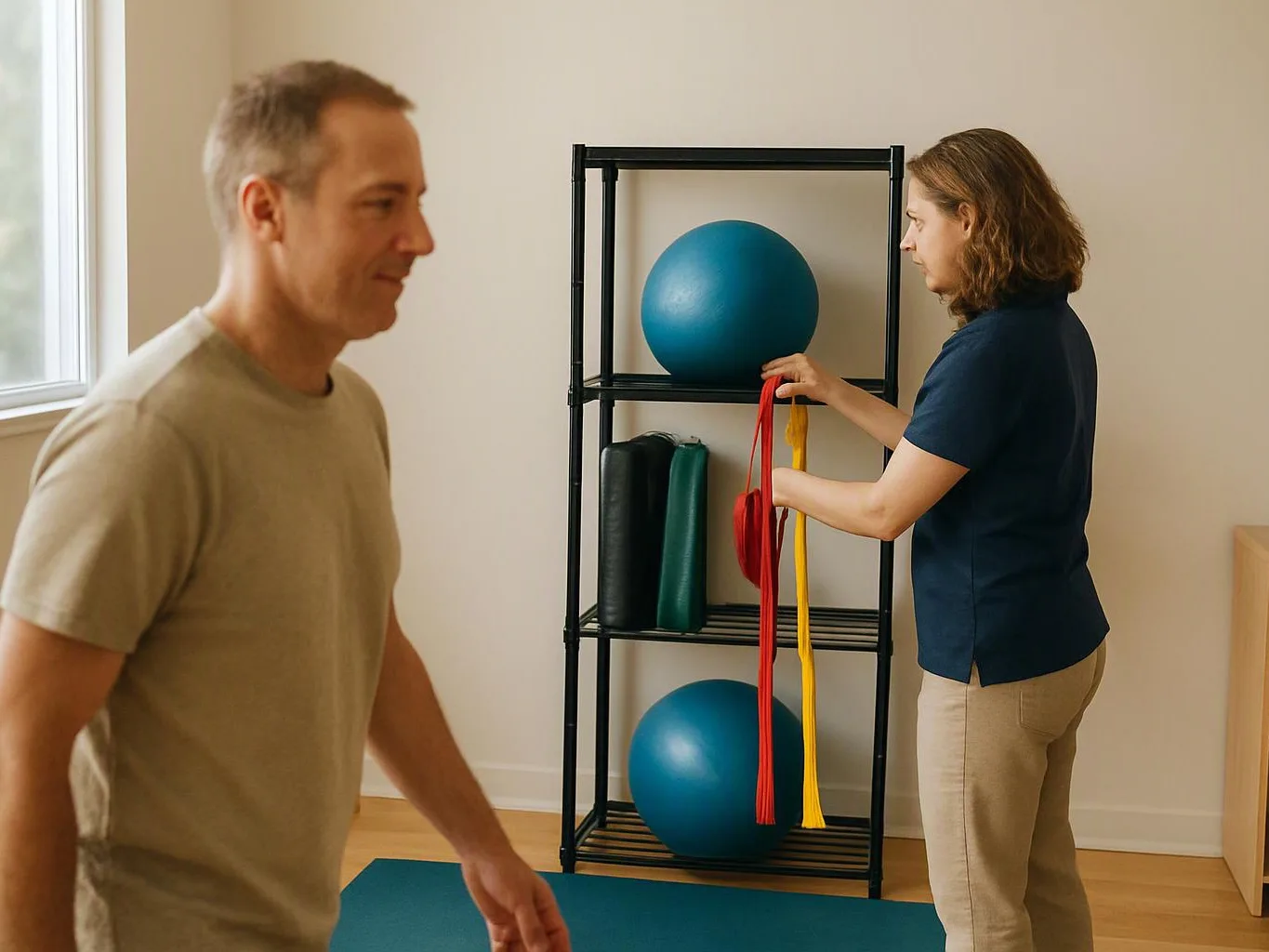
Advanced Injury Care Clinic uses corrective exercises to build core strength, improve muscle balance, and support postural alignment. Better posture requires more than holding your shoulders back. Guided movement helps you notice body position and control while sitting, standing, and moving. Results vary, so we review your response and adjust the plan when needed.
What should be ready before corrective exercise therapy starts?
Your health history, symptom details, injury information, and treatment goals help us plan safely. Bring relevant medical records when available, and describe movements that increase discomfort. We use that information with the exam to choose suitable exercises and explain the next step.
Which condition changes the time needed for posture work?
The condition being treated changes the time needed for posture work. Auto accident injuries, sports injuries, back pain, neck pain, and joint discomfort can affect movement in different ways. We consider symptom severity, function, and response to exercise before adjusting the treatment plan.
When should someone seek an assessment for poor posture?
An assessment makes sense when poor posture links with ongoing pain, reduced movement, headaches, or changes after an injury. Early review helps identify whether exercise, chiropractic care, or another clinical step fits the concern. We assess the full pattern before recommending treatment.
Why does posture worsen during everyday tasks?
Posture can worsen when muscles tire, joints move poorly, or body awareness drops during repeated tasks. Sitting, standing, lifting, and sports can each reveal different movement habits. Our team checks those habits and teaches exercises that match the activities you need to manage.
How is corrective exercise therapy matched to the patient before work starts?
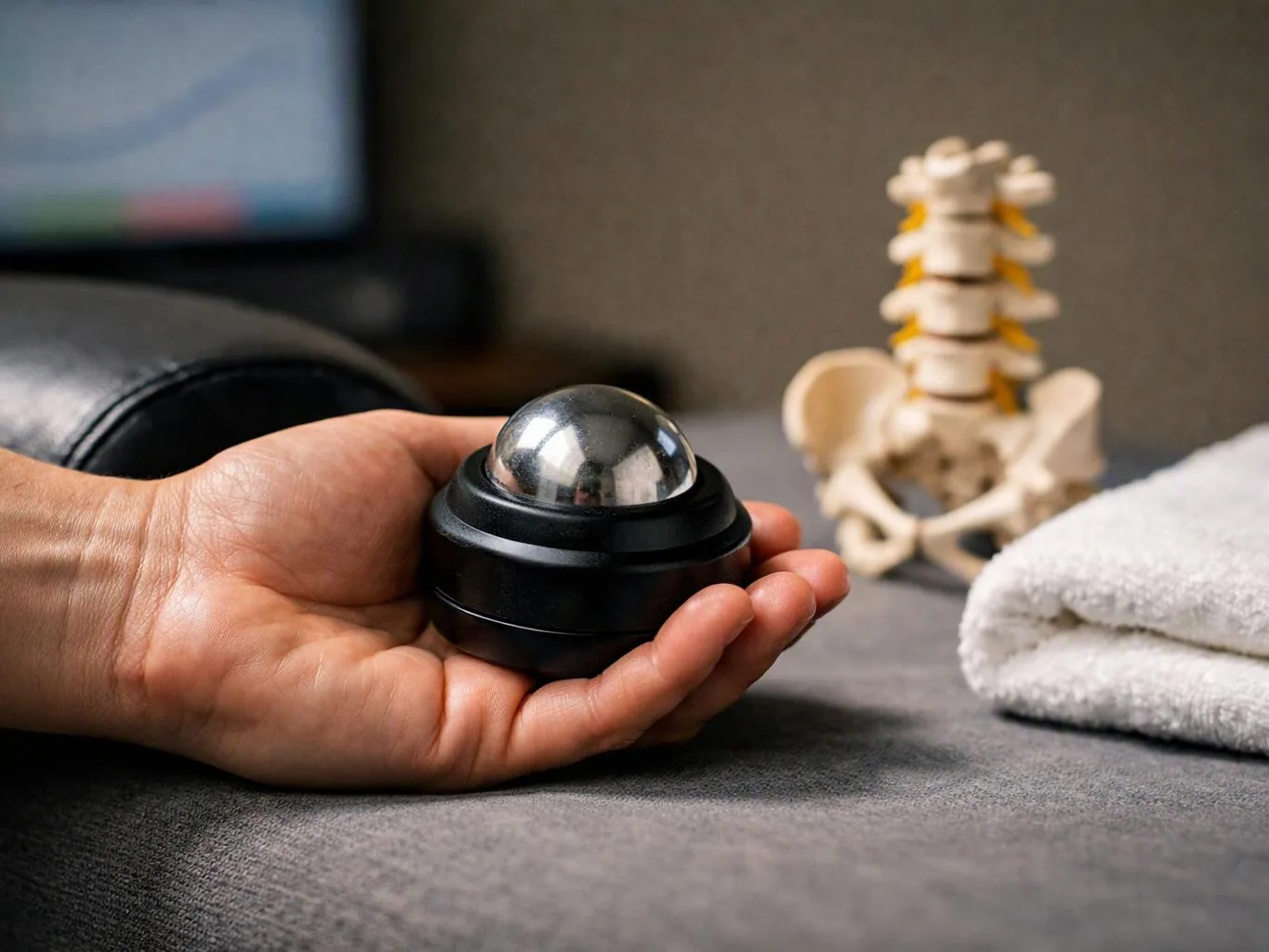
Corrective exercise therapy is matched through a health history, movement exam, symptom review, and treatment goals. The plan reflects current function instead of a standard routine. We may combine therapeutic exercises with spinal adjustments or soft tissue therapy when those services fit the findings.
What is the difference between an adjustment and corrective exercise therapy?
A spinal adjustment addresses joint movement, while corrective exercise therapy trains movement control and muscle use. Both may support injury care, but they address different parts of the plan. We explain which service fits your findings and whether combining them makes sense.