Skip to content

Corrective Exercise Therapy in Gallatin, Tennessee

An exercise plan follows an individualized evaluation in Gallatin. We match movement work to your symptoms, goals, and current function.

Licensed & InsuredWarranty AvailableUpfront, Transparent PricingServing 21 Communities

Quick Summary: corrective exercise therapy in Gallatin, Tennessee

Corrective Exercise Therapy in Gallatin is provided by Advanced Injury Care Clinic for movement limits, injury recovery, back pain, neck pain, and joint discomfort. Care includes an individualized evaluation and a treatment plan for Gallatin and nearby Middle Tennessee communities.

  • What we do: Advanced Injury Care Clinic provides Corrective Exercise Therapy for patients in Gallatin, Tennessee, using movement assessment, posture training, and mobility drills.
  • What is included: Individualized evaluation, corrective exercise planning, injury rehabilitation, therapeutic exercises, and progress checks.
  • What you get: Corrective exercise therapy supports improved movement and helps patients work toward better function.

Why does pain keep returning during normal movement?

Recurring pain can relate to limited mobility, poor movement patterns, or an injury that still affects function. An evaluation helps identify which movements need attention before exercises are chosen.

Corrective Exercise Therapy in Gallatin, Tennessee for Movement Recovery

Corrective exercise therapy focuses on how your body moves during treatment and daily activity. It may fit patients managing back pain, neck pain, headaches, joint discomfort, sports injuries, work injuries, or auto accident injuries.

The key decision is whether guided movement matches your condition and goals. Our team begins with an individualized evaluation, then builds treatment around the findings. The work may include posture training, mobility drills, and therapeutic exercises that support improved movement.

This service has limits. It isn't a substitute for every type of medical care, and some symptoms need a different evaluation first. We explain the next step after reviewing your health history, symptoms, and movement.

  • Ask how the movement assessment relates to your symptoms.
  • Confirm which exercises fit your current mobility.
  • Discuss how progress will be checked during care.
  • Share relevant injury, work, sports, or accident history.
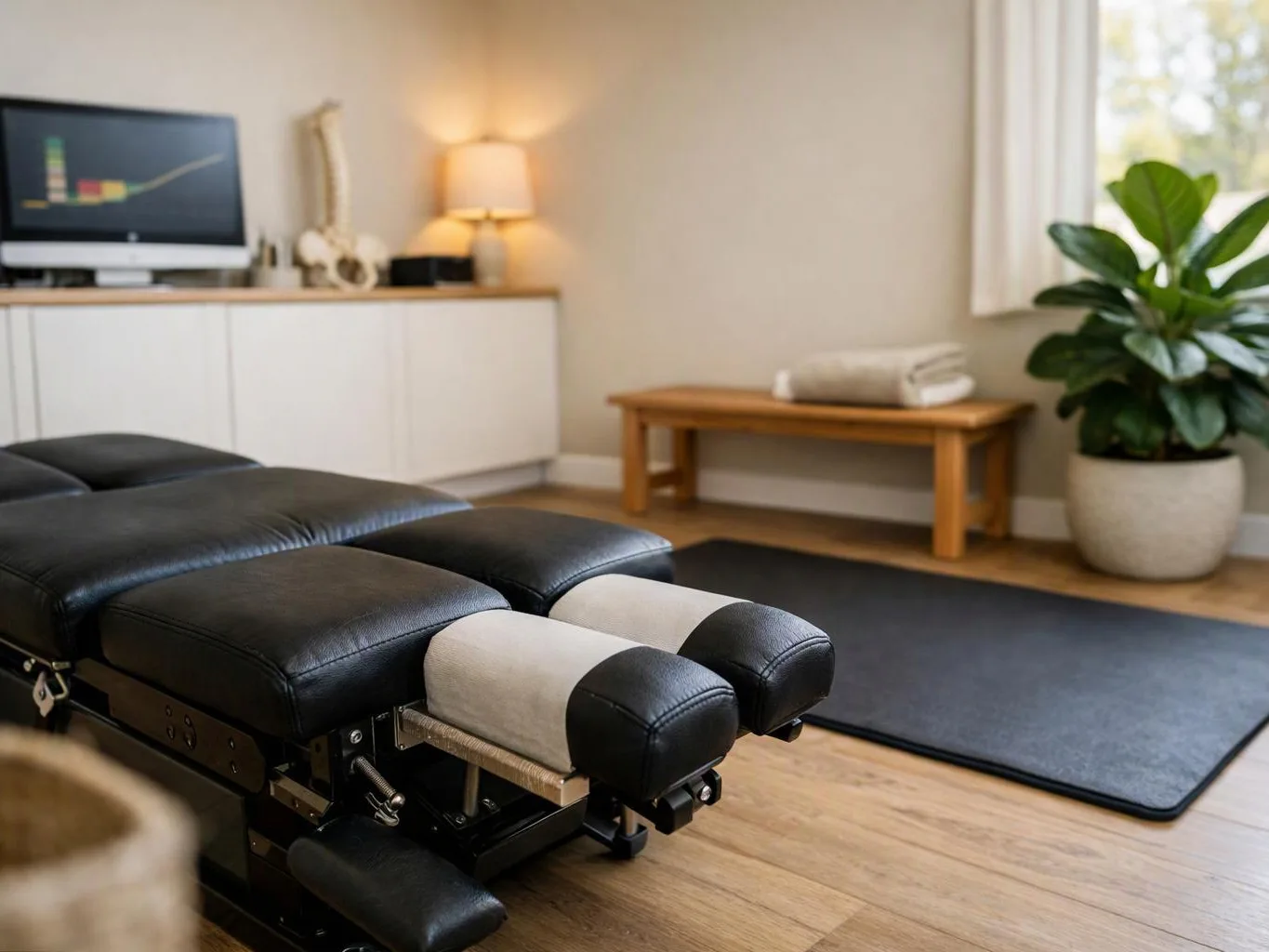
A black padded treatment table sits in a bright room with a cabinet, lamp, bench, plant, and exercise mat

Service Overview

Corrective Exercise Therapy is a guided treatment that uses targeted movement to support function and recovery.

  • It differs from a spinal adjustment because it trains movement patterns and mobility between visits.
  • Advanced Injury Care Clinic provides this care for patients in Gallatin and nearby Middle Tennessee communities.
Process

How corrective exercise therapy moves from assessment to practice

1

Complete the new patient intake

We review your health history, symptoms, injury details, and daily activity concerns.

2

Assess movement and posture

Our team checks movement patterns, posture, and mobility to understand what may affect function.

3

Build the exercise plan

We select therapeutic exercises and mobility drills that match the evaluation and your treatment goals.

4

Practice guided movements

We explain each exercise, show the movement, and discuss how it supports your care plan.

5

Review progress and adjust care

Follow-up checks help us decide whether the plan still fits your symptoms, movement, and goals.

How we approach movement-based injury care

Evaluation before exercise selection

We assess your symptoms and movement first, then choose exercises that fit the findings. The decision is based on your condition, not a preset routine.

Care matched to your goals

Our team builds a personalized care plan around function, recovery, and the activities you want to resume. Your history helps shape the treatment focus.

Clear clinical guidance

Licensed Chiropractor Credentials and detailed provider bios support informed care decisions. Corrective exercise therapy may be the wrong fit when symptoms need another type of medical evaluation.

A situation this service fits

A patient in Gallatin may seek care after an auto accident, work injury, sports injury, or ongoing back pain. We check movement and symptoms first, then decide whether therapeutic exercises belong in the treatment plan.

What patients work toward with corrective exercise therapy

Guided exercises may support improved movement during daily activities.

A movement-based plan gives you clear steps to practice between visits.

Posture training may help you notice habits that add strain during work or sport.

Mobility drills support useful range of motion when stiffness affects function.

The plan connects injury rehabilitation with practical self-care goals.

What corrective exercise therapy includes for your treatment

Advanced Injury Care Clinic provides comprehensive Corrective Exercise Therapy in Gallatin. Here's what you get:

  • We complete an individualized evaluation before selecting therapeutic exercises.
  • We assess movement patterns that may affect back pain, neck pain, or joint discomfort.
  • We use posture training to address how your body is positioned during movement.
  • We include mobility drills when limited motion affects function.
  • We connect exercises to injury rehabilitation and your daily activity goals.
  • We adjust the treatment plan as your movement and needs change.

How movement care differs from related treatments

These services may address different parts of a patient's care plan.

Treatment focusPrimary purposeHow it may relate
Corrective exercise therapyGuided movement, posture, and mobilitySupport function and movement practice
Spinal adjustmentsChiropractic adjustment of the spineAddress joint movement within the care plan

The Advanced Injury Care Clinic Standard

  • Individualized Assessments
  • Pre-Care Discussions
  • Personalized Care Plans
  • Appropriate Techniques

Questions patients ask about corrective exercise therapy

What happens during corrective exercise therapy?

An exercise plan begins with a movement assessment, then adds guided therapeutic exercises that fit your findings.

  1. We review your health history and symptoms.
  2. We check posture, mobility, and movement.
  3. We explain selected exercises and their purpose.
  4. We review progress and adjust care when needed.

How does a visit move from the first call to the last step?

The visit path moves from intake and assessment to treatment planning, guided exercises, and progress review. Your health history helps shape the first evaluation. Our team then explains which movements fit your goals. Follow-up care checks how the plan matches your changing needs.

What does the first evaluation check?

The first evaluation checks your symptoms, health history, posture, movement, and mobility. Relevant injury details help guide the assessment. X-rays may be considered if clinically indicated. We use the findings to explain a treatment plan and whether corrective exercise therapy fits your needs.

Which part of treatment decides the exercise plan?

The movement assessment decides which exercises best fit the treatment plan. Posture, mobility, symptoms, and daily activity needs all inform that choice. Our team avoids treating every patient with the same routine. The plan can change when progress checks show a different need.

How can I tell whether corrective exercise therapy fits my condition?

Corrective exercise therapy may fit when movement limits, posture concerns, or injury recovery affect daily function. A clinical evaluation decides suitability. Share your symptoms and goals with our team. We can explain whether therapeutic exercises belong in your care or whether another evaluation should come first.

Can this care help after an auto accident or work injury?

Corrective exercise therapy may support rehabilitation after an auto accident or work injury when the assessment supports exercise-based care. Injury details guide the treatment plan. Our team reviews symptoms, movement, and function before adding drills. Care may also include spinal adjustments or other supportive treatments when appropriate.

What should I bring to my first appointment?

Bring your health history, injury details, current symptoms, and questions about daily movement. Medical records or imaging information may help when they relate to the concern. Tell our team about work, sports, or accident demands. Those details help connect the assessment to your treatment goals.
Contact

Discuss corrective exercise therapy in Gallatin

Book an appointment with Advanced Injury Care Clinic to discuss your movement goals, symptoms, and treatment options in Gallatin. We'll start with an individualized evaluation and explain the next step.

A white handheld device with a cord lies beside folded blue and beige cloths on a beige background

ZIP Codes We Serve in Gallatin, Tennessee

37066

The health and wellness information on this website is for general informational purposes only and is not medical advice. It does not create a provider-patient relationship. Always consult a qualified licensed provider in Hendersonville, TN, United States about your specific condition before making care decisions. Individual results vary.

(615) 265-0412