Shockwave Therapy: What to Expect Before, During, and After Treatment
Shockwave therapy at Advanced Injury Care Clinic begins with an assessment, continues with targeted acoustic-wave treatment, and ends with guidance for normal activity and aftercare. We explain preparation, expected sensations, possible short-term reactions, treatment planning, and how shockwave compares with other soft tissue therapies.
Request an EstimateWhat Is Shockwave Therapy?
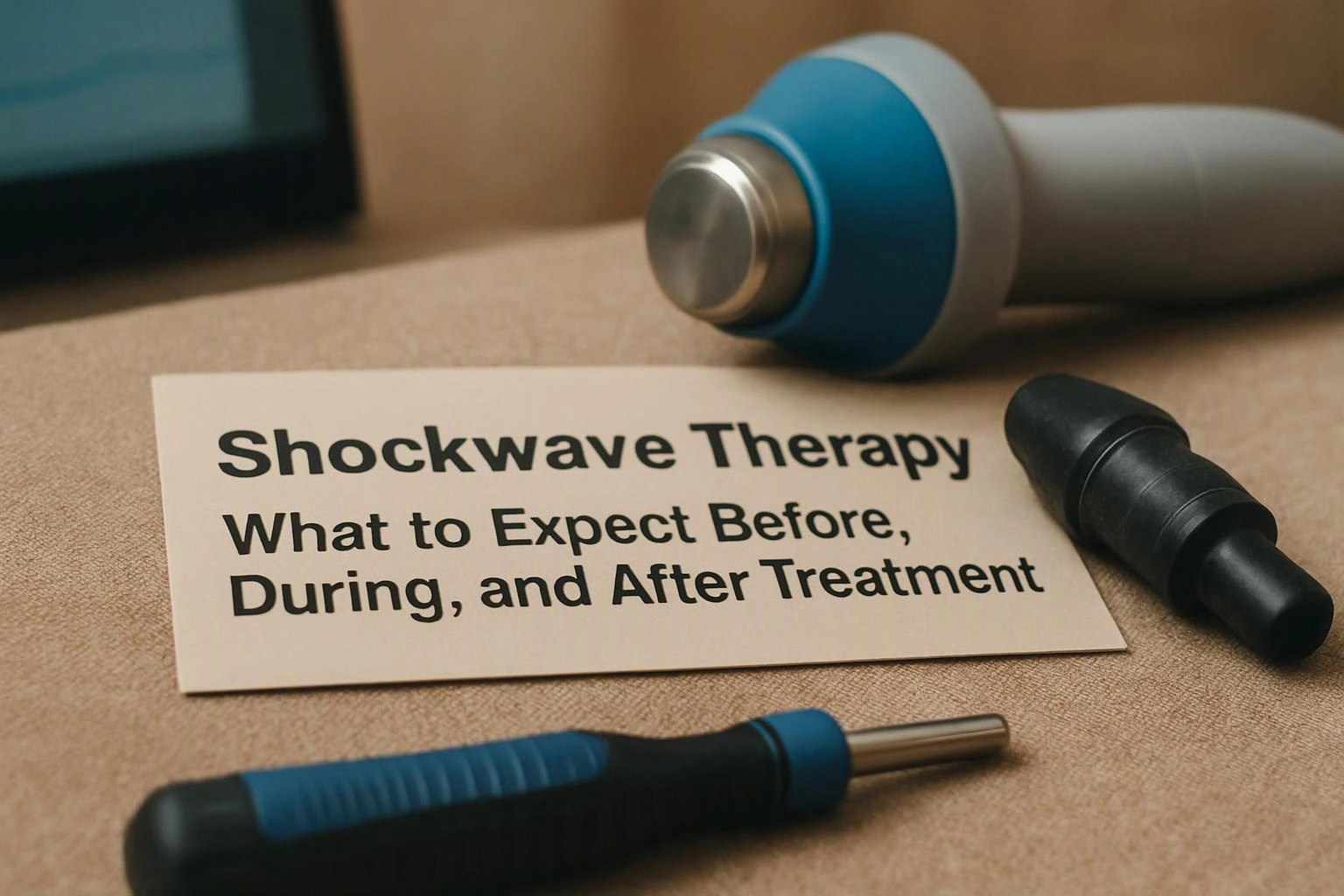
Shockwave therapy is a noninvasive treatment that applies focused acoustic energy to a targeted area of soft tissue. The treatment applicator sends acoustic waves into the selected area as part of musculoskeletal care.
Our team uses the clinical assessment to identify whether focused shockwave therapy fits the condition and treatment goals. The approach may be considered for soft tissue care when targeted stimulation is appropriate.
Shockwave Therapy is one option within a broader chiropractic care plan. We explain how it fits with other treatments before care begins.
What Happens Before Shockwave Therapy?
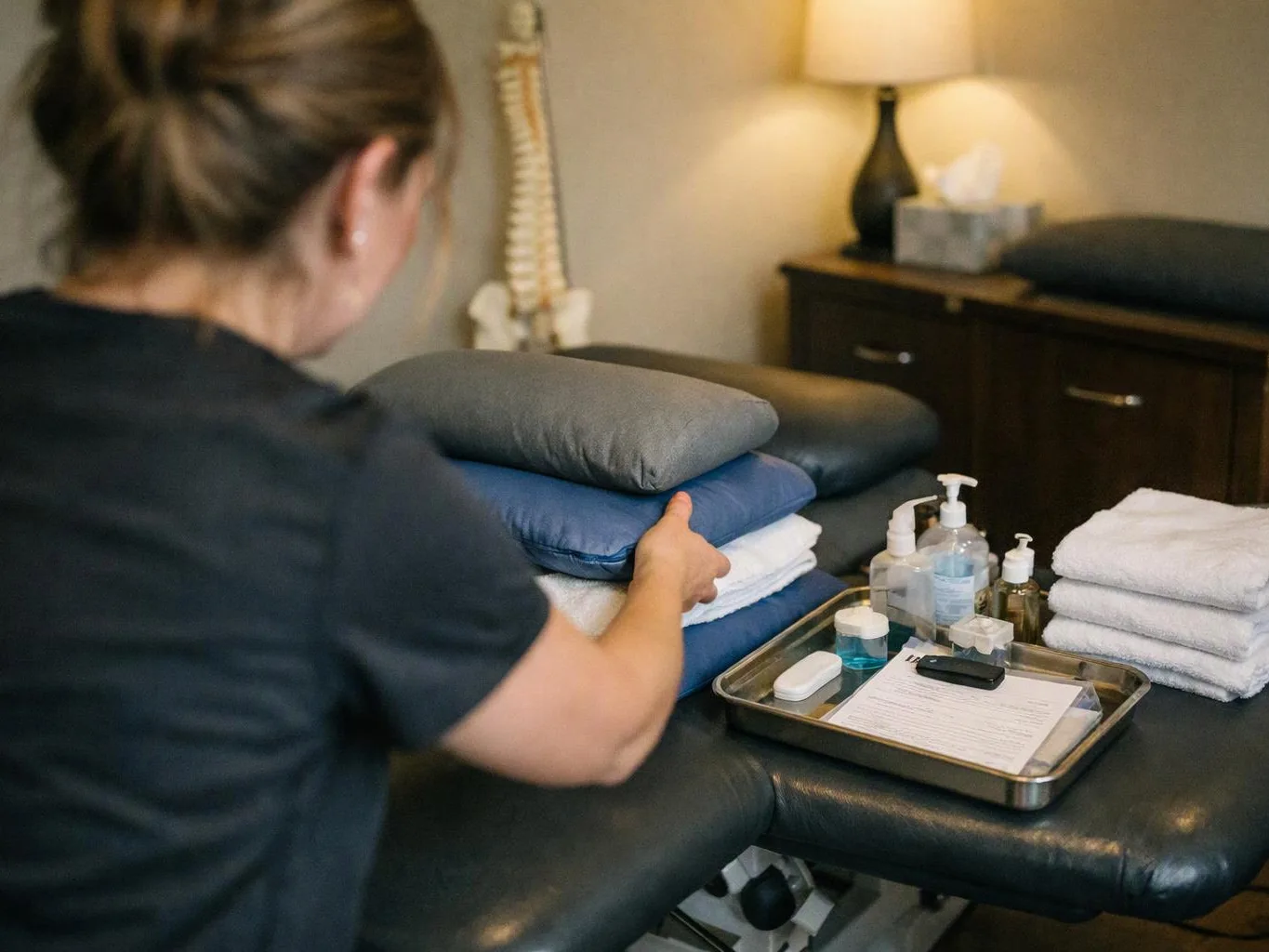
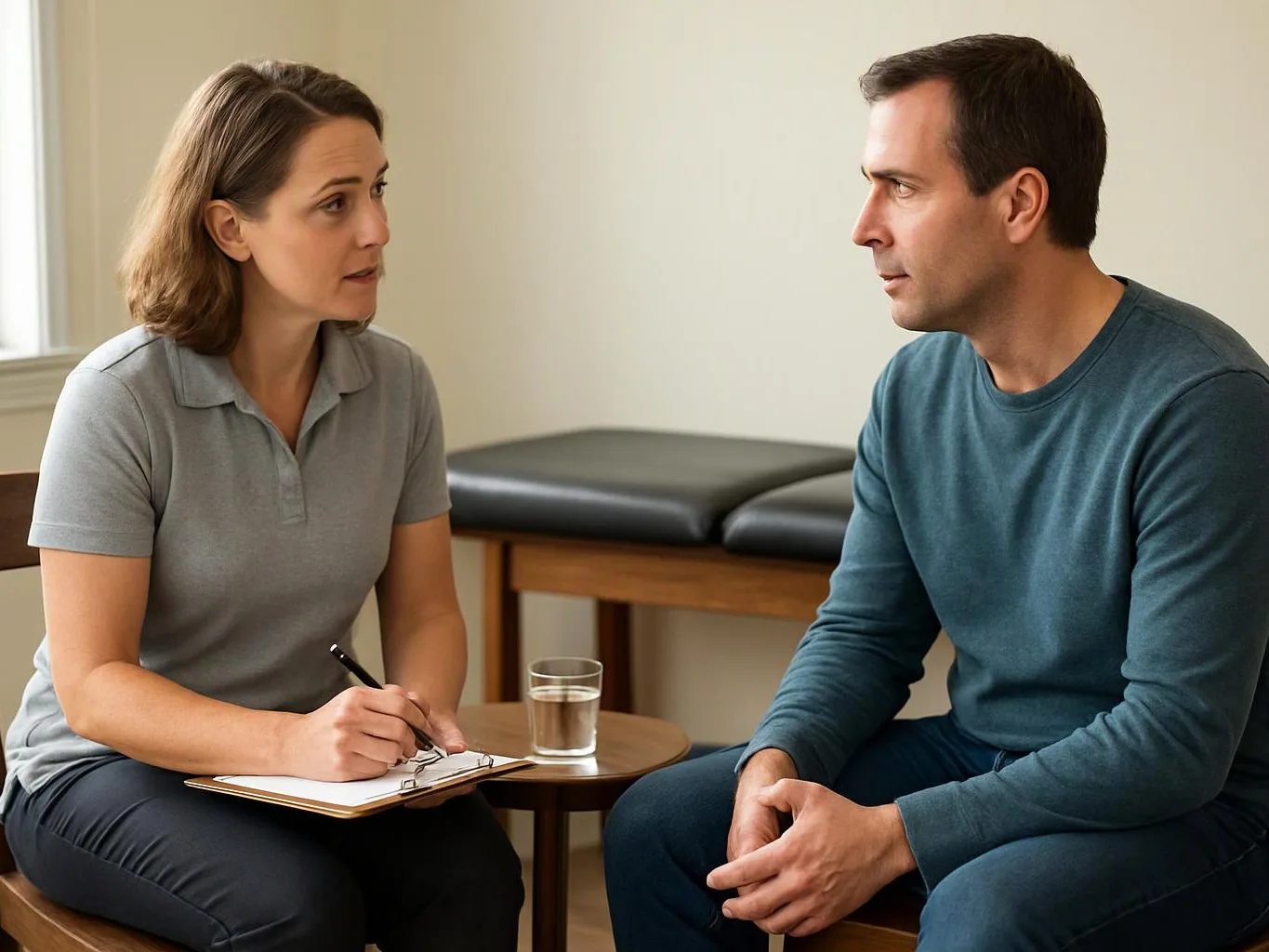
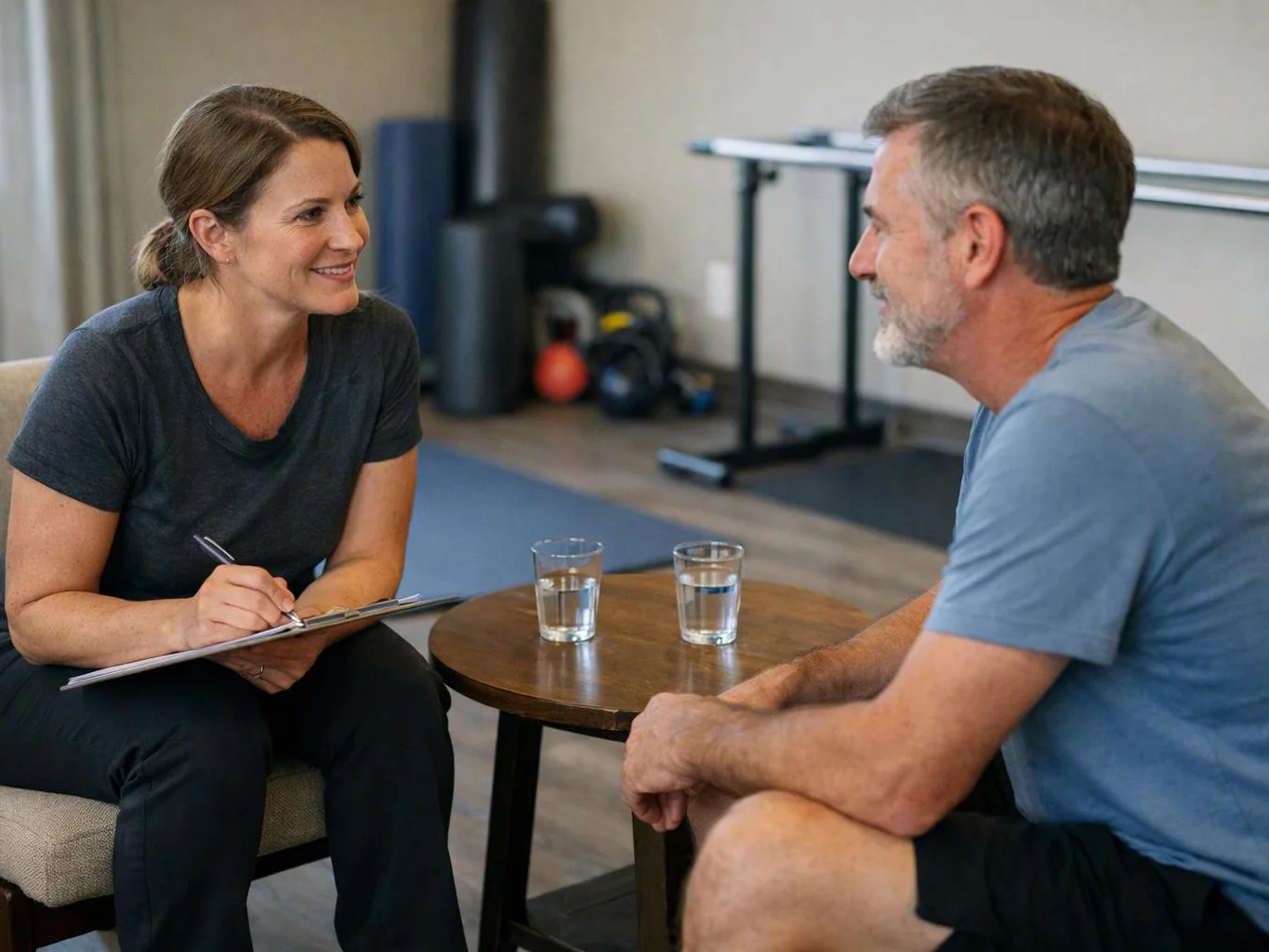
Shockwave therapy starts with an assessment so we can review the affected area, symptoms, health history, and whether the treatment fits the care plan. We use that information to set a clear treatment goal.
How to Prepare for Your Appointment
Appointment preparation is simple, but clear information helps us plan the session safely. Bring questions and tell our team about relevant health changes before treatment begins.
- Treatment area: Wear comfortable clothing that allows access to the area being assessed.
- Medication discussion: Tell us about medicines, supplements, and health conditions that may affect your care.
- Questions for the care team: Ask about treatment sensations, activity guidance, and how shockwave therapy fits your goals.
What Does Shockwave Therapy Feel Like During Treatment?
Shockwave therapy commonly feels like rhythmic tapping or pressure at the treatment site, and we adjust the application to support a tolerable session. The treatment applicator delivers acoustic pulses to the selected area.
Treatment sensations can change as the applicator moves across the area. Our team checks your response and adjusts the treatment intensity when needed.
Session time depends on the treatment area and the care plan. We explain the planned appointment flow during the assessment rather than assuming that every condition follows the same schedule.
What Happens After Shockwave Therapy?
Shockwave therapy is followed by guidance on what to monitor, how to approach activity, and when to contact Advanced Injury Care Clinic about an unexpected response. We match aftercare guidance to the treatment area and your treatment response.
The treated area may feel different for a short time after acoustic-wave application. We explain which responses can be monitored and which concerns should be reported to our team.
Activity guidance forms part of the follow-up plan. We discuss how to return to normal movement, whether temporary changes are sensible, and how the next step fits the wider care plan.
What Changes the Time and Cost of a Shockwave Therapy Plan?
Shockwave therapy time and cost depend on the treatment area, condition, clinical plan, and number of visits, so we explain the plan and provide an exact quote after assessment. An appointment may include assessment, treatment, education, and follow-up planning.
Pricing factors include the area being treated, the complexity of the condition, the selected treatment approach, and the care plan. We explain what the quote includes so you can understand the proposed care before proceeding.
Advanced Injury Care Clinic offers Free Estimates Available. Contact our team for an exact quote based on your assessment and treatment goals.
Shockwave Therapy Compared With Manual Soft Tissue Therapy
Shockwave therapy uses acoustic energy for targeted stimulation, while manual soft tissue therapy uses hands-on pressure and movement; the better option depends on the assessment and treatment goal. Both approaches can form part of a broader soft tissue care plan.
The comparison below focuses on treatment method, relative cost, timeline, maintenance, and best fit. We use the assessment to decide which approach supports the intended goal.
| Factor | Shockwave Therapy | Manual Soft Tissue Therapy | Best Fit |
|---|---|---|---|
| Treatment method | Focused acoustic energy delivered through an applicator | Hands-on pressure, movement, and soft tissue techniques | Depends on the condition and treatment goal |
| Cost | Depends on the treatment area and care plan | Depends on the session scope and care plan | An exact quote follows assessment |
| Timeline | Planned around the treatment area and response | Planned around mobility, tension, and treatment goals | The clinical plan determines the sequence |
| Maintenance | May include follow-up care and activity guidance | May include repeat hands-on care and movement work | Depends on the ongoing care plan |
| Best for | Targeted acoustic-wave treatment when clinically suitable | Hands-on work for muscle tension and mobility goals | The option that matches the assessment |
Shockwave therapy is best suited to a plan that calls for targeted acoustic energy. Manual soft tissue therapy is best suited to goals that involve hands-on pressure, movement, muscle tension, or mobility.
Advantages of Shockwave Therapy
Shockwave therapy offers a focused way to apply acoustic energy when the clinical assessment supports that approach. We connect the treatment method with activity planning and the wider care goal.
Best for: Shockwave therapy is best for people whose assessment supports focused acoustic-wave treatment.
Advantages of Manual Soft Tissue Therapy
Manual soft tissue therapy uses hands-on techniques to address movement and tissue concerns identified during assessment. Our team adapts the approach to the person, treatment area, and care goal.
Best for: Manual soft tissue therapy is best for people whose goals call for hands-on work, movement, or mobility support.
Questions to Ask Before Starting Shockwave Therapy
Questions about shockwave therapy help you understand the proposed treatment plan before the session begins. We encourage you to ask about the method, sensations, aftercare, and alternatives.
Is Shockwave Therapy Right for You?
Shockwave therapy may suit people whose assessment supports targeted acoustic-wave treatment, but we determine suitability from the condition, health history, and treatment goals. Our team also reviews contraindications and other factors that may affect the care plan.
Symptoms alone do not determine whether shockwave therapy is appropriate. We examine the treatment area, discuss your history, and compare the option with manual therapy or other chiropractic care when relevant.
Our goal is to recommend a clear treatment plan that matches the clinical findings and your priorities. We explain the reasoning, expected treatment sensations, aftercare, and follow-up plan before care begins.
Questions About Shockwave Therapy Treatment
Can you work normally after shockwave therapy?
Yes, many people can follow normal activity after shockwave therapy when our activity guidance supports it. Advanced Injury Care Clinic explains any temporary changes based on the treatment area and your response.
What should you tell the clinic before shockwave therapy?
Tell our team about your symptoms, medical history, current medicines, and any health change that may affect treatment suitability. This information helps us complete a safe clinical assessment.
Can shockwave therapy be combined with other chiropractic treatments?
Yes, shockwave therapy can be combined with other chiropractic treatments when the clinical assessment supports that care plan. We decide how treatments fit together based on the condition and treatment goals.
What should you do if the treated area reacts after shockwave therapy?
Contact our team if the treated area produces an unexpected or concerning response after shockwave therapy. We can review the treatment response and explain the appropriate next step.
Advanced Injury Care Clinic can assess your symptoms, explain your options, and build a treatment plan around your goals. Request an assessment and quote through our contact page.