Dry Needling: What to Expect Before, During, and After Treatment
Dry needling involves an assessment, targeted needle placement, and post-treatment guidance; Advanced Injury Care Clinic explains preparation, expected sensations, recovery, and questions to ask before treatment.
Request an EstimateWhat Happens Before a Dry Needling Session?
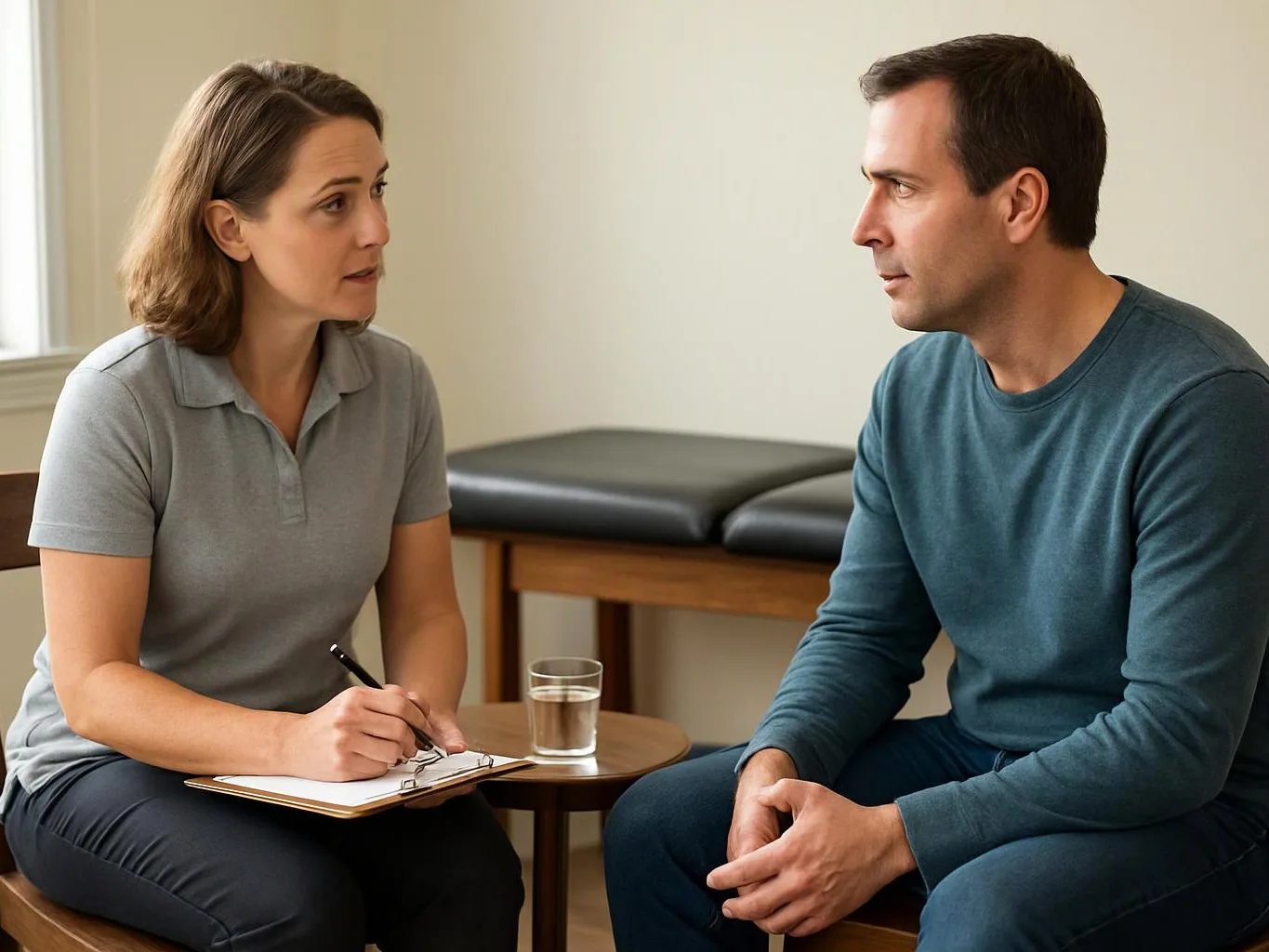
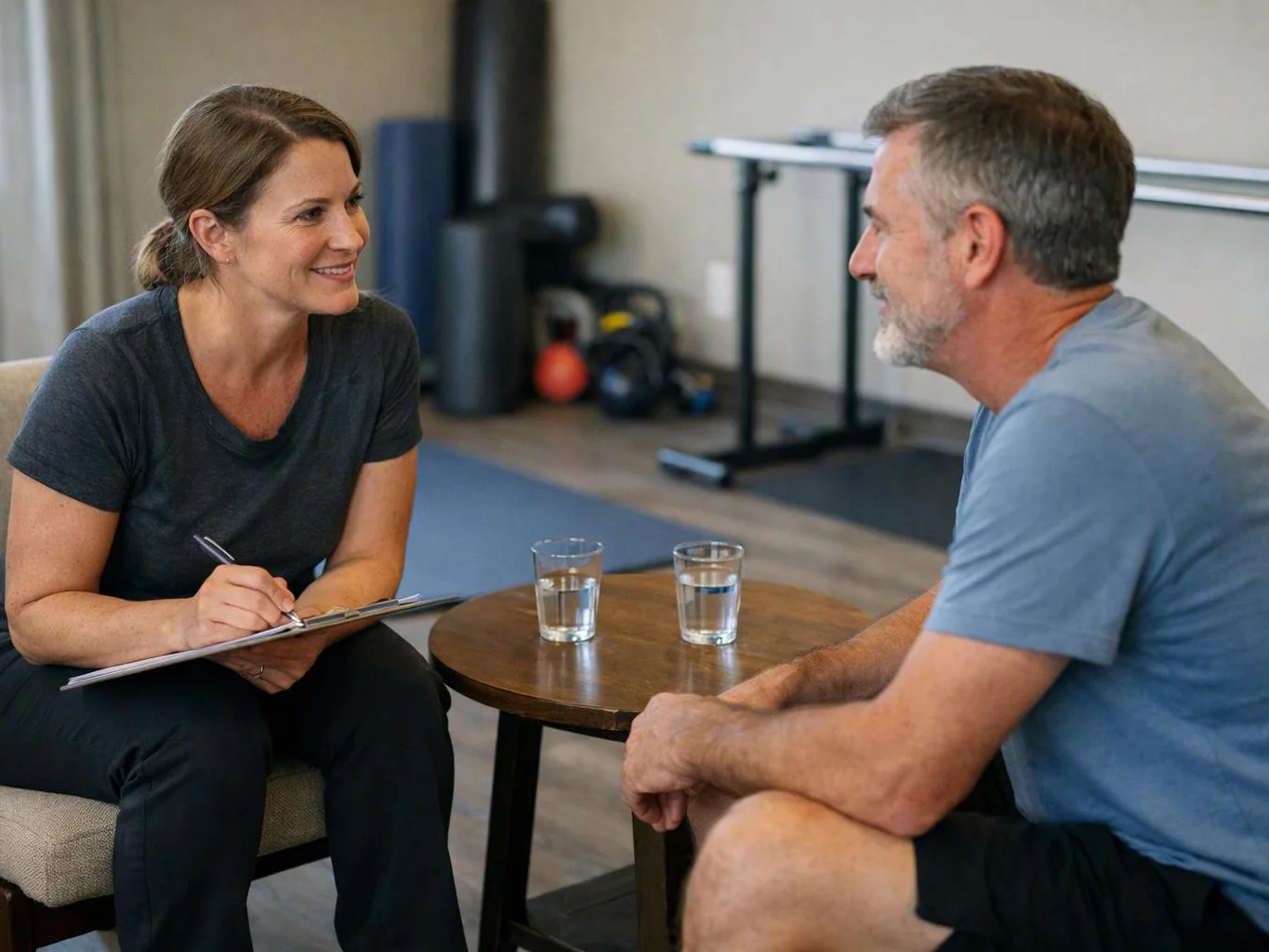
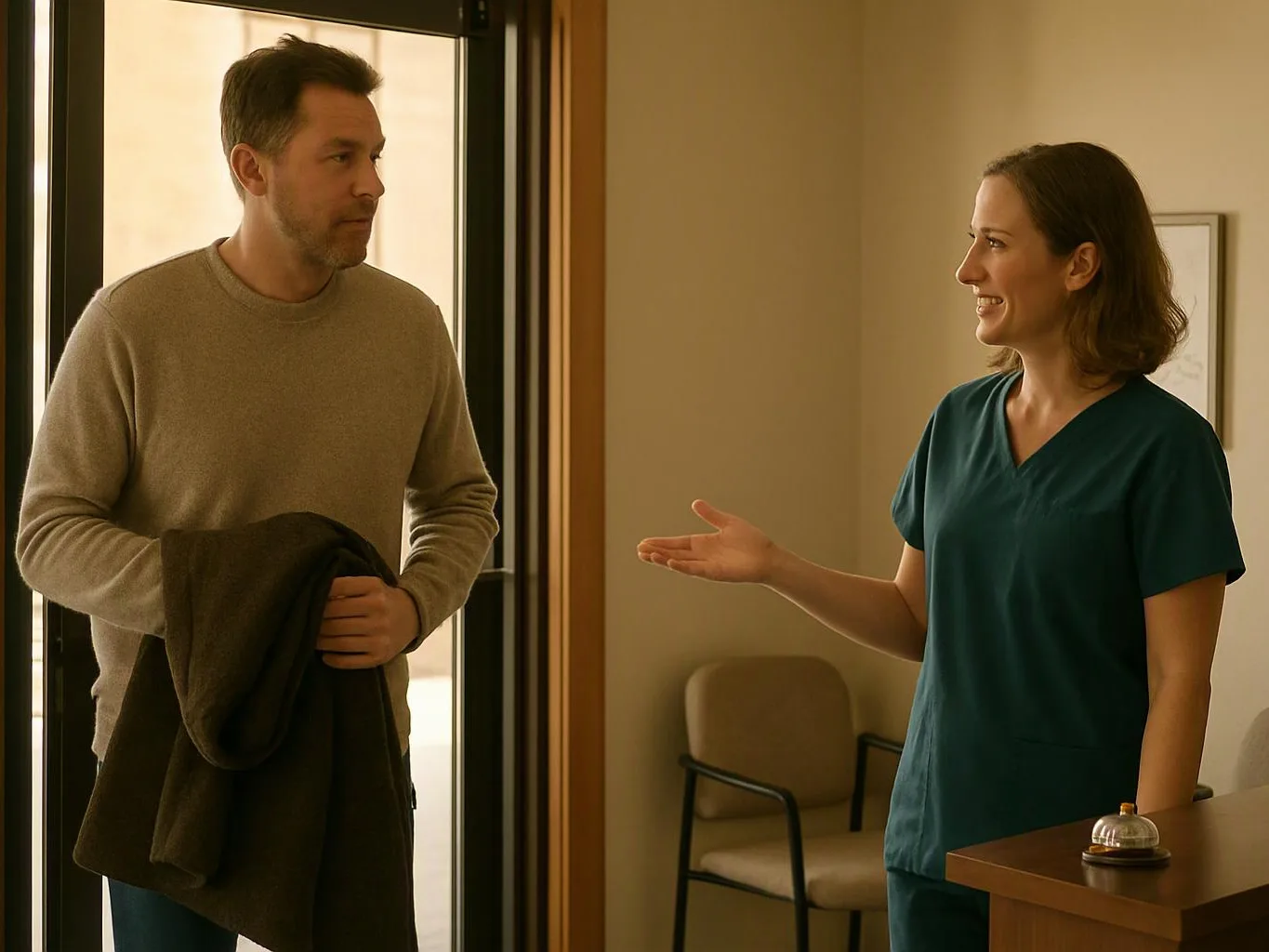
Dry needling starts with a clinical assessment of your symptoms, health history, movement, and treatment goals. We use this information to decide whether the technique fits your needs and to plan where treatment may help.
We explain the proposed approach, possible sensations, and aftercare before asking for informed consent. You can ask questions and share concerns before the session begins.
How to Prepare for Dry Needling
What Happens During a Dry Needling Session?
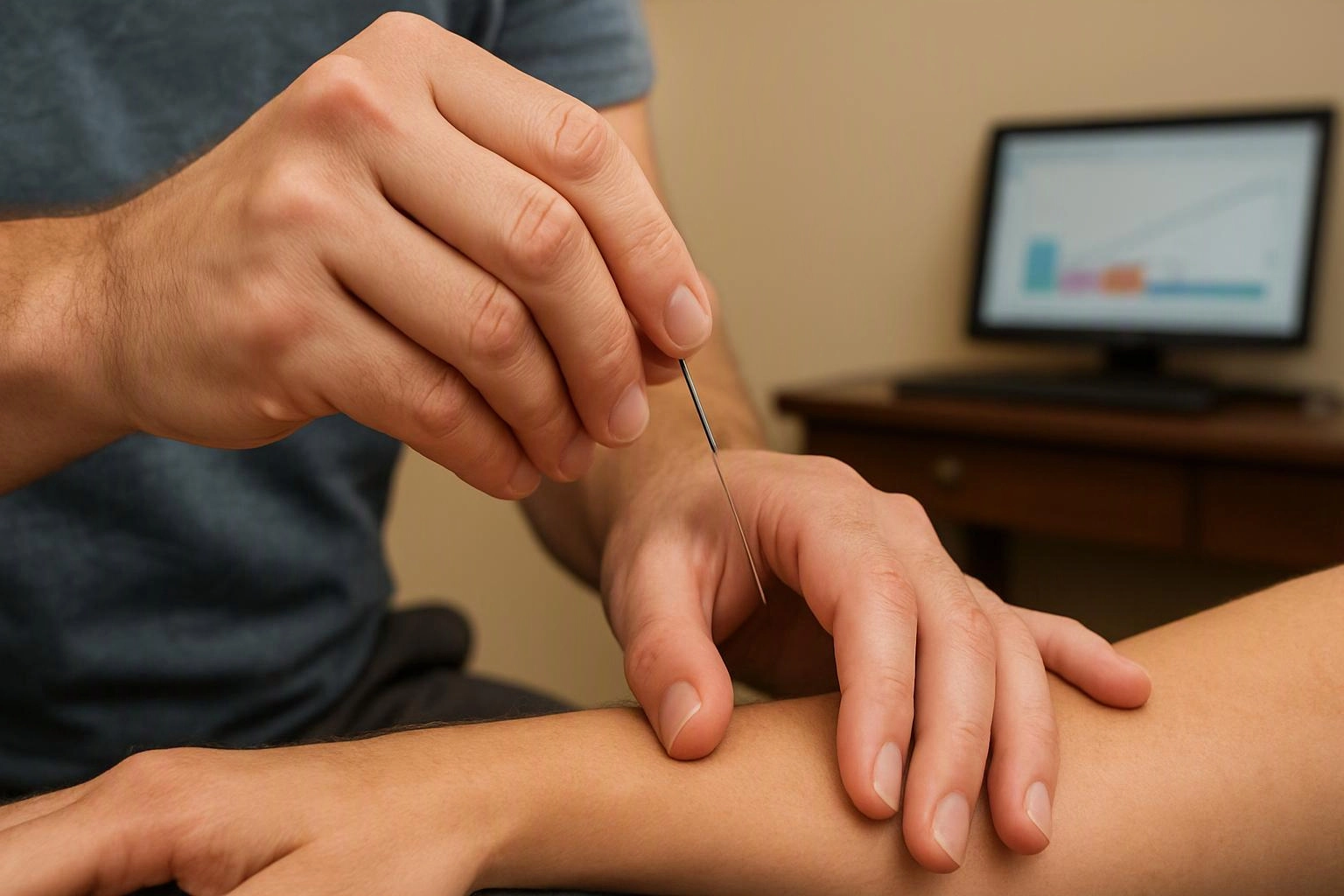
Dry needling procedure begins with comfortable patient positioning and a final check of the selected area. We use sterile needles and place them in carefully chosen trigger points or muscle tissue based on your assessment.
We monitor your treatment response throughout the session. Tell us if you feel worried, uncomfortable, light-headed, or unsure about a sensation so we can pause or adjust the approach.
Dry needling may be used as part of a broader musculoskeletal care plan. Our team may combine it with movement advice or other hands-on treatment when those options match your goals.
What Does Dry Needling Feel Like?
Dry needling sensations can include a brief needle sensation, pressure, or a muscle twitch response. Some people notice a short-lived feeling of tightness or localized tenderness during placement.
A muscle twitch response can occur when a sensitive area responds to the needle. Temporary soreness is also possible, and we ask for ongoing feedback so the treatment remains appropriate.
What Should You Expect After Dry Needling?
Dry needling aftercare includes guidance about expected post-treatment soreness, comfortable movement, and activity choices. We explain what to monitor and how to contact us with questions about your response.
Gentle movement may support normal activity, but the right level depends on the treated area, your symptoms, and your treatment plan. Avoid pushing through symptoms that are sharp, unusual, or worsening.
Dry Needling Aftercare Checklist
Dry Needling and Acupuncture: Which Fits Your Goals?
Dry needling is generally selected for musculoskeletal treatment goals, while acupuncture is based on an acupuncture treatment framework. The appropriate option depends on your symptoms, assessment, preferences, and treatment goals.
Cost can depend on the assessment, treatment areas, clinical complexity, and the wider plan of care. A treatment timeline and maintenance plan also depend on your response and goals, so we discuss those factors during assessment.
| Factor | Dry Needling | Acupuncture | Key Consideration |
|---|---|---|---|
| Treatment purpose | Musculoskeletal symptoms, trigger points, and muscle tension | Goals guided by an acupuncture treatment framework | Your assessment and preferred care approach |
| Cost factors | Assessment, treatment areas, and plan complexity | Assessment, point selection, and plan complexity | Request an exact quote after assessment |
| Treatment timeline | Based on symptoms and treatment response | Based on goals and treatment response | We review the plan as your response develops |
| Maintenance | May include movement and reassessment | May include continued individualized care | Depends on your goals and progress |
| Best fit | Localized muscle tension and movement-related symptoms | Goals suited to a traditional acupuncture framework | The option that matches your assessment |
Advantages of Dry Needling
Best for Dry Needling
Dry needling may suit people with musculoskeletal symptoms, localized muscle tension, or movement limitations. We use the clinical assessment to decide whether trigger point treatment fits your needs.
Advantages of Acupuncture
Best for Acupuncture
Acupuncture may suit people seeking care based on treatment goals within a traditional Chinese medicine framework. Individualized care begins with discussing your concerns and selecting an approach that fits them.
What Should You Ask Before Trying Dry Needling?
Before trying dry needling, ask how the technique relates to your symptoms, what sensations to expect, what aftercare involves, and how treatment will be adjusted for your health history.
How We Personalize Dry Needling Treatment
Advanced Injury Care Clinic personalizes dry needling by connecting your symptoms, examination findings, treatment goals, and response during the session.
We begin with a clinical assessment and explain the treatment plan before needle placement. Our team uses patient feedback to guide positioning, selected areas, and the level of treatment.
Dry needling may be included in a wider musculoskeletal care plan when it supports your needs. You can learn more about our Dry Needling service and request an individualized discussion.
Questions About Dry Needling Treatment
Can dry needling make symptoms worse temporarily?
Yes, dry needling can cause temporary soreness or a short-term change in symptoms. Advanced Injury Care Clinic explains what to monitor and adjusts follow-up guidance when your response raises concern.
Is dry needling safe for everyone?
No, dry needling is not suitable for everyone. Suitability depends on your health history, medications, skin condition, symptoms, and treatment goals, so we review those factors before asking for informed consent.
Can I exercise after dry needling?
Yes, you may be able to exercise after dry needling when movement feels comfortable and your aftercare guidance allows it. Activity choices depend on the treated area, your symptoms, and your treatment response.
How do I know whether dry needling is appropriate for my symptoms?
Dry needling may be appropriate when your clinical assessment connects localized muscle tension, trigger points, or movement-related symptoms with your treatment goals. We review your health history and examination findings before recommending it.
Contact Advanced Injury Care Clinic to discuss your symptoms, goals, and whether dry needling fits your care plan.