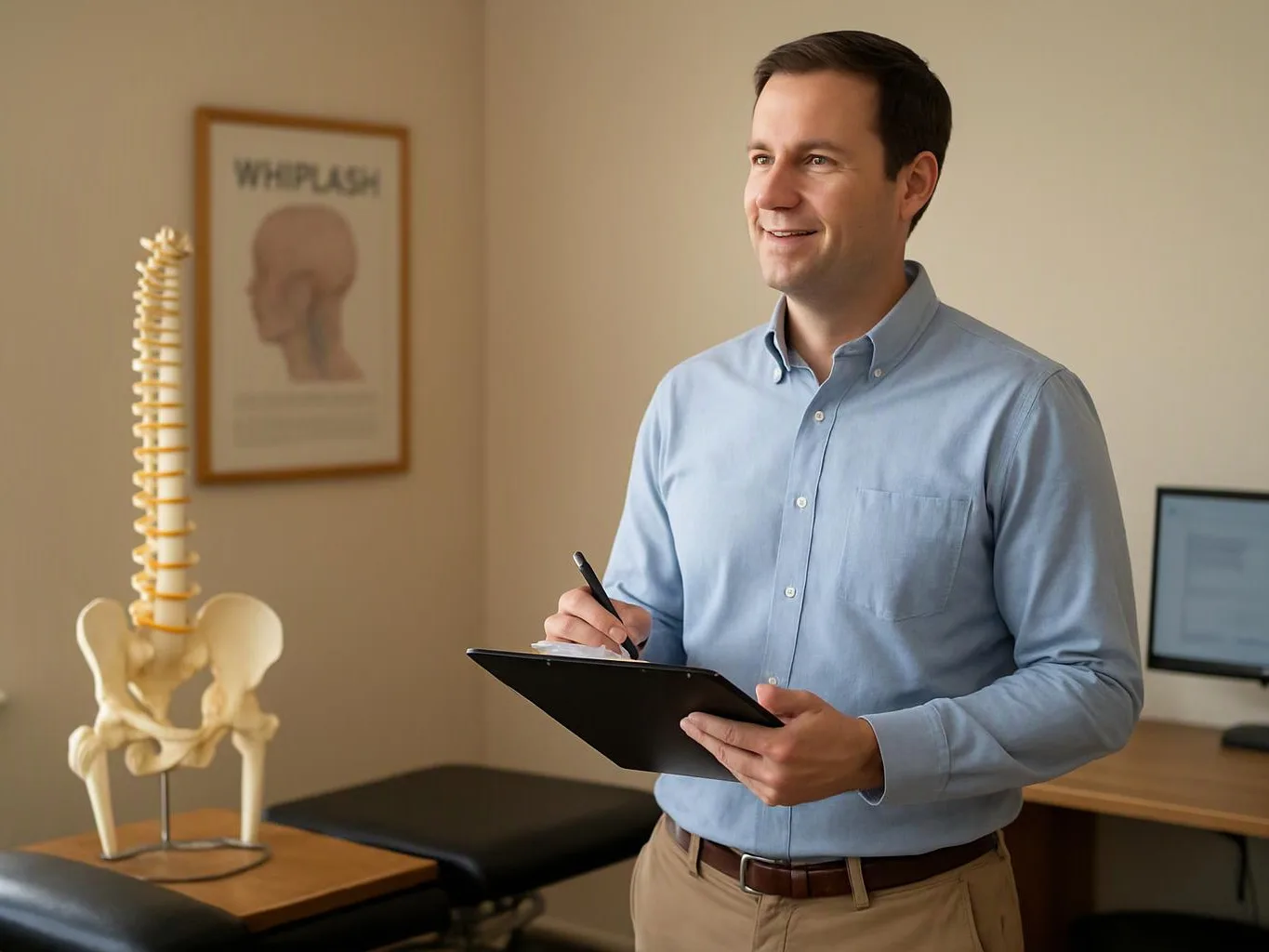
Posture Correction Therapy and Exercises for Daily Routines
Posture correction therapy helps identify movement habits that affect alignment, then uses targeted corrective exercises and practical routine changes to support better movement. Advanced Injury Care Clinic assesses your posture, explains the contributing factors, and builds guidance around your daily activities.
Request an EstimateWhat Should You Expect From Posture Correction Therapy?
Posture correction therapy starts with an assessment of alignment and movement, then connects the findings to targeted exercises and practical changes for daily routines.
Our team reviews how your body moves during common tasks instead of looking only at a still standing position. Corrective exercise therapy may include movement retraining, mobility work, and control exercises that match your needs.
The goal is to help you understand your movement patterns and use that knowledge during sitting, standing, walking, and other daily activities.
How We Assess Posture and Movement
Advanced Injury Care Clinic reviews posture and movement patterns to identify factors that may influence how you stand, sit, walk, or perform everyday tasks.
Our postural assessment considers spinal alignment, spinal movement, joint mobility, muscle balance, and movement habits. We observe how these factors work together during simple functional movements.
We also ask about daily activities that feel difficult or uncomfortable. This helps us connect the assessment to your work, exercise, household tasks, and other regular routines.
What Benefits Can Posture Correction Support?
Posture correction can support better body awareness, coordinated movement, and more efficient mechanics when exercises and routine changes match the person’s needs.
| Potential focus | How it may help daily movement |
|---|---|
| Postural awareness | Helps you notice positions and movement habits that may affect comfort or control. |
| Movement efficiency | Supports smoother use of body mechanics during common activities. |
| Muscle coordination | Encourages muscles to work together during posture and movement tasks. |
| Joint mobility | Supports comfortable movement where stiffness affects your routine. |
| Daily comfort | Connects exercise and posture habits to the activities you perform regularly. |
| Body mechanics | Builds better movement choices for tasks such as reaching, walking, or lifting. |
These benefits depend on the movement factors identified during assessment. We use the findings to select exercises and routine changes that support your functional goals.
Which Posture Correction Exercises Fit Daily Routines?
Posture correction exercises should address the movement patterns identified during assessment and fit naturally into activities such as sitting, standing, walking, and lifting.
Our exercise choices may address core control, upper back mobility, hip mobility, neck positioning, and breathing mechanics. We explain how each exercise relates to your daily activity so the plan is easier to use consistently.
Home exercises should feel manageable and controlled. If an exercise increases discomfort, stop and discuss the change with our team before continuing.
Exercises for Sitting and Screen-Based Tasks
Seated posture exercises work best when they connect with the way you use a desk, chair, or screen. These routine changes can support better alignment during screen-based tasks.
Exercises for Standing, Walking, and Lifting
Standing, walking, and lifting exercises focus on how your body manages load and motion during active tasks. We connect these exercises to the movements you perform at home, work, or during recreation.
How Can You Prepare for a Posture Correction Appointment?
You can prepare by noting the activities that make posture difficult, bringing relevant health information, and wearing clothing that allows comfortable movement.
Relevant health information can help us understand your goals and choose appropriate movement guidance. Honest details about your daily routine also help us build a practical plan.
How Does Posture Therapy Compare With Ergonomic Changes?
Posture correction therapy addresses movement and physical control, while ergonomic changes adjust the environment so daily tasks place less strain on those movement patterns.
Ergonomics may involve changing a workstation setup, chair position, screen placement, or task arrangement. These changes can make it easier to use better posture habits during daily activity.
Movement retraining focuses on how you control your body while completing the task. We often connect both approaches so your exercises support the environment and your environment supports your exercises.
What Happens After Your Posture Assessment?
After assessment, we explain the relevant movement findings and organize corrective exercises and routine recommendations around your functional goals.
Our team may provide an individualized exercise plan with home exercises that address mobility, control, and coordination. We also provide movement education so you can apply the guidance during daily routines.
A progress review helps us discuss how the exercises fit your activities and whether the plan needs to be adjusted. We use your feedback about comfort, movement, and activity limitations to guide the next steps.
When Should You Seek Guidance for Posture Concerns?
You should seek guidance when posture concerns persist, limit everyday movement, or make ordinary activities uncomfortable despite routine adjustments.
Persistent discomfort, restricted movement, postural asymmetry, or activity limitations can make it harder to choose useful exercises on your own. We use a chiropractic evaluation to review the movement factors that may be contributing to the concern.
Posture therapy may be appropriate when you want structured movement education, corrective exercise, and practical changes that fit your daily habits. Contact our team when you need help connecting posture correction with the activities you perform every day.
Questions About Posture Correction Exercises
Can posture correction exercises be done at home?
Yes, posture correction exercises can be done at home when Advanced Injury Care Clinic has selected movements that match your assessment and goals. We explain the exercise form, purpose, and safe way to include each movement in your routine.
What should I wear to a posture correction appointment?
Wear comfortable clothing that allows you to move easily during the postural assessment. Clothing should allow our team to observe your posture and complete movement tasks without restricting you.
Can poor posture affect everyday movement?
Yes, poor posture can affect everyday movement when it changes how you control your spine, joints, or muscles during routine tasks. A movement assessment can show which posture habits may be influencing your activity.
Should posture exercises be adjusted when discomfort increases?
Yes, posture exercises should be reviewed when discomfort increases or a movement becomes harder to control. Stop the exercise and contact our team so we can discuss the response and adjust the plan when appropriate.
Connect Posture Therapy With Your Daily Routine
Advanced Injury Care Clinic provides chiropractic care that connects postural assessment, corrective exercise, and practical movement education with your functional goals.
Contact our team to discuss posture concerns, movement limitations, and the activities you want to perform more comfortably.