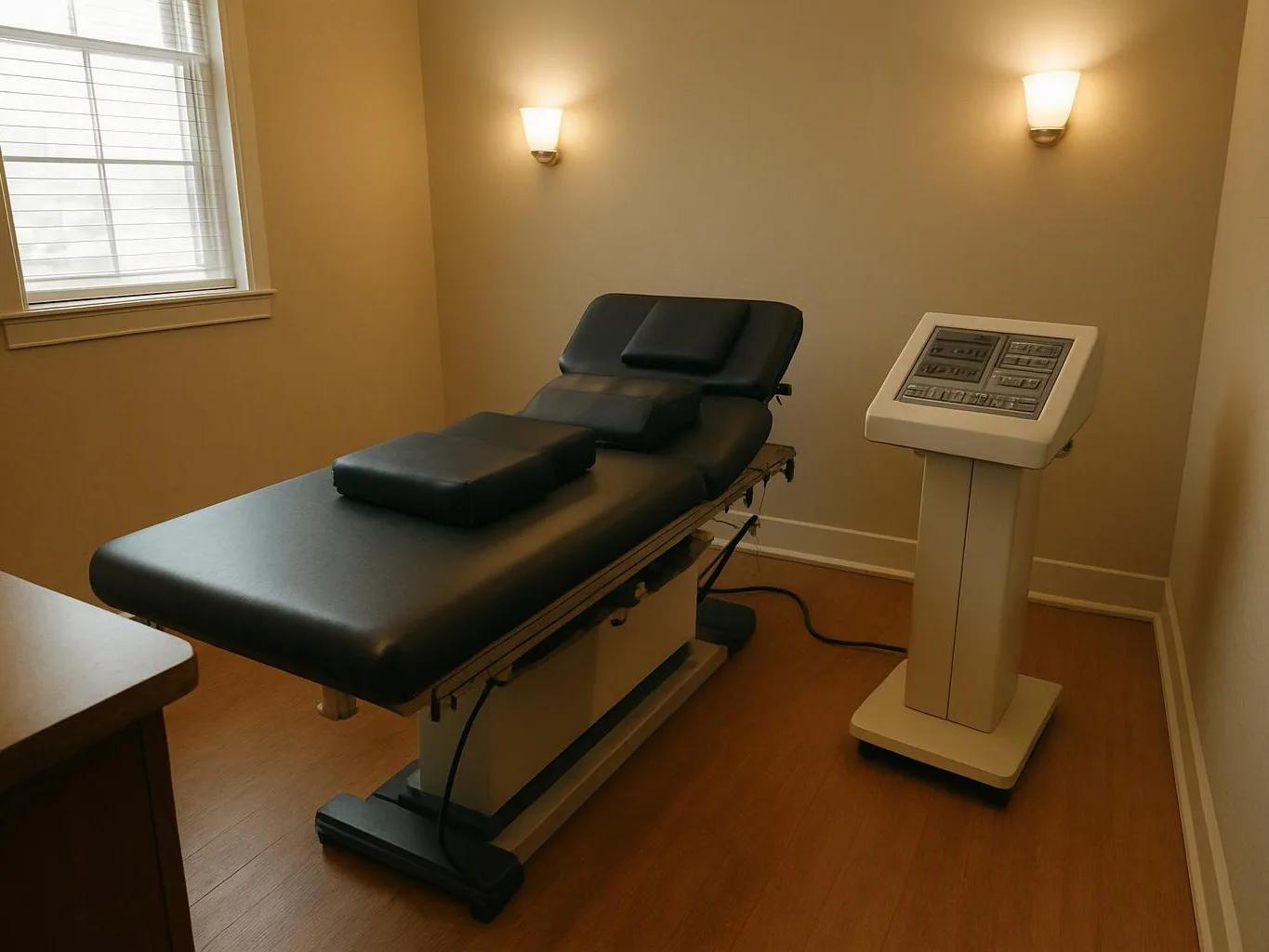
Sciatica Treatment: What to Expect and How to Prepare
Sciatica treatment starts with an evaluation of symptoms, movement, and contributing spinal factors, followed by a care plan that may include spinal decompression therapy, chiropractic adjustment, and corrective exercise therapy; Advanced Injury Care Clinic explains each step and how to prepare.
Request an EstimateWhat Is Sciatica Treatment?
Sciatica treatment is a coordinated approach that evaluates and addresses irritation or compression affecting the sciatic nerve. Sciatica commonly involves symptoms that travel from the lower back through the buttock and into the leg.
Our team reviews how the spine, hips, and surrounding muscles affect movement. We use those findings to shape chiropractic care around your symptoms, goals, and treatment tolerance.
What Symptoms Can Sciatica Cause?
Sciatica can cause radiating leg pain and other symptoms that change with posture, walking, sitting, bending, or lifting. We use the symptom pattern to guide the movement assessment.
What Commonly Causes Sciatica?
Sciatica commonly develops when a spinal structure irritates or compresses a nerve connected to the sciatic nerve. Our evaluation looks for movement and spinal factors that may contribute to your symptoms.
What Happens During a Sciatica Treatment Evaluation?
A sciatica treatment evaluation reviews symptoms, movement, and relevant clinical findings so we can determine which care approaches fit the presentation.
We begin with your health history and symptom pattern. We ask about the location of pain, numbness, tingling, weakness, and activities that change your symptoms.
Our team then checks posture, range of motion, and movement control. A neurological screening and orthopedic assessment help us consider nerve function, joint motion, and possible sources of irritation.
We use these findings to discuss treatment goals and build a care plan that matches your presentation. If the findings suggest that medical evaluation is needed, we explain the appropriate next step.
How Do Sciatica Treatment Sessions Work?
Sciatica treatment sessions follow a care plan that may change as your symptom response and movement findings develop. We review your progress and adjust the approach when the clinical picture changes.
Spinal Decompression Therapy
Spinal decompression therapy uses controlled treatment positioning to manage spinal loading. We select positioning based on your symptoms, movement findings, and treatment tolerance.
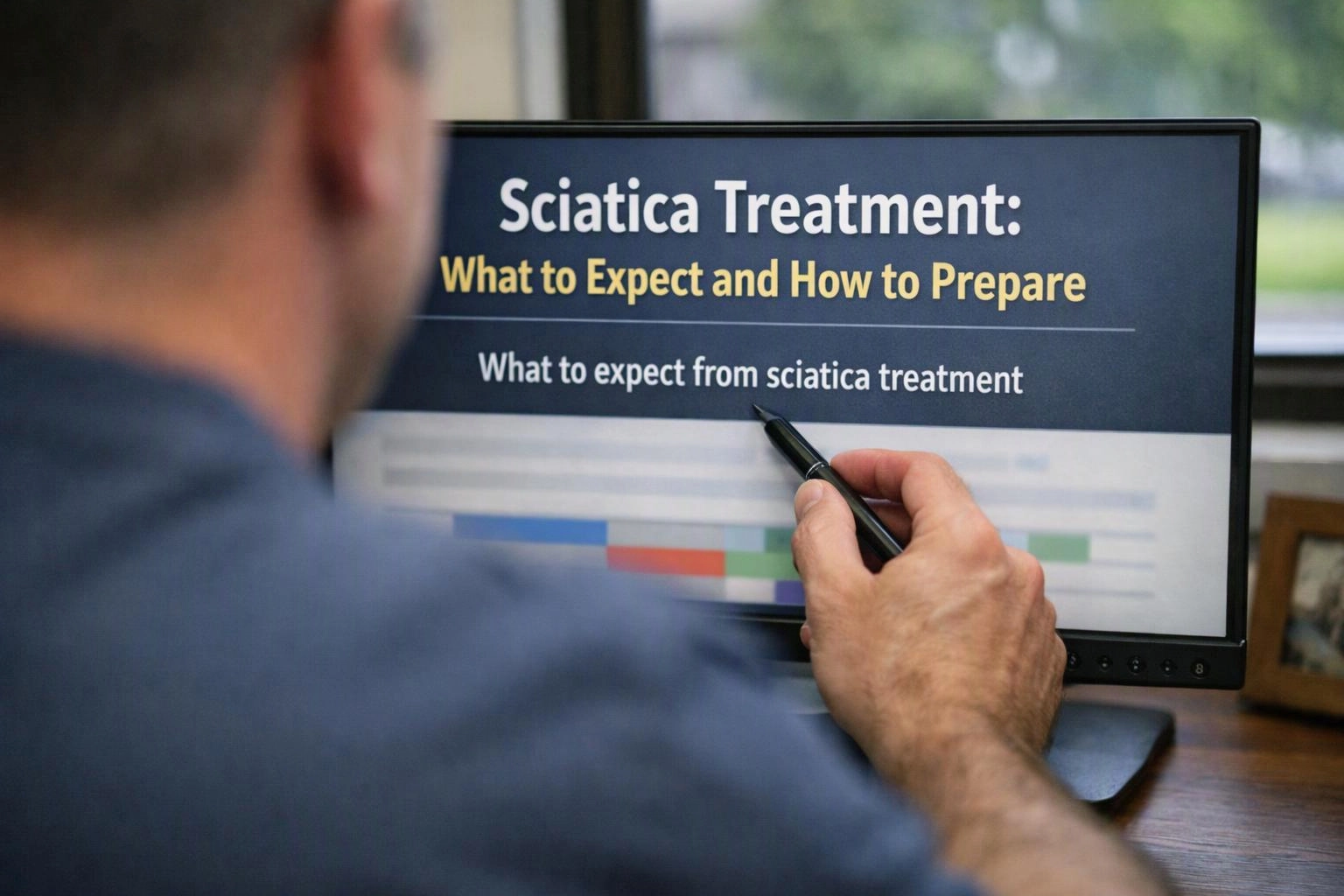
Our goal is to reduce aggravating forces and support comfortable movement when nerve irritation is part of the presentation. We monitor your response throughout the session and change the approach when needed.
Chiropractic Adjustment
Chiropractic adjustment is a hands-on approach that supports joint movement and spinal mechanics. We choose the technique and level of force based on your findings and treatment tolerance.
Our team checks how your body responds during and after the adjustment. We do not use one technique for every presentation.
Corrective Exercise Therapy
Corrective exercise therapy addresses movement patterns that may affect the lower back, hips, and legs. Exercises may focus on core control, hip mobility, and coordinated movement.
We teach home exercises that fit your current ability and treatment goals. We also explain how to perform each movement with control and how to respond if symptoms change.
How Should You Prepare for Sciatica Treatment?
Preparing for a sciatica treatment appointment helps us understand your symptoms and make the evaluation more focused. Bring information that shows how your condition has changed and what affects it.
What Questions Should You Ask About Sciatica Care?
Questions about sciatica care help you understand why an approach fits your symptoms. We welcome questions throughout the evaluation and follow-up process.
How Can You Help Prevent Recurring Sciatica Symptoms?
Preventing recurring sciatica symptoms involves managing daily movement and building capacity gradually. We connect prevention guidance to your posture, activities, and movement patterns.
How We Guide Your Sciatica Care
Advanced Injury Care Clinic uses a clinical evaluation to understand your symptoms, movement, and treatment goals. We then create an individualized care plan that may combine hands-on care, spinal decompression therapy, and corrective exercise therapy.
We use symptom tracking and patient education to help you understand changes during care. Follow-up assessment allows our team to review progress and adjust the plan when your needs change.
When Should Sciatica Symptoms Receive Medical Attention?
Sciatica symptoms require prompt medical attention when they involve progressive weakness, loss of bladder or bowel control, saddle-area numbness, or severe worsening symptoms.
These red flag symptoms may indicate a serious problem that requires urgent medical evaluation. We provide a medical referral when your presentation falls outside the appropriate scope of chiropractic care.
Seek medical attention promptly when symptoms are severe, rapidly worsening, or linked with new changes in strength, sensation, bladder control, or bowel control.
Questions About Sciatica Treatment
Can chiropractic treatment help with sciatica?
Yes, chiropractic treatment may help manage sciatica symptoms when the evaluation supports that approach. Advanced Injury Care Clinic reviews your symptoms, movement, and clinical findings before recommending chiropractic adjustment, spinal decompression therapy, corrective exercise therapy, or another appropriate option.
Is sciatica treatment appropriate for numbness or tingling?
Sciatica treatment may be appropriate for numbness or tingling after we assess nerve function, symptom severity, and related movement findings. Progressive weakness, saddle-area numbness, or changes in bladder or bowel control require prompt medical attention.
What should I bring to a sciatica treatment appointment?
Bring your symptom history, medication list, prior imaging reports, and questions about treatment. Comfortable clothing also helps our team complete a useful movement assessment.
Can sciatica symptoms return after treatment?
Yes, sciatica symptoms can return when contributing movement, spinal, or activity factors remain present. We use symptom tracking, patient education, and follow-up assessment to help guide prevention and ongoing care.
Advanced Injury Care Clinic can review your symptoms, discuss your treatment goals, and explain which care options fit your presentation. Contact our team to arrange an evaluation and learn how we can guide your sciatica care.
Contact Advanced Injury Care Clinic
Get a Free Estimate