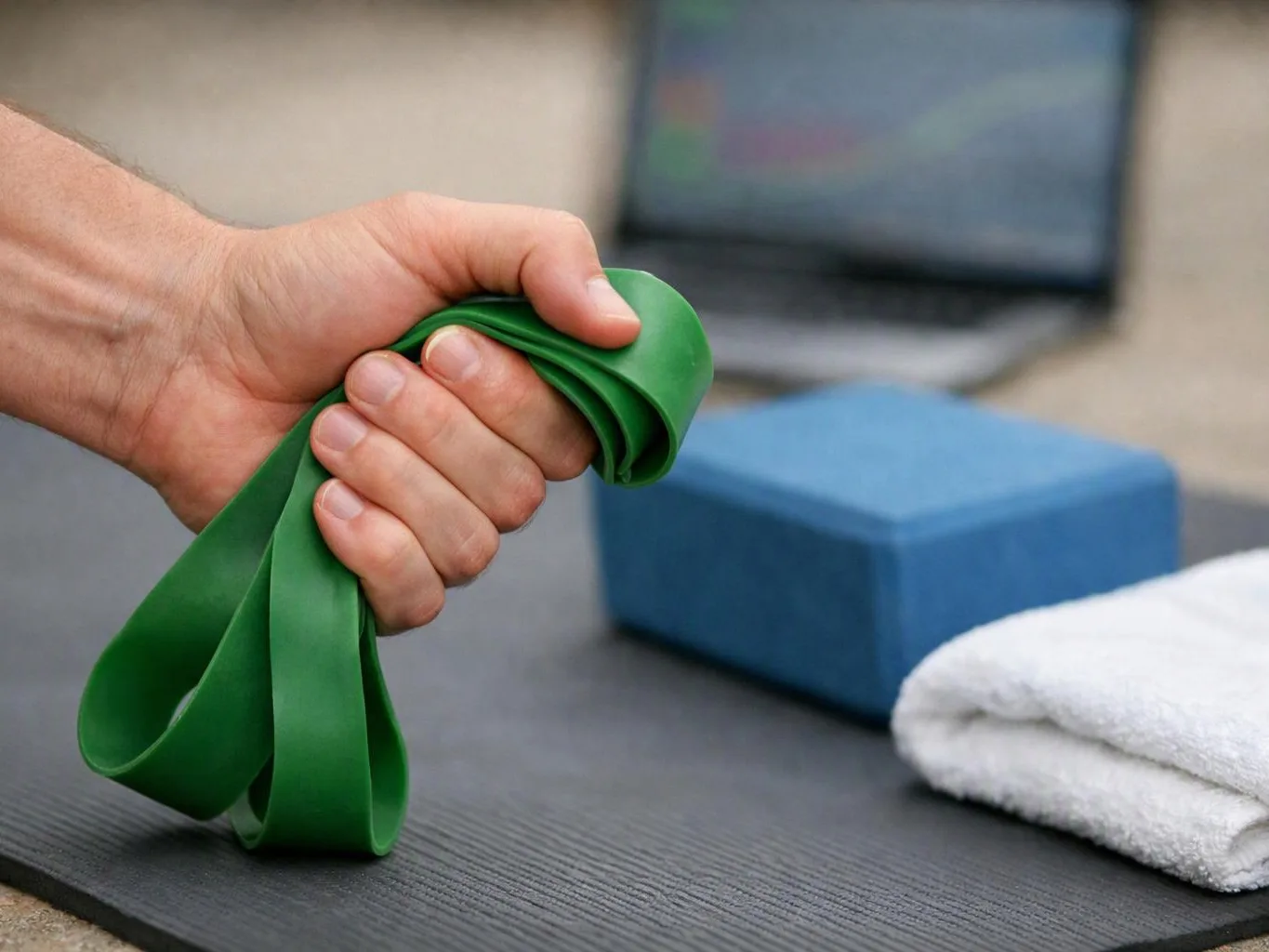
Scoliosis Concerns: Symptoms, Assessment, and Care Options
Chiropractic scoliosis care assesses and supports scoliosis-related posture changes, movement concerns, and care decisions. Advanced Injury Care Clinic reviews posture, movement, and musculoskeletal function, explains care options, and recommends medical evaluation when symptoms require diagnostic assessment or coordinated care.
Request an EstimateQuick Picks
Scoliosis care depends on the person’s symptoms, physical findings, and need for diagnostic evaluation. The following options describe how different forms of care may fit into a broader plan.
We use these distinctions to help you understand whether supportive chiropractic care, rehabilitation, or medical coordination best matches your concerns.
What Scoliosis Is and What Chiropractic Care Can Address
Scoliosis is a spinal curvature condition that can affect posture and movement, while chiropractic care focuses on evaluating related musculoskeletal function and supporting appropriate care.
A curved spine may change the position of the shoulders, hips, shoulder blades, or waist. Our care focuses on how the spine and surrounding musculoskeletal system move, how symptoms respond, and whether another form of evaluation is needed.
Our Scoliosis Treatment approach may support posture correction, mobility, and function. Chiropractic care does not replace medical diagnosis when imaging or specialist evaluation is needed.
Which Signs and Symptoms May Prompt a Scoliosis Assessment?
Visible asymmetry or changes in movement may prompt a scoliosis assessment, especially when the change is persistent or affects daily activity.
We look at the full pattern rather than relying on one sign. Common concerns include:
What Can Contribute to Scoliosis Concerns?
Scoliosis concerns can relate to different spinal, developmental, neuromuscular, or age-related factors.
We consider the health history and current presentation before recommending supportive care or medical referral.
How We Assess Scoliosis-Related Concerns
We assess scoliosis-related concerns through health history, posture observation, movement evaluation, and referral considerations when diagnostic testing or medical evaluation is needed.
At Advanced Injury Care Clinic, our team reviews posture, spinal alignment, muscle balance, range of motion, and movement patterns. We also ask how symptoms began, what activities affect them, and whether the symptoms are progressing.
A chiropractic assessment can identify musculoskeletal findings that may relate to discomfort or movement limits. When diagnostic imaging or medical evaluation is appropriate, we explain the reason for a medical referral and support coordinated care.
Can a Chiropractor Assess Scoliosis?
Yes, a chiropractor can assess posture, movement, and musculoskeletal findings associated with scoliosis, but diagnostic confirmation and treatment decisions may require medical evaluation and imaging.
Our clinical assessment may identify signs of spinal curvature, postural imbalance, or movement restriction. Diagnostic imaging may be needed to confirm the nature of a curvature, while a medical provider determines whether additional treatment or specialist care is appropriate.
Which Scoliosis Care Options May Be Appropriate?
Scoliosis treatment may include posture correction, mobility support, therapeutic exercise, pain management, coordinated care, orthopedic care, or physical therapy, depending on the assessment findings.
Chiropractic care may support musculoskeletal function and symptom management when those goals fit the person’s needs. We keep the care plan focused on safe movement, functional goals, and appropriate communication with other members of the care team.
| Option / System | Best For | Typical Lifespan / Turnaround | Key Trade-Offs |
|---|---|---|---|
| Chiropractic assessment and care | Posture, movement, and related musculoskeletal concerns | Based on clinical findings and follow-up needs | Does not replace diagnostic imaging or medical diagnosis |
| Physical therapy | Exercise, strength, flexibility, and functional movement | Based on the rehabilitation plan and response | Requires active participation and ongoing reassessment |
| Orthopedic care | Medical evaluation and spinal treatment decisions | Depends on findings, imaging, and clinical decisions | May involve diagnostic imaging or additional referrals |
| Coordinated care | Complex concerns involving more than one care discipline | Based on communication and progress monitoring | Requires clear communication between care teams |
1. Chiropractic Assessment and Support
Chiropractic assessment reviews posture, movement, spinal alignment, and muscle balance related to scoliosis concerns.
Best for: People who want a musculoskeletal review of discomfort, movement changes, or postural asymmetry.
2. Physical Therapy and Therapeutic Exercise
Physical therapy uses structured exercise and movement training to support strength, flexibility, and daily function.
Best for: People whose care goals include active rehabilitation and guided exercise.
3. Orthopedic Evaluation and Medical Coordination
Orthopedic care evaluates spinal conditions through medical history, examination, diagnostic imaging, and treatment planning.
Best for: People with progressive symptoms, significant functional changes, or concerns requiring diagnostic confirmation.
4. Coordinated Care Planning
Coordinated care combines information from appropriate providers to keep treatment goals clear and consistent.
Best for: People whose scoliosis concerns involve medical evaluation, rehabilitation, and musculoskeletal support.
How Chiropractic Care Fits Into a Broader Care Plan
Chiropractic treatment fits into a broader care plan by supporting musculoskeletal function while respecting the role of medical diagnosis and rehabilitation.
We monitor symptom response, movement quality, and functional goals during care. When needed, we coordinate with an orthopedist or physical therapist so that each part of the plan addresses the appropriate concern.
When Should Scoliosis Concerns Be Evaluated by a Medical Provider?
Scoliosis concerns should be evaluated by a medical provider when spinal changes progress, symptoms affect function, or neurological, breathing, or other concerning symptoms appear.
Medical evaluation is important when symptoms include weakness, numbness, loss of coordination, or breathing concerns. Diagnostic imaging may be needed when the spinal curvature requires confirmation or when symptoms do not fit a routine musculoskeletal pattern.
We recommend prompt medical referral when neurological symptoms or notable symptom progression appear. We also support coordinated care when medical findings need to guide chiropractic treatment.
What Steps Can Support Spinal Health and Posture?
Daily habits can support spinal health by encouraging comfortable movement, balanced activity, and awareness of posture.
These steps do not diagnose or correct scoliosis on their own. We use follow-up assessment to determine whether movement habits and exercise choices are supporting the care plan.
What Should You Ask About Scoliosis Care Options?
Questions about assessment findings, care goals, and referral needs can help you choose an appropriate scoliosis care plan.
Our team uses these questions to keep the discussion clear and focused on your symptoms and function.
How to Choose a Scoliosis Care Option
The right scoliosis care option depends on the purpose of the visit and the findings that need attention.
Use these criteria when discussing a care plan with our team or another member of your coordinated care team.
How We Help You Plan the Next Step
Advanced Injury Care Clinic helps you plan the next step by connecting scoliosis treatment goals with posture correction, movement evaluation, and appropriate care coordination.
Our team provides a care consultation that explains the assessment findings and available options. We also identify when a medical provider, diagnostic imaging, orthopedic care, or physical therapy should be part of the plan.
Contact us to discuss your scoliosis concerns and determine whether our specialized clinic is a suitable starting point for your care.
Questions About Scoliosis Concerns and Care
Does scoliosis always cause back pain?
Advanced Injury Care Clinic explains that scoliosis does not always cause back pain, although spinal curvature may occur with discomfort, movement changes, or postural strain. Our assessment reviews symptoms and function instead of assuming that pain is present.
Can posture changes indicate scoliosis?
Posture changes can indicate scoliosis-related asymmetry, but posture alone cannot confirm spinal curvature. A clinical assessment reviews alignment, movement, and other findings, while medical evaluation and diagnostic imaging may be needed for confirmation.
Will scoliosis care require imaging?
Scoliosis care may require diagnostic imaging when a medical provider needs to confirm spinal curvature, evaluate progression, or guide treatment decisions. We discuss referral considerations when the clinical findings indicate that imaging may be useful.
Can chiropractic care be combined with physical therapy for scoliosis?
Chiropractic care can be combined with physical therapy when the treatment goals are compatible and the care teams coordinate their plans. Chiropractic care may focus on musculoskeletal function, while physical therapy may focus on exercise, strength, flexibility, and functional movement.
Related Resources
Measuring Progress in Chiropractic Care: Symptoms, Function, and Reassessment
Why It MattersPosture, Movement, and Chiropractic Care: What Can Be Assessed
Why It MattersPosture Correction Therapy and Exercises for Daily Routines
Brand vs BrandPosture Correction Providers Worth Comparing in Hendersonville (2026)