Numbness and Tingling: When to Seek an Evaluation
Numbness and tingling can result from nerve irritation, neuropathy, circulation problems, or other conditions. Advanced Injury Care Clinic evaluates possible musculoskeletal contributors and helps identify when medical evaluation is needed, especially for sudden or worsening symptoms.
Request an EstimateWhat Do Numbness and Tingling Feel Like?
Numbness and tingling are altered sensations that can affect how a person feels touch, temperature, pressure, or movement. The pattern may affect the hands, feet, arms, legs, or another area.
We ask about when the sensation began, where it occurs, and whether it is changing. Common signs include:
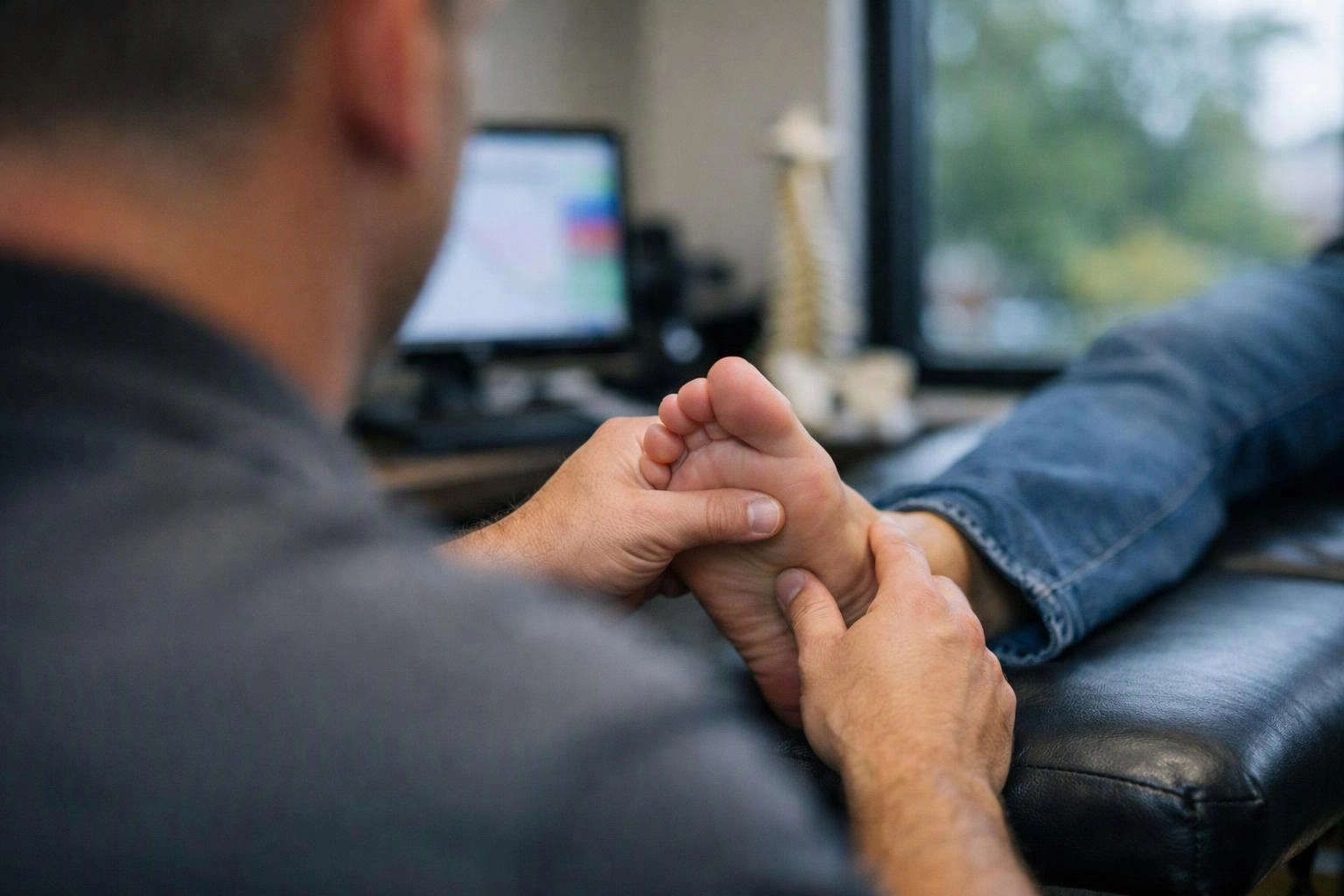
What Can Cause Numbness or Tingling?
Numbness and tingling can come from nerve compression, peripheral neuropathy, circulation changes, or a broader medical condition. We review the symptom pattern because similar sensations can have different causes.
Our team looks for musculoskeletal factors while keeping medical causes in view. We recommend medical evaluation when the findings suggest that the symptoms extend beyond the musculoskeletal system.
Does Numbness or Tingling Always Mean Neuropathy?
No, numbness or tingling does not always mean neuropathy because temporary pressure, spinal irritation, circulation changes, and other conditions can cause similar sensations.
Neuropathy is one possible explanation, but nerve irritation and musculoskeletal causes can produce overlapping symptoms. We consider the location, triggers, symptom progression, and related weakness before deciding whether chiropractic evaluation or medical evaluation is appropriate.
Our team can explain how the spine, joints, and muscles may affect nerve symptoms. We also recognize when a medical clinic or pain management physician needs to assess possible neuropathy.
When Should Numbness or Tingling Receive Urgent Medical Evaluation?
Sudden numbness, new weakness, facial changes, speech difficulty, severe headache, or loss of bladder or bowel control requires urgent medical evaluation.
Seek urgent care for sudden numbness, rapidly worsening symptoms, one-sided weakness, facial drooping, speech changes, or a severe headache. Loss of bladder or bowel control and symptoms after a serious injury also require prompt medical attention.
We do not delay referral when warning signs appear. Call emergency services or go to an appropriate emergency facility when symptoms are sudden, severe, or life-threatening.
How Can Numbness and Tingling Be Prevented or Reduced?
Numbness and tingling may be reduced by addressing posture, prolonged pressure, underlying health conditions, medication effects, and injury risks. We help identify movement and musculoskeletal factors that may be contributing to the symptoms.
Our team can discuss safe movement strategies and address muscle tension or joint restriction when those findings match the symptom pattern. Medical conditions still require care from the appropriate medical clinic.
Can a Chiropractor Assess Musculoskeletal Contributors to Nerve Symptoms?
Yes, Advanced Injury Care Clinic can assess musculoskeletal contributors such as spinal or joint restrictions, muscle tension, and movement-related nerve irritation while recognizing when medical evaluation is needed.
A chiropractic assessment may review spinal alignment, joint mobility, posture, muscle tension, and how movement affects symptoms. We use those findings to determine whether the musculoskeletal system may be contributing to nerve irritation.
Chiropractic care does not confirm every case of neuropathy or replace medical testing. When symptoms suggest neuropathy treatment outside chiropractic care, we help direct the patient toward a medical clinic or pain management physician. Our Neuropathy Treatment service page explains how we approach related symptoms.
What Happens During an Evaluation?
An evaluation connects the symptom pattern with relevant history and examination findings to determine whether musculoskeletal care or further medical assessment is appropriate.
We explain the findings in clear language and identify the next appropriate step. That step may involve musculoskeletal care, coordination with a medical clinic, or urgent medical evaluation.
How Do We Approach Neuropathy Symptoms?
Advanced Injury Care Clinic reviews neuropathy symptoms, examines possible musculoskeletal contributors, and directs patients toward appropriate medical evaluation when symptoms fall outside chiropractic care.
We look at how the spinal nerves, peripheral nerves, joints, and muscles may relate to the reported symptoms. We also consider symptom progression, weakness, balance problems, and other sensory changes.
Our approach includes care coordination when a pain management physician or medical clinic needs to evaluate neuropathy or another medical condition. We provide musculoskeletal guidance without treating every sensation as confirmed neuropathy.
Questions About Numbness and Tingling
Can a chiropractor help with numbness and tingling?
Advanced Injury Care Clinic can assess musculoskeletal contributors to numbness and tingling when spinal, joint, posture, or muscle findings may be involved. We also identify warning signs that require medical evaluation.
Should I see a doctor or chiropractor for neuropathy symptoms?
Neuropathy symptoms should receive medical evaluation when they are sudden, worsening, widespread, or linked with weakness or other warning signs. A chiropractic assessment may help identify musculoskeletal contributors when the pattern suggests nerve irritation related to the spine, joints, or muscles.
Can a pinched nerve cause numbness and tingling?
Yes, a pinched nerve can cause numbness and tingling when pressure or irritation affects nerve signaling. The location and symptom pattern help determine whether spinal nerves, peripheral nerves, or another condition may be involved.
Get an Evaluation for Numbness and Tingling
Advanced Injury Care Clinic evaluates possible musculoskeletal contributors and helps you understand when medical evaluation is needed. Contact our team to discuss your symptoms and the appropriate next step.
Contact Advanced Injury Care ClinicRelated Resources
Chiropractic Care Costs: What to Compare Before You Book
Compared ToUsing Insurance vs Paying Out of Pocket for Chiropractic Care
Compared ToChoosing a Chiropractor for a Work Injury: Coverage and Process Questions
Everything About ItChiropractic Adjustment Safety: What to Expect and When to Seek Medical Advice