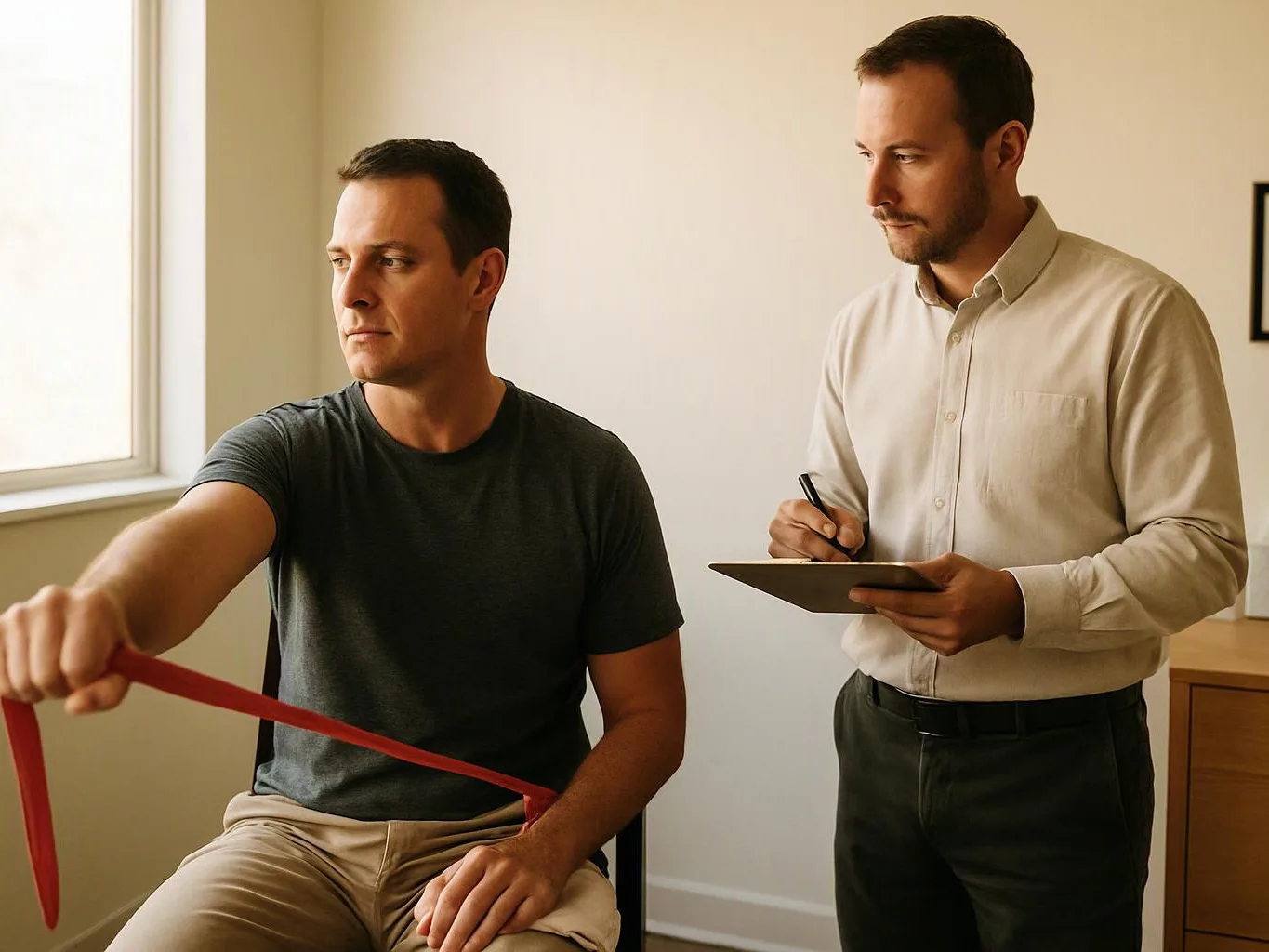
Chiropractic Adjustment Safety: What to Expect and When to Seek Medical Advice
Chiropractic adjustment safety depends on a health history, symptom screening, informed consent, and an appropriate technique. Advanced Injury Care Clinic explains expected effects, situations that require caution, and warning signs that need medical evaluation.
Request an EstimateIs Chiropractic Adjustment Safe?
Chiropractic adjustment can be appropriate for some patients when the clinical history, symptoms, and examination support the treatment. Advanced Injury Care Clinic uses patient screening, risk assessment, and informed consent before we recommend an adjustment.
Safety depends on identifying conditions that require medical evaluation or a modified approach before treatment. We explain the proposed manual therapy, discuss reasonable alternatives, and use patient communication to support an informed decision. Our chiropractor service focuses on appropriate care for musculoskeletal concerns.
What Happens During a Chiropractic Adjustment?
A chiropractic adjustment begins with a health review and examination, followed by an explanation of the proposed technique and a patient-consented treatment. Advanced Injury Care Clinic uses the findings and patient feedback to guide the adjustment process.
What Side Effects Can Follow a Chiropractic Adjustment?
A chiropractic adjustment may be followed by temporary soreness, tenderness, stiffness, or fatigue. These effects should be monitored, especially when symptoms change after spinal manipulation or another manual therapy technique.
Mild symptoms can differ from a serious reaction. Severe, unusual, or worsening pain requires medical advice. New weakness, numbness, or other neurological symptoms also require prompt attention.
Who Should Avoid or Delay a Chiropractic Adjustment?
People with suspected fractures, spinal instability, serious infection, certain neurological conditions, or other significant health concerns may need medical assessment before chiropractic adjustment. Advanced Injury Care Clinic reviews relevant health conditions and adapts care when adjustment is not appropriate.
Possible contraindications depend on the person’s symptoms, examination findings, and medical history. We may recommend referral or treatment modification when an adjustment could increase risk.
| Concern | Why caution may be needed | Possible next step |
|---|---|---|
| Fracture or spinal instability | Manual force may be unsuitable when the spine lacks normal stability. | Medical assessment before adjustment. |
| Severe osteoporosis | Bone fragility may affect the safest treatment approach. | Care modification or medical guidance. |
| Infection or cancer-related spinal disease | The symptoms may require diagnosis and treatment outside chiropractic care. | Medical referral. |
| Neurological symptoms | Weakness, numbness, or coordination changes may signal a condition needing evaluation. | Prompt medical assessment. |
| Blood-clotting concerns or recent surgery | Medical conditions and healing status can change treatment risk. | Health history review and possible referral. |
| Pregnancy-related precautions | Positioning and technique may need to be adapted. | Discuss pregnancy before treatment. |
When Should You Seek Medical Advice After an Adjustment?
Urgent medical evaluation is appropriate for severe or worsening symptoms, new weakness or numbness, loss of coordination, difficulty walking, loss of bladder or bowel control, fainting, breathing difficulty, chest pain, or a sudden severe headache.
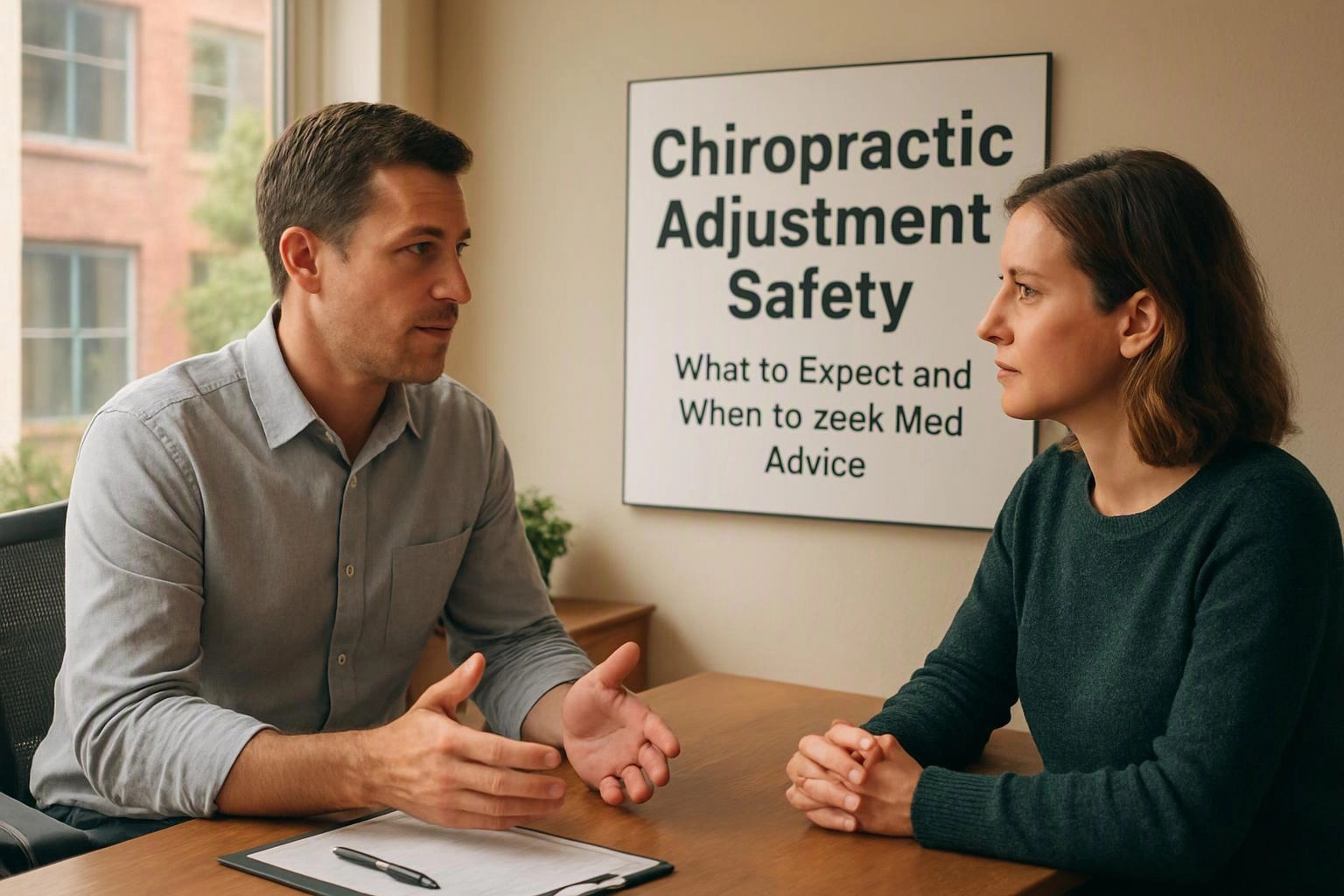
These warning signs may indicate a condition that needs rapid diagnosis or treatment. Do not wait for a routine chiropractic appointment when serious symptoms appear.
How We Check Whether an Adjustment Is Appropriate
Advanced Injury Care Clinic checks the health history, current symptoms, relevant medications, previous injuries, prior surgery, and examination findings before deciding whether chiropractic adjustment is appropriate. We recommend medical evaluation when the presentation falls outside the scope of chiropractic care.
Our physical examination helps us assess movement, pain behavior, and possible red flags. We use the findings to create a treatment plan, modify the technique, or arrange a referral when needed.
What Should You Tell Us Before an Adjustment?
Tell our team about any health change or treatment history that could affect patient safety. Clear information helps us complete treatment screening and make a safer decision.
How Chiropractic Adjustment Compares With Medical Evaluation
Chiropractic care focuses on appropriate musculoskeletal assessment and treatment, while medical evaluation is necessary for red-flag symptoms, serious disease concerns, or conditions requiring diagnostic testing or urgent treatment.
We use the presentation and examination findings to decide whether conservative care is suitable. When the concern falls outside that scope, we explain the need for referral.
| Chiropractic care | Medical evaluation |
|---|---|
| Assesses suitable musculoskeletal symptoms, joint movement, and function. | Assesses serious disease, systemic concerns, and conditions requiring broader testing. |
| May include manual therapy, mobility care, and treatment modification. | May include diagnostic testing, medication decisions, or urgent treatment. |
| Requires screening for contraindications and red flags. | Is the appropriate route for urgent symptoms or serious neurological changes. |
How to Prepare for a Safer Chiropractic Visit
A symptom history, medication list, and relevant medical records help us understand your condition before treatment. Bring questions about the proposed technique, expected effects, possible side effects, and other care options.
Informed consent is an ongoing part of the visit. We review the treatment plan, invite patient feedback, and explain what symptom monitoring should continue after care.
Questions About Chiropractic Adjustment Safety
Can a chiropractic adjustment make symptoms worse?
A chiropractic adjustment can be followed by temporary soreness, tenderness, stiffness, or fatigue, but severe or worsening symptoms need medical advice. Advanced Injury Care Clinic reviews symptom changes and modifies care when the response is not appropriate.
Can you get a chiropractic adjustment with a herniated disc?
A chiropractic adjustment with a herniated disc depends on the symptoms, examination findings, and neurological status. We screen for weakness, numbness, coordination changes, and other warning signs before deciding whether adjustment or another approach is suitable.
Should you tell a chiropractor about medications and previous surgery?
You should tell a chiropractor about medications and previous surgery because both can affect treatment screening and risk assessment. We use that information when planning care or deciding whether medical referral is needed.
What information should you bring to a chiropractic appointment?
Bring your symptom history, medication list, relevant medical records, information about previous injuries, and details about prior surgery. Questions about informed consent and treatment options also help support clear patient communication.
Can neck symptoms after an adjustment require medical attention?
Neck symptoms after an adjustment can require medical attention when they are severe, worsening, or linked with weakness, numbness, coordination problems, difficulty walking, fainting, breathing difficulty, chest pain, or a sudden severe headache.
Discuss Your Chiropractic Adjustment Safety Questions
Advanced Injury Care Clinic reviews your symptoms, health history, and examination findings before recommending an appropriate treatment approach. Contact us to discuss your concerns and arrange an informed evaluation.
Get a Free Estimate