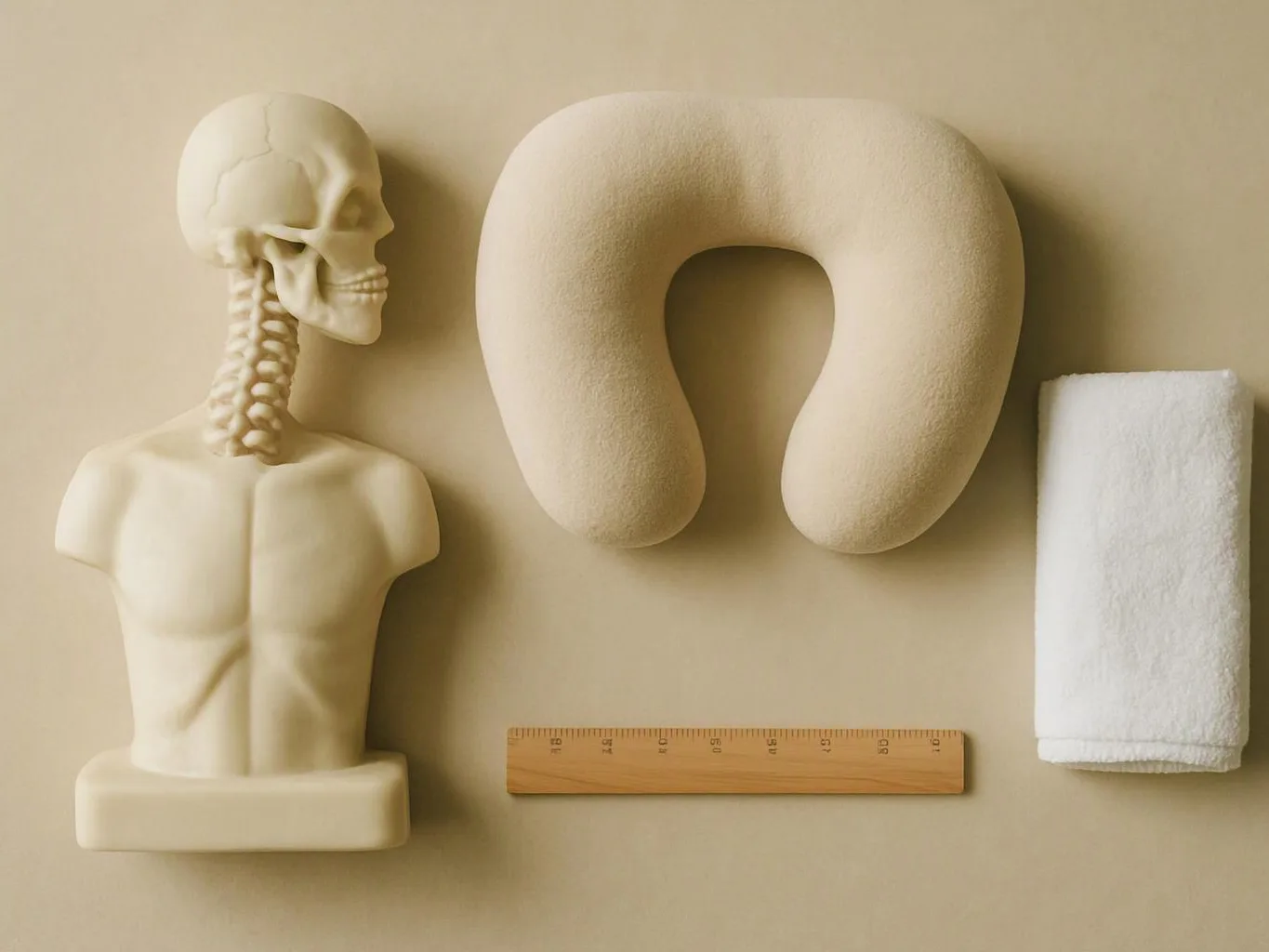
Jaw Pain and TMJ-Related Symptoms
Chiropractic TMJ treatment assesses and supports jaw pain and TMJ-related symptoms; Advanced Injury Care Clinic uses a focused musculoskeletal assessment to determine whether care is appropriate or whether dental or medical evaluation is needed.
Request an EstimateCan a Chiropractor Assess Jaw Pain and TMJ-Related Symptoms?
Yes, a chiropractor can assess jaw pain and TMJ-related symptoms when the concern may involve the jaw joint, chewing muscles, neck, or related movement patterns.
The temporomandibular joint connects the jaw to the skull and helps with speaking and chewing. A musculoskeletal assessment considers the joint, jaw muscles, neck movement, and symptom pattern. Our team uses those findings to decide whether chiropractic care fits the concern.
Our TMJ Treatment approach focuses on the relationship between jaw movement, muscle tension, neck mobility, and posture. Dental or medical evaluation may be more suitable when symptoms point to a problem outside musculoskeletal care.
What Symptoms Are Associated With TMJ Problems?
TMJ problems can cause pain or movement changes in the jaw, face, head, and nearby areas.
Symptoms can occur alone or together. Joint sounds without pain may not indicate the same concern as painful movement, muscle tenderness, or jaw locking.
What Commonly Causes Jaw Tension and TMJ-Related Symptoms?
Jaw tension commonly develops when the jaw muscles, temporomandibular joint, teeth, or neck are placed under repeated strain.
These factors can overlap. Our assessment looks for the pattern that best matches the symptoms before we discuss TMJ treatment.
How We Assess Jaw Pain Before TMJ Treatment
Advanced Injury Care Clinic assesses jaw pain by reviewing the health history and examining jaw movement, facial muscles, and the neck.
We ask about when symptoms began, what affects them, and whether chewing, speaking, stress, or posture changes the discomfort. We observe jaw range of motion and check for tenderness, muscle tension, joint sounds, and restrictions in the neck.
The symptom pattern helps us separate a possible temporomandibular disorder from concerns that need dental evaluation or medical care. We use the examination findings to create a care plan that matches the presentation.
Which TMJ Treatment Options May Address Jaw Tension?
TMJ treatment options depend on the assessment findings, the source of the symptoms, and whether the concern is suitable for chiropractic care.
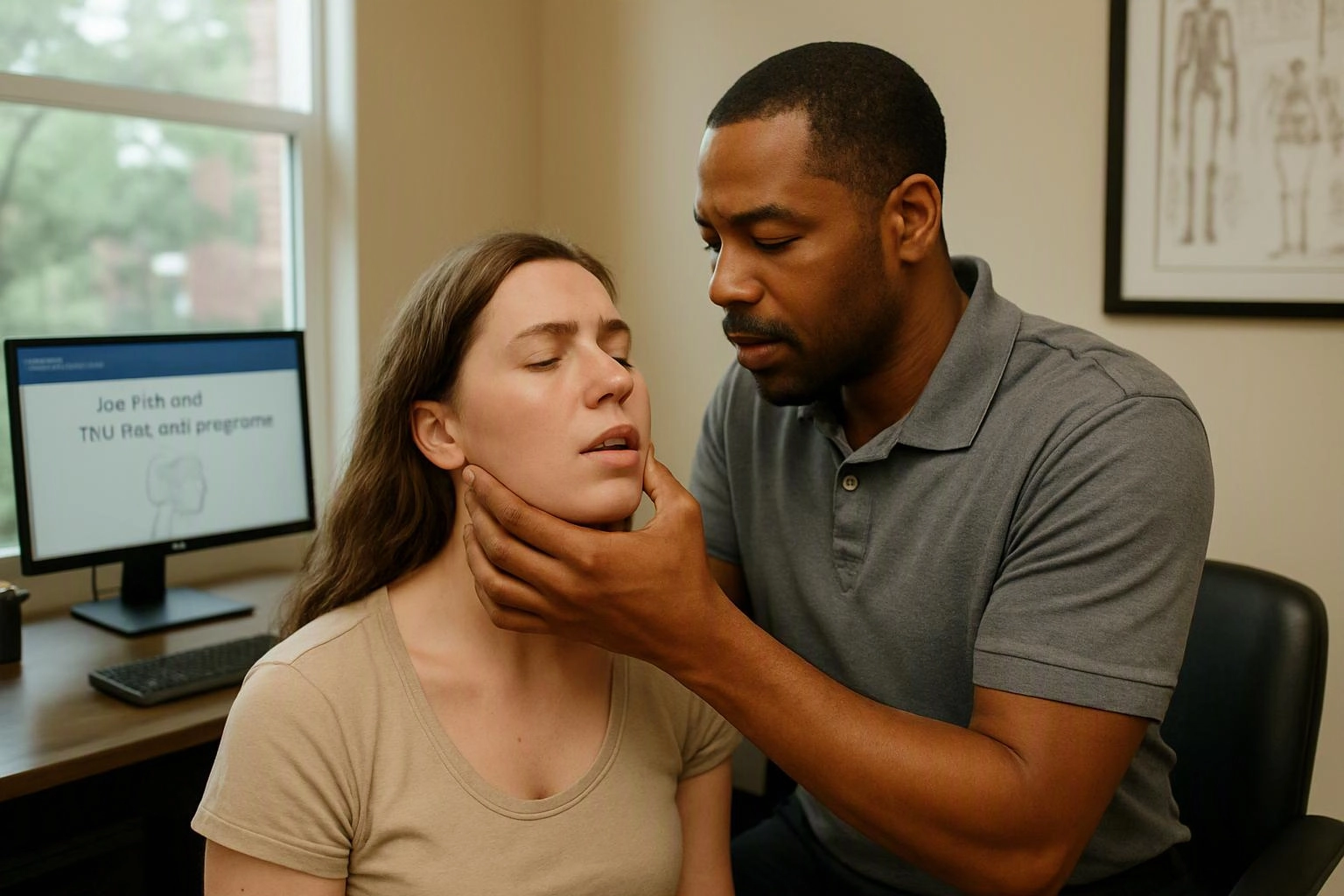
Our team may discuss conservative care that supports jaw mobility, soft tissue comfort, neck mobility, posture, and daily movement habits. The table shows how different parts of care may fit together.
| Care focus | How it may support the plan | When another evaluation may help |
|---|---|---|
| Chiropractic care | Addresses related jaw and neck movement patterns through an individualized plan. | Dental or medical findings appear more likely. |
| Jaw mobility | Supports comfortable movement when stiffness or limited opening is part of the pattern. | The jaw locks, movement is severely restricted, or trauma is involved. |
| Soft tissue techniques | May address muscle tenderness and tension around the jaw, face, and neck. | Swelling, infection, or another medical concern is present. |
| Self-care guidance | Helps reduce habits that may add strain, including poor posture and repeated clenching. | A dentist or medical provider needs to assess the underlying cause. |
What Should You Ask About Treatment Options for Jaw Tension?
Questions about treatment options should connect the care plan to the assessment findings and your specific jaw movement.
Our team welcomes these questions during care planning. Clear answers help you understand why a treatment option fits your symptoms.
How Can You Reduce Common Triggers for Jaw Tension?
Reducing repeated strain can help limit common triggers for jaw tension while the underlying concern is being assessed.
These measures do not replace an examination when pain persists or movement becomes limited. We can help assess whether jaw, neck, or muscle factors are contributing.
When Should Jaw Pain Be Assessed by a Dentist or Medical Provider?
Jaw pain should be assessed by a dentist or medical provider when symptoms suggest dental disease, infection, significant trauma, severe restriction, swelling, or a condition outside musculoskeletal care.
Dental evaluation is important when a dental infection, tooth problem, bite change, or painful chewing may be involved. Medical evaluation is important for facial swelling, significant trauma, jaw locking, neurological symptoms, or persistent pain that does not fit a musculoskeletal pattern.
Our team uses referral criteria during the symptom assessment. We can explain when dental or medical care should come first or be added to the care plan.
How Do You Request TMJ Treatment From Advanced Injury Care Clinic?
To request TMJ Treatment from Advanced Injury Care Clinic, share your symptom history and ask for a jaw assessment.
We review the location and pattern of your pain, jaw movement, chewing concerns, clenching or grinding, and related neck symptoms. Our team then uses the assessment findings to discuss care planning and whether referral criteria apply.
Questions About Jaw Pain and TMJ Symptoms
Is chiropractic care appropriate for every type of TMJ pain?
Chiropractic care is not appropriate for every type of TMJ pain, and Advanced Injury Care Clinic first checks whether the symptoms fit musculoskeletal care. Dental disease, infection, significant trauma, swelling, severe restriction, or neurological symptoms may require dental or medical evaluation.
Can jaw clenching contribute to facial pain and headaches?
Jaw clenching can contribute to facial pain and headaches by increasing tension in the jaw and surrounding muscles. A symptom assessment can help determine whether clenching appears connected to the pain pattern.
Should you see a dentist before seeking chiropractic care for jaw pain?
You should see a dentist first when jaw pain may involve a tooth problem, dental infection, bite changes, or another dental cause. Chiropractic assessment may be appropriate when the symptoms appear related to the jaw, neck, and surrounding muscles.
Related Resources
Chiropractic Care Costs: What to Compare Before You Book
Compared ToUsing Insurance vs Paying Out of Pocket for Chiropractic Care
Compared ToChoosing a Chiropractor for a Work Injury: Coverage and Process Questions
Compared ToPrenatal Chiropractor or General Chiropractor: Questions for Choosing Care